
 EN
EN
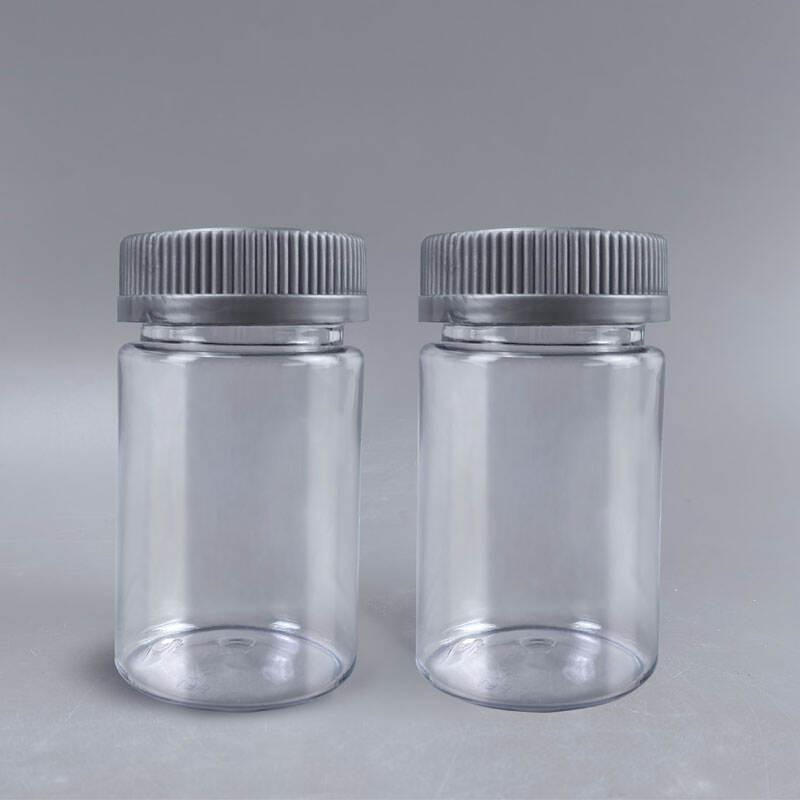
In modern hygiene routines, the convenience of dispensing products plays a crucial role in user satisfaction and consistent usage. Plastic soap bottles have become ubiquitous in households, commercial spaces, and healthcare facilities precisely because they combine practical functionality with ergonomic design. Understanding what features make these containers so convenient helps consumers and businesses select the right packaging solutions while manufacturers can optimize their product designs to meet evolving market demands.
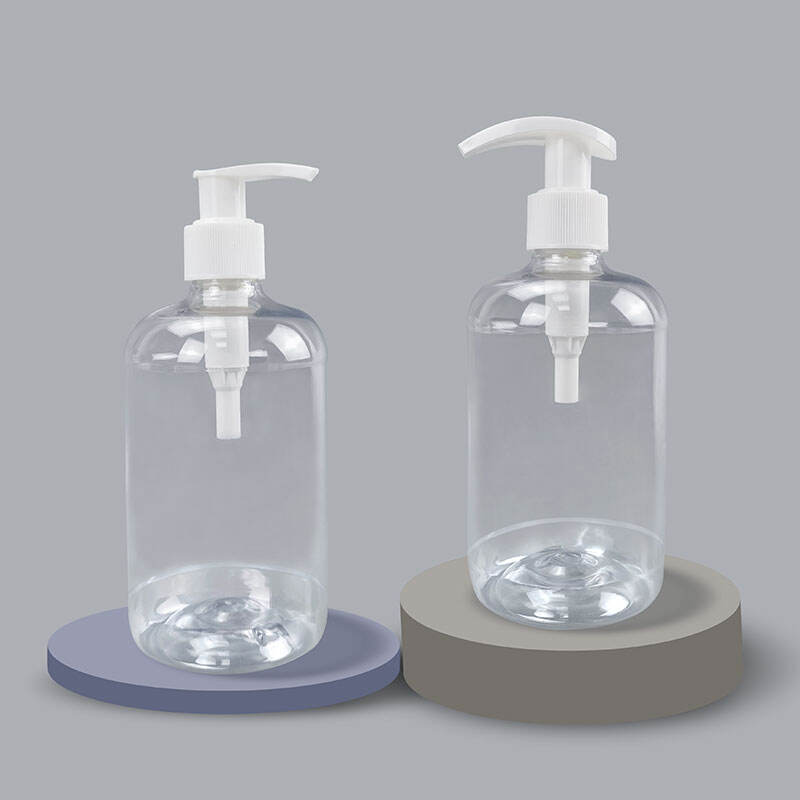
The convenience factor of plastic soap bottles stems from multiple integrated design elements working together to deliver effortless dispensing, reliable containment, and user-friendly operation. From the pump mechanism to the bottle shape, from material transparency to refill accessibility, each component contributes to the overall user experience. This article examines the specific features that transform ordinary containers into highly convenient dispensing systems, exploring how thoughtful engineering addresses real-world usage scenarios and common pain points encountered during daily hygiene routines.
Pump Mechanism Design and Dispensing Control
One-Hand Operation Capability
The most defining convenience feature of plastic soap bottles is the pump mechanism that enables single-handed operation. This design consideration addresses practical usage contexts where one hand may be occupied or dirty, allowing users to dispense soap without requiring both hands. The pump actuator typically requires minimal downward pressure, making it accessible for children, elderly users, and individuals with limited hand strength. Quality pump systems deliver consistent dosage with each press, eliminating the uncertainty of variable product output.
The spring-loaded mechanism within plastic soap bottles creates a reliable cycling action that draws liquid from the reservoir and expels it through the nozzle in controlled amounts. This mechanical simplicity reduces the likelihood of malfunction while maintaining consistent performance across thousands of dispensing cycles. The actuator head size and shape influence ease of use, with larger surfaces accommodating different hand positions and grip styles. Textured surfaces on pump tops prevent slipping when hands are wet or soapy, further enhancing operational convenience.
Modern pump designs incorporate airless technology that prevents product oxidation and contamination while ensuring complete product evacuation. This feature maximizes convenience by allowing users to access nearly all the contents without tilting or shaking the bottle. The elimination of air intake also prevents bacterial growth within the reservoir, maintaining product hygiene throughout the bottle's lifespan. These advanced pump mechanisms represent significant engineering improvements over traditional squeeze bottles or bar soap alternatives.
Adjustable Dosage and Flow Rate
Many plastic soap bottles feature pump mechanisms with adjustable output settings, allowing users to customize the amount dispensed per activation. This adaptability accommodates different usage scenarios, from light handwashing requiring minimal soap to thorough cleaning demanding more product. The ability to control dosage reduces waste while ensuring adequate coverage for effective hygiene. Some commercial-grade bottles incorporate lockable settings that maintain consistent output for institutional environments where standardization matters.
The internal valve system within quality plastic soap bottles regulates flow rate to prevent dripping and over-dispensing. This control mechanism ensures product remains inside the bottle when not actively pumped, maintaining cleanliness around the dispensing area. The precision engineering of these valves balances ease of activation with secure closure, creating a responsive yet leak-proof system. Users benefit from predictable dispensing behavior that eliminates surprises and mess during routine use.
Ergonomic Container Shape and Grip Design
Contoured Bottle Body for Secure Handling
The physical shape of plastic soap bottles directly impacts handling convenience, with ergonomic contouring providing secure grip surfaces that accommodate various hand sizes. Strategic indentations or textured zones create natural finger placement points, preventing the bottle from slipping during use. This design consideration becomes particularly important in wet bathroom or kitchen environments where moisture compromises grip security. The bottle diameter balances stability on countertops with ease of one-handed grasping, typically ranging between specifications that optimize both requirements.
Weight distribution across plastic soap bottles affects their stability and tipping resistance. A wider base relative to the upper portion creates a low center of gravity that prevents accidental knockovers on crowded sink areas. This stability feature proves especially valuable in households with children or high-traffic commercial settings where bumps and jostles occur frequently. The bottle footprint considers spatial efficiency, allowing multiple containers to coexist on limited counter space without crowding.
Transparent or Translucent Material Construction
Visibility of remaining product levels represents a significant convenience feature in plastic soap bottles, enabling users to anticipate refill needs before complete depletion. Transparent or translucent container walls allow quick visual assessment of soap quantity without opening the bottle or interrupting use. This feature supports proactive inventory management in both residential and commercial contexts, preventing the inconvenience of discovering an empty bottle during handwashing. Graduated markings or measurement indicators further enhance this capability by providing specific volume information.
The clarity of plastic materials used in soap bottles depends on manufacturing processes and polymer selection. High-quality plastics maintain transparency over extended periods despite exposure to various liquid soap formulations, some of which contain colorants or opacity-inducing ingredients. UV-resistant additives in the plastic composition prevent yellowing or clouding that would compromise visibility, ensuring the convenience feature remains functional throughout the product lifecycle. Clear construction also allows consumers to verify product authenticity and detect any contamination or separation issues visually.
Refill Accessibility and Maintenance Features
Wide-Mouth Opening Design
The convenience of plastic soap bottles extends beyond dispensing to include ease of refilling, a feature increasingly important as environmental consciousness drives reuse behavior. Wide-mouth bottle openings accommodate various refill methods, from pouring bulk soap directly to accepting different refill package spouts without spillage. This accessibility reduces mess during the refill process and minimizes product waste that occurs when narrow openings cause overflow or missed pours. The opening diameter typically balances refill convenience with structural integrity requirements for the bottle neck.
Threaded closures on plastic soap bottles facilitate complete pump removal for thorough cleaning between refills or when changing soap types. This maintenance capability prevents cross-contamination between different formulations and allows users to remove residue buildup that can affect pump performance. The convenience of tool-free disassembly encourages regular cleaning, contributing to better hygiene outcomes. Some designs incorporate quick-release mechanisms that simplify pump removal while maintaining secure attachment during normal operation.
Compatibility with Standard Refill Packaging
Modern plastic soap bottles increasingly feature standardized dimensions and opening configurations that align with common refill package formats. This compatibility eliminates the need for funnels or intermediate containers during refilling, streamlining the process significantly. Direct pour-to-bottle refill systems reduce handling steps and associated spillage risks, making sustainable refill practices more convenient than purchasing pre-filled bottles. Industry standardization efforts have established common neck finishes and thread patterns that work across multiple brands and product lines.
The material composition of plastic soap bottles influences their suitability for extended reuse cycles. Durable plastics resist stress cracking, chemical degradation, and mechanical wear from repeated opening and closing. This longevity maintains the convenience features throughout multiple refill cycles without compromising pump function or container integrity. Quality bottles designed for refilling incorporate reinforced stress points around the neck and base where repeated handling concentrates force, extending usable lifespan considerably beyond single-use alternatives.
Specialized Dispensing Technology Integration
Foam Generation Systems
Certain plastic soap bottles incorporate specialized foam-generating mechanisms that transform liquid soap into rich lather during dispensing. This technology enhances convenience by delivering pre-foamed product that spreads easily across skin surfaces without requiring manual lathering effort. The foam consistency improves coverage with less product volume, making handwashing more efficient while extending bottle contents. Users particularly appreciate this feature during quick hygiene breaks where time constraints limit thorough lathering processes.
The internal mixing chamber within foam-dispensing plastic soap bottles combines liquid soap with air in controlled ratios, creating consistent foam texture across multiple actuations. This mechanical foaming eliminates the need for chemical foaming agents in the soap formulation itself, supporting more natural product compositions. The convenience of instant foam appeals especially to children who find the texture engaging, promoting better handwashing compliance in family settings. Commercial facilities value foam dispensers for their ability to deliver adequate coverage while controlling product consumption and costs.
Touchless and Sensor-Activated Systems
Advanced plastic soap bottles now integrate electronic sensors and battery-powered pumps that enable completely touchless operation. This feature represents the pinnacle of convenience by eliminating physical contact with potentially contaminated surfaces, a consideration that gained prominence during heightened hygiene awareness periods. Motion sensors detect hand placement beneath the nozzle and trigger automatic dispensing, requiring no manual pump activation. The hands-free operation proves especially valuable in healthcare, food service, and public facility contexts where cross-contamination prevention is paramount.
Battery-operated dispensing systems in plastic soap bottles maintain consistent pump pressure regardless of product level or viscosity variations. This reliability ensures uniform dispensing performance from the first use through complete bottle depletion, unlike manual pumps whose effectiveness can decline as product depletes. Adjustable sensor sensitivity and dispensing volume settings accommodate different user preferences and usage requirements. The electronic components integrate seamlessly into plastic bottle designs without significantly increasing footprint or complexity, making advanced convenience accessible in standard sink configurations.
Hygiene-Focused Design Elements
Anti-Drip Nozzle Engineering
The nozzle design on plastic soap bottles significantly influences convenience through its impact on cleanliness around the dispensing area. Anti-drip engineering incorporates precise valve shutoff mechanisms that prevent residual soap from seeping through the orifice after dispensing completes. This feature maintains a clean bottle exterior and countertop surface, eliminating the need for frequent wiping and reducing product waste from dripped material. The convenience extends to aesthetic maintenance, as bottles without drip problems maintain a more presentable appearance throughout their service life.
Nozzle geometry on quality plastic soap bottles directs the dispensed stream to a predictable landing zone, typically centered in the user's palm when properly positioned. This targeting accuracy reduces cleanup from misdirected soap while ensuring product lands where intended without adjustment or repositioning. The orifice diameter balances flow rate with control, preventing both inadequate output and excessive spurting that wastes product. Some nozzles incorporate multiple outlet ports that create a dispersed spray pattern for enhanced coverage and faster distribution across skin surfaces.
Self-Closing Valve Systems
Internal valve mechanisms within plastic soap bottles provide automatic closure between dispensing cycles, preventing exposure to environmental contaminants. This self-sealing feature maintains product hygiene without requiring cap replacement or manual closure steps, contributing significantly to usage convenience. The valve system responds to pump cycling action, opening under dispensing pressure and immediately resealing when pressure releases. This passive operation requires no user intervention while delivering consistent contamination protection throughout the bottle's lifespan.
The materials used in valve construction resist degradation from prolonged soap exposure, maintaining sealing integrity across thousands of open-close cycles. Chemical compatibility between valve components and various soap formulations ensures reliable function regardless of product type, from gentle hand soaps to industrial-strength cleaners. This versatility makes plastic soap bottles with quality valve systems suitable for diverse applications without requiring formulation-specific bottle selections. The convenience of universal compatibility simplifies purchasing decisions and inventory management for facilities maintaining multiple soap types.
FAQ
What makes plastic soap bottles more convenient than bar soap alternatives?
Plastic soap bottles offer several convenience advantages over bar soap, including one-handed operation that accommodates situations where one hand is occupied or dirty. The pump mechanism delivers controlled dosage without requiring direct hand contact with the soap itself, reducing cross-contamination potential between multiple users. Bottles eliminate the mess associated with wet soap bars that create residue on sink surfaces, and the enclosed design prevents the soap from drying out or degrading when not in use. Transparent containers allow users to monitor remaining product levels easily, and refillable designs support long-term cost efficiency while reducing packaging waste compared to repeatedly purchasing bar soap.
How does pump quality affect the convenience of plastic soap bottles?
Pump mechanism quality directly determines dispensing reliability, ease of operation, and product lifespan of plastic soap bottles. High-quality pumps require minimal activation force while delivering consistent dosage across thousands of cycles without mechanical failure. Superior valve engineering prevents dripping and ensures complete shutoff between uses, maintaining cleanliness around the bottle. Quality pumps accommodate various soap viscosities without clogging or performance degradation, while poorly constructed alternatives may stick, leak, or dispense unevenly. The spring mechanism durability affects whether the pump maintains responsive action throughout the bottle's service life or becomes progressively harder to activate, significantly impacting user experience and convenience over time.
Can plastic soap bottles be refilled multiple times without losing convenience features?
Well-constructed plastic soap bottles designed for reuse maintain their convenience features through multiple refill cycles when properly maintained. Durable plastic materials resist stress cracking and chemical degradation from repeated exposure to soap formulations, preserving container integrity and pump functionality. Regular cleaning between refills prevents residue buildup that could affect pump operation or cause contamination issues. The pump mechanism itself typically outlasts several bottle volumes when quality components are used, though eventual replacement may be necessary for heavily used dispensers. Wide-mouth designs facilitate thorough cleaning and easy refilling without spillage, making the refill process itself convenient enough to encourage sustainable reuse practices rather than disposal after single use.
What bottle capacity offers the best balance of convenience and practicality?
The ideal capacity for plastic soap bottles depends on usage context, with residential settings typically finding 300-500ml sizes most convenient for balancing refill frequency against counter space consumption and handling ease. Smaller bottles around 250ml suit travel purposes or limited-space applications like guest bathrooms, while larger 750ml-1000ml containers work well for high-traffic commercial environments or family households with multiple users. Bottles exceeding 1000ml capacity may become unwieldy for some users despite reducing refill frequency, and their larger footprint can dominate limited counter space. The optimal size allows reasonable service duration between refills while remaining easy to handle during dispensing and refilling operations, with weight when full not exceeding comfortable one-handed lifting capability for intended users.
Table of Contents
- Pump Mechanism Design and Dispensing Control
- Ergonomic Container Shape and Grip Design
- Refill Accessibility and Maintenance Features
- Specialized Dispensing Technology Integration
- Hygiene-Focused Design Elements
-
FAQ
- What makes plastic soap bottles more convenient than bar soap alternatives?
- How does pump quality affect the convenience of plastic soap bottles?
- Can plastic soap bottles be refilled multiple times without losing convenience features?
- What bottle capacity offers the best balance of convenience and practicality?