
 EN
EN
Essential oils and serums represent some of the most delicate and valuable formulations in personal care and wellness industries, requiring packaging solutions that preserve potency while delivering precise dispensing control. The choice of container directly impacts product integrity, user experience, and brand perception. Among various packaging formats, plastic dropper bottles have emerged as the preferred solution for these concentrated formulations, combining protective properties with functional design elements that address the unique challenges of storing and dispensing viscous, sensitive liquids. Understanding what makes these containers particularly suited for essential oils and serums requires examining their material composition, structural design, and practical performance characteristics in real-world applications.
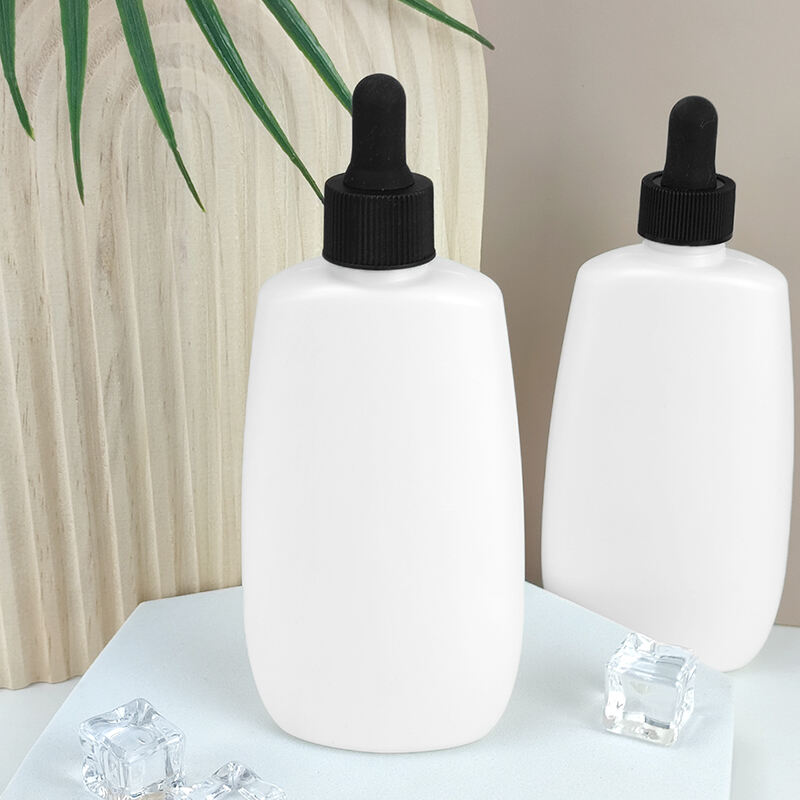
The functionality of plastic dropper bottles extends beyond simple containment, offering controlled dispensing mechanisms that prevent waste and enable accurate dosage delivery critical for potent formulations. Modern manufacturing advances have produced high-grade polymers that rival glass in chemical resistance while offering superior impact resistance and lighter weight. For businesses formulating essential oil blends, facial serums, or therapeutic concentrates, selecting appropriate packaging directly influences product stability, customer satisfaction, and operational efficiency. This comprehensive examination explores the material science, design features, compatibility considerations, and practical advantages that position plastic dropper bottles as the optimal packaging choice for these specialized liquid products.
Material Properties That Protect Sensitive Formulations
Chemical Resistance and Barrier Performance
The molecular structure of advanced plastics used in dropper bottles provides exceptional resistance to the chemical constituents found in essential oils and serums. High-density polyethylene (HDPE) and polyethylene terephthalate (PET) materials demonstrate remarkable inertness when exposed to terpenes, alcohols, and organic compounds that constitute essential oil profiles. Unlike reactive materials that may leach chemicals or degrade when in prolonged contact with volatile organic compounds, properly selected plastic dropper bottles maintain their structural integrity throughout the product's shelf life. This chemical stability ensures that the container neither absorbs active ingredients from the formulation nor releases polymer components into the product, preserving the therapeutic or cosmetic properties consumers expect.
The barrier properties of specialized plastics prevent moisture ingress and oxygen permeation, two environmental factors that accelerate degradation of essential oils and serum actives. Modern plastic dropper bottles incorporate multi-layer construction or surface treatments that create effective barriers against atmospheric contamination. These protective characteristics prove particularly valuable for formulations containing antioxidants, vitamins, and botanical extracts susceptible to oxidation. The impermeability of quality plastic materials helps maintain the aromatic profile of essential oil blends and preserves the efficacy of active ingredients in serums, extending product stability and ensuring consistent performance from first use to last drop.
Impact Resistance and Safety Advantages
The inherent flexibility and shatter resistance of plastic dropper bottles address critical safety concerns associated with handling concentrated formulations. Unlike glass containers that create hazardous sharp fragments when broken, plastic materials absorb impact energy through elastic deformation, maintaining container integrity even when dropped from typical handling heights. This safety characteristic proves especially important for bathroom and vanity applications where wet surfaces and tile floors create high-risk environments. For businesses shipping products directly to consumers or through retail channels, the reduced breakage rate of plastic dropper bottles translates to fewer damaged goods claims, lower replacement costs, and enhanced customer satisfaction.
The lightweight nature of plastic materials reduces shipping costs while maintaining protective performance, offering economic advantages without compromising product safety. A standard plastic dropper bottle weighs significantly less than a comparable glass container, enabling businesses to optimize freight expenses and reduce their carbon footprint associated with transportation. This weight differential becomes particularly advantageous for e-commerce operations where dimensional weight pricing applies, and for international shipments where every gram contributes to total logistics costs. The combination of durability and light weight makes plastic dropper bottles an economically and environmentally sensible choice for essential oil and serum packaging.
Precision Dispensing Design Features
Dropper Assembly Engineering
The dropper mechanism integrated into these bottles represents sophisticated engineering designed to deliver controlled, consistent droplet formation regardless of bottle orientation or user technique. Quality plastic dropper bottles feature precisely molded pipette assemblies with calibrated internal diameters that create uniform surface tension characteristics, ensuring each dispensed drop contains a predictable volume. This precision matters significantly for essential oils and serums where potency demands accurate dosage control, and where users expect reproducible results with each application. The dropper tip geometry incorporates smoothly finished edges that facilitate clean droplet release without creating satellite drops or inconsistent streaming, providing the controlled delivery essential for facial application or therapeutic use.
The bulb or squeeze mechanism paired with plastic dropper bottles provides intuitive operation that accommodates users with varying dexterity levels. Modern bulb designs incorporate calibrated compression resistance that prevents accidental over-dispensing while remaining easy to operate for individuals with limited hand strength. The material selection for dropper bulbs balances softness for comfortable operation with resilience to prevent permanent deformation from repeated compression cycles. This thoughtful engineering ensures consistent performance throughout thousands of dispensing actions, maintaining the controlled delivery that makes plastic dropper bottles particularly suitable for valuable formulations where waste directly impacts cost-per-use calculations.
Tamper-Evidence and Child-Resistance Options
Advanced closure systems available for plastic dropper bottles address regulatory requirements and safety concerns associated with potent essential oils and concentrated serums. Tamper-evident bands or breakable bridges provide visual confirmation of product integrity, assuring consumers that the container contents remain uncompromised from manufacturing through first use. These security features prove particularly important for therapeutic-grade essential oils and prescription serum formulations where product authenticity and purity carry significant health implications. The integration of tamper-evidence into plastic dropper bottles occurs during the manufacturing process, creating seamless security features that maintain aesthetic appeal while providing functional protection.
Child-resistant closure options transform standard plastic dropper bottles into safety-compliant packaging for formulations that pose ingestion risks to young children. These specialized caps require coordinated actions such as simultaneous pressing and twisting that prove difficult for children while remaining accessible to adult users. The availability of child-resistant designs expands the application range of plastic dropper bottles to include formulations containing high concentrations of potentially harmful substances, ensuring compliance with safety regulations in markets with stringent packaging requirements. This versatility allows formulators to select appropriate safety levels matching their product's risk profile while maintaining the dispensing precision that makes dropper bottles ideal for essential oils and serums.
Compatibility with Diverse Formulation Chemistries
Essential Oil Composition Considerations
Essential oils comprise complex mixtures of terpenes, phenols, aldehydes, and other organic compounds that vary significantly in their chemical aggressiveness toward packaging materials. Plastic dropper bottles manufactured from appropriately selected resins demonstrate compatibility with the full spectrum of essential oil chemistries, from gentle lavender and chamomile to more aggressive citrus and cinnamon oils. The selection of HDPE for plastic dropper bottles addresses compatibility concerns with most essential oil profiles, as this material resists dissolution, swelling, and chemical degradation when exposed to common essential oil constituents. Formulators working with particularly aggressive oils such as oregano, thyme, or wintergreen benefit from conducting compatibility testing, though properly manufactured plastic dropper bottles typically perform well across diverse essential oil applications.
The vapor barrier properties of plastic materials prevent the loss of volatile aromatic compounds that define essential oil character and therapeutic value. Unlike porous materials or poorly sealed containers, quality plastic dropper bottles with properly fitted closures maintain the aromatic integrity of essential oil blends throughout extended storage periods. This containment capability proves especially valuable for retail applications where products may remain on shelves for months before purchase, and for bulk storage scenarios where businesses maintain inventory between bottling runs. The preservation of volatile components ensures that the essential oil delivered to end users maintains the full aromatic profile and therapeutic properties expected from premium formulations.
Serum Formulation Requirements
Facial serums and cosmetic concentrates present distinct packaging challenges due to their water-based or emulsified compositions containing active ingredients sensitive to light, oxygen, and contamination. Plastic dropper bottles address these requirements through material selection and optional features such as UV-protective coloration and hermetic sealing systems. The chemical inertness of food-grade plastics prevents interaction with common serum ingredients including hyaluronic acid, vitamin C derivatives, peptides, and botanical extracts, ensuring formulation stability throughout the product lifecycle. The smooth interior surfaces of molded plastic dropper bottles minimize adherence of viscous serum formulations, allowing nearly complete product evacuation and reducing waste that impacts both consumer value and sustainability metrics.
The compatibility of plastic dropper bottles extends to formulations containing preservatives, emulsifiers, and pH adjusters commonly used in serum production. Modern plastic materials resist degradation from acidic formulations buffered to low pH values for stability or efficacy, and tolerate alkaline conditions without structural compromise. This chemical resilience allows formulators flexibility in developing optimized serum compositions without constraining choices based on packaging limitations. The dimensional stability of quality plastic dropper bottles ensures consistent dropper performance even when filled with formulations that might cause swelling or distortion in lesser-quality containers, maintaining the precise dispensing control essential for concentrated serum applications.
Practical Advantages in Manufacturing and Distribution
Production Efficiency and Customization Options
The manufacturing processes for plastic dropper bottles enable high-volume production with exceptional dimensional consistency and quality control. Injection molding and blow molding technologies produce bottles with precisely controlled wall thicknesses, thread specifications, and dropper assembly tolerances that ensure reliable performance across large production runs. This manufacturing efficiency translates to competitive pricing that makes plastic dropper bottles economically viable for businesses ranging from small artisan producers to large cosmetic manufacturers. The scalability of plastic production allows suppliers to accommodate orders from hundreds to millions of units while maintaining consistent quality standards, providing supply chain reliability essential for business planning and inventory management.
The customization capabilities available for plastic dropper bottles extend beyond simple color selection to include specialized features such as embossed branding, integrated measurement markings, and custom closure designs. Advanced manufacturing techniques enable the production of bottles in distinctive shapes and sizes that differentiate products in competitive markets while maintaining the functional advantages of dropper dispensing. The ability to incorporate brand identity directly into the bottle design through color matching, surface textures, and decorative elements creates cohesive packaging systems that enhance perceived value and brand recognition. These customization options allow businesses to develop distinctive packaging that communicates quality and professionalism while benefiting from the practical performance characteristics that make plastic dropper bottles ideal for essential oils and serums.
Logistics and Handling Benefits
The durability and light weight of plastic dropper bottles create significant advantages throughout distribution channels from manufacturing facilities to end consumers. The reduced breakage rate compared to glass containers minimizes product loss during transportation, warehouse handling, and retail display, directly impacting profitability through lower replacement costs and reduced waste. The stackability and nesting characteristics of plastic dropper bottles optimize warehouse space utilization and shipping container density, maximizing logistics efficiency. These physical properties prove particularly valuable for direct-to-consumer businesses where products endure multiple handling events through postal systems, and for international shipments where extended transit times increase exposure to rough handling.
The temperature stability of modern plastic materials ensures that plastic dropper bottles maintain structural integrity and sealing performance across the temperature ranges encountered during transportation and storage. Unlike some materials that become brittle in cold conditions or soften excessively in heat, quality plastics used in dropper bottle production maintain functional performance from freezing temperatures to elevated storage conditions. This thermal stability protects product integrity during seasonal temperature extremes and in uncontrolled storage environments, ensuring that essential oils and serums reach consumers in optimal condition regardless of distribution challenges. The reliability of plastic dropper bottles across diverse environmental conditions reduces quality concerns and warranty claims, supporting business reputation and customer loyalty.
Sustainability and Environmental Considerations
Recyclability and Material Lifecycle
Modern plastic dropper bottles manufactured from recyclable materials address growing consumer and regulatory emphasis on environmental responsibility in packaging choices. High-density polyethylene and PET plastics used in quality dropper bottles participate in established recycling streams, enabling post-consumer material recovery and reprocessing into new products. The recyclability of these materials reduces the environmental impact of packaging disposal while supporting circular economy principles increasingly valued by environmentally conscious consumers. Businesses selecting plastic dropper bottles manufactured from recycled content or designed for recyclability demonstrate commitment to sustainability that resonates with target markets prioritizing environmental values in purchasing decisions.
The extended usability of durable plastic dropper bottles supports sustainability through reduced replacement frequency and lower overall material consumption. Unlike single-use packaging or fragile containers requiring frequent replacement, quality plastic dropper bottles withstand repeated use scenarios such as refilling programs and multi-product applications. This durability enables businesses to develop refill systems that reduce packaging waste while maintaining the controlled dispensing advantages of dropper bottles. The light weight of plastic materials contributes to transportation efficiency that reduces carbon emissions associated with distribution, creating environmental benefits beyond the material itself. When evaluated through comprehensive lifecycle assessment methodologies, plastic dropper bottles often demonstrate favorable environmental profiles compared to heavier alternatives when transportation impacts and durability factors receive appropriate consideration.
Design for Disassembly and Component Separation
Advanced plastic dropper bottles incorporate design features that facilitate component separation for improved recycling outcomes. The ability to easily remove dropper assemblies from bottle bodies enables consumers to separate different material types, improving recycling efficiency and material purity in recovery streams. Some manufacturers design plastic dropper bottles with snap-fit dropper assemblies rather than adhesive bonding, simplifying disassembly without tools or special knowledge. This design consideration reflects growing recognition that packaging sustainability extends beyond material selection to include end-of-life processing considerations that determine actual recycling rates and environmental outcomes.
The standardization of plastic types used in dropper bottle construction supports recycling infrastructure by reducing material complexity in waste streams. When bottles, closures, and dropper components utilize compatible plastic resins, the disassembly requirement becomes less critical for recycling feasibility. Industry movement toward mono-material packaging solutions enhances the sustainability profile of plastic dropper bottles by simplifying recycling processes and improving economic viability of material recovery. Businesses selecting suppliers committed to sustainable design principles benefit from alignment with evolving regulatory requirements and consumer expectations regarding packaging environmental performance, positioning their brands favorably in markets increasingly influenced by sustainability considerations.
FAQ
Are plastic dropper bottles safe for storing undiluted essential oils long-term?
Yes, plastic dropper bottles manufactured from high-quality HDPE or specialized PET materials provide safe long-term storage for most undiluted essential oils when properly sealed. These plastics demonstrate excellent chemical resistance to the terpenes and organic compounds in essential oils, preventing container degradation and maintaining product purity. However, extremely aggressive oils such as oregano, cinnamon bark, or wintergreen may benefit from compatibility testing with specific bottle materials. Proper storage conditions including cool temperatures and protection from direct sunlight further enhance storage stability. Quality plastic dropper bottles with tight-sealing closures effectively preserve essential oil potency and aromatic profiles throughout typical product shelf lives of one to two years.
How do plastic dropper bottles compare to glass for preventing oxidation of serums?
Modern plastic dropper bottles manufactured with barrier-enhanced materials provide oxidation protection comparable to glass containers for most serum formulations. Advanced HDPE and multi-layer PET constructions create effective oxygen barriers that preserve antioxidant-rich serums and vitamin formulations susceptible to oxidative degradation. While glass remains completely impermeable to oxygen, the practical difference in oxidation rates between quality plastic dropper bottles and glass containers proves negligible for typical serum shelf lives when products include appropriate preservative systems. The addition of opaque or UV-protective coloration to plastic dropper bottles provides light protection equivalent to amber glass, addressing both oxidation pathways. For extremely oxygen-sensitive formulations or extended shelf life requirements exceeding two years, specialized barrier coatings or airless dispensing systems integrated with plastic bottles offer enhanced protection.
Can plastic dropper bottles be reused or refilled safely?
Plastic dropper bottles designed for consumer use can be safely reused or refilled when properly cleaned and maintained, though certain precautions ensure optimal performance and hygiene. Thorough washing with mild soap and complete drying prevents contamination and residue buildup that might affect subsequent formulations. The dropper assembly should be inspected for wear or degradation, particularly the bulb component which may lose elasticity after extended use. Reusing plastic dropper bottles for the same product type minimizes cross-contamination risks, while switching between different essential oils or serums requires more rigorous cleaning to prevent scent or ingredient mixing. Many businesses develop refill programs utilizing durable plastic dropper bottles, providing environmental benefits and cost savings while maintaining product quality through proper sanitation protocols and replacement schedules for dispensing components.
What bottle size works best for essential oils versus serums?
The optimal size for plastic dropper bottles depends on product concentration, usage rate, and stability characteristics rather than product category alone. Essential oils typically perform well in 15ml to 30ml bottles that provide several months of use for typical aromatherapy or topical applications while minimizing oxidation exposure from partially filled containers. Facial serums generally suit 30ml to 50ml sizes that align with typical monthly usage rates for daily application products, balancing convenience with stability considerations. Highly concentrated serums or therapeutic essential oil blends may benefit from smaller 10ml or 15ml plastic dropper bottles that ensure product use within optimal freshness periods. Businesses should consider their target consumer usage patterns, product positioning, and stability data when selecting bottle sizes, recognizing that properly sealed plastic dropper bottles maintain product integrity across various volumes when storage recommendations are followed.