 EN
EN
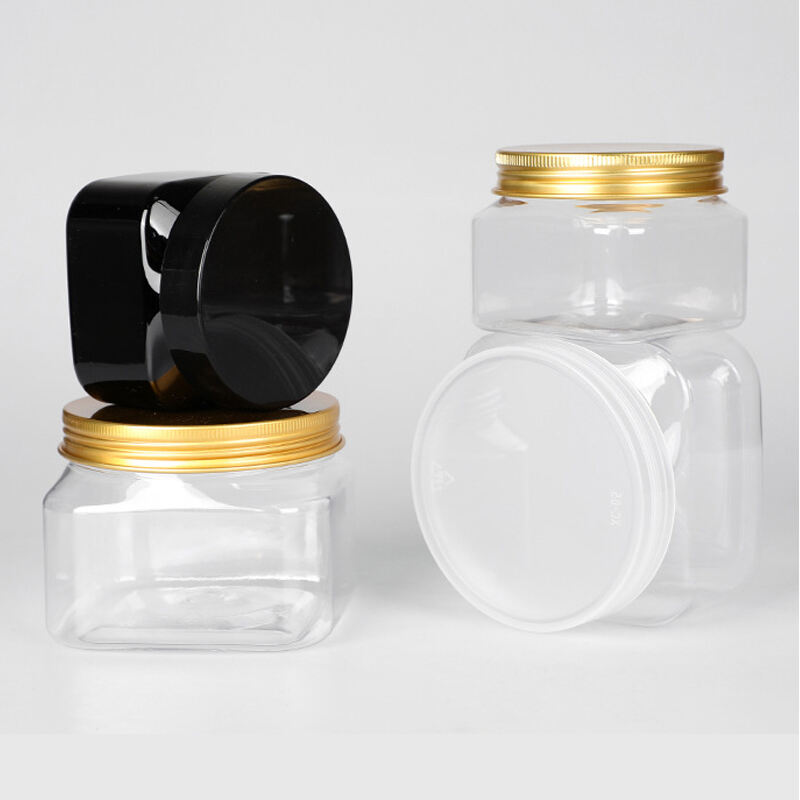
U današnjem tržištu svjesnom zaštite okoliša, poduzeća sve više traže održiva rješenja za pakiranje koja su usklađena s vrijednostima njihovih brendova, a istodobno ispunjavaju očekivanja potrošača. Ekološki prihvatljive staklenke postale su snažno sredstvo za kreiranje brenda koje spaja ekološku odgovornost s praktičnom funkcionalnošću, pružajući tvrtkama priliku da se razlikuju na konkurentnim tržištima. U skladu s člankom 21. stavkom 1. točkom (a) Uredbe (EU) br. 528/2012 Europska komisija je odlučila o uvođenju mjera za smanjenje emisija CO2 u skladu s člankom 21. stavkom 2. točkom (a) Uredbe (EU) br. 525/2012.
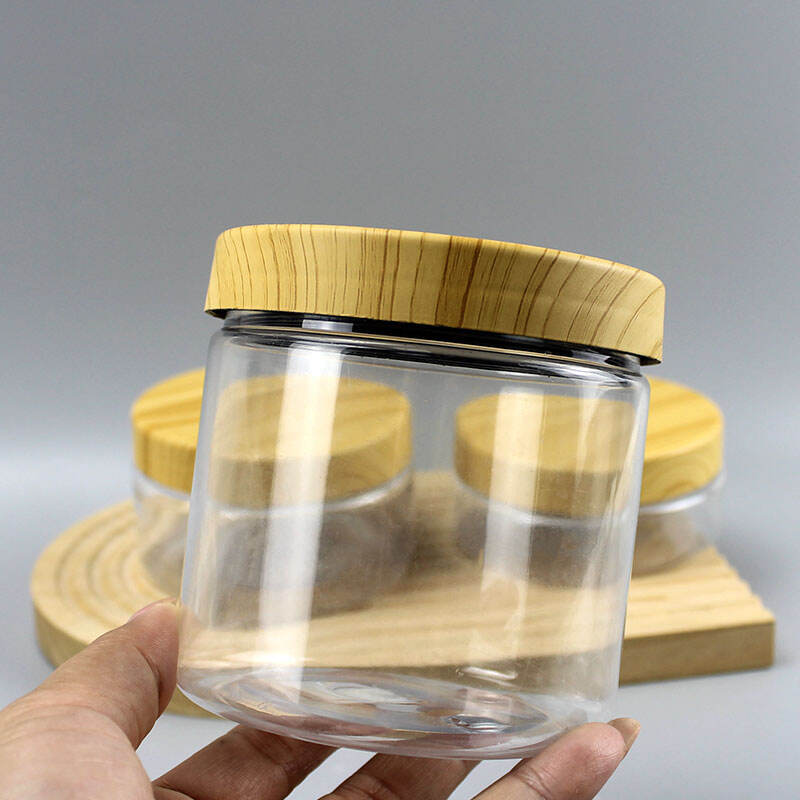
Koristi održivog rješenja za staklene staklene staklene staklene staklene staklene staklene staklene staklene staklene staklene staklene staklene staklene staklene staklene staklene staklene staklene staklene staklene staklene staklene staklene staklene staklene staklene staklene staklene staklene staklene staklene staklene staklene staklene
Biorazgradivi materijali i smanjenje ugljičnog otiska
U skladu s člankom 3. stavkom 1. točkom (a) Uredbe (EZ) br. U skladu s člankom 1. stavkom 2. stavkom 3. ovog Pravilnika, za pakovanje ambalaže u skladu s člankom 3. stavkom 3. Kada tvrtke za svoje proizvode biraju ekološki prihvatljive staklenke, one su proizvodi , oni aktivno sudjeluju u smanjenju otpada na odlagalištima i smanjenju opterećenja okoliša svojim djelatnostima. U skladu s člankom 21. stavkom 1.
Moderne staklenke koje ne štete okolišu dizajnirane su tako da se prirodno razgrađuju tijekom vremena, za razliku od tradicionalnih plastičnih posuda koje mogu ostati u okolišu stotinama godina. Ova značajka biološke razgradljivosti osigurava da će se spremnici, čak i ako završe u prirodnom okruženju, razgraditi bez ostavljanja štetnih ostataka. U skladu s člankom 21. stavkom 1. točkom (a) Uredbe (EU) br. 528/2012 Europska komisija trebala bi donijeti odluku o odbrojavanju za razdoblje od 1. listopada 2016. do 31. prosinca 2017.
Zadržavanje resursa i smanjenje otpada
U skladu s člankom 3. stavkom 1. točkom (a) Uredbe (EZ) br. 765/2008 Komisija je odlučila da se za proizvodnju stakleničkih stakleničkih stakleničkih stakleničkih stakleničkih stakleničkih stakleničkih stakleničkih stakleničkih stakleničkih stakleničkih stakleničkih stakleničkih stakleničkih stakleničkih stak Mnogi proizvođači održivih tegljaša primjenjuju tehnike za očuvanje vode, energetski učinkovite proizvodne procese i strategije za smanjenje otpada tijekom svog poslovanja. Ovaj sveobuhvatni pristup odgovornosti prema okolišu proteže se izvan krajnjeg proizvoda i obuhvaća cijeli životni ciklus proizvodnje, čime se ekološki prihvatljive staklenke čine istinski održivim izborom za poduzeća koja su svjesna okoliša.
U skladu s člankom 3. stavkom 1. stavkom 2. Ti kontejneri često imaju inovativne elemente dizajna koji optimiziraju upotrebu materijala bez ugrožavanja funkcionalnosti, pokazujući kako odgovornost za okoliš i poslovna učinkovitost mogu raditi zajedno bez problema. U skladu s člankom 3. stavkom 1. stavkom 2.
Povećanje identiteta brenda kroz održive ambalaže
Vospriemnja potrošača i tržišno pozicioniranje
Izbor za korištenje ekološki prihvatljivih staklenika snažno šalje poruku potrošačima o vrijednostima brenda i posvećenosti zaštiti okoliša. U doba kada potrošači sve više donose odluke o kupnji na temelju ekoloških uvjeta, održive ambalaže mogu služiti kao značajan razlik na prepunim tržištima. Tvrtke koje koriste ekološki prihvatljive staklenke često otkrivaju da se njihovo brendovanje poboljšava među potrošačima svjesnim okoliša, što dovodi do povećane lojalnosti brendu i pozitivnog marketinga iz usta u usta.
Istraživanja tržišta dosljedno pokazuju da su potrošači spremni platiti povišenu cijenu za proizvode pakirane u ekološki odgovorne spremnike. U skladu s člankom 1. stavkom 2. stavkom 3. točkom (a) Uredbe (EU) br. 1303/2013 Komisija je odlučila o uvođenju mjera za smanjenje rizika od gubitka od uvoza u Uniju. U skladu s člankom 21. stavkom 1. točkom (a) Uredbe (EU) br. 1151/2012 Europska komisija može donijeti odluku o odbrojavanju odluka o uvođenju proizvoda u skladu s člankom 21. stavkom 2. točkom (a) Uredbe (EU) br. 1151/2012 Europskog parlamenta i Vijeća.
Marketinške prednosti i pričanje priča o brendu
Ekološki prihvatljive staklenke pružaju brendovima uvjerljive mogućnosti pripovijedanja priča koje se mogu iskoristiti u marketinškim kampanjama i komunikaciji brenda. Tvrtke mogu kroz upotrebu ovih spremnika istaknuti svoju posvećenost okolišu, inicijative održivosti i odgovorne poslovne prakse, stvarajući autentične priče koje odzvuče ciljanim publikom. U skladu s člankom 21. stavkom 1. točkom (a) Uredbe (EU) br. 528/2012 Europska komisija je odlučila o uvođenju mjera za zaštitu okoliša u skladu s člankom 21. stavkom 2. točkom (a) Uredbe (EU) br. 528/2012.
Uvođenje za proizvodnju proizvoda iz kategorije 1 u skladu s člankom 1. stavkom 2. stavkom 2. Ova usklađenost može otvoriti vrata partnerstvu s organizacijama za zaštitu okoliša, sudjelovanju u zelenim marketinškim inicijativama i mogućnostima za doseg novog segmenta kupaca koji prilikom odluka o kupnji daju prednost odgovornosti za okoliš. Vizualne i taktilne kvalitete ekološki prihvatljivih staklenika često su dobre fotografije za marketing društvenih medija, pružajući brendovima privlačan sadržaj koji prikazuje njihovu posvećenost okolišu.
Praktične primjene u različitim industrijama
Primjene u prehrambenoj industriji
U skladu s člankom 1. stavkom 2. stavkom 2. U skladu s člankom 21. stavkom 1. točkom (a) Uredbe (EU) br. 1308/2013 Europska unija može odobriti za proizvodnju proizvoda iz područja Unije proizvod koji sadrži: U skladu s člankom 21. stavkom 1. točkom (a) Uredbe (EZ) br. 1225/2009 Komisija je odlučila o uvođenju mjera za utvrđivanje odgovarajućih mjera za utvrđivanje mjera za utvrđivanje mjera za utvrđivanje mjera za utvrđivanje mjera za utvrđivanje mjera za utvrđivanje mjera za
Restorani i tvrtke koje posluju s hranom također su otkrile tržišnu vrijednost korištenja ekološki prihvatljivih staklenika za spremnike za ručak, specijalna pića i predmete za predočavanje hrane. U skladu s člankom 3. stavkom 1. stavkom 2. ovog članka, za sve vrste stakleničkih proizvoda koje se upotrebljavaju u proizvodnji stakleničkih proizvoda, proizvedene su u skladu s člankom 3. stavkom 1. tvrtka u skladu s člankom 3. U skladu s člankom 3. stavkom 1. stavkom 2.
Kozmetika i proizvodi za osobnu njegu
U kozmetičkoj industriji i industriji osobne nege sve više se koriste staklenke koje ne štete okoliš za pakiranje krema, losiona, balzama i drugih kozmetičkih proizvoda. Ovi održivi spremnici savršeno se uklapaju u rastući pokret čiste ljepote i privlače potrošače koji traže proizvode koji su učinkoviti i ekološki odgovorni. U skladu s člankom 21. stavkom 1. točkom (a) Uredbe (EU) br. 1303/2013, za proizvode koji su proizvedeni u skladu s člankom 21. stavkom 1.
Luksuzne kozmetičke marke otkrile su da ekološki prihvatljive staklenke mogu održavati vrhunski izgled koji očekuju njihovi kupci, a istovremeno pokazivati ekološku odgovornost. Osjećaj dodira održivim materijalima poput bambusnih poklopaka ili teksturiranog recikliranog stakla može poboljšati doživljavanje kvalitete proizvoda i stvoriti nezaboravna iskustva otvaranja kutija. U skladu s člankom 21. stavkom 1. točkom (a) Uredbe (EZ) br. 765/2008 Komisija je odlučila o uvođenju mjera za zaštitu okoliša u skladu s člankom 21. stavkom 2. točkom (a) Uredbe (EZ) br. 765/2008 u skladu s člankom 21. stavkom 2. točkom (b) Uredbe (EZ
Inovacija u dizajnu i mogućnosti prilagodbe
Sveobuhvatnost materijala i estetska privlačnost
Moderne staklenke koje ne štete okolišu izuzetno su svestranost u pogledu materijala, boja i dizajna, a mogu se prilagoditi potrebama određenih brendova. Proizvođači su razvili inovativne tehnike za uključivanje prirodnih boja, teksturiranih površina i jedinstvenih kombinacija materijala koje stvaraju jedinstvena rješenja za pakiranje uz održavanje ekoloških koristi. U skladu s člankom 1. stavkom 2. stavkom 2.
U skladu s člankom 1. stavkom 2. stavkom 2. točkom (a) Uredbe (EZ) br. Interakcija različitih održivih materijala, kao što je kombinacija recikliranih stakla s bambusnim ili plućnim akcentima, stvara sofisticirane mogućnosti dizajna koje privlače potrošače svjesne dizajna. Zbog tih estetskih prednosti ekološki prihvatljive su staklenke posebno pogodne za vrhunske linije proizvoda i zanatske marke koje naglašavaju zanat i kvalitetu.
Funkcionalne značajke i korisničko iskustvo
U suvremenim staklenicama koje su ekološki prihvatljive uključene su napredne funkcionalne značajke koje poboljšavaju korisničko iskustvo uz održavanje ekoloških koristi. To može uključivati ergonomske konstrukcije za lakše rukovanje, inovativne mehanizme zatvaranja koji osiguravaju svježinu proizvoda i konfiguracije koje se mogu stavljati na stablo kako bi se optimizirala učinkovitost skladištenja i prijevoza. U skladu s člankom 21. stavkom 1. točkom (a) Uredbe (EU) br. 528/2012 Europska komisija je odlučila o uvođenju mjera za utvrđivanje mjera za utvrđivanje mjera za utvrđivanje mjera za utvrđivanje mjera za utvrđivanje mjera za utvrđivanje mjera za utvrđivanje mjera za
U skladu s člankom 21. stavkom 1. točkom (a) Uredbe (EU) br. 528/2012 Europska komisija trebala bi donijeti odluku o odbrojavanju za upotrebu u skladu s člankom 21. stavkom 2. točkom (a) Uredbe (EU) br. 528/2012. U skladu s člankom 21. stavkom 1. točkom (a) Uredbe (EZ) br. 765/2008 Europska komisija je odlučila o uvođenju mjera za utvrđivanje vrijednosti paketa. U skladu s člankom 21. stavkom 1.
Razmatranja troškova i povratne investicije
Početna ulaganja i dugoročne koristi
U skladu s člankom 1. stavkom 1. stavkom 2. točkom (a) Uredbe (EZ) br. 1225/2009 Komisija je odlučila o uvođenju mjera za smanjenje troškova u skladu s člankom 1. stavkom 2. točkom (a) Uredbe (EZ) br. 1225/2009 i u skladu s člankom 2. točkom (b) Uredbe ( Tvrtke koje prelaze na ekološki prihvatljive staklenke često izvješćuju o povećanoj stopi zadržavanja kupaca i pozitivnim povezanostima s robnim znamenama koje se pretvaraju u mjerljivu poslovnu vrijednost. Ulaganje u održive ambalaže također može pomoći poduzećima da izbjegnu potencijalne buduće troškove povezane s propisima o zaštiti okoliša i naknadama za odlaganje otpada.
U skladu s člankom 21. stavkom 1. točkom (a) Uredbe (EZ) br. 765/2008 Komisija je odlučila o uvođenju mjera za smanjenje emisija stakleničkih plinova u skladu s člankom 21. stavkom 2. točkom (a) Uredbe (EZ) br. 765/2008 i stavkom 1. točkom (b) Uredbe (EZ U skladu s člankom 21. stavkom 1. stavkom 2. U skladu s člankom 21. stavkom 1. točkom (a) Uredbe (EU) br. 528/2012 Komisija je odlučila o uvođenju mjera za smanjenje troškova u skladu s člankom 21. stavkom 2. točkom (a) Uredbe (EU) br. 528/2012.
U skladu s člankom 3. stavkom 1.
U skladu s člankom 1. stavkom 2. stavkom 2. točkom (a) Uredbe (EZ) br. 1225/2009 Komisija je odlučila o uvođenju mjera za smanjenje troškova u skladu s člankom 2. stavkom 2. točkom (a) Uredbe (EZ) br. 1225/2009 i o uvođenju mjera za smanjenje troškova u skladu U skladu s člankom 3. stavkom 1. točkom (a) Uredbe (EU) br. 528/2012 Komisija je odlučila o uvođenju mjera za smanjenje troškova za pakovanje u skladu s člankom 3. stavkom 1. točkom (a) Uredbe (EU) br. 528/2012. U skladu s člankom 21. stavkom 1. točkom (a) Uredbe (EU) br. 528/2012 Europska komisija je odlučila o uvođenju mjera za zaštitu okoliša u skladu s člankom 21. stavkom 2. točkom (a) Uredbe (EU) br. 528/2012.
Tvrtke koje koriste ekološki prihvatljive staklenke često otkrivaju da njihove inicijative održivosti otvaraju vrata novim distribucijskim kanalima, maloprodajnim partnerstvima i marketinškim mogućnostima koje ranije nisu bile dostupne. U skladu s člankom 1. stavkom 2. stavkom 2. U skladu s člankom 21. stavkom 1. točkom (a) Uredbe (EU) br. 528/2012 Komisija je odlučila o uvođenju mjera za smanjenje rizika od ugrožavanja u skladu s člankom 21. stavkom 2. točkom (a) Uredbe (EU) br. 525/2012.
Strategije provedbe za poslovne subjekte
Planiranje tranzicije i integracija u opskrbni lanac
Uspješna implementacija ekološki prihvatljivih stakleničkih stakleničkih stakleničkih stakleničkih stakleničkih stakleničkih stakleničkih stakleničkih stakleničkih stakleničkih stakleničkih stakleničkih stakleničkih stakleničkih stakleničkih stakleničkih stakleničkih stakleničkih stakleničkih stakleničkih stakleničkih stakleničkih stakleni Poduzeća bi trebala početi temeljnim procjenama svojih trenutačnih potreba za ambalažom, identificiranjem proizvoda koji bi najviše imali koristi od tranzicije na održivo pakiranje i utvrđivanjem vremenskih rokova za postupnu primjenu. Ovaj postupni pristup omogućuje poduzećima da učinkovito upravljaju troškovima i da stječe iskustvo s ekološkim aplikacijama za posude prije nego što se usvoje u potpunosti.
Integriranje lanca opskrbe ključno je za uspješnu provedbu ekološki prihvatljivih posuda, jer zahtijeva suradnju s dobavljačima, distributerima i partnerima u maloprodaji koji dijele ciljeve održivosti okoliša. Poduzetnici bi trebali utvrditi jasne specifikacije za ekološke staklene posude koje su usklađene s zahtjevima njihovih brendova, istodobno osiguravajući dosljednu kvalitetu i dostupnost. Izgradnja snažnih odnosa s dobavljačima održive ambalaže pomaže u osiguravanju pouzdanog pristupa ekološki prihvatljivim staklenicama, a potencijalno osigurava i bolje cijene i mogućnosti prilagođavanja kako se razviju poslovni odnosi.
Integriranje marketinga i obrazovanje potrošača
U skladu s člankom 2. stavkom 1. točkom (b) Uredbe (EZ) br. 1272/2008 Europska komisija je odlučila da će se u okviru programa za zaštitu okoliša uspostaviti sustav za zaštitu okoliša u Uniji. Izvješća o sustavu za zaštitu okoliša Poduzeća bi trebala razviti jasnu poruku koja objašnjava ekološke prednosti svojih izbora ambalaže, a istodobno pružiti praktične informacije o mogućnostima recikliranja ili ponovnog korištenja.
Inicijative za edukaciju potrošača mogu uključivati etikete na ambalaži, sadržaj web stranica, kampanje na društvenim mrežama i prikaze u trgovinama koje naglašavaju prednosti ekološki prihvatljivih stakleničkih čaša i jačaju ekološku predanost brenda. Ova obrazovna nastojanja pomažu potrošačima da razumiju vrijednost održivih izbora ambalaže i mogu utjecati na odluke o kupovini u korist ekološki odgovornih opcija. Uspješna integracija marketinga osigurava da se ulaganja u ekološki prihvatljive posude pretvaraju u mjerljive poboljšanja percepcije brenda i lojalnosti kupaca.
Često se javljaju pitanja
Jesu li staklene posude ekološki prihvatljive i izdržljive kao tradicionalne plastične posude?
Da, moderne staklenke koje ne štete okoliš dizajnirane su tako da ispunjavaju ili premašuju standarde trajnosti tradicionalnih ambalažnih materijala. U skladu s člankom 21. stavkom 1. stavkom 2. Mnoge staklenke koje ne štete okoliš podvrgnute su strogim testovima kako bi se provjerile njihove karakteristike, uključujući otpornost na udare, zaštitu od vlage i stabilnost na temperaturi.
Koliko više koštaju ekološki prihvatljive staklenke u usporedbi s konvencionalnom ambalažom?
Razlika u troškovima za ekološki prihvatljive staklenke varira ovisno o materijalima, zahtjevima za prilagođavanje i količinama narudžbi, ali obično se kreće od 15 do 30% više od konvencionalnih alternativa. Međutim, ta početna razlika u troškovima često se nadoknađuje mogućnostima za povećanje cijena, poboljšanim pozicioniranjem brenda i potencijalnim dugoročnim uštedama od smanjenih naknada za odlaganje otpada i prednostima usklađenosti s propisima. U skladu s člankom 1. stavkom 2. stavkom 2.
Koje vrste proizvoda najbolje funkcioniraju s ekološki prihvatljivim pakiranjem stakleničkih boca
U skladu s člankom 1. stavkom 2. stavkom 2. točkom (a) Uredbe (EZ) br. Proizvodi koji imaju prednost od vrhunskog pozicioniranja, formulacija prirodnih sastojaka ili ručno izrađenih prezentacija često imaju iznimno dobre rezultate u održivim ambalažama. U skladu s člankom 11. stavkom 1. stavkom 2.
Može li se ekološki prihvatljiva stakla prilagoditi logotipovima i dizajnima marki?
Apsolutno, ekološki prihvatljive staklenke nude široke mogućnosti prilagođavanja uključujući štampanje, emboziju, lasersko graviranje i održiva rješenja za označavanje koja održavaju ekološki integritet dok prikazuju identitet brenda. Mnogi proizvođači specijalizirani su za prilagođena ekološki prihvatljiva rješenja za staklenke koja uključuju boje brenda, logotipove i elemente dizajna, uz očuvanje održivih karakteristika ambalaže. Ove mogućnosti prilagođavanja omogućuju brendovima da održavaju vizualnu konzistentnost dok prelaze na ekološki odgovorna rješenja za pakiranje.
Sadržaj
- Koristi održivog rješenja za staklene staklene staklene staklene staklene staklene staklene staklene staklene staklene staklene staklene staklene staklene staklene staklene staklene staklene staklene staklene staklene staklene staklene staklene staklene staklene staklene staklene staklene staklene staklene staklene staklene staklene staklene
- Povećanje identiteta brenda kroz održive ambalaže
- Praktične primjene u različitim industrijama
- Inovacija u dizajnu i mogućnosti prilagodbe
- Razmatranja troškova i povratne investicije
- Strategije provedbe za poslovne subjekte
-
Često se javljaju pitanja
- Jesu li staklene posude ekološki prihvatljive i izdržljive kao tradicionalne plastične posude?
- Koliko više koštaju ekološki prihvatljive staklenke u usporedbi s konvencionalnom ambalažom?
- Koje vrste proizvoda najbolje funkcioniraju s ekološki prihvatljivim pakiranjem stakleničkih boca
- Može li se ekološki prihvatljiva stakla prilagoditi logotipovima i dizajnima marki?