
 EN
EN
In the competitive world of personal care products, brand differentiation extends far beyond the formulation inside the container. The design of a shampoo bottle serves as a silent ambassador for your brand, communicating values, quality, and identity before a single drop of product is ever used. For brands navigating crowded retail shelves or digital marketplaces, the physical design of packaging has become a critical strategic asset that influences consumer perception, purchase decisions, and long-term brand loyalty. Understanding why shampoo bottle design matters reveals the intersection of aesthetics, functionality, and market psychology that defines successful product positioning.
The modern consumer encounters hundreds of product options within seconds, making split-second judgments based primarily on visual cues and tactile expectations. A shampoo bottle design that fails to capture attention, convey brand essence, or promise functional reliability becomes invisible in this saturated environment. Conversely, thoughtfully designed packaging transforms a commodity purchase into an experience, building emotional connections that transcend the transactional nature of buying hair care products. For brands seeking sustainable market presence, investing in strategic bottle design delivers measurable returns through enhanced brand recognition, perceived value elevation, and customer retention that compounds over time.
The Psychology Behind Shampoo Bottle Design and Consumer Behavior
Visual Impact and Shelf Presence
The first three seconds of consumer interaction with a shampoo bottle determine whether it receives further consideration or gets passed over entirely. Shape, color, and graphic elements work together to create immediate visual impact that either aligns with or contradicts shopper expectations. Brands targeting premium segments often employ minimalist designs with sophisticated color palettes, while mass-market products may use bold graphics and vibrant hues to maximize visibility. The strategic use of transparent sections, textured surfaces, or unique silhouettes helps a shampoo bottle stand out in crowded displays where dozens of competing products vie for attention simultaneously.
Research in consumer psychology demonstrates that packaging design influences perceived product quality independent of actual formulation. A shampoo bottle with clean lines, premium materials, and refined typography signals higher quality than identical formulations in generic packaging. This perception gap allows brands to command price premiums and attract consumers willing to pay more for products that align with their self-image and aspirational values. The visual language of your bottle design becomes a non-verbal contract with consumers, promising specific benefits and experiences before the first use.
Tactile Experience and Material Selection
Beyond visual assessment, the physical interaction with a shampoo bottle creates lasting impressions that influence repeat purchase behavior. The weight, texture, and ergonomic design of the container communicate quality through touch. Heavier bottles with substantial walls suggest durability and premium content, while lightweight designs may be perceived as economical or eco-friendly depending on material choice and overall design context. Surface treatments such as soft-touch coatings, embossed patterns, or matte finishes enhance the tactile experience and create memorable brand interactions that differentiate products in consumers' minds.
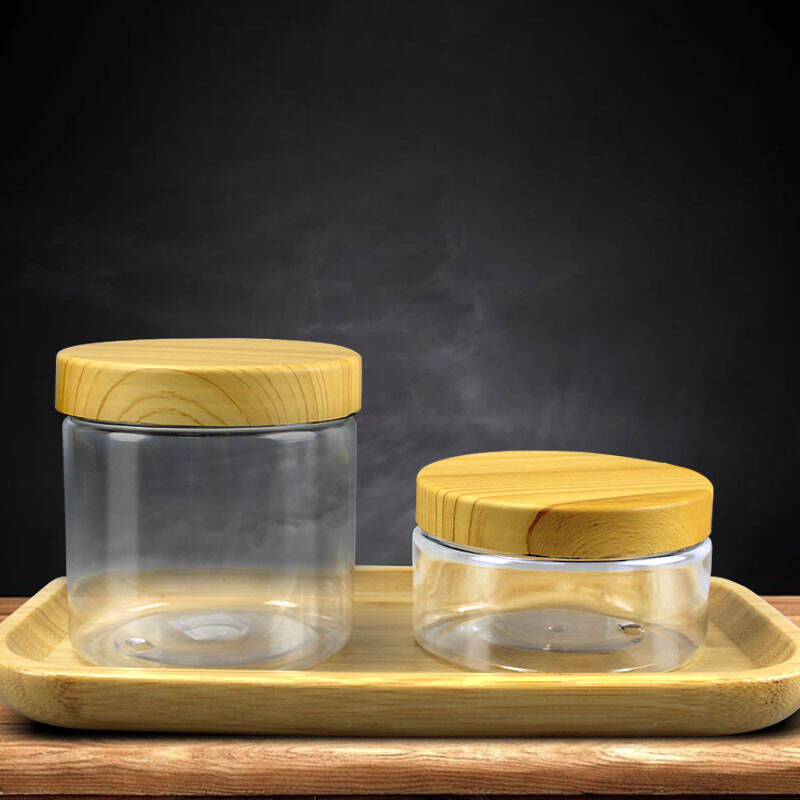
Material selection for your shampoo bottle extends beyond aesthetic considerations to practical functionality that affects daily use. High-density polyethylene offers durability and chemical resistance, while PET provides transparency for showcasing colored formulations. The choice between glossy and matte finishes impacts both visual appeal and grip security in wet bathroom environments. Brands must balance material cost considerations with the need to deliver packaging that performs reliably throughout the product lifecycle, as a single negative experience with leaking, cracking, or difficult dispensing can permanently damage brand perception.
Color Psychology and Brand Identity
Color selection for shampoo bottle design operates on multiple psychological levels, evoking emotional responses while conveying specific product attributes. Cool blues and greens suggest freshness, cleanliness, and natural ingredients, making them popular choices for everyday hair care products. Warm golds, coppers, and burgundies communicate luxury, nourishment, and premium positioning. Pastels convey gentleness and suitability for sensitive users, while bold primary colors signal energy and effectiveness. The color palette chosen for your bottle design should align precisely with brand personality and target demographic preferences to maximize resonance and recognition.
Consistency in color application across product lines creates visual family groupings that help consumers navigate collections and understand product relationships. A shampoo bottle designed with strategic color coding allows brands to differentiate between formulations for different hair types or treatment purposes while maintaining cohesive brand identity. This visual architecture reduces decision complexity for shoppers and increases the likelihood of multiple purchases across product ranges as consumers trust the brand system to guide them toward appropriate solutions.
Functional Design Elements That Drive Brand Success
Dispensing Mechanisms and User Experience
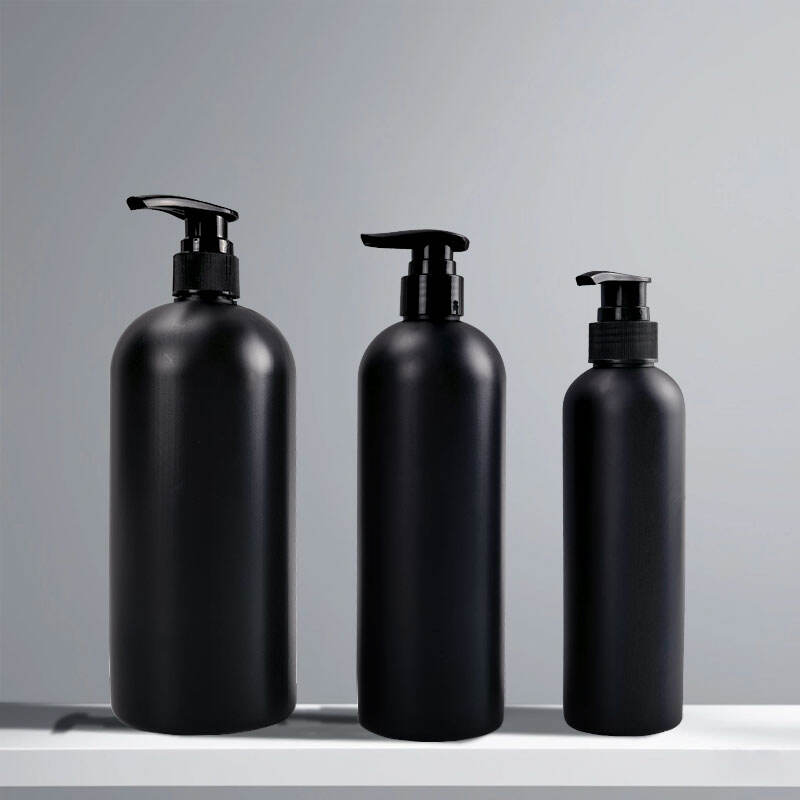
The dispensing system integrated into a shampoo bottle represents a critical functionality touchpoint that directly impacts user satisfaction and product efficiency. Pump mechanisms offer controlled dosing that reduces waste and provides a premium tactile experience, while flip-top caps enable one-handed operation in shower environments. Disc-top closures balance accessibility with security against leakage. The choice of dispensing system must align with product viscosity, target user preferences, and usage contexts to ensure seamless daily interactions that reinforce brand reliability.
Innovation in dispensing technology creates opportunities for brands to differentiate through enhanced functionality. Airless pump systems preserve formulation integrity by preventing oxidation and contamination, appealing to consumers seeking maximum efficacy from active ingredients. Measured-dose dispensers communicate value and cost-effectiveness by helping users avoid overpouring. These functional enhancements transform the shampoo bottle from passive container to active value-delivery system, creating competitive advantages that justify premium positioning and build customer loyalty through superior user experience.
Ergonomics and Handling Considerations
A shampoo bottle designed with ergonomic principles enhances usability in wet, slippery bathroom conditions where grip security becomes paramount. Contoured shapes that fit naturally in the hand, textured grip zones, and balanced weight distribution prevent drops and fumbling that frustrate users. Bottle profiles that stand securely on shower ledges or tub edges reduce tipping accidents and product waste. These seemingly minor design considerations accumulate into significant user satisfaction differences that influence repurchase decisions and brand recommendations.
Size and proportion decisions for your shampoo bottle must account for both practical storage constraints and perceived value. Oversized bottles suggest economy and value for money, appealing to family households and cost-conscious consumers. Compact designs fit travel needs and small-space living situations. Mid-range sizes balance value perception with manageable handling for diverse user groups. Strategic sizing across product lines allows brands to serve multiple market segments while maintaining design consistency that reinforces brand recognition across contexts.
Information Architecture and Label Design
The surface of a shampoo bottle serves as prime real estate for communicating brand story, product benefits, and usage instructions. Effective information hierarchy ensures critical messages reach consumers quickly while secondary details remain accessible for interested buyers. Primary brand elements and key benefit claims should dominate the front panel, while ingredient lists, directions, and regulatory information occupy back and side panels. This strategic organization respects consumer attention patterns and shopping behavior, maximizing message impact during brief evaluation periods.
Typography, graphic elements, and information density must balance legibility with aesthetic appeal. Overly cluttered labels overwhelm shoppers and diminish premium positioning, while sparse designs may fail to communicate necessary product differentiation. The integration of labels with bottle structure through techniques such as in-mold labeling or shrink sleeves creates seamless visual presentations that enhance perceived quality. Brands must navigate regulatory requirements, marketing imperatives, and design excellence to create shampoo bottle graphics that inform, persuade, and reinforce brand identity simultaneously.
Strategic Brand Differentiation Through Bottle Design
Creating Memorable Visual Signatures
Distinctive shampoo bottle shapes function as three-dimensional trademarks that consumers recognize instantly, even from across a store aisle or in peripheral vision. Unique silhouettes, proprietary structural elements, and signature design features create ownable brand assets that competitors cannot easily replicate. These visual signatures reduce marketing costs over time as brand recognition becomes self-sustaining, requiring less advertising support to maintain market presence. The investment in custom mold development and distinctive design pays dividends through enhanced brand memorability and reduced consumer decision time at point of purchase.
Signature design elements extend beyond overall shape to include cap styles, closure mechanisms, and decorative features that become associated exclusively with your brand. A distinctive pump design, unique closure color, or proprietary surface treatment creates multiple recognition cues that reinforce brand identity through repeated exposure. These design signatures also provide talking points for word-of-mouth marketing as satisfied customers describe and recommend products using physical characteristics as reference points, amplifying brand awareness through organic consumer conversations.
Sustainability Messaging Through Material Choices
Modern consumers increasingly evaluate brands based on environmental responsibility, making sustainable shampoo bottle design a competitive differentiator rather than optional enhancement. The selection of recycled materials, use of mono-material construction for improved recyclability, and reduction of packaging weight all communicate environmental commitment that resonates with eco-conscious shoppers. Transparent communication about sustainable design choices through on-pack messaging or structural cues such as visible recycled content reinforces brand values and builds trust with consumers who prioritize environmental impact in purchase decisions.
Innovative approaches to sustainable bottle design create market differentiation while addressing environmental concerns. Refillable shampoo bottle systems reduce single-use packaging waste and create ongoing customer relationships through repurchase of concentrate refills. Bottles designed for easy disassembly facilitate recycling by enabling separation of different material components. Lightweight designs reduce transportation emissions and material consumption without compromising functionality. These sustainability-focused design strategies position brands as industry leaders while generating cost savings through material efficiency and appealing to growing consumer segments that make purchasing decisions based on environmental criteria.
Premium Positioning Through Design Details
Luxury hair care brands utilize shampoo bottle design as a primary tool for communicating premium positioning and justifying elevated price points. Heavy-wall construction, metallic finishes, sophisticated color palettes, and refined typography all signal quality and exclusivity. Attention to finishing details such as seamless label application, precision printing, and flawless surface treatments demonstrates manufacturing excellence that consumers associate with product superiority. These premium design cues create psychological value that enhances user satisfaction and reinforces purchase justification for consumers investing in high-end personal care products.
The unboxing experience extended to bathroom storage creates additional premium touchpoints that traditional shampoo bottle design often overlooks. Bottles designed as display-worthy objects that consumers want visible rather than hidden transform functional containers into decorative elements that enhance bathroom aesthetics. This elevation of packaging to lifestyle accessory status creates emotional connections and pride of ownership that transcend utilitarian product relationships, fostering brand loyalty that withstands competitive pressure and price sensitivity.
Market-Specific Design Considerations for Different Channels
Retail Shelf Optimization Strategies
Physical retail environments present unique challenges and opportunities for shampoo bottle design, as products must compete for attention in tightly packed shelf configurations. Height and width proportions affect shelf stability and display efficiency, with brands needing to balance visibility with space optimization. Bottle shapes that maximize front-facing surface area while maintaining reasonable depth create larger label canvases for brand messaging without consuming excessive shelf space. Understanding retailer preferences for stackability, case-pack efficiency, and planogram compatibility ensures your design receives favorable placement and adequate facing allocation.
The viewing angle from which consumers typically encounter products influences design decisions for retail channels. Bottles viewed primarily from eye level benefit from strong top-panel branding and vertical orientation of key messages. Products placed on lower shelves require design elements visible from above, such as distinctive cap colors or top-label graphics. Strategic use of transparency, windows, or cutouts allows shoppers to assess product color and texture, building confidence in purchase decisions. These retail-specific design optimizations enhance conversion rates by addressing actual shopping behaviors and environmental constraints within physical stores.
E-Commerce and Digital Presentation Requirements
Online shopping contexts demand shampoo bottle designs that photograph exceptionally well and communicate clearly through digital imagery. Clean lines, strong color contrasts, and distinctive shapes reproduce effectively in product photography, helping items stand out in grid-view search results. Design elements that create visual interest from multiple angles ensure attractive presentation across the various image slots that e-commerce platforms provide. The absence of physical interaction in digital shopping environments places greater emphasis on visual communication of quality, functionality, and brand personality through bottle design alone.
Size perception challenges in e-commerce require thoughtful design solutions that help consumers accurately understand product dimensions and capacity. Including scale references through design elements such as hand-friendly contours or standard pump sizes provides visual cues that translate through photography. Clear capacity markings and proportional design that suggests realistic sizing reduce post-purchase disappointment and return rates. Brands succeeding in digital channels optimize shampoo bottle designs for photographic reproduction while maintaining the physical functionality and aesthetic appeal necessary for in-person use once products arrive.
Professional and Hospitality Market Adaptations
Shampoo bottles designed for salon, spa, and hospitality applications face different functional and aesthetic requirements than retail consumer products. Larger format bottles with efficient dispensing systems suit high-volume professional use, while branded amenity bottles must communicate quality within compact footprints and budget constraints. Durability becomes paramount in commercial settings where products endure frequent handling and exposure to water and chemicals. Design solutions for professional markets must balance brand consistency with channel-specific functional needs, often requiring parallel product lines with adapted bottle designs that maintain visual family relationships while serving distinct use cases.
Institutional channels present opportunities for simplified shampoo bottle designs that prioritize functionality and cost efficiency while maintaining adequate brand presence. Bulk packaging systems, concentrated formulations requiring dilution, and standardized dispensing infrastructure influence design parameters in these markets. Brands serving multiple channels simultaneously must develop coherent design strategies that allow clear visual differentiation between consumer and professional products while preserving core brand identity elements that create recognition and trust across contexts. This multi-channel design approach maximizes brand equity investment by creating synergies between market segments rather than fragmenting brand identity across incompatible design systems.
Implementation Strategies for Effective Bottle Design Development
Collaborative Design Process and Stakeholder Alignment
Successful shampoo bottle design emerges from collaborative processes that integrate perspectives from marketing, product development, manufacturing, and supply chain teams. Early involvement of manufacturing partners ensures design concepts remain technically feasible and cost-effective while maximizing creative possibilities within production constraints. Marketing input grounds design decisions in consumer insights and competitive positioning strategies, while supply chain considerations address packaging logistics, storage efficiency, and distribution requirements. This cross-functional collaboration produces bottle designs that balance aesthetic ambitions with practical business realities, avoiding costly late-stage redesigns or compromised implementations.
Consumer testing throughout design development validates assumptions and reveals unexpected perceptions or usability issues before committing to production tooling. Focus groups, in-home use tests, and retail intercept studies provide qualitative insights into emotional responses and functional experiences with prototype designs. Quantitative research methodologies such as eye-tracking studies and shelf simulation tests measure visibility, attention capture, and purchase intent across design alternatives. This evidence-based approach to bottle design decisions reduces risk and increases confidence that final designs will perform as intended in real market conditions.
Prototyping and Testing Protocols
Physical prototyping allows brands to evaluate shampoo bottle designs through actual handling and use before expensive mold development. Three-dimensional printing technology enables rapid iteration of structural concepts, while sample bottles from contract manufacturers provide realistic assessment of materials, finishes, and dispensing systems. Functional testing protocols should simulate real-world conditions including repeated opening and closing cycles, drop tests, temperature extremes, and compatibility with formulation chemistry. Thorough prototype testing identifies potential failures, user experience issues, and manufacturing challenges that paper designs cannot reveal, protecting brand reputation and avoiding costly post-launch corrections.
Visual mockups and rendering technologies complement physical prototypes by enabling evaluation of graphic treatments, label designs, and color options without producing physical samples of every variation. Digital visualization tools allow rapid comparison of design alternatives and facilitate remote collaboration among distributed teams. However, final design decisions should always incorporate evaluation of physical samples, as digital renderings cannot fully replicate the tactile experiences, material qualities, and spatial presence that influence consumer perceptions of shampoo bottles in actual use contexts. Balancing digital efficiency with physical validation creates optimal design development workflows.
Manufacturing Partnership and Quality Assurance
Selecting manufacturing partners with appropriate technical capabilities, quality standards, and production capacities ensures your shampoo bottle design translates successfully from concept to market-ready product. Manufacturers specializing in personal care packaging bring category-specific expertise in material selection, decoration techniques, and regulatory compliance. Establishing clear quality specifications for dimensional tolerances, color matching, and functional performance protects brand standards throughout production. Regular quality audits and incoming inspection protocols verify that manufactured bottles consistently meet specifications, preventing substandard packaging from reaching consumers and damaging brand reputation.
Long-term manufacturing partnerships create opportunities for continuous improvement in bottle design and production efficiency. Collaborative relationships with packaging suppliers generate insights into emerging materials, innovative decoration technologies, and cost-reduction opportunities that maintain quality while improving margins. Joint development projects between brands and manufacturers can produce proprietary packaging solutions that create competitive advantages and strengthen business relationships. Treating packaging manufacturers as strategic partners rather than commodity suppliers elevates the quality and innovation potential of your shampoo bottle designs while building supply chain resilience.
FAQ
How does shampoo bottle design influence consumer purchasing decisions?
Shampoo bottle design influences purchasing decisions through multiple psychological and practical pathways. Visual appeal and shelf presence determine whether products receive initial consideration among competing options, while perceived quality signals communicated through materials, finishes, and structural design affect value judgments and price sensitivity. Functional design elements such as dispensing systems and ergonomic features impact user experience expectations that factor into purchase decisions, particularly for repeat buyers with prior category experience. Brand recognition facilitated by distinctive bottle designs reduces decision complexity and builds preference through familiarity. Collectively, these design influences can account for significant market share differences between functionally similar products, demonstrating the strategic importance of thoughtful bottle design in competitive markets.
What design elements make a shampoo bottle stand out on retail shelves?
Several design elements contribute to shelf standout for shampoo bottles in crowded retail environments. Distinctive shapes that break category norms while maintaining functional integrity create immediate visual differentiation. Bold, contrasting color palettes increase visibility and draw shopper attention, though color choices must align with brand positioning and product attributes. Transparent sections or windows that reveal product color and texture build confidence and create visual interest. Unique closure designs or pump mechanisms visible from the front serve as recognition cues and suggest functional benefits. Strategic use of premium finishes such as metallics, soft-touch coatings, or embossed textures creates tactile appeal and perceived quality elevation. The most effective designs combine multiple standout elements in cohesive systems that create strong brand recognition while communicating clear product benefits that resonate with target consumers.
Can sustainable materials compromise the premium appearance of shampoo bottles?
Sustainable materials need not compromise premium appearance when integrated thoughtfully into shampoo bottle design. Modern recycled plastics achieve quality levels nearly indistinguishable from virgin materials, enabling sophisticated finishes, precise molding, and attractive transparency. Some sustainable materials such as aluminum or glass inherently convey premium positioning while offering excellent recyclability. The key lies in selecting appropriate sustainable materials for specific design objectives and applying finishing techniques that enhance rather than diminish perceived quality. Visible integration of recycled content through natural color variations or transparent sections can actually enhance premium positioning by demonstrating environmental commitment that resonates with conscious consumers. Brands successfully combine sustainability with luxury positioning through strategic material selection, refined execution, and transparent communication about environmental benefits that add value rather than suggest compromise in quality or aesthetics.
What factors should brands consider when selecting bottle materials for different markets?
Material selection for shampoo bottles requires evaluation of multiple factors across technical performance, market positioning, and practical business considerations. Chemical compatibility with formulation ingredients prevents degradation or contamination that could compromise product quality. Barrier properties affect shelf life for formulations sensitive to oxygen or light exposure. Impact resistance and durability determine performance throughout distribution and consumer use cycles. Cost considerations must balance material expense against positioning objectives and competitive price points. Environmental factors including recyclability, carbon footprint, and consumer preferences for sustainable packaging increasingly influence material decisions. Regulatory requirements vary by market, with some regions restricting certain plastics or mandating minimum recycled content. Manufacturing capabilities and minimum order quantities affect material accessibility for brands at different production scales. Successful material selection integrates these diverse factors into decisions aligned with brand strategy, target market expectations, and operational realities.
Table of Contents
- The Psychology Behind Shampoo Bottle Design and Consumer Behavior
- Functional Design Elements That Drive Brand Success
- Strategic Brand Differentiation Through Bottle Design
- Market-Specific Design Considerations for Different Channels
- Implementation Strategies for Effective Bottle Design Development
-
FAQ
- How does shampoo bottle design influence consumer purchasing decisions?
- What design elements make a shampoo bottle stand out on retail shelves?
- Can sustainable materials compromise the premium appearance of shampoo bottles?
- What factors should brands consider when selecting bottle materials for different markets?