
 EN
EN
Promotional giveaways remain one of the most effective tools for building brand awareness and customer loyalty in competitive markets. Among the many product options available, squeeze bottles have emerged as a versatile and highly functional choice that combines everyday utility with extensive branding opportunities. Whether you're planning a trade show campaign, a restaurant opening, or a retail promotion, understanding how to personalize squeeze bottles effectively can transform these simple containers into powerful marketing assets that keep your brand visible long after the initial distribution.
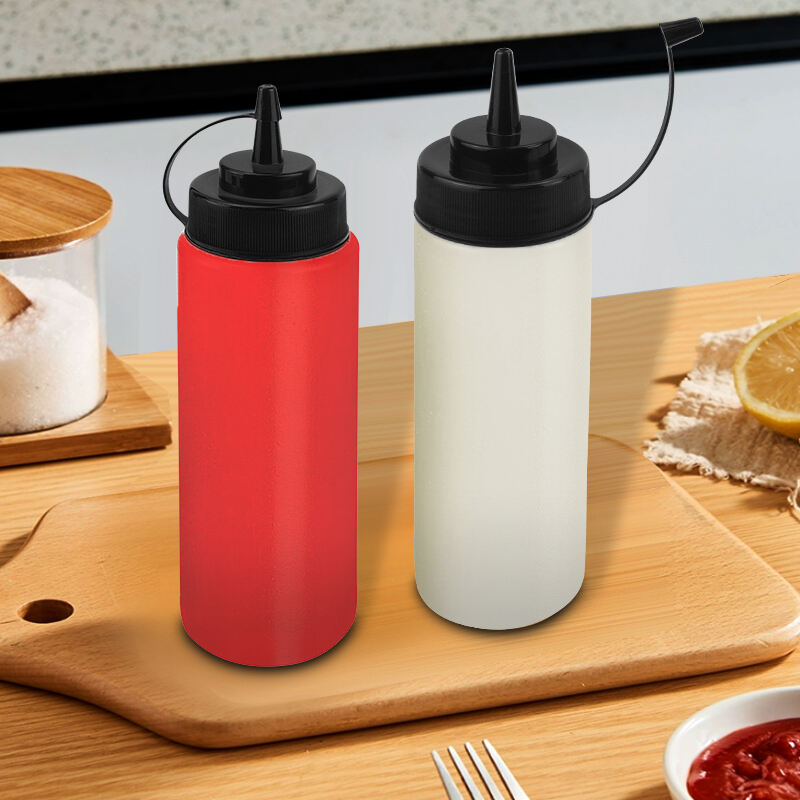
The process of personalizing squeeze bottles for promotional purposes involves strategic decisions across design, printing methods, material selection, and distribution planning. Unlike generic promotional items that may end up forgotten in drawers, customized squeeze bottles serve practical functions in kitchens, restaurants, food trucks, barbecue gatherings, and countless other settings where condiments and sauces are dispensed. This functional longevity ensures repeated brand exposure, making the initial investment in personalization highly cost-effective. The key lies in understanding the technical possibilities, design principles, and practical considerations that turn standard squeeze bottles into memorable brand ambassadors.
Understanding Material Options and Their Impact on Personalization
Selecting the Right Plastic Material for Your Brand Message
The foundation of effective squeeze bottle personalization begins with material selection, as different plastics accept printing and customization techniques with varying degrees of success. Low-density polyethylene, commonly referred to as LDPE, represents the most popular choice for squeeze bottles due to its excellent flexibility, squeeze-ability, and chemical resistance. This material provides a smooth surface that accepts multiple printing methods while maintaining the tactile qualities that make squeeze bottles functional. LDPE squeeze bottles can withstand repeated squeezing without cracking or losing shape, ensuring that your branded message remains visible throughout the product's extended lifespan.
High-density polyethylene offers a firmer structure with slightly different printing characteristics that may suit certain branding approaches. The stiffer nature of HDPE creates a more rigid container that holds its shape more consistently, which can be advantageous for designs requiring precise graphic alignment. When personalizing squeeze bottles, understanding how your chosen material interacts with inks, labels, and other customization methods directly influences the final appearance and durability of your promotional items. The material's natural translucency or opacity also affects design decisions, as transparent squeeze bottles allow for creative layering effects while opaque versions provide solid backgrounds for bold graphics.
Capacity Considerations for Different Promotional Contexts
The volume capacity of your personalized squeeze bottles should align with your target audience's typical usage patterns and the promotional context in which they'll be distributed. Standard capacities ranging from eight ounces to thirty-four ounces serve different purposes, with smaller bottles working well for individual condiment portions at events while larger capacities suit household or commercial kitchen applications. When planning your personalization strategy, consider that larger squeeze bottles offer more surface area for branding elements, allowing for more detailed graphics, comprehensive product information, or multiple design elements that reinforce your message from various viewing angles.
The relationship between bottle capacity and perceived value significantly impacts promotional effectiveness. Recipients generally assign higher value to larger, more substantial squeeze bottles, which can justify more elaborate personalization investments for high-value customer segments or premium promotional campaigns. However, distribution logistics, shipping costs, and storage considerations may favor smaller capacities for large-scale giveaway programs. Balancing these practical factors with branding goals requires careful analysis of your specific promotional objectives, target audience preferences, and budget constraints to determine the optimal capacity that maximizes both utility and brand impression.
Design Strategies for Maximum Brand Impact
Creating Visually Compelling Graphics That Enhance Functionality
Effective personalization of squeeze bottles requires design thinking that balances aesthetic appeal with functional clarity. Your graphic design should immediately communicate brand identity while respecting the practical purpose of these containers as food service tools. Color psychology plays a crucial role, with vibrant hues attracting attention on crowded tables or shelves while maintaining appetite appeal for food-related applications. The curved surface of squeeze bottles presents unique design challenges, requiring graphics that work cohesively across three-dimensional contours rather than flat planes, which means your design team must consider how images and text wrap around the bottle's cylindrical form.
Strategic placement of design elements ensures visibility during actual use scenarios. Positioning your logo and primary message on the front-facing panel guarantees maximum exposure when the bottle sits on a table or counter, while secondary information can wrap around sides for discovery during handling. When personalizing squeeze bottles, many brands overlook the cap area, which presents additional branding opportunities through color coordination, embossing, or printed messaging that remains visible even when bottles are stored in crowded refrigerators or condiment caddies. The integration of functional elements like fill level indicators or content identification zones within your overall design enhances utility while reinforcing professional quality.
Typography and Messaging Optimization for Promotional Success
Text elements on personalized squeeze bottles must balance readability with creative expression, ensuring that essential information remains legible despite the container's curvature and typical viewing distances. Font selection should prioritize clarity for primary messages like brand names and contact information, while allowing more stylistic freedom for taglines or decorative elements. The physical constraints of squeeze bottles mean that text must be sized appropriately for the available surface area, with minimum character heights ensuring readability from typical arm's length distances where condiment bottles are commonly viewed and used.
Messaging hierarchy guides viewer attention through intentional text sizing, weight variation, and positioning strategies. Your brand name deserves prominent placement and sizing, while supporting messages like websites, social media handles, or promotional slogans can occupy secondary positions without competing for visual dominance. When personalizing squeeze bottles for specific campaigns, incorporating time-sensitive messaging or event-specific references creates urgency and relevance, though this approach requires careful inventory planning to avoid obsolete promotional materials. The most successful personalized squeeze bottles employ concise, memorable messaging that communicates brand essence without overwhelming the design with excessive text that diminishes visual impact and functional clarity.
Customization Techniques and Production Methods
Screen Printing for Durable and Cost-Effective Branding
Screen printing remains the most widely adopted method for personalizing squeeze bottles due to its excellent durability, vibrant color reproduction, and favorable economics at moderate to high production volumes. This technique involves pressing ink through fine mesh screens onto the bottle surface, creating bold, opaque graphics that resist fading, scratching, and washing throughout extended use. The process accommodates multiple colors through sequential printing passes, though each additional color increases setup costs and production complexity, making simplified designs more economical for large promotional runs where budget efficiency matters as much as visual impact.
The permanence of screen-printed designs ensures that your branding remains intact despite the harsh conditions squeeze bottles often endure, including refrigeration, moisture exposure, repeated handling, and cleaning. This durability directly translates to extended promotional value, as bottles continue advertising your brand months or even years after initial distribution. When personalizing squeeze bottles through screen printing, design optimization focuses on bold shapes, solid color fields, and clear text rather than photographic detail or subtle gradients, which better suit alternative customization methods. Minimum order quantities typically range from several hundred to several thousand units, making this approach ideal for established promotional campaigns with predictable distribution volumes.
Digital Printing and Label Application for Design Flexibility
Digital printing technologies and adhesive label applications provide alternatives that excel in scenarios requiring photographic quality, complex color gradients, or smaller production quantities where screen printing setup costs become prohibitive. Direct digital printing onto squeeze bottles enables full-color designs without the per-color cost structure of traditional screen printing, though surface preparation and ink adhesion present technical considerations that affect long-term durability. This method suits premium promotional campaigns where sophisticated imagery, personalization with recipient names, or variable data printing justify the typically higher per-unit costs compared to screen printing for equivalent volumes.
Adhesive labels offer another personalization pathway with distinct advantages for short runs, design testing, or situations requiring rapid production turnaround. High-quality pressure-sensitive labels can be designed with sophisticated graphics, applied efficiently to squeeze bottles, and protected with lamination layers that enhance moisture resistance and durability. This approach provides flexibility for seasonal designs, limited-edition promotions, or A/B testing different creative approaches before committing to larger production runs with more permanent customization methods. The label edges and potential for peeling under harsh conditions represent considerations that require quality material selection and proper application techniques to ensure promotional longevity comparable to directly printed squeeze bottles.
Embossing, Debossing, and Structural Customization Options
Beyond surface graphics, three-dimensional customization techniques add tactile distinction that elevates perceived value and brand memorability. Embossing creates raised design elements on squeeze bottles through mold modifications during the manufacturing process, resulting in permanent, integral branding that cannot wear off or separate from the container. This technique works particularly well for logos, brand names, or decorative patterns that benefit from dimensional presence, creating subtle sophistication that distinguishes premium promotional items from standard printed alternatives. The tooling investment for embossed designs requires higher minimum order quantities but delivers unmatched permanence for ongoing promotional programs.
Custom bottle shapes and structural modifications represent the ultimate personalization approach for brands seeking maximum differentiation in their promotional giveaways. Proprietary bottle designs, unique cap configurations, or distinctive ergonomic features transform squeeze bottles from generic containers into signature brand assets instantly recognizable without relying solely on applied graphics. While custom molding requires substantial investment and extended lead times, the resulting promotional items achieve brand differentiation impossible through surface treatments alone. This approach suits established brands with consistent, long-term promotional needs where the amortized tooling costs across large volumes justify the premium investment in truly distinctive squeeze bottles that function as conversation starters and brand ambassadors.
Strategic Planning for Promotional Distribution
Audience Targeting and Personalization Alignment
Successful promotional campaigns using personalized squeeze bottles begin with clear audience definition that informs every subsequent design and distribution decision. Restaurant and food service operators represent obvious target audiences who immediately recognize the utility of quality squeeze bottles for condiment service, sauce dispensing, or ingredient portioning. For these professional users, personalization should emphasize durability, food safety compliance, and functional features alongside branding elements that acknowledge their business context. Conversely, consumer-focused campaigns targeting home cooks, barbecue enthusiasts, or craft food makers benefit from designs emphasizing lifestyle alignment, recipe inspiration, or creative applications that resonate with personal cooking passions.
The personalization approach should reflect your target audience's values and preferences, with sustainable materials and eco-friendly messaging resonating with environmentally conscious recipients while premium finishes and sophisticated designs appeal to quality-focused demographics. When personalizing squeeze bottles for B2B promotional contexts, including practical information like reorder contacts, product specifications, or customer service channels transforms these items from mere giveaways into functional business tools that facilitate ongoing commercial relationships. Understanding whether recipients will use these bottles primarily for brand recall, functional utility, or both influences design prioritization and helps optimize the balance between promotional messaging and practical usability.
Distribution Channels and Packaging Considerations
The method and context of distribution significantly impact how you should personalize squeeze bottles to maximize promotional effectiveness. Trade show giveaways benefit from attention-grabbing designs that stand out in crowded exhibition halls, often incorporating bold colors, oversized logos, and immediate value propositions that convince recipients to carry these items through the venue despite limited bag space. Retail promotions or purchase incentives allow for more sophisticated packaging presentations, where personalized squeeze bottles arrive in branded boxes or display-ready configurations that enhance perceived value and create gifting opportunities that extend your promotional reach beyond direct recipients.
Direct mail campaigns require packaging solutions that protect squeeze bottles during shipping while presenting them attractively upon arrival, as the unboxing experience influences recipient perception and retention decisions. When personalizing squeeze bottles for such applications, consider including usage instructions, recipe cards, or brand story materials that provide context and encourage immediate engagement rather than storage or disposal. Event-specific distributions at festivals, sports venues, or community gatherings benefit from designs incorporating event branding alongside your company identity, creating commemorative value that increases retention while associating your brand with positive experiences. Each distribution channel presents unique opportunities and constraints that should inform your personalization strategy for optimal promotional impact.
Budget Optimization and Quality Control
Cost Structure Analysis for Personalized Squeeze Bottle Campaigns
Understanding the complete cost structure of personalizing squeeze bottles enables accurate budgeting and informed decisions about customization levels appropriate for your promotional objectives. Base unit costs vary significantly based on bottle capacity, material grade, and structural features, with basic models available at highly competitive prices while premium options with enhanced features commanding higher per-unit investments. Customization costs layer atop base pricing through setup fees, printing charges, additional color costs, and complexity premiums for sophisticated designs or advanced techniques like embossing or custom molding that require specialized tooling.
Volume discounts substantially impact per-unit economics, with larger production runs distributing fixed setup costs across more units while also qualifying for bulk material pricing and production efficiencies. This volume sensitivity creates a strategic tension between order size optimization and inventory risk, particularly for designs incorporating time-sensitive messaging or event-specific branding that limits reusability. When budgeting for personalized squeeze bottles, include ancillary costs like packaging, shipping, warehousing, and distribution logistics that significantly affect total promotional campaign expenditures beyond the customized bottles themselves. Comparing total cost per impression or cost per retained item rather than simple unit costs provides more accurate ROI assessment for promotional investments.
Quality Assurance and Supplier Selection Criteria
Ensuring consistent quality in personalized squeeze bottles requires rigorous supplier evaluation and clear specification communication throughout the production process. Material quality directly affects both functionality and brand perception, with substandard plastics resulting in bottles that crack under normal use, leak due to poor sealing, or emit unpleasant odors that contaminate contents and reflect negatively on your brand. Print quality assessment should examine color accuracy, registration precision, adhesion durability, and resistance to common degradation factors like UV exposure, moisture, and physical abrasion that squeeze bottles encounter during typical use.
Establishing sample approval processes before committing to full production runs protects against costly errors and ensures final products meet expectations for both aesthetic quality and functional performance. Request pre-production samples that undergo realistic use testing, including filling with appropriate contents, refrigeration cycles, repeated squeezing, and cleaning procedures that simulate actual application conditions. When personalizing squeeze bottles at scale, implement receiving inspection protocols that verify order accuracy, detect manufacturing defects, and confirm personalization quality across production batches. Building relationships with reliable suppliers who understand food-safe material requirements, maintain consistent production standards, and communicate proactively about potential issues creates the foundation for successful promotional campaigns that enhance rather than damage brand reputation.
FAQ
What minimum order quantity should I expect when personalizing squeeze bottles for promotional use?
Minimum order quantities vary significantly based on customization method and supplier capabilities, typically ranging from 250 to 1000 units for screen-printed squeeze bottles. Digital printing and label applications sometimes accommodate smaller runs starting around 100 units, though per-unit costs increase substantially at lower volumes. Custom molding or embossing requires much higher minimums, often 5000 units or more, due to tooling investments. When planning promotional campaigns, balance minimum order requirements against realistic distribution timelines and storage capabilities to avoid excess inventory while achieving favorable pricing through adequate volume commitments.
How long does the personalization process typically take from design approval to delivery?
Production timelines for personalized squeeze bottles generally span three to six weeks from final design approval through delivery, depending on customization complexity, order volume, and supplier capacity. Simple screen-printed designs on standard bottle styles represent the faster end of this range, while custom colors, multiple printing locations, or specialized techniques extend timelines. International manufacturing adds shipping duration, customs clearance, and potential delays that require buffer time in campaign planning. Rush production may be available at premium pricing for urgent promotional needs, though quality assurance should not be compromised to meet aggressive deadlines that risk defective products damaging brand reputation.
Can personalized squeeze bottles be made food-safe for direct product filling?
Yes, squeeze bottles can be manufactured and personalized using food-grade materials and inks that comply with relevant safety regulations for direct food contact applications. Specify food-safe requirements clearly when ordering, as not all standard squeeze bottles and printing methods meet these standards without specific material and process selections. FDA-compliant LDPE or HDPE materials combined with approved food-safe inks ensure that personalized bottles safely contain condiments, sauces, or other food products without contamination or chemical migration concerns. Request certificates of compliance and material safety documentation from suppliers to verify food-safe status before filling personalized squeeze bottles with products intended for consumption.
What design file formats work best for squeeze bottle personalization projects?
Vector format files, particularly Adobe Illustrator AI files or EPS formats, provide optimal quality for squeeze bottle personalization as they scale without resolution loss and maintain precise line definitions essential for clean printing. High-resolution PDF files with embedded fonts and outlined text also work well for most printing methods. Avoid raster formats like JPEG or PNG for primary design elements, though these may be acceptable for photographic components in digital printing applications when provided at sufficient resolution, typically 300 DPI or higher at actual print size. Include color specifications using Pantone matching system references for screen printing to ensure accurate color reproduction, and provide designs with appropriate bleed and safety margins accounting for bottle curvature and printing limitations.
Table of Contents
- Understanding Material Options and Their Impact on Personalization
- Design Strategies for Maximum Brand Impact
- Customization Techniques and Production Methods
- Strategic Planning for Promotional Distribution
- Budget Optimization and Quality Control
-
FAQ
- What minimum order quantity should I expect when personalizing squeeze bottles for promotional use?
- How long does the personalization process typically take from design approval to delivery?
- Can personalized squeeze bottles be made food-safe for direct product filling?
- What design file formats work best for squeeze bottle personalization projects?