 EN
EN
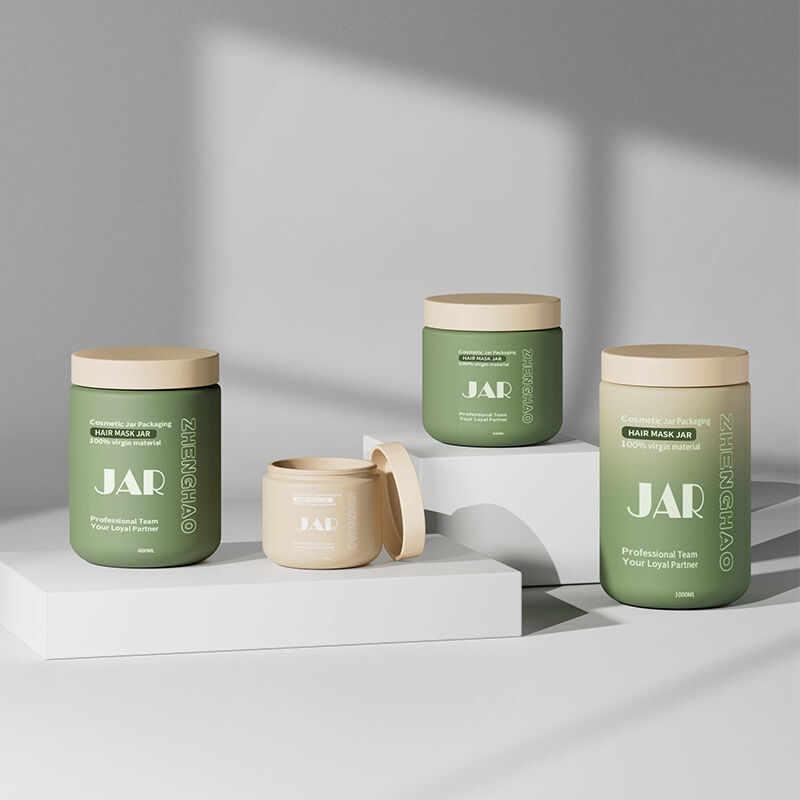
When it comes to cream jars packaging, the plastic material you choose isn’t just about looks—it directly affects how well your skincare products hold up, how safe they are for users, and even how customers perceive your brand. Two of the most common options for cosmetic cream jars are HDPE (High-Density Polyethylene) and PET (Polyethylene Terephthalate). But why do some face cream jars use PET while body cream jars often lean into HDPE? And which is better for travel cream jars or mini cream jars? Let's break down the key differences, real-world impacts, and how to pick the right one for your skincare line.
The Basics of HDPE and PET
Let’s start simple. Both HDPE and PET are food-grade, BPA-free plastics safe for skincare—but their molecular structures make them behave very differently.
HDPE is a sturdy, opaque plastic with a slightly "matte" finish. Think of the thick, unbreakable jars you see for body butter or hand cream: that’s likely HDPE. It’s flexible but tough, resistant to dents and drops, and doesn’t let air or moisture seep through easily.
PET, on the other hand, is clear (or can be tinted) and has a smoother, more "premium" feel. Clear pet jars are everywhere in high-end face cream jars—they let customers see the product’s texture, color, or swirl designs. PET is stiffer than HDPE, which makes it great for sleek, structured cosmetic cream jars, but it’s a bit more brittle if dropped. 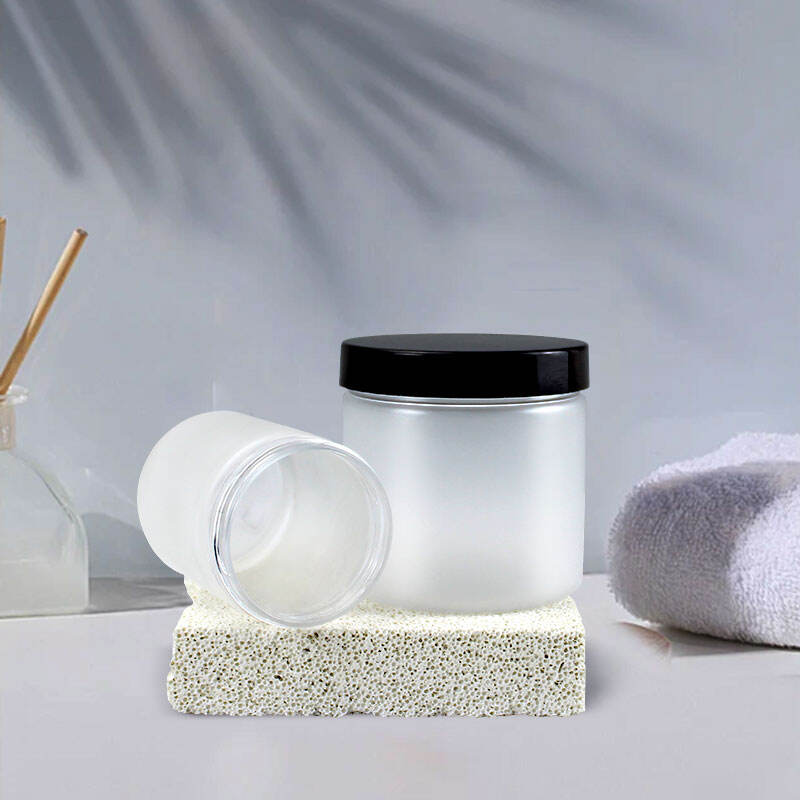
The biggest takeaway here: HDPE is all about protection and durability, while PET shines for visibility and aesthetics. But how does that translate to actual skincare use?
How Material Choice Protects Your Skincare Formula?
Skincare products are delicate—think vitamin C serums, retinol creams, or essential oil-infused body lotions. These formulas break down when exposed to oxygen, moisture, or UV light, which is where HDPE and PET’s differences matter most.
HDPE is a "barrier plastic." Its tight molecular structure locks out oxygen and moisture, keeping formulas fresh for longer. This makes it perfect for body cream jars, hand cream jars, or any product with active ingredients (like hyaluronic acid or peptides) that need to stay potent. For example, a jar of thick body butter stored in a bathroom (where humidity is high) will last months in HDPE, but might turn grainy in PET because PET lets small amounts of moisture seep in.
PET is not as good a barrier—but it’s clear, which is a trade-off many brands accept for face cream jars. If your product is a tinted moisturizer or a luminous face cream, customers want to see what they’re buying. The catch? PET doesn’t block UV light, so clear pet jars need to be paired with UV-protective lids (we’ll talk about that later) or used for formulas that are less sensitive to light (like simple moisturizers or facial cleansers).
Another key point: HDPE is resistant to oils and alcohols, while PET can be damaged by harsh solvents. If your skincare product contains high concentrations of essential oils (think citrus-infused hand cream) or alcohol, HDPE is the safer choice. PET might crack or warp over time, leading to leaks or contamination.
User Experience: Which Plastic Feels Better to Use?
Skincare isn’t just about efficacy—it’s about how the product feels in your hands. HDPE and PET offer very different user experiences, which should align with your product’s use case.
HDPE’s flexibility makes it easy to squeeze or scoop from. Wide mouth hdpe jars are a favorite for body cream jars and hand cream jars because you can get every last bit of product out without digging with a spoon. It’s also shatterproof, which is a game-changer for travel cream jars or mini cream jars. Imagine tossing a mini cream jar in your gym bag—HDPE won’t crack if it gets bumped around, while PET might chip or break.
PET is stiffer, which gives cosmetic cream jars a more "luxurious" feel. A sleek face cream jar made from PET feels weightier and more premium than a flexible HDPE jar, which is why it’s popular for high-end skincare lines. PET also holds its shape better, so you can create intricate designs (like embossed logos or curved edges) that HDPE can’t handle. The downside? PET jars are harder to squeeze, so they’re better for thinner formulas (like light moisturizers) than thick body butters.
For travel jars for creams, the choice is clear: HDPE is more durable, while PET is better if you want your travel-sized product to match your full-sized clear face cream jar. Mini cream jars made from HDPE are also lighter, which is a plus for luggage or carry-ons.
Safety: Are Both Plastics Truly Safe for Skincare?
Let’s address the elephant in the room: plastic safety. Both HDPE and PET are FDA-approved for food and skincare use, but only if they’re made from high-quality, food-grade resin. Cheap plastics (even if labeled HDPE or PET) can leach chemicals into your product, which is why choosing a reputable manufacturer matters.
HDPE is often considered the "safer" option for long-term use because it doesn’t contain phthalates or other harmful additives. It’s also heat-resistant (up to 120°F/49°C), so you don’t have to worry about it warping if stored near a window or in a warm bathroom. 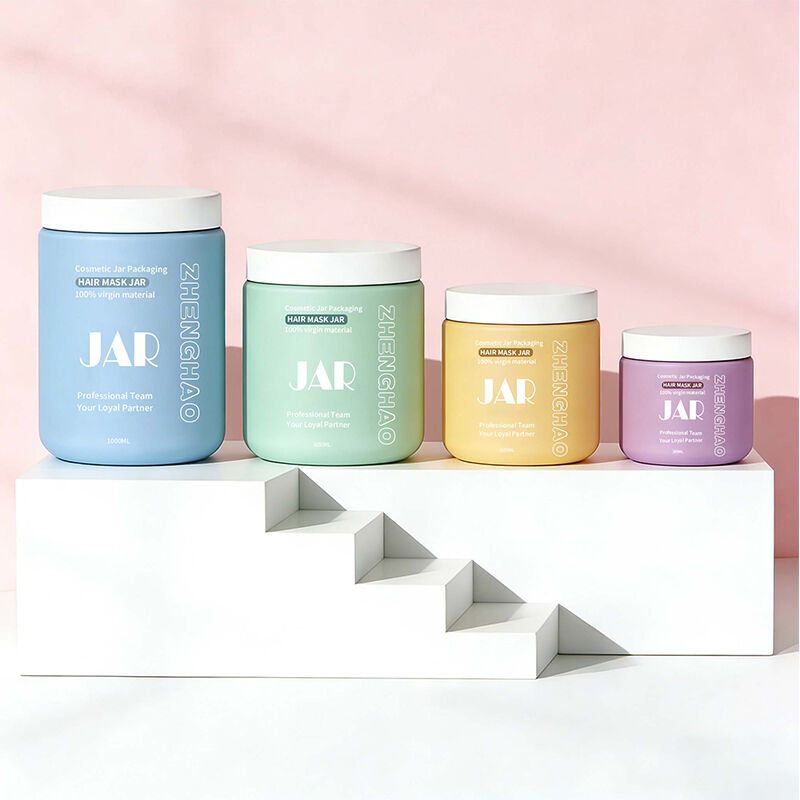
PET is also safe, but it’s important to note that it’s not heat-resistant. A PET face cream jar left in direct sunlight can warp, which weakens the plastic and increases the risk of microplastics shedding into the formula. This is why we always recommend avoiding PET for products that might be stored in warm places (like a car or a sunny vanity).
Our Factory’s Custom Solutions: Matching Material to Your Needs
As a manufacturer specializing in custom plastic jars—from cosmetic cream jars to pharmaceutical containers—we don’t just "make jars"—we help you pick the right material for your product’s unique needs. Here’s how we turn the HDPE vs. PET insights above into tangible solutions:
Material Expertise: We’ll advise you on whether HDPE or PET is best for your formula. For example, if you’re launching a vitamin C face cream, we’ll recommend HDPE to protect the active ingredients. If you want a clear, premium-looking body cream jar, we’ll suggest PET with a UV-protective lid to keep the formula safe.
Custom Sizes & Designs: We offer everything from mini cream jars (10ml) to large 16oz body cosmetic jars, in both HDPE and PET. For wide mouth hdpe jars, we can adjust the opening size to make scooping easier. For pet plastic jars with lids, we offer airtight seal designs that PET’s barrier weaknesses, keeping formulas fresh longer.
Branding Flexibility: Want personalized cosmetic plastic jars? We can add embossed logos, custom colors, or matte finishes to HDPE jars, or clear/pigmented options for PET. Our pet mason jars are a popular choice for artisanal skincare lines, combining PET’s clarity with a vintage design.
Safety First: All our plastic jars—whether HDPE or PET—are made from food-grade, BPA-free resin and tested to meet global skincare packaging standards. We never cut corners on material quality, so you can trust that your cream jars packaging is safe for users.
At the end of the day, there’s no "better" material—only the right one for your product. HDPE is ideal for durable, protective, and travel-friendly cream jars, while PET shines for premium, visible plastic cream jars. Our job is to help you bridge that gap, creating custom plastic jars that look great, perform well, and keep your skincare formulas safe.
Whether you need travel cream jars that can withstand airport luggage, wide mouth hdpe jars for thick body butters, or clear pet jars for high-end face creams, we’ve got the expertise to bring your vision to life—without compromising on safety or quality.