
 EN
EN
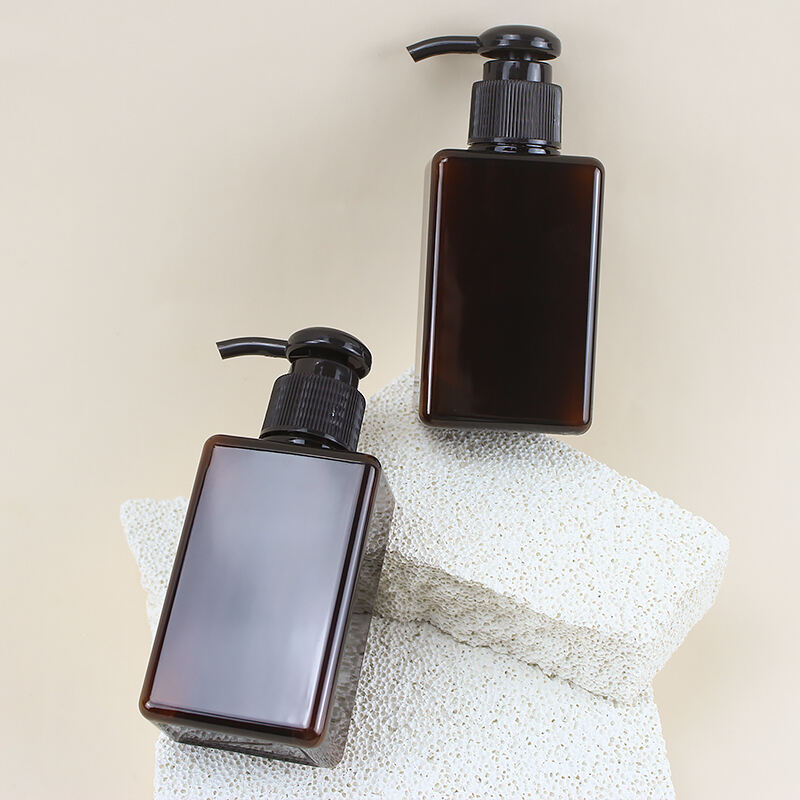
The global shift toward sustainable packaging solutions has sparked intense interest in refillable packaging systems, and plastic soap bottles have emerged as an unexpected champion in this environmental movement. While traditional packaging models rely on single-use containers that contribute to mounting waste streams, plastic soap bottles offer a compelling combination of durability, functionality, and environmental responsibility that makes them ideally suited for refillable packaging applications across commercial and consumer markets.
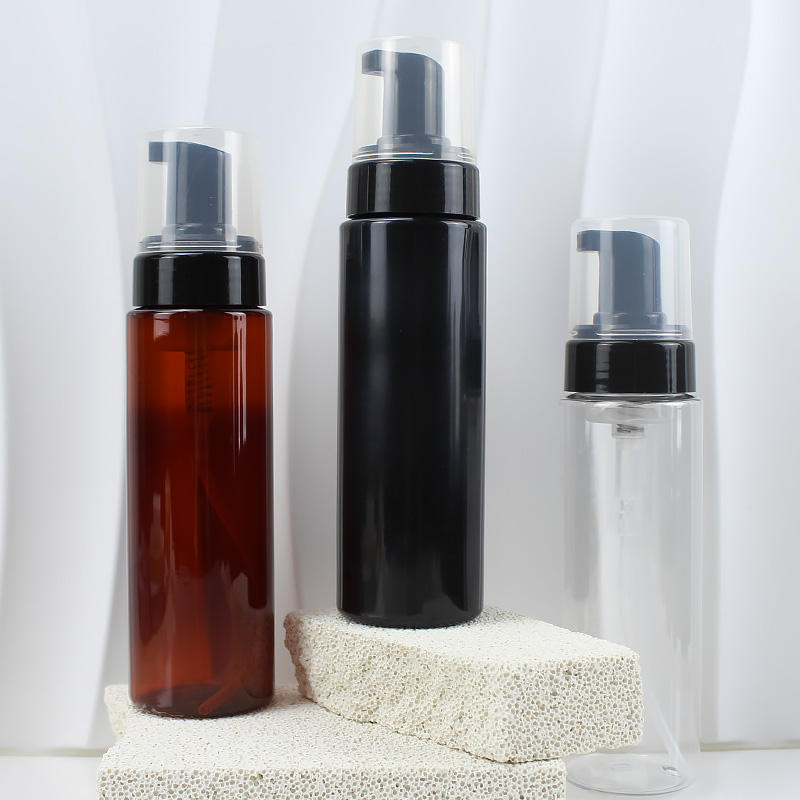
Understanding why plastic soap bottles excel in refillable packaging requires examining the unique intersection of material properties, design flexibility, and economic viability that these containers provide. Unlike glass or metal alternatives, plastic soap bottles deliver the perfect balance of structural integrity and user convenience while maintaining the chemical compatibility necessary for repeated use cycles. This combination creates a compelling value proposition for businesses and consumers seeking sustainable packaging solutions without compromising on functionality or cost-effectiveness.
Material Advantages Drive Refillable Success
Chemical Resistance Ensures Product Integrity
The chemical resistance properties of modern plastic soap bottles make them exceptionally well-suited for refillable packaging applications. High-quality plastic formulations used in soap bottle manufacturing, particularly PET and HDPE materials, demonstrate excellent compatibility with various soap formulations, detergents, and cleaning solutions. This chemical stability prevents degradation of both the container and its contents over multiple refill cycles, ensuring consistent product quality and safety standards.
Unlike some packaging materials that may react with alkaline soap formulations or develop micro-cracks from repeated chemical exposure, properly engineered plastic soap bottles maintain their structural integrity and barrier properties throughout extended use periods. This reliability becomes crucial for commercial refillable packaging programs where container failure could result in product loss, contamination concerns, or customer dissatisfaction.
The non-reactive nature of quality plastic soap bottles also eliminates concerns about metallic taste transfer or glass contamination risks that can affect product perception and user experience. This chemical neutrality allows manufacturers to focus on product formulation without worrying about container interactions that might compromise quality or shelf life during repeated refill cycles.
Structural Durability Withstands Repeated Use
The inherent durability of plastic soap bottles provides a fundamental advantage for refillable packaging systems that must withstand numerous handling, cleaning, and refilling cycles. Modern plastic manufacturing techniques create containers with consistent wall thickness and stress distribution that resist cracking, splitting, or deformation under normal use conditions. This structural reliability becomes essential when containers must maintain their integrity through multiple refill cycles spanning months or years of continuous use.
Impact resistance represents another critical durability factor that makes plastic soap bottles ideal for refillable applications. Unlike fragile glass containers that may shatter during transport, cleaning, or handling, plastic soap bottles absorb impact energy without catastrophic failure. This resilience reduces replacement costs and safety concerns while supporting the economic viability of refillable packaging programs.
Fatigue resistance in plastic soap bottles ensures that repeated stress from pump mechanisms, squeeze dispensing, or handling operations does not lead to premature failure. Quality plastic formulations maintain their flexibility and strength characteristics through numerous stress cycles, supporting long-term refillable packaging applications without degradation in performance or appearance.
Design Flexibility Enables Optimal User Experience
Ergonomic Features Support Convenient Handling
The design flexibility inherent in plastic soap bottle manufacturing allows for ergonomic features that significantly enhance the user experience in refillable packaging applications. Molded grip areas, contoured surfaces, and optimized weight distribution create containers that remain comfortable and safe to handle throughout their extended lifecycle. This ergonomic consideration becomes particularly important for commercial refillable programs where ease of use directly impacts adoption rates and customer satisfaction.
Customizable neck designs and closure systems in plastic soap bottles enable seamless integration with various dispensing mechanisms, from pump systems to flip-top caps and pour spouts. This adaptability allows manufacturers to optimize the dispensing experience for specific applications while maintaining compatibility with existing refillable infrastructure and equipment.
The lightweight nature of plastic soap bottles reduces shipping costs and handling fatigue compared to heavier alternatives, making them more practical for both commercial and consumer refillable packaging applications. This weight advantage becomes multiplied across large-scale refillable programs where transportation efficiency and user convenience directly impact program success and sustainability metrics.
Visual Appeal Maintains Brand Identity
Modern plastic soap bottles offer extensive customization options that allow brands to maintain visual identity and market differentiation throughout refillable packaging programs. Advanced decoration techniques including in-mold labeling, silk screening, and digital printing enable vibrant graphics, clear product information, and distinctive branding that withstands repeated cleaning and handling cycles.
Color customization in plastic soap bottles provides another avenue for brand expression and product differentiation within refillable packaging systems. Unlike limited color options in glass or metal containers, plastic manufacturing processes enable virtually unlimited color possibilities, including transparent, translucent, and opaque formulations that serve both functional and aesthetic purposes.
The ability to incorporate functional design elements like measurement markings, fill level indicators, or instructional graphics directly into plastic soap bottles enhances user experience while maintaining professional appearance throughout the refillable packaging lifecycle. These integrated features eliminate the need for separate labels or accessories that might deteriorate during repeated use cycles.
Economic Benefits Support Sustainable Business Models
Cost-Effective Manufacturing Enables Scalable Programs
The manufacturing economics of plastic soap bottles create compelling advantages for businesses implementing refillable packaging programs. Injection molding and blow molding processes achieve high production volumes at relatively low per-unit costs, making it economically feasible to invest in higher-quality containers designed for extended use cycles. This cost structure supports the initial investment required for refillable packaging programs while maintaining acceptable margins throughout the product lifecycle.
Tooling flexibility in plastic soap bottle manufacturing allows for cost-effective customization and design modifications without requiring expensive equipment changes or lengthy development cycles. This adaptability enables businesses to optimize their refillable packaging designs based on user feedback or market requirements without prohibitive investment barriers.
The relatively low material costs of plastic compared to glass or metal alternatives allow manufacturers to specify higher-quality plastic resins and additives that enhance durability and performance without exceeding budget constraints. This economic flexibility supports the development of truly sustainable refillable packaging solutions that deliver long-term value for both businesses and consumers.
Supply Chain Efficiency Reduces Environmental Impact
The lightweight characteristics of plastic soap bottles create significant supply chain efficiencies that amplify the environmental benefits of refillable packaging programs. Reduced shipping weights translate directly into lower fuel consumption, decreased transportation costs, and reduced carbon emissions across the entire distribution network from manufacturing facilities to end users.
Storage efficiency represents another economic advantage of plastic soap bottles in refillable packaging applications. The ability to nest or stack containers efficiently reduces warehouse space requirements and handling costs while supporting larger inventory volumes without proportional increases in storage infrastructure investment.
Return logistics for empty plastic soap bottles in refillable programs benefit from the durability and lightweight characteristics that minimize damage during collection and transport. This reliability reduces sorting and inspection costs while supporting automated processing systems that improve the economic viability of large-scale refillable packaging programs.
Environmental Performance Validates Sustainability Claims
Lifecycle Assessment Demonstrates Net Benefits
Comprehensive lifecycle assessments of plastic soap bottles in refillable packaging applications consistently demonstrate significant environmental advantages compared to single-use alternatives. The ability to amortize production energy and raw material consumption across multiple use cycles dramatically reduces per-use environmental impact, particularly when containers achieve high refill rates through successful program design and consumer adoption.
Water consumption analysis reveals additional environmental benefits of plastic soap bottles in refillable systems. The cleaning and sanitization requirements for plastic containers between refill cycles typically consume less water and energy compared to manufacturing new containers for single-use applications, particularly when efficient cleaning protocols are implemented.
End-of-life considerations for plastic soap bottles support circular economy principles through recyclability into new packaging materials or alternative applications. Modern plastic formulations used in quality soap bottles maintain recyclability characteristics that enable material recovery and reuse even after extensive service life in refillable packaging applications.
Carbon Footprint Reduction Through Extended Use
The carbon footprint advantages of plastic soap bottles in refillable packaging become increasingly significant as use cycles multiply. Manufacturing energy and transportation emissions associated with initial container production are distributed across numerous refill cycles, creating substantial per-use carbon footprint reductions compared to single-use packaging alternatives.
Regional supply chain optimization becomes possible with durable plastic soap bottles that can economically support longer distribution networks for refillable packaging programs. The ability to establish refill stations or collection points at greater distances from manufacturing facilities reduces the need for frequent shipments of single-use containers while maintaining service levels and customer convenience.
Carbon accounting methodologies increasingly recognize the environmental benefits of extended-use packaging systems, and plastic soap bottles provide quantifiable metrics for sustainability reporting and environmental impact reduction goals. This measurability supports corporate sustainability initiatives and regulatory compliance requirements while demonstrating tangible environmental benefits to stakeholders and consumers.
Implementation Success Factors
Quality Standards Ensure Performance Reliability
Successful refillable packaging programs using plastic soap bottles require adherence to specific quality standards that ensure consistent performance throughout extended use cycles. Material specifications must address chemical resistance, stress cracking resistance, and dimensional stability requirements that exceed typical single-use packaging standards. These enhanced specifications justify the investment in refillable systems while ensuring user satisfaction and program longevity.
Manufacturing quality control becomes critical for plastic soap bottles intended for refillable applications, as defects that might be tolerable in single-use containers can lead to premature failure and customer dissatisfaction in extended-use applications. Comprehensive testing protocols including pressure testing, chemical compatibility verification, and fatigue analysis ensure that containers meet the demanding requirements of refillable packaging programs.
Design validation through real-world testing helps identify potential issues before full-scale implementation of refillable packaging programs using plastic soap bottles. Pilot programs and accelerated aging tests provide valuable insights into long-term performance characteristics while allowing for design optimization and quality improvement before market launch.
User Education Drives Adoption Success
Consumer education plays a crucial role in the success of refillable packaging programs using plastic soap bottles, as proper handling and care practices directly impact container longevity and user satisfaction. Clear instructions for cleaning, storage, and refilling procedures help users maximize the benefits of refillable packaging while avoiding practices that might compromise container integrity or hygiene.
Communication of environmental benefits and cost savings helps build consumer engagement with refillable packaging programs using plastic soap bottles. Transparency about lifecycle assessments, carbon footprint reductions, and waste minimization creates emotional connections that support long-term program adoption and advocacy among user communities.
Convenience factors must be clearly communicated to overcome potential barriers to adoption of refillable packaging systems. Highlighting the ergonomic advantages, customization options, and functional benefits of plastic soap bottles helps position refillable packaging as an upgrade rather than a compromise compared to traditional single-use alternatives.
FAQ
How many times can plastic soap bottles be safely refilled?
High-quality plastic soap bottles designed for refillable applications can typically be safely refilled 50-100 times or more, depending on the specific plastic formulation, design quality, and usage conditions. The actual number of refill cycles depends on factors such as chemical compatibility with the soap formulation, handling practices, cleaning protocols, and environmental conditions during use and storage.
Are plastic soap bottles safe for long-term refillable use with different soap formulations?
Yes, properly designed plastic soap bottles manufactured from appropriate materials like PET or HDPE demonstrate excellent chemical compatibility with most commercial soap formulations. However, it's important to verify compatibility between specific container materials and soap chemistries, particularly for highly alkaline or acidic formulations that might require specialized plastic grades or barrier coatings.
What maintenance is required for plastic soap bottles in refillable packaging programs?
Maintenance requirements for plastic soap bottles in refillable programs typically include regular cleaning with appropriate sanitizing solutions, periodic inspection for cracks or wear, and replacement of dispensing components like pumps or closures as needed. Proper maintenance protocols help ensure hygiene standards, extend container life, and maintain user satisfaction throughout the refillable packaging program.
How do plastic soap bottles compare to glass containers for refillable packaging?
Plastic soap bottles offer significant advantages over glass containers for refillable packaging, including superior impact resistance, lighter weight for reduced shipping costs, greater design flexibility, and lower initial investment costs. While glass provides premium perception and infinite recyclability, plastic soap bottles deliver better overall economics and practicality for most refillable packaging applications while still offering substantial environmental benefits through extended use cycles.
Table of Contents
- Material Advantages Drive Refillable Success
- Design Flexibility Enables Optimal User Experience
- Economic Benefits Support Sustainable Business Models
- Environmental Performance Validates Sustainability Claims
- Implementation Success Factors
-
FAQ
- How many times can plastic soap bottles be safely refilled?
- Are plastic soap bottles safe for long-term refillable use with different soap formulations?
- What maintenance is required for plastic soap bottles in refillable packaging programs?
- How do plastic soap bottles compare to glass containers for refillable packaging?