
 EN
EN
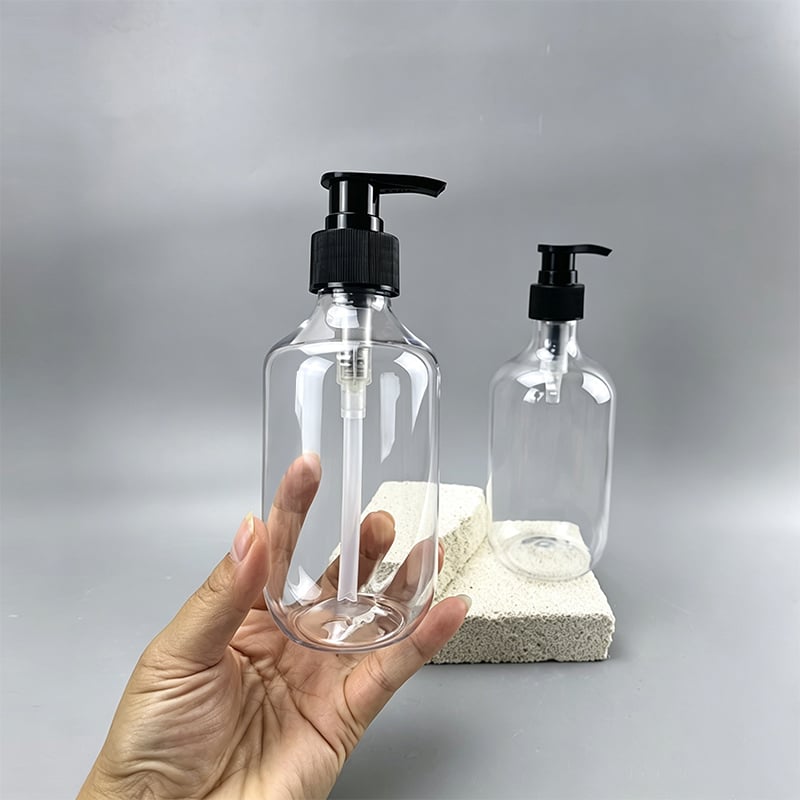
In the personal care industry, packaging is far more than a container — it is a brand statement, a functional tool, and a silent salesperson standing on the retail shelf. The design of a shampoo bottle communicates quality, purpose, and personality before a consumer ever reads the label. Brands that underestimate the strategic value of their shampoo bottle design often find themselves losing shelf presence, brand recall, and ultimately, customer loyalty.
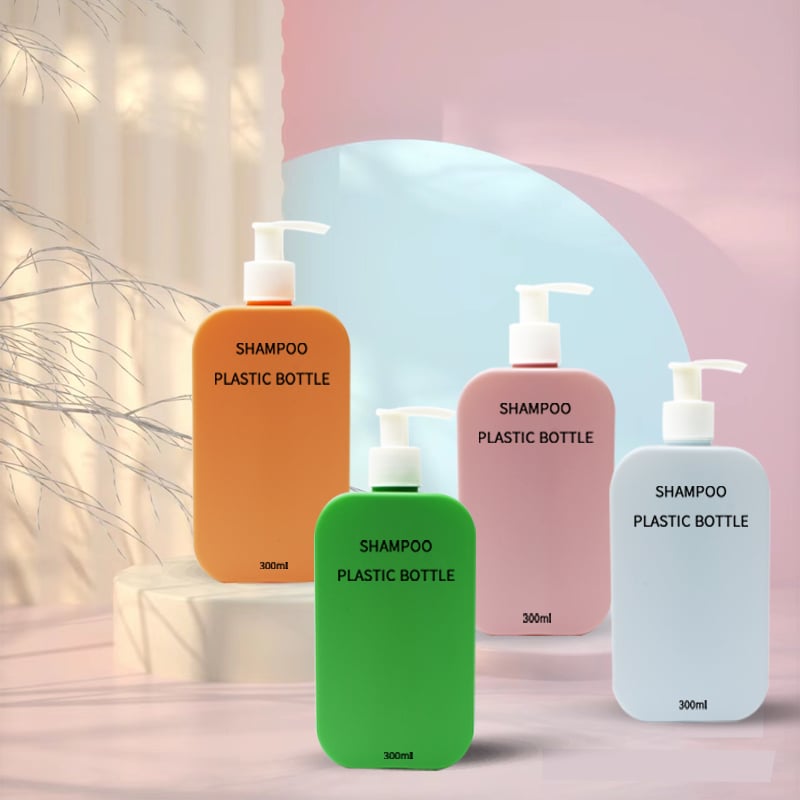
Every detail of a shampoo bottle — from its shape and material to its finish and dispensing mechanism — carries a message. For brand managers, product developers, and packaging buyers in the B2B space, understanding why design decisions matter is essential to creating a product that resonates with end consumers and stands apart in a crowded market. This article explores the multifaceted reasons why the design of a shampoo bottle is a critical brand investment, not a cosmetic afterthought.
First Impressions and Shelf Impact
The Visual Language of a Shampoo Bottle
Consumers make purchasing decisions remarkably quickly. Research in consumer behavior consistently shows that visual impression forms within seconds of encountering a product on the shelf. A well-designed shampoo bottle uses shape, color, and surface texture to trigger immediate emotional responses and signal the product's positioning — whether that is luxury, eco-consciousness, clinical efficacy, or playful accessibility.
The silhouette of a shampoo bottle alone can differentiate a brand. A sleek, squared profile conveys modernity and premium quality, while a rounded, ergonomic form suggests comfort and approachability. These are not accidental choices. They are deliberate design decisions that align with the brand's identity and target consumer profile.
Brands that invest in distinctive shampoo bottle shapes often achieve better brand recognition without heavy reliance on logo visibility alone. The bottle becomes recognizable as an icon of the brand itself, building long-term equity in consumer perception.
Material and Finish as Brand Signals
The material selection for a shampoo bottle directly influences perceived quality. High-density polyethylene, or HDPE, is a widely trusted material in the industry — known for its durability, chemical resistance, and compatibility with various cosmetic formulations. When combined with a matte soft-touch finish, an HDPE shampoo bottle delivers a tactile premium experience that communicates high-end positioning the moment a consumer picks it up.
Glossy finishes tend to communicate vibrancy and mass-market appeal, while matte and frosted surfaces project sophistication and exclusivity. These nuances matter profoundly in a category as competitive as hair care. Brands that align their shampoo bottle material and finish with their pricing tier and target audience create a cohesive, trustworthy product experience.
For B2B buyers sourcing packaging at scale, the choice of material also affects production consistency, shipping resilience, and long-term cost efficiency. A premium-looking shampoo bottle that maintains its quality across thousands of units is a critical consideration in the procurement process.
Functional Design and the User Experience
Ergonomics and Dispensing Efficiency
A shampoo bottle that looks beautiful but performs poorly in the shower will disappoint consumers and damage brand reputation. Functional design encompasses how comfortably the bottle fits in the hand, how easily the pump or cap operates, and how efficiently the product is dispensed without waste or mess.
Pump dispensers, for example, have grown significantly in popularity in the premium hair care segment. A pump mechanism on a shampoo bottle adds a layer of convenience and hygiene that consumers increasingly expect in modern formulations. Controlling the dose per pump also enhances the perception of value and product longevity, which translates to greater consumer satisfaction and repurchase intent.
The geometry of the bottle matters functionally as well. A square or rectangular shampoo bottle is easier to stack, store, and ship in bulk. It maximizes shelf real estate in retail environments, allowing more units per linear foot. For brands distributing through physical retail channels, this logistical advantage can translate into meaningful cost savings and better in-store placement.
Preventing Formulation Degradation
Not all packaging materials are equally suited to every shampoo formulation. The design of a shampoo bottle must take chemical compatibility into account to prevent degradation of active ingredients, color change, or contamination. HDPE is specifically valued because of its high resistance to a wide range of chemicals commonly found in cosmetic formulations, including surfactants, conditioning agents, and preservatives.
Brands that choose unsuitable materials risk compromising their formulations over time, leading to product returns, consumer complaints, and reputational damage. A shampoo bottle that maintains the integrity of its contents from production through the end of the consumer's use cycle is a non-negotiable functional requirement.
UV protection is another dimension of functional design that is often overlooked. Some formulations are sensitive to light exposure. Opaque shampoo bottle designs or UV-stabilized materials provide an additional layer of protection that supports product efficacy claims and builds consumer trust in formulation quality.
Brand Consistency and the Role of Custom Design
Packaging as an Extension of Brand Identity
For brands with a defined visual identity system, a shampoo bottle is a critical touchpoint for communicating that identity at scale. Every color, texture, and structural element should align with the brand's broader aesthetic language. A luxury skincare brand extending into hair care, for example, needs a shampoo bottle that mirrors the premium visual language already established in its skincare line.
Custom shampoo bottle design enables brands to create consistency across their entire personal care portfolio. When consumers recognize a unified visual language across multiple products on a shelf, they develop stronger associations with the brand and are more likely to explore new product offerings within the same line.
Custom design also gives brands control over differentiation. Rather than relying on stock packaging that competitors may also be using, a uniquely shaped or finished shampoo bottle creates a proprietary packaging asset. This asset becomes part of the brand's competitive advantage, making imitation more difficult and reinforcing the brand's market position.
Labeling Compatibility and Print Surface Optimization
The surface architecture of a shampoo bottle must be designed with labeling in mind. Flat panels, curved panels, and wraparound surfaces each present different challenges for label adhesion, printing quality, and regulatory compliance labeling. A well-engineered shampoo bottle provides adequate surface area for all required label content while maintaining aesthetic balance.
Matte surfaces, in particular, require attention during the label design stage. While they offer a premium tactile experience, they can affect label transparency and adhesive performance if not properly accounted for in the packaging brief. Experienced packaging manufacturers help brands navigate these technical nuances to ensure the final shampoo bottle design performs as intended across every touchpoint.
Direct printing and embossed detailing are also design options that elevate a shampoo bottle further. Embossed logos or texture patterns add depth and exclusivity that printed labels cannot replicate, and they are increasingly seen in the premium and professional salon segments of the market.
Sustainability and Modern Consumer Expectations
Eco-Conscious Design as a Brand Value
Today's consumers — particularly in urban markets — are increasingly aware of the environmental impact of their purchasing choices. A shampoo bottle that incorporates recycled materials, reduces plastic weight, or is designed for easy recyclability communicates a brand's environmental values in a tangible way. This has moved from being a niche preference to a mainstream purchasing criterion across multiple consumer segments.
Brands that design their shampoo bottle with sustainability in mind benefit from both consumer goodwill and regulatory preparedness. Extended producer responsibility regulations and plastic reduction mandates are becoming more widespread globally. Brands that have already transitioned to more sustainable shampoo bottle designs are better positioned to adapt to evolving compliance requirements without disrupting their product lines.
Refillable shampoo bottle systems are another growing trend in sustainable packaging design. These systems reduce single-use plastic waste while creating a deeper, ongoing consumer relationship with the brand. For premium and direct-to-consumer brands, a refillable model also reinforces brand loyalty and increases lifetime customer value.
Lightweight Design and Supply Chain Efficiency
Sustainable design is not only about material sourcing — it also includes optimizing the physical dimensions and weight of the shampoo bottle. Lightweighting reduces the overall volume of plastic used per unit, lowers shipping costs, and decreases the carbon footprint associated with transportation. For brands distributing at scale, even marginal reductions in packaging weight can produce substantial cost and emissions savings annually.
A thoughtfully lightweight shampoo bottle design does not compromise structural integrity. Advanced molding technologies allow manufacturers to produce bottles that are thinner-walled but retain the rigidity and aesthetic quality required for premium brand applications. This balance between sustainability and performance is a hallmark of sophisticated packaging engineering.
For B2B procurement teams, evaluating the weight and dimensional efficiency of a shampoo bottle as part of the sourcing process can deliver measurable improvements to total landed cost, making it a smart business decision that also aligns with corporate sustainability goals.
FAQ
Why does the shape of a shampoo bottle matter to a brand?
The shape of a shampoo bottle communicates brand positioning, supports product differentiation on the shelf, and influences consumer perception of quality before any label is read. A distinctive silhouette also contributes to long-term brand recognition and can become a proprietary visual asset that strengthens market identity.
What material is commonly used for premium shampoo bottles?
HDPE, or high-density polyethylene, is one of the most widely used materials for premium shampoo bottle production. It offers excellent chemical resistance, structural durability, and compatibility with a broad range of cosmetic formulations. When paired with a matte or soft-touch finish, it delivers a high-end tactile experience that aligns with premium brand positioning.
How does shampoo bottle design affect the consumer experience at home?
The functional design of a shampoo bottle — including its ergonomics, pump mechanism, and dispensing control — directly impacts the ease and satisfaction of use. A well-designed bottle reduces product waste, feels comfortable in the hand during use, and reinforces the consumer's perception of value, contributing to repurchase behavior and positive word-of-mouth.
Can custom shampoo bottle design provide a competitive advantage?
Yes, significantly. A custom shampoo bottle design gives a brand full control over its visual and functional identity, making it harder for competitors to imitate and easier for consumers to identify at a glance. Custom design also ensures that every packaging element — shape, material, finish, and labeling surface — is optimized specifically for the brand's positioning strategy and target audience.