
 EN
EN
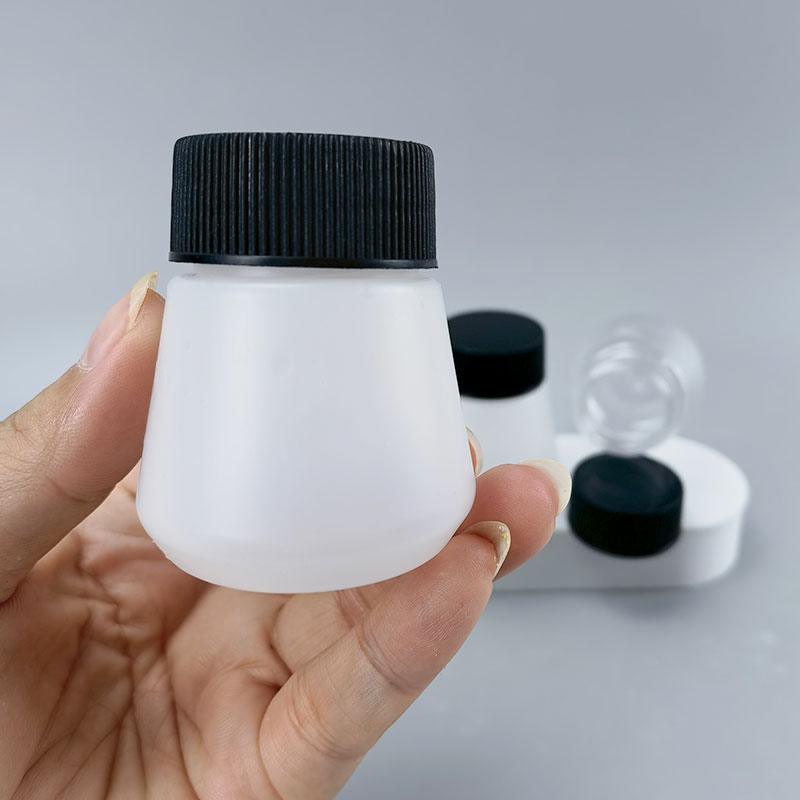
In the competitive world of beauty, skincare, and personal care retail, packaging is never just a container — it is a brand statement. The moment a customer scans a shelf, their eyes instinctively gravitate toward products that feel premium, tactile, and visually distinct. This is precisely where frosted plastic jars have carved out a commanding presence in modern product packaging. The frosted finish transforms an otherwise standard container into something that communicates quality before a single word on the label is read.
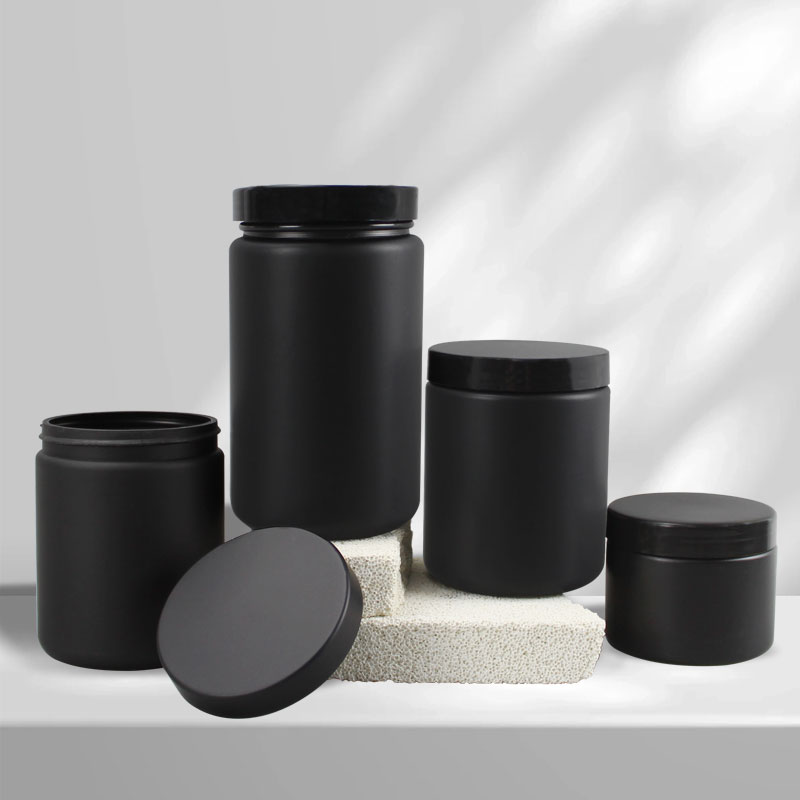
Understanding how frosting actually enhances the shelf appeal of plastic jars requires looking beyond aesthetics alone. It involves examining how texture, light behavior, branding alignment, and consumer psychology all intersect at the point of packaging design. Brands that invest in frosted plastic jars are not just choosing a surface treatment — they are making a deliberate decision to elevate the entire customer experience from the first glance to the final touch.
The Visual Psychology Behind Frosted Packaging
How Frosting Affects Light and Perception
One of the most immediately noticeable effects of frosting on plastic jars is how it interacts with ambient light. Unlike clear, glossy plastic that creates sharp reflections and glare, frosted plastic jars diffuse light softly across their surface. This results in a muted, luminous glow that appears sophisticated and calming to the human eye.
This optical effect is not accidental — it is deeply connected to how consumers associate certain visual cues with product quality. Soft light diffusion is subconsciously linked to premium materials like frosted glass, matte ceramics, and brushed metals. When a frosted plastic jar mimics these qualities, it borrows their perceived value and transfers it to the product inside.
Retail environments are typically lit with strong overhead lighting, which can make highly reflective packaging appear cheap or harsh. Frosted plastic jars combat this effect beautifully by maintaining a consistent, refined appearance regardless of how the light hits them. This visual stability makes them far more appealing in real-world shelf settings.
Color Rendering and Brand Identity on Frosted Surfaces
Frosted plastic jars also change how colors appear on the packaging. When pigments or branding elements are applied to a frosted surface, the colors appear deeper and more saturated compared to their glossy counterparts. This makes logo printing, label adhesion, and color-blocking design choices feel more intentional and visually impactful.
For brands building a cohesive visual identity, the frosted surface provides a reliable neutral canvas. Whether the brand color is a blush pink, forest green, or muted gold, the texture of frosted plastic jars allows those shades to come forward without competing with distracting reflections or surface noise.
This color integrity also helps maintain brand consistency across different retail environments — from fluorescent-lit drugstores to warmly lit boutique displays. Frosted plastic jars make it easier for a brand's visual identity to remain coherent and recognizable wherever the product is placed.
Tactile Appeal and the Touch Experience in Retail
Why the Feel of Packaging Drives Purchase Decisions
Shelf appeal is not purely a visual phenomenon. Research in consumer behavior consistently shows that shoppers who pick up a product are significantly more likely to purchase it. This means the tactile quality of packaging plays a critical role in converting shelf browsers into buyers. Frosted plastic jars excel in this dimension because their surface texture is immediately engaging to the touch.
The soft-touch quality of a frosted finish creates a sensation that feels smooth, slightly velvety, and warm — very different from the cold, slippery sensation of standard glossy plastic. This sensory contrast is meaningful because it aligns with the experiential expectations consumers have for skincare and beauty products. A jar that feels luxurious to hold naturally implies that the product inside shares those qualities.
For product categories like face masks, body butters, and premium moisturizers, this tactile association is especially important. Consumers expect these products to be indulgent and skin-friendly. Frosted plastic jars extend that expectation into the packaging itself, creating a holistic sensory experience that reinforces the brand promise before the product is even opened.
Soft-Touch Finishes and Long-Term Handling Quality
Beyond the initial pick-up moment, frosted plastic jars continue to perform well throughout the product's use lifecycle. The matte or soft-touch surface is significantly more resistant to visible fingerprints, smudges, and minor surface scratches compared to high-gloss alternatives. This means the jar continues to look pristine and premium even after repeated handling by both retail staff and the end consumer.
In a retail environment where products may be handled dozens of times before purchase, this durability of appearance is a genuine competitive advantage. Frosted plastic jars maintain their shelf presence day after day without the visible wear and tear that can make glossy packaging look degraded or less desirable over time.
This characteristic also matters in e-commerce contexts where unboxing experiences are scrutinized and shared on social platforms. A frosted plastic jar that arrives looking immaculate, without fingerprints or handling marks, creates an unboxing moment that feels intentional and premium — which directly supports brand perception and repeat purchase behavior.
Differentiation and Positioning Through Frosted Finishes
Standing Out in a Saturated Market
Modern retail shelves for skincare and personal care products are extraordinarily crowded. Hundreds of products compete for attention within the same category, often within a few feet of shelf space. In this environment, the packaging must do the first and often most decisive part of the brand storytelling. Frosted plastic jars offer a reliable strategy for visual differentiation that works across price points and product categories.
Because frosted plastic jars immediately suggest quality and intentional design, they help brands position their products above commodity-tier alternatives that rely on basic clear packaging. This differentiation does not require expensive materials or complex production — it is achieved through a surface treatment that fundamentally changes how the product is perceived on the shelf.
For emerging brands or products entering competitive market segments, frosted plastic jars provide an accessible way to compete visually with established players. The premium perception they generate can meaningfully influence a first-time buyer's decision to choose a lesser-known product over a familiar one, simply because the packaging communicates a higher standard.
Aligning Packaging with Target Consumer Expectations
Different consumer segments have distinct aesthetic expectations from their products. Clean beauty buyers tend to favor minimalist, muted aesthetics. Luxury skincare consumers expect tactile richness and refined visual presentation. Wellness-focused shoppers associate matte and frosted textures with purity and efficacy. Frosted plastic jars intersect all of these aesthetic narratives simultaneously, making them a versatile choice for brands targeting any of these segments.
The alignment between packaging aesthetics and consumer identity is a powerful driver of purchase decisions. When a customer sees frosted plastic jars on a shelf, they do not just see a container — they see a reflection of their own values and preferences. This psychological alignment is one of the strongest tools a brand has for building loyalty and reducing price sensitivity.
Brands that consistently use frosted plastic jars across their product lines also benefit from a more cohesive shelf presence. A unified frosted aesthetic creates a visual family that shoppers can recognize and trust, which reduces the cognitive effort required to identify and select products from the brand's range.
Practical Functional Advantages That Support Shelf Appeal
UV Protection and Product Integrity
The visual benefits of frosted plastic jars are complemented by meaningful functional advantages that further justify their use in premium product packaging. One of the most significant is the light-filtering effect that frosted surfaces provide. Because the frosted finish scatters and partially blocks light transmission, it offers a degree of UV protection that helps preserve the integrity of light-sensitive formulations inside.
Many skincare and cosmetic formulations — particularly those containing natural extracts, vitamins, and botanical actives — can degrade when exposed to direct light over time. Frosted plastic jars slow this degradation process by reducing the amount of light that penetrates the container walls. This is a practical benefit that enhances both product longevity and consumer trust in the brand's commitment to quality.
This combination of visual appeal and functional protection makes frosted plastic jars an especially intelligent choice for products like face masks, body butters, and treatment creams that are formulated with delicate active ingredients. The packaging actively works to preserve the product, not just display it.
Material Compatibility and Versatility Across Product Lines
Frosted plastic jars are available in a range of materials, including HDPE, which is particularly well-suited for skincare and personal care applications due to its chemical resistance and food-grade safety profile. This material compatibility means brands do not have to compromise on formulation safety or stability in order to achieve the premium aesthetic that frosted finishes deliver.
The versatility of frosted plastic jars also extends to sizing and capacity. Whether a brand needs small trial-size jars or large professional-grade containers, frosted finishes can be applied across the full volume range. This scalability makes it straightforward for brands to maintain a consistent premium aesthetic across their entire product portfolio without requiring separate design systems for different sizes.
Furthermore, frosted plastic jars work well with a variety of closure and lid styles, from screw caps to disc-top closures. This design flexibility allows brands to customize the complete packaging system while maintaining the visual coherence and premium identity that frosted finishes establish.
FAQ
What makes frosted plastic jars appear more premium than standard clear jars?
Frosted plastic jars diffuse light rather than reflecting it sharply, which creates a soft, luminous appearance similar to frosted glass or brushed metal. This optical quality is subconsciously associated with high-end materials, which makes frosted plastic jars appear more premium without requiring more expensive base materials.
Are frosted plastic jars suitable for all types of skincare products?
Yes, frosted plastic jars — particularly those made from HDPE — are compatible with a wide range of skincare formulations including face masks, body butters, thick creams, and exfoliants. The material offers good chemical resistance, and the frosted surface provides partial light protection that is beneficial for formulations containing light-sensitive active ingredients.
How does the frosted finish affect label and print adhesion?
Frosted surfaces generally provide excellent adhesion for pressure-sensitive labels and screen-printed branding elements. The matte texture creates a slightly more porous surface compared to glossy plastic, which can improve label grip and reduce the risk of peeling. Colors also appear richer and more saturated on frosted surfaces, which enhances the overall visual impact of label graphics.
Do frosted plastic jars hold their appearance well in retail environments?
Frosted plastic jars are significantly more resistant to fingerprints, smudges, and minor surface marks compared to glossy alternatives. This means they maintain a consistently clean and premium appearance even after repeated handling in retail settings, which contributes to sustained shelf appeal throughout the product's time on display.