
 EN
EN
Product safety is a non-negotiable priority in industries ranging from pharmaceuticals and cosmetics to specialty chemicals and essential oils. The dropper bottle has become the standard dispensing solution for precision-sensitive applications, yet its design goes far beyond convenience. Every element of a dropper bottle—from the material composition to the cap mechanism—directly influences user safety, product integrity, and regulatory compliance. Understanding why dropper bottle design matters helps manufacturers, brands, and consumers make informed choices about packaging that protects both the product and the person using it.
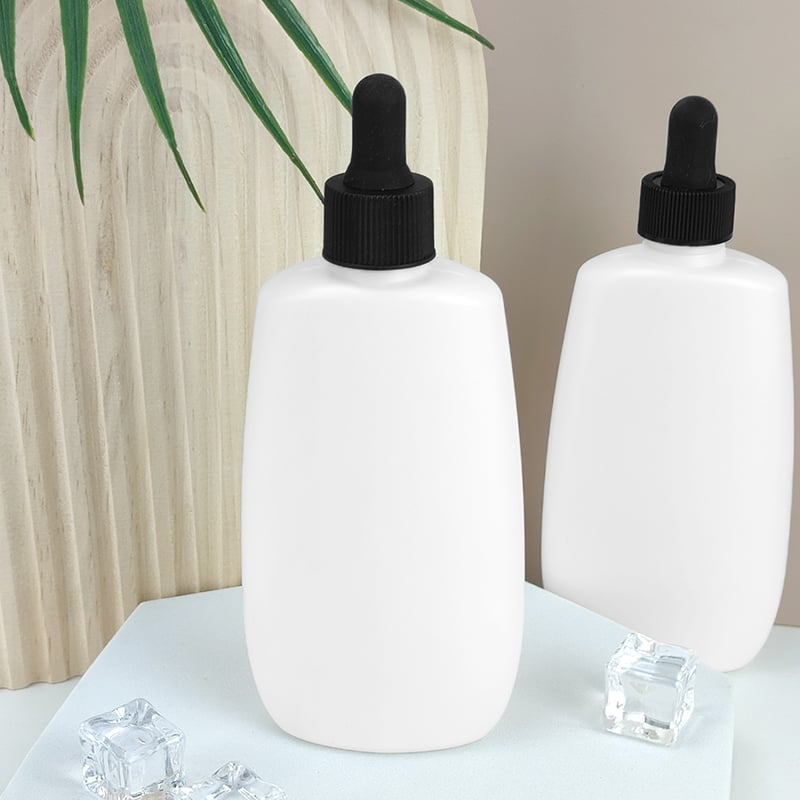
The importance of dropper bottle design becomes clear when we consider the risks of improper packaging. Accidental over-dosing, contamination, leakage, and material degradation pose real dangers in pharmaceutical, cosmetic, and industrial settings. A poorly designed dropper bottle cap can fail to seal properly, allowing air exposure that compromises product potency. Material selection—whether using a glass dropper bottle or plastic dropper bottle—directly affects chemical compatibility, shelf life, and user safety. The dropper bottle cap mechanism must deliver precise, controlled dispensing while preventing tampering and maintaining sterility. These interconnected design considerations form the foundation of reliable product safety.
Material Selection and Chemical Compatibility
Glass Dropper Bottle Advantages for Safety
A glass dropper bottle offers superior chemical resistance and inert properties that make it ideal for sensitive formulations. Glass does not leach substances into the product, eliminating contamination risks associated with certain plastic materials. This inertness is particularly critical for pharmaceuticals, high-potency essential oils, and serums where even trace contamination can compromise efficacy or trigger adverse reactions. Glass dropper bottle containers maintain product integrity over extended storage periods, ensuring the formula remains stable and safe for consumer use. The material's impermeability to oxygen and moisture prevents oxidation and degradation, key factors in preserving product safety standards.
Plastic Dropper Bottle Selection Criteria
A plastic dropper bottle provides lightweight, shatter-resistant packaging suitable for applications where durability and portability are priorities. However, material selection is critical—high-density polyethylene (HDPE), polypropylene (PP), and other food-grade plastics must be carefully chosen based on the product's chemical composition. Not all plastic dropper bottle options are suitable for all formulations; aggressive solvents or essential oils may interact with certain plastics, compromising both the container and the product inside. Safety-focused manufacturers conduct compatibility testing to ensure the plastic dropper bottle material will not degrade, discolor, or release harmful substances. This due diligence prevents product recalls, consumer harm, and regulatory violations.
Dropper Bottle Cap Design and Dispensing Control
Precision Dosing and User Safety
The dropper bottle cap is far more than a simple closure—it is a precision dosing device that prevents accidental overdosing and ensures consistent product delivery. A well-designed dropper bottle cap features an integrated pipette that draws and releases a measured volume with each squeeze, minimizing human error and reducing the risk of miscalibration. This controlled dispensing is especially important in pharmaceutical applications where incorrect dosing can cause serious adverse effects. The dropper bottle cap must operate smoothly and reliably over hundreds of uses without degradation, ensuring safety and consistency throughout the product's lifespan. Poor cap design leads to uncontrolled product release, spillage, and potential exposure to hazardous substances.
Tamper Evidence and Seal Integrity
Consumer confidence depends on tamper-evident features integrated into the dropper bottle cap design. Modern safety standards require visual indicators that show whether the dropper bottle cap has been opened or compromised before reaching the consumer. A robust seal between the dropper bottle cap and the bottle neck prevents air ingress, protecting the product from oxidation and microbial contamination. The dropper bottle cap's threaded engagement must be tight enough to prevent leakage during transport and storage, yet smooth enough for consumer convenience. Design failures in this area create safety liabilities—a leaking dropper bottle cap can stain clothing, waste product, or expose the user to concentrated formulas.
Regulatory Compliance and Liability Prevention
Pharmaceutical and Cosmetic Standards
Regulatory bodies such as the FDA, EMA, and local health authorities impose strict requirements on dropper bottle packaging to ensure consumer safety. These standards dictate material specifications for glass dropper bottle and plastic dropper bottle options, cap closure effectiveness, and labeling requirements. Compliance with USP <660> standards for packaging, ISO 11681 for plastic containers, and other relevant guidelines is mandatory for legal market distribution. Non-compliant dropper bottle cap designs or materials can result in product recalls, legal penalties, and irreparable brand damage. Manufacturers must validate their dropper bottle design through rigorous testing including drop tests, seal integrity tests, and chemical compatibility assessments.
Documentation and Risk Management
Comprehensive documentation of dropper bottle design decisions protects manufacturers from liability and demonstrates due diligence to regulators. Detailed specifications for glass dropper bottle materials, plastic dropper bottle formulations, and dropper bottle cap mechanisms must be recorded and retained. Risk assessments identifying potential failure modes—such as cap separation, seal failure, or material incompatibility—must be conducted and addressed through design improvements. Traceability of suppliers, material batches, and production controls ensures rapid response capability if safety issues emerge. This documentation also supports warranty claims, insurance coverage, and consumer dispute resolution.
FAQ
What makes a dropper bottle cap effective for product safety?
An effective dropper bottle cap combines precise volumetric dispensing, robust sealing, tamper-evident features, and reliable operation over hundreds of cycles. The cap must prevent leakage, air ingress, and microbial contamination while remaining convenient for users. Material compatibility with the product formulation ensures the cap does not degrade or interact with the contents, maintaining both safety and efficacy throughout shelf life.
Why choose a glass dropper bottle over a plastic dropper bottle?
A glass dropper bottle offers chemical inertness, zero risk of leaching, and superior long-term stability, making it ideal for pharmaceuticals, essential oils, and high-potency formulations. Plastic dropper bottle options are lighter and shatter-resistant but require careful material selection to ensure compatibility with aggressive or volatile products. The choice depends on product chemistry, storage conditions, regulatory requirements, and cost considerations specific to each application.
How does dropper bottle design impact product shelf life and safety?
Dropper bottle design directly controls oxygen exposure, moisture ingress, and light penetration—all factors that accelerate product degradation and compromise safety. A properly sealed dropper bottle cap maintains anaerobic conditions for oxygen-sensitive formulations, while opaque glass or UV-protective plastic options prevent photodegradation. Quality closure design and material selection extend shelf life, reduce the risk of contamination, and ensure the product remains safe and effective until the expiration date.