
 EN
EN
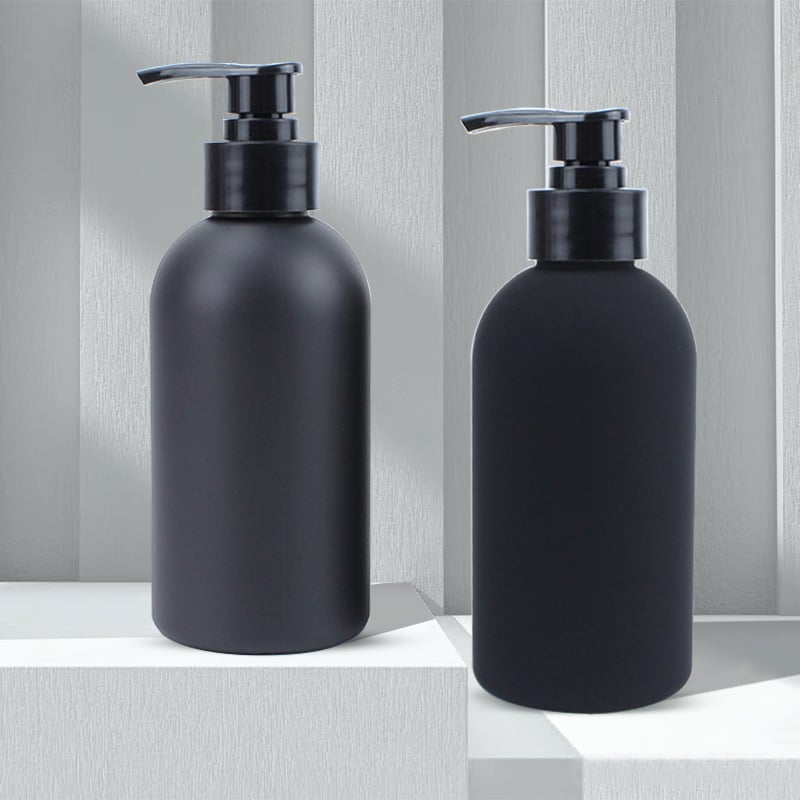
Many consumers wonder whether their empty lotion bottles can be refilled and reused rather than discarded. This question reflects growing interest in sustainability and cost-effectiveness in personal care routines. The answer depends on several factors, including the design of your lotion bottle, the condition of its pump dispenser bottle mechanism, and the specific cosmetic packaging material used in construction. Understanding whether a lotion bottle is suitable for reuse requires examining both the physical durability of the container and practical considerations for hygiene and product compatibility.
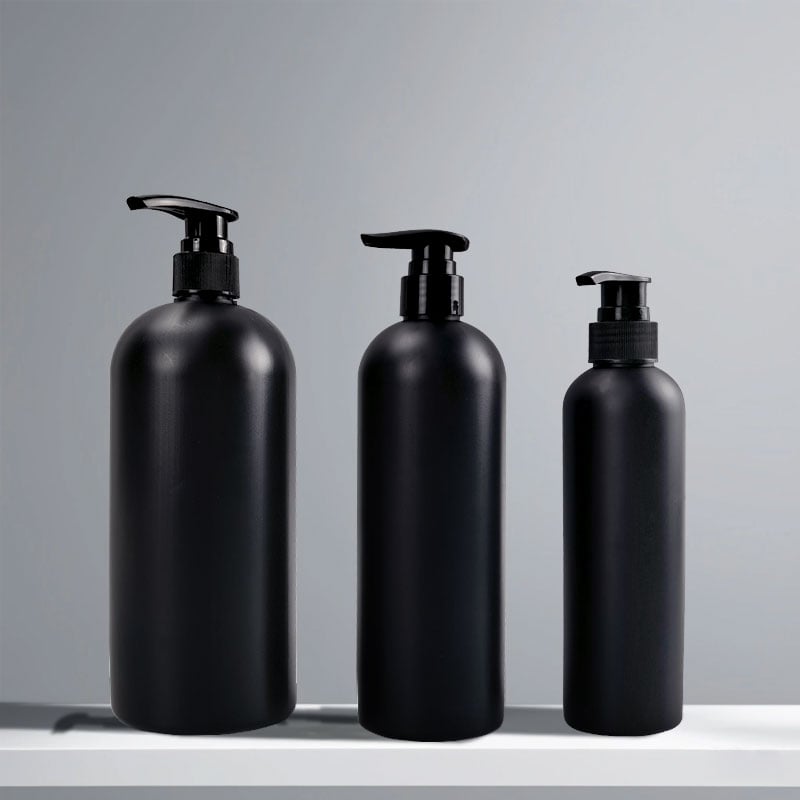
The reusability of a lotion bottle primarily hinges on its structural integrity and the quality of its materials. High-quality cosmetic packaging made from durable plastics like HDPE or polypropylene can withstand multiple refilling cycles if properly maintained. However, not all lotion bottles are designed with longevity in mind. Some manufacturers produce single-use skincare container options to encourage repeat purchases, while others create robust pump dispenser bottle systems built for extended use. Evaluating your specific lotion bottle's potential for reuse requires careful inspection of its pump mechanism, seal quality, and overall construction.
Assessing Your Lotion Bottle for Reuse Potential
Examining Cosmetic Packaging Material and Design
The material composition of your lotion bottle is the primary indicator of its reuse capability. Premium cosmetic packaging typically utilizes HDPE plastic, which resists degradation and maintains structural integrity through multiple fill cycles. When inspecting your lotion bottle, check whether the plastic appears brittle, discolored, or shows visible cracks. A quality skincare container will feel substantial and resist flexing excessively when squeezed gently. The base of your lotion bottle should have a reinforced bottom and smooth, even molding without irregularities. If the lotion bottle was originally filled with a premium product, the manufacturer likely invested in durable cosmetic packaging that can withstand refilling.
Evaluating the Pump Dispenser Bottle Mechanism
The pump dispenser bottle component is often the first element to fail during reuse. Carefully test the pump by pressing it repeatedly to observe its response. A functioning pump dispenser bottle should deliver consistent product output without air gaps, leaking, or grinding sounds. Examine the pump stem for cracks or warping, and check whether the nozzle seals completely when at rest. If your skincare container's pump mechanism shows signs of wear, the entire lotion bottle becomes impractical for refilling because product will leak or dispense unpredictably. High-quality pump dispenser bottle systems incorporate precision-engineered components designed to maintain performance through extended use, making them ideal candidates for refilling.
Hygiene and Safety Considerations for Refilling
Cleaning and Sterilization Procedures
Before refilling your lotion bottle, thorough cleaning is essential to prevent contamination. Residual product, bacteria, and mold can accumulate inside cosmetic packaging, especially in the pump dispenser bottle mechanism where moisture collects. Remove the pump assembly from your skincare container and rinse both components with warm water to eliminate dried product. Use a soft brush or pipe cleaner to gently clean the interior tubing of the pump dispenser bottle without damaging delicate mechanisms. For complete sanitization, soak the components in white vinegar for 15 minutes, then rinse thoroughly with distilled water and air-dry completely. Never place a lotion bottle or pump dispenser bottle in the dishwasher, as high heat can warp cosmetic packaging materials. Allow your skincare container to dry for at least 24 hours before refilling to ensure all moisture has evaporated.
Product Compatibility and Shelf Life
Not all lotion formulations are compatible with every lotion bottle type. Thicker creams may clog a pump dispenser bottle designed for thinner liquids, while oil-based products can degrade certain plastics used in cosmetic packaging. Before refilling your skincare container, verify that the new product's consistency matches the original formula. Check the product instructions to confirm compatibility with plastic containers. Additionally, understand that refilled cosmetic packaging does not extend the shelf life of the product itself. Once a lotion bottle is opened and refilled, the product may expire faster due to increased exposure to air and potential contamination. Keep detailed records of refill dates to track product freshness and replace contents when recommended by the manufacturer.
Best Practices for Sustainable Lotion Bottle Reuse
Maintenance Tips to Extend Container Life
Proper maintenance significantly extends the lifespan of reusable cosmetic packaging. Store your lotion bottle in a cool, dry location away from direct sunlight, which can degrade plastics and cause pump dispenser bottle materials to become brittle. Avoid exposing your skincare container to extreme temperature fluctuations, as these stress the plastic and may cause micro-fractures. When not in use, keep the pump dispenser bottle cap tightly sealed to prevent evaporation and bacterial growth. Periodically inspect the seal where the pump connects to the bottle to ensure no gaps have developed. If your lotion bottle shows minor leaks around the pump assembly, try tightening the connection gently rather than immediately discarding the container. Many pump dispenser bottle systems can function reliably for 2-3 years with consistent care and attention.
When to Retire Your Skincare Container
Certain signs indicate that a lotion bottle has reached the end of its reusable life. Persistent leaking from the pump dispenser bottle connection point signals seal failure that cannot be remedied. Visible cracks, cloudiness, or brittleness in the cosmetic packaging itself means the plastic has degraded beyond safe use. If your skincare container develops an odor that cleaning cannot remove, bacterial contamination may have occurred, making the lotion bottle unsuitable for storing new product. When the pump dispenser bottle mechanism becomes unresponsive or dispenses inconsistently despite cleaning efforts, the internal components have likely failed. At this point, recycling your lotion bottle appropriately is the responsible choice, as continued reuse risks product quality and hygiene.
FAQ
How many times can I refill a typical lotion bottle?
A well-maintained lotion bottle with quality cosmetic packaging can typically be refilled 5 to 15 times before the pump dispenser bottle mechanism or seal begins to deteriorate. High-end skincare containers designed for durability may last even longer, sometimes supporting 20+ refills. The actual number depends on the original quality of the bottle, how carefully you clean it between refills, and the specific formulation of products you use. Oil-based or abrasive lotion types may shorten the lifespan of your skincare container compared to gentle, water-based formulas.
Can I mix different lotion brands in the same bottle?
Mixing different lotion brands in one cosmetic packaging container is generally not recommended unless you are confident the formulas are compatible. Different brands may use varying ingredients that can interact negatively or cause separation in your skincare container. Additionally, mixing products complicates tracking of shelf life and can introduce unexpected chemical reactions. If you want to refill your lotion bottle, use a consistent product or ensure new formulas are from the same brand line to maintain product integrity and pump dispenser bottle performance.
What is the best way to store a refilled lotion bottle?
Store your refilled lotion bottle in a cool, dry bathroom cabinet away from direct sunlight and moisture sources. Excessive humidity can degrade cosmetic packaging and promote mold growth inside the pump dispenser bottle. Keep the cap tightly sealed when not in use and avoid storing your skincare container near heat sources like radiators or shower steam. Store the bottle upright to prevent leaks from the pump dispenser bottle mechanism and ensure the product maintains consistent texture throughout its shelf life.