
 EN
EN
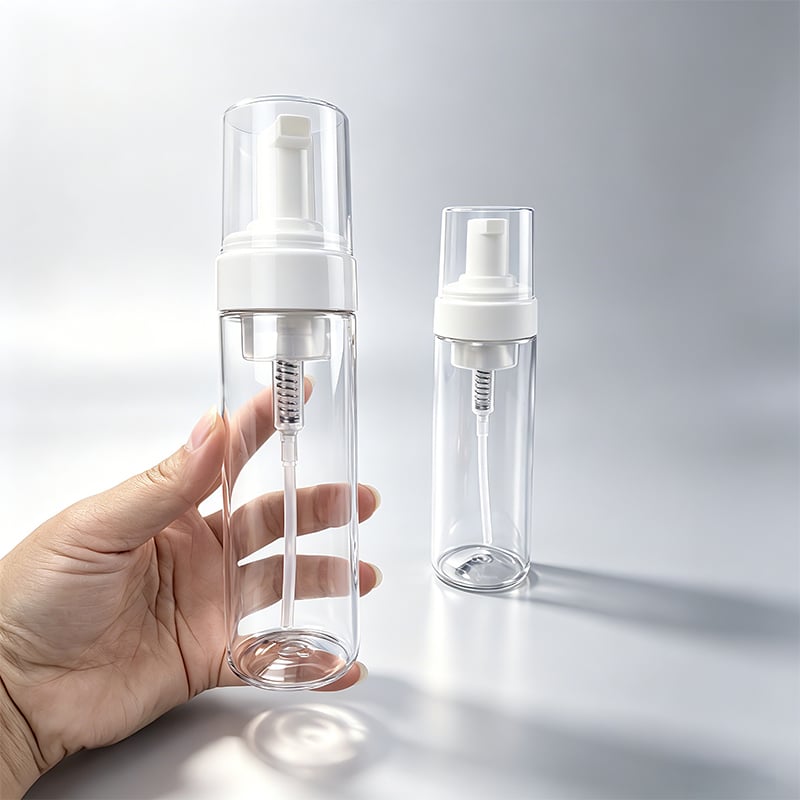
A foam bottle can typically keep drinks cold for 12 to 24 hours, depending on several critical factors including initial temperature, ambient conditions, and the quality of the insulation system. Understanding how long your foam bottle maintains cold temperatures is essential for planning outdoor activities, commutes, and fitness routines where beverage temperature matters. The performance of an insulated water bottle directly affects user satisfaction and determines whether it suits your specific lifestyle needs.
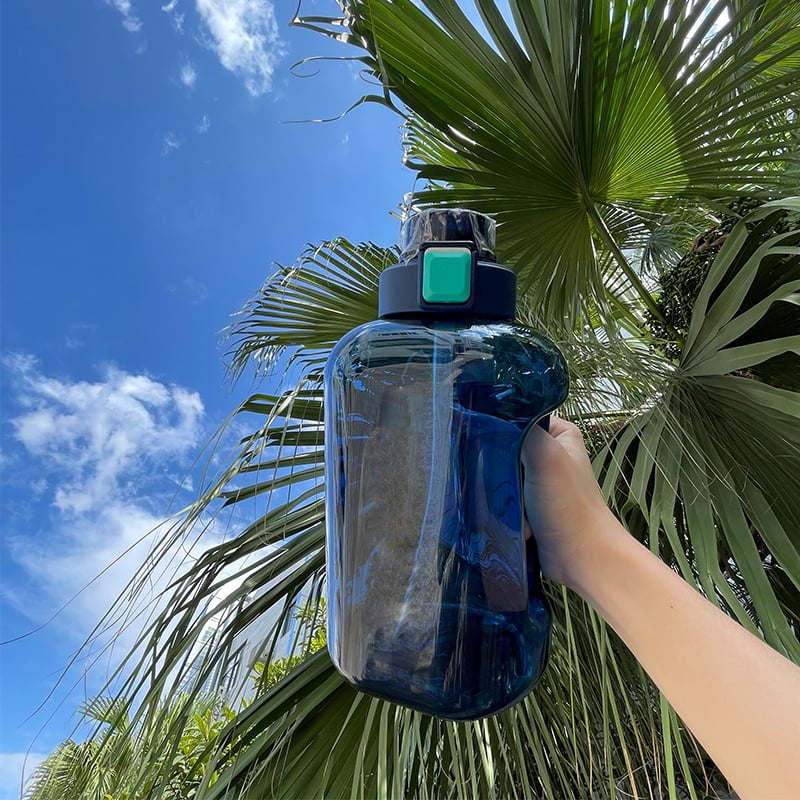
The thermal beverage container market has evolved significantly, with double-wall bottle designs becoming the standard for serious cold retention. Modern foam bottle construction uses advanced insulation materials that create a barrier against heat transfer, allowing drinks to remain cold far longer than conventional single-wall containers. This article explores the science behind foam bottle cooling performance, the variables that influence retention time, and practical guidance for maximizing cold preservation in your daily activities.
Understanding Foam Bottle Insulation Technology
Double-Wall Construction and Heat Prevention
A double-wall bottle features two separate layers with an insulating material sandwiched between them. This design principle is fundamental to how an insulated water bottle achieves extended cold retention. The foam layer acts as a thermal barrier, preventing warm air from penetrating the inner chamber and slowing the natural heat exchange process. Quality foam materials used in modern thermal beverage containers are engineered to minimize thermal conductivity, ensuring that cold beverages stay cold significantly longer than uninsulated alternatives.
The effectiveness of a foam bottle depends on the thickness and density of the insulation layer. Thicker foam in the double-wall bottle structure generally provides superior cooling performance, though this increases weight and bulk. Most premium insulated water bottle designs balance insulation thickness with portability, creating a practical solution for everyday users who need reliable cold retention without excessive heft.
Material Composition and Performance Variation
Foam bottles utilize different insulation materials, each offering distinct performance characteristics. Expanded polyethylene foam and polyurethane foam are common choices in thermal beverage container manufacturing because they provide excellent thermal resistance while remaining lightweight. The foam bottle material quality directly correlates to how long drinks remain cold, with premium formulations outperforming budget alternatives by several hours.
Environmental factors also interact with foam composition. A foam bottle kept in direct sunlight will experience faster temperature rise than one stored in shade, as external heat penetrates the outer walls. Understanding your insulated water bottle's material composition helps set realistic expectations for cold retention in various conditions, from beach environments to air-conditioned offices.
Factors Affecting Cold Retention Duration
Starting Temperature and Initial Conditions
The baseline temperature of your drink when first placed in the foam bottle significantly influences total cold retention time. A thermal beverage container filled with ice-cold liquid at 32°F will maintain cold temperatures much longer than one filled with cool liquid at 50°F. This temperature differential is the driving force behind heat transfer, so maximizing the initial cold helps extend the duration your insulated water bottle keeps drinks cold.
Professional users often pre-chill their double-wall bottle before filling it, a technique that adds several hours of cold retention. Placing your foam bottle in a freezer for 30 minutes before adding your beverage creates an additional thermal buffer. This simple practice demonstrates how strategic preparation amplifies the natural cooling capacity of any insulated water bottle.
Environmental and Usage Conditions
Ambient temperature is perhaps the most dramatic variable affecting how long a foam bottle keeps drinks cold. A thermal beverage container used in a cool, shaded environment will dramatically outperform the same insulated water bottle on a hot beach. Temperature differences of 20°F to 40°F between outdoor conditions and your desired drink temperature can cut cold retention time in half or double it.
Frequency of lid opening also impacts performance. Each time you open your foam bottle, warm air enters and cold air escapes, degrading the insulation barrier's effectiveness. Users who sip occasionally from their double-wall bottle experience better cold retention than those who frequently open the lid. A thermal beverage container with a secure, well-designed lid minimizes heat exchange during use.
Bottle Size and Insulation Mass
Larger foam bottle sizes retain cold longer than smaller versions because they contain more liquid mass and insulation material. A 32-ounce insulated water bottle will keep drinks cold longer than a 16-ounce model, assuming identical foam bottle construction and starting temperature. This principle applies across all double-wall bottle designs, making size selection a practical consideration for users prioritizing extended cold retention.
The relationship between thermal beverage container volume and cooling performance follows thermodynamic principles. More liquid creates greater thermal inertia, resisting temperature change more effectively. Someone planning a full-day outdoor event should consider choosing a larger foam bottle to maximize the duration drinks stay cold throughout the day.
Practical Cold Retention Strategies
Maximizing Performance in Real-World Scenarios
Professional athletes and outdoor enthusiasts rely on insulated water bottle technology that consistently delivers cold beverages throughout extended activities. To optimize your foam bottle performance, fill it with cold water before adding ice, ensuring maximum initial cooling. A double-wall bottle pre-chilled and filled with ice maintains cold temperatures for up to 24 hours in moderate conditions, far exceeding standard thermal beverage container expectations.
Wrapping your foam bottle in a reflective material or keeping it in an insulated bag provides additional protection against external heat. These practical techniques supplement the insulation built into your insulated water bottle, extending cold retention by several additional hours. For day-long activities, this combination approach proves far more effective than relying solely on the foam bottle's inherent cooling capacity.
Seasonal and Activity-Specific Considerations
Different seasons and activities demand different approaches to maximizing foam bottle performance. Winter outdoor enthusiasts benefit from extended cold retention, as ambient temperatures naturally support the thermal beverage container's cooling function. Summer users must employ more aggressive strategies, such as using larger double-wall bottle sizes and pre-chilling techniques, to achieve comparable results.
Fitness professionals often recommend choosing an insulated water bottle sized appropriately for your workout duration. A one-hour gym session typically requires less sophisticated cooling than a multi-hour hiking adventure, so foam bottle selection should match your specific activity profile. Understanding your usage patterns helps determine whether your current thermal beverage container meets your actual cold retention needs or whether upgrading to a premium option would provide meaningful value.
FAQ
How long does a foam bottle keep ice frozen?
A well-insulated foam bottle can keep ice frozen for 4 to 8 hours, though complete ice preservation depends heavily on the insulated water bottle's quality and environmental conditions. Premium double-wall bottle designs with thick foam layers perform best, particularly in cool, shaded environments. The thermal beverage container will eventually warm, causing ice to melt, but high-quality foam bottle construction slows this process significantly compared to uninsulated alternatives.
What is the difference between a foam bottle and a stainless steel insulated water bottle?
Foam bottles and stainless steel insulated water bottle designs both utilize double-wall construction, but differ in outer material and durability. A thermal beverage container made with stainless steel offers superior impact resistance and longevity, while foam bottle designs provide comparable insulation at lower weight. Both can achieve similar cold retention performance, so choice depends on whether you prioritize durability, weight, or cost considerations for your specific needs.
Can I improve my foam bottle's cold retention after purchase?
Yes, you can extend an insulated water bottle's cold retention through pre-chilling techniques, proper lid maintenance, and external protection methods. Keeping your foam bottle in an insulator bag or wrapping it with reflective material creates additional thermal barriers. A double-wall bottle performs optimally when used correctly, so understanding maintenance and usage best practices helps maximize the cold retention capability already built into your thermal beverage container.