
 EN
EN
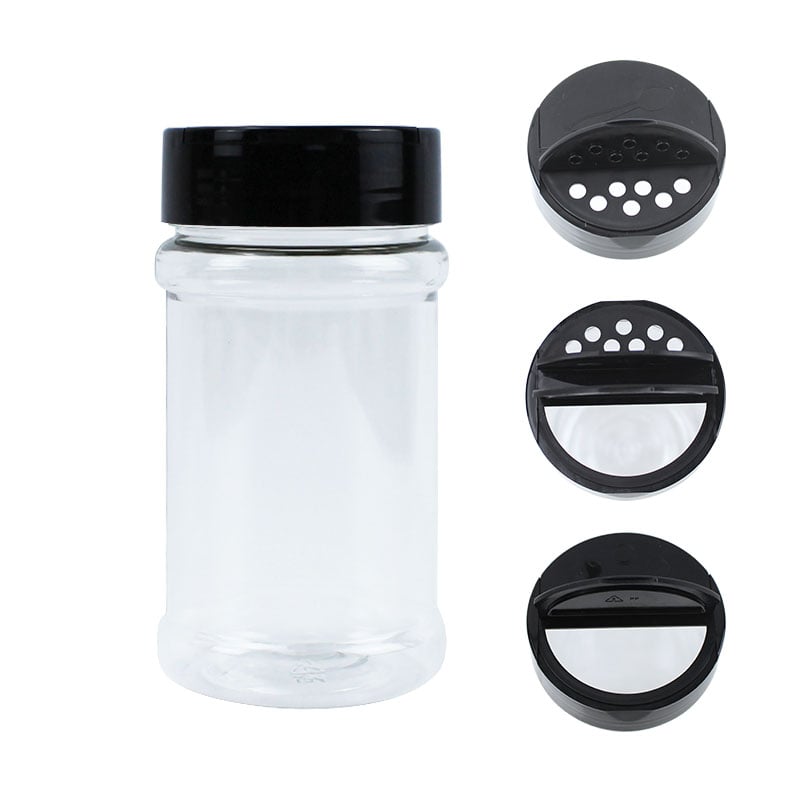
A quality soap bottle is more than just a container; it is a critical component of hygiene systems in households, commercial facilities, and industrial environments. The right soap bottle design ensures product protection, user convenience, and consistent delivery of liquid soap or hand wash solutions. Understanding the essential features that distinguish a quality soap bottle from inferior alternatives helps businesses and consumers make informed purchasing decisions that improve operational efficiency and customer satisfaction.
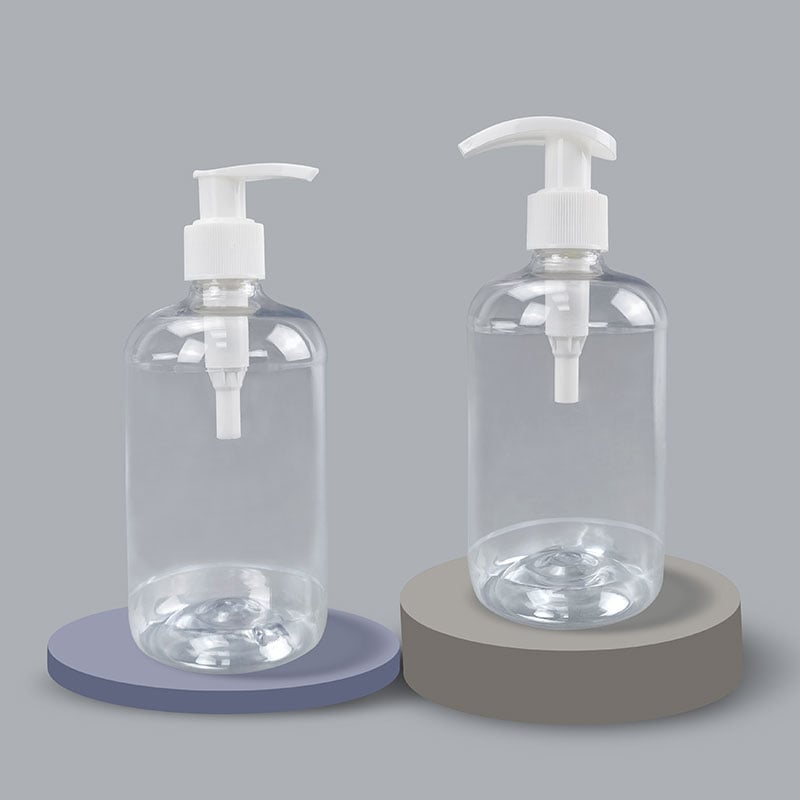
When selecting a liquid soap dispenser or pump bottle for soap, decision makers must evaluate multiple performance criteria that directly impact product integrity, user experience, and total cost of ownership. A refillable soap container that excels in design, materials, and functionality delivers measurable benefits including reduced waste, improved hygiene compliance, and enhanced brand perception. This guide explores the defining characteristics of premium soap bottles and clarifies how to identify models that meet professional standards.
Material Composition and Durability
Plastic Selection and Chemical Resistance
The material foundation of any soap bottle determines its longevity and performance under real-world conditions. High-quality liquid soap dispensers typically use food-grade or pharmaceutical-grade plastics such as PET, PP, or HDPE, which resist chemical degradation from various soap formulations. These materials must withstand exposure to acidic, alkaline, and surfactant-rich solutions without yellowing, cracking, or leaching harmful substances. A premium pump bottle for soap should maintain structural integrity across temperature fluctuations and extended storage periods, ensuring the product remains safe and functional throughout its intended lifecycle.
Wall Thickness and Impact Resistance
Superior soap bottle construction incorporates adequate wall thickness to prevent deformation, punctures, and breakage during handling and transport. Refillable soap containers with reinforced walls and strategic ribbing patterns demonstrate superior impact resistance and structural stability when dropped or subjected to pressure. Quality control standards for premium bottles include thickness verification at critical zones such as the base, neck, and pump assembly interface. This engineering attention ensures that the soap bottle maintains its form and function in demanding commercial environments, reducing replacement costs and operational disruptions.
Pump Mechanism and Dispensing Performance
Precision Pump Engineering
The pump system represents the operational heart of any liquid soap dispenser, directly influencing user satisfaction and product waste management. A quality soap bottle features a precisely engineered pump mechanism that delivers consistent dose volumes with each activation, typically ranging from 0.5 to 1.5 milliliters per stroke. The pump components, including the plunger, spring, and intake tube, must function smoothly without jamming, leaking, or inconsistent flow after thousands of cycles. Premium pump bottles for soap incorporate anti-drip technology and precision-molded components that prevent residual product from accumulating on the bottle exterior, maintaining hygiene standards and reducing cleaning requirements.
Flow Rate Optimization and User Experience
Effective refillable soap containers balance dispensing speed with product control, providing users with adequate volume while preventing oversupply or splashing. The intake tube design, valve configuration, and pump head geometry must work together to ensure smooth operation without excessive effort or resistance. Quality soap bottles incorporate ergonomic pump handles that accommodate various hand sizes and grip strengths, reducing user fatigue in high-volume environments. Testing the dispense mechanism under various product viscosities and temperatures confirms that a premium liquid soap dispenser performs consistently across diverse operational conditions and formula variations.
Practical Design Features and User Considerations
Visibility and Refill Management
A quality soap bottle incorporates transparent or translucent sections that allow users to monitor product levels and plan timely refills before depletion occurs. Clear visibility in refillable soap containers minimizes unexpected stockouts and enables predictive inventory management in busy facilities. Graduated markings or fill-line indicators provide additional guidance for operational staff managing multiple dispensing stations. These visibility features also support hygiene protocols by allowing staff to identify when bottles require cleaning or maintenance based on visual inspection of internal conditions.
Sealing Integrity and Storage Stability
Premium pump bottles for soap feature secure screw caps or closure mechanisms that prevent evaporation, contamination, and accidental leakage during storage or transport. The seal interface between cap and neck must maintain pressure integrity over extended periods without degradation or loosening. Quality liquid soap dispensers incorporate gasket materials that resist soap formula components and maintain their sealing properties across temperature variations from storage facilities to bathroom environments. Proper sealing directly impacts product shelf life, preventing degradation of active soap ingredients and maintaining efficacy throughout the intended use period.
FAQ
What makes a pump bottle for soap more durable than standard containers?
Durable pump bottles for soap utilize reinforced plastics with adequate wall thickness, precision-engineered pump mechanisms, and high-quality closure systems that resist chemical attack and mechanical stress. Superior materials like pharmaceutical-grade PET combined with anti-drip technology and impact-resistant ribbing create refillable soap containers that withstand thousands of dispensing cycles and maintain structural integrity in demanding environments.
How does a quality liquid soap dispenser reduce product waste?
A quality liquid soap dispenser features precise pump calibration that delivers consistent doses, minimizing overfilling and splashing that contribute to waste. Premium soap bottle designs incorporate anti-drip mechanisms and optimized flow rates that prevent residual product loss, while secure closures reduce evaporation losses during storage, directly improving cost efficiency and environmental sustainability.
Why is material selection critical for refillable soap containers?
Material selection determines how a refillable soap container resists chemical degradation, temperature fluctuations, and physical stress over its operational lifetime. Food-grade or pharmaceutical-grade plastics like PET and PP provide superior chemical resistance to various soap formulations, preventing yellowing, cracking, or contamination that compromises product safety and container performance in commercial and residential applications.