 EN
EN
The choice of pill bottle materials directly influences how well medications maintain their potency, safety, and effectiveness over time. Every pharmaceutical packaging decision affects whether active ingredients remain stable or degrade, whether moisture penetrates the container, and whether patients receive consistent dosing. Understanding these material properties is essential for healthcare providers, pharmacists, and manufacturers seeking to protect medication integrity.
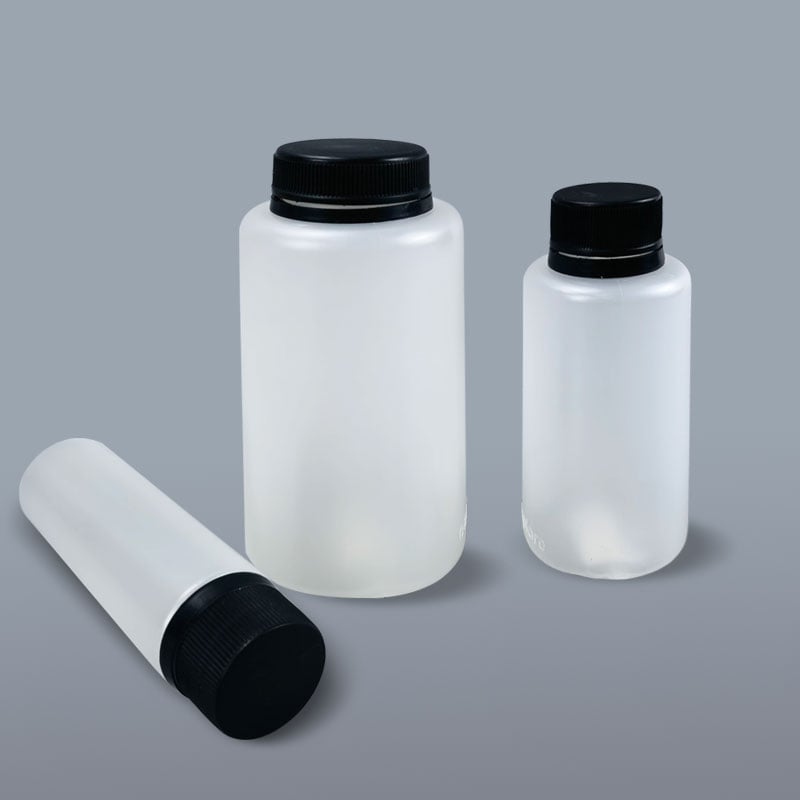
Pharmaceutical packaging requirements extend far beyond simple containment. A medication container must protect contents from environmental factors like light, humidity, and oxygen while maintaining barrier properties throughout the product's shelf life. The material science behind tablet storage directly determines whether medications remain safe and effective when patients open the bottle months or even years after dispensing.
Material Properties and Barrier Performance
Light and Oxygen Protection
Opaque or amber-colored pharmaceutical packaging materials provide critical UV light barriers that prevent photodegradation of sensitive medications. Many active pharmaceutical ingredients break down rapidly when exposed to visible or ultraviolet light, reducing efficacy and potentially creating harmful degradation products. High-density polyethylene (HDPE) and polypropylene (PP) formulations commonly used in tablet storage applications offer excellent light blocking when pigmented appropriately, ensuring medications remain protected even when bottles sit on pharmacy shelves or in medicine cabinets.
Oxygen transmission rates represent another fundamental barrier property for medication container design. Oxidative degradation affects numerous drug classes, from cardiovascular medications to nutritional supplements. Premium pharmaceutical packaging incorporates oxygen scavenging additives or multi-layer structures that significantly reduce oxygen permeation, maintaining anaerobic conditions around tablets and preserving molecular stability throughout the product lifecycle.
Moisture Vapor Transmission
Hygroscopic medications absorb atmospheric moisture, causing physical changes, chemical degradation, or decreased bioavailability. The moisture vapor transmission rate (MVTR) of a medication container fundamentally determines how long tablets maintain their original specifications. Glass and certain high-performance plastics used in pharmaceutical packaging achieve MVTR values below 0.5 grams per square meter per day, creating truly hermetic environments for sensitive tablet storage applications. Inferior materials allow moisture ingress that compromises medication safety within weeks rather than years.
Material Selection Impact on Safety Outcomes
Chemical Compatibility and Leaching
Not all pharmaceutical packaging materials prove chemically inert to every drug formulation. Acidic medications, strong solvents, or alkaline compounds can leach plasticizers, colorants, or other additives from inferior medication containers into the tablet bed. This leaching creates two safety concerns: the medication becomes contaminated with foreign substances, and the barrier properties of the packaging degrade, allowing increased permeation. High-quality polypropylene and medical-grade plastics undergo rigorous compatibility testing to ensure zero leaching over the intended shelf life, protecting both medication integrity and patient safety.
Temperature fluctuations accelerate chemical migration from lower-grade pharmaceutical packaging materials. Medications stored in vehicles, uninsulated sheds, or tropical climates face elevated temperatures that increase leaching rates dramatically. Premium tablet storage materials maintain chemical stability across the full temperature range from refrigerated to 40°C conditions, ensuring safe storage regardless of environmental exposure.
Structural Integrity and Tamper Evidence
The physical robustness of a medication container affects whether tablets receive appropriate protection from crushing, moisture ingress through cracks, or contamination from external sources. Brittle materials that crack under normal handling compromise the entire barrier system. Modern pharmaceutical packaging incorporates impact-resistant resins and tamper-evident design features that provide both protection and compliance with regulatory requirements. These features help patients verify that their medication has not been opened, altered, or contaminated before purchase.
Pharmaceutical Packaging Standards and Compliance
Regulatory Requirements for Medication Containers
Pharmaceutical packaging materials must meet rigorous standards established by regulatory bodies including the FDA, European Pharmacopoeia, and United States Pharmacopeia. These standards specify permissible materials, maximum leaching limits, barrier performance thresholds, and testing methodologies. Medications dispensed in non-compliant tablet storage containers risk regulatory action, patient harm, and legal liability. Manufacturers selecting pharmaceutical packaging suppliers must verify certification and testing documentation proving adherence to USP <661> and equivalent international standards.
Stability testing protocols measure how well medication containers protect drug integrity under accelerated and real-time conditions. Three-month accelerated studies at elevated temperature and humidity reveal potential issues before commercial distribution. Two-year real-time studies confirm that the chosen pharmaceutical packaging maintains barrier properties throughout the entire shelf life claimed on the package labeling. Only materials that successfully complete these rigorous testing programs should be considered suitable for medication container applications.
Sustainability Considerations in Pharmaceutical Packaging
Modern tablet storage solutions increasingly balance safety requirements with environmental responsibility. Recyclable polypropylene reduces pharmaceutical packaging waste while maintaining excellent barrier performance for most medications. Manufacturers now source sustainable materials that protect medication integrity without compromising environmental stewardship. However, cost reduction should never drive selection of inferior pharmaceutical packaging that fails to meet barrier performance or safety standards.
FAQ
What materials are safest for pill bottle construction?
Pharmaceutical-grade polypropylene (PP) and high-density polyethylene (HDPE) represent the industry standard for medication container applications due to proven barrier performance, chemical inertness, and regulatory compliance. Glass containers provide maximum protection for extremely sensitive medications but add cost and weight. The best material choice depends on the specific medication formulation, shelf life requirements, and storage conditions anticipated during distribution and patient use.
How long can medications remain stable in different pharmaceutical packaging materials?
Premium pharmaceutical packaging materials maintain medication stability for the full labeled shelf life, typically 24 to 36 months under room temperature storage. Lower-quality medication containers may allow visible degradation within 6 to 12 months due to inadequate moisture or oxygen barriers. Tablet storage in properly designed pharmaceutical packaging ensures patients receive medications at their full intended potency throughout the entire use period, supporting treatment efficacy and safety.
Can pill bottle materials cause allergic reactions or adverse effects?
When properly manufactured to pharmaceutical standards, pill bottle materials remain inert and do not leach harmful substances into medications. However, substandard medication containers may release plasticizers or other additives that contaminate tablets. Selecting pharmaceutical packaging from certified suppliers who provide stability testing documentation and compliance certificates eliminates this risk and ensures patients receive safe, uncontaminated medications without adverse reactions.