
 EN
EN
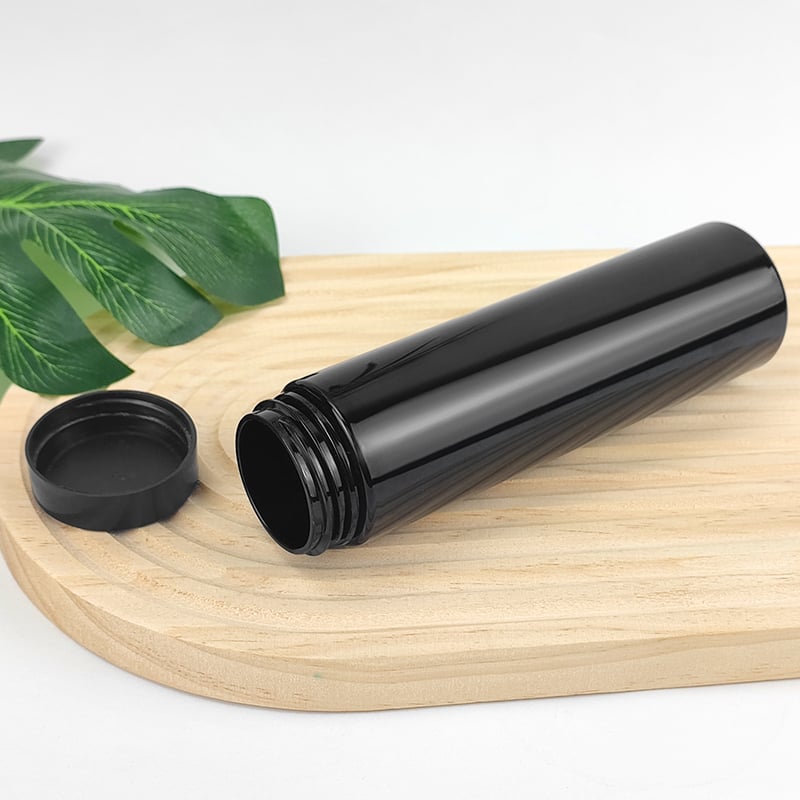
A shampoo bottle has evolved significantly over the past decade, moving beyond conventional plastic toward sustainable alternatives. Today, a biodegradable shampoo bottle represents a transformative packaging solution that combines functionality with environmental responsibility. These containers break down naturally in composting environments or through microbial action, reducing the long-term burden on landfills and ocean ecosystems. Understanding what makes a biodegradable shampoo bottle distinct and recognizing its substantial advantages can help businesses and consumers make informed purchasing decisions that align with sustainability goals.
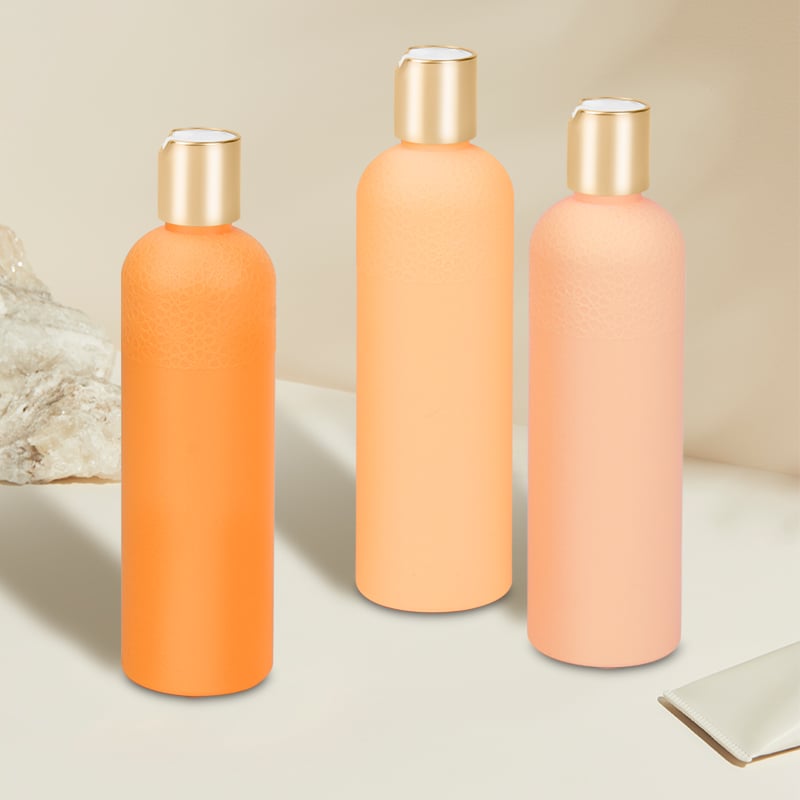
The shift toward biodegradable shampoo bottle options reflects growing consumer awareness and regulatory pressure to reduce plastic waste. Manufacturers now produce these containers from materials such as bioplastics derived from renewable resources, recycled content blends, and plant-based polymers. A well-designed biodegradable shampoo bottle maintains product integrity, offers excellent barrier properties against moisture and oxygen, and delivers the same user experience as traditional plastic bottles. This convergence of sustainability and performance has made biodegradable packaging increasingly accessible across the beauty and personal care industries.
What Defines a Biodegradable Shampoo Bottle
Material Composition and Manufacturing Standards
A biodegradable shampoo bottle typically uses materials certified to international standards such as EN 13432 or ASTM D6400, which verify genuine compostability. Common materials include polylactic acid (PLA), polyhydroxyalkanoates (PHA), and polybutylene succinate (PBS), all derived from renewable or recycled resources. The biodegradable shampoo bottle formulation ensures that under industrial composting conditions with specific temperatures, humidity, and microbial activity, the container breaks down into harmless biomass within 180 days. Unlike conventional plastic bottles that persist for centuries, these containers are engineered to integrate into natural cycles without toxic residue.
Structural Integrity and Shelf Life
Despite their eco-friendly nature, biodegradable shampoo bottle designs maintain robust structural properties required for transportation, storage, and consumer use. Modern manufacturing techniques produce bottles with excellent oxygen barrier performance, protecting liquid contents from oxidation and degradation. The biodegradable shampoo bottle retains its shape, resists cracking, and preserves product quality throughout the intended shelf life when stored under standard retail conditions. This durability ensures that the environmental benefit of biodegradation does not come at the expense of product safety or user satisfaction.
Environmental and Business Advantages
Reduced Landfill Impact and Ocean Preservation
The most significant advantage of a biodegradable shampoo bottle is its minimal environmental persistence. Traditional plastic bottles occupy landfill space for centuries and frequently fragment into microplastics that enter marine ecosystems. A biodegradable shampoo bottle, when properly composted, converts into soil amendment and organic matter within months, eliminating the long-tail environmental burden. Businesses adopting biodegradable packaging reduce their contribution to global plastic accumulation and demonstrate tangible commitment to environmental stewardship, resonating strongly with eco-conscious consumer segments.
Regulatory Compliance and Market Expansion
Governments and regulatory bodies worldwide are implementing stricter single-use plastic restrictions. A biodegradable shampoo bottle helps manufacturers comply with emerging regulations in the European Union, Asia-Pacific, and North America, avoiding penalties and market access limitations. Brands that transition to biodegradable shampoo bottle packaging position themselves ahead of regulatory timelines, gaining competitive advantage and brand loyalty among environmentally aware customers. Additionally, certifications demonstrating compostability enhance market credibility and open access to premium and eco-conscious retail channels.
Consumer and Brand Perception Benefits
Enhanced Brand Value and Consumer Trust
A biodegradable shampoo bottle signals corporate responsibility and genuine environmental commitment, elevating brand perception in competitive personal care markets. Consumers increasingly prefer brands that align with their sustainability values, and packaging choices significantly influence purchase decisions. The biodegradable shampoo bottle becomes a tangible representation of brand values, differentiating products on shelves and justifying premium pricing strategies. This perception advantage translates into increased customer loyalty, word-of-mouth endorsement, and positive media coverage that reinforces brand authority.
Supporting Circular Economy Models
Adopting a biodegradable shampoo bottle enables brands to participate in circular economy frameworks where materials return to natural cycles rather than persisting as waste. This approach reduces dependence on virgin fossil-fuel-based plastics and creates demand for renewable resource industries. A biodegradable shampoo bottle, when combined with compost collection infrastructure and consumer education, establishes closed-loop systems that minimize resource extraction and environmental degradation. Brands championing this transition attract sustainability-focused investors and partners, expanding business opportunities within growing green economy sectors.
Implementation Considerations and Performance Metrics
Production Scalability and Cost Dynamics
Transitioning to a biodegradable shampoo bottle requires investment in new manufacturing equipment and supply chain reorganization, though costs continue declining as production scales. Initial pricing for biodegradable materials remains slightly elevated compared to conventional plastics, but the gap narrows as market demand increases and economies of scale take effect. Manufacturers must evaluate total cost of ownership, including production, logistics, disposal, and brand value gains when assessing the financial viability of biodegradable packaging. Strategic partnerships with material suppliers and composting facilities can optimize costs and ensure reliable supply chains for biodegradable shampoo bottle production.
Composting Infrastructure and End-of-Life Management
For a biodegradable shampoo bottle to deliver its full environmental benefit, access to industrial composting facilities is essential. However, composting infrastructure remains limited in many regions, potentially reducing the practical degradation advantages. Brands must consider their target market's access to composting services and implement consumer education programs explaining proper disposal. Collaboration with waste management authorities and investment in local composting infrastructure development supports the viability of biodegradable shampoo bottle initiatives. Clear labeling indicating certification standards and composting requirements ensures end-of-life material handling achieves intended environmental outcomes.
FAQ
How long does a biodegradable shampoo bottle take to decompose?
Under industrial composting conditions with proper temperature, moisture, and microbial activity, a certified biodegradable shampoo bottle typically breaks down completely within 180 days. Decomposition in home compost or natural environments takes considerably longer, sometimes requiring several years, depending on conditions. Certification standards ensure reliable and predictable degradation timelines in controlled composting facilities, making industrial composting the most reliable disposal method for achieving rapid biodegradation of your shampoo bottle.
Are biodegradable shampoo bottles as durable as traditional plastic bottles?
Yes, modern biodegradable shampoo bottle designs maintain durability and structural integrity comparable to conventional plastic containers. Advanced material formulations and manufacturing processes ensure excellent barrier properties, resistance to cracking, and stable performance during storage and transportation. A properly engineered biodegradable shampoo bottle protects product contents effectively and provides users with the same functionality as traditional alternatives, with the added environmental benefit of eventual safe degradation.
What certifications should I look for in biodegradable shampoo bottles?
Reputable biodegradable shampoo bottle products carry certifications from recognized standards organizations such as the Biodegradable Products Institute (BPI), European TÜV, or similar bodies that verify compliance with EN 13432 or ASTM D6400 standards. These certifications confirm that the biodegradable shampoo bottle will genuinely decompose in industrial composting environments without toxic residue. Always verify certification labels and documentation before selecting a biodegradable shampoo bottle supplier to ensure authentic environmental benefits and compliance with applicable regulations.