
 EN
EN
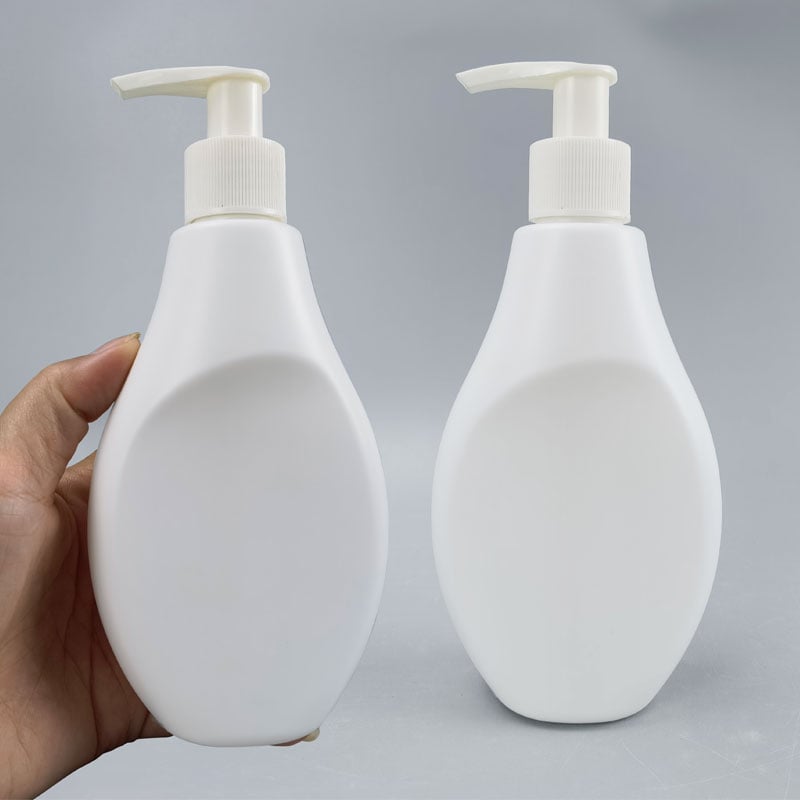
The choice of materials for a dispenser bottle directly impacts product performance, shelf appeal, user experience, and overall packaging cost. Understanding what materials are available helps manufacturers, distributors, and brand owners make informed decisions that align with product chemistry, market positioning, and regulatory requirements. From household personal care to industrial cleaning solutions, the material composition of your dispenser bottle affects durability, chemical compatibility, product preservation, and customer satisfaction.
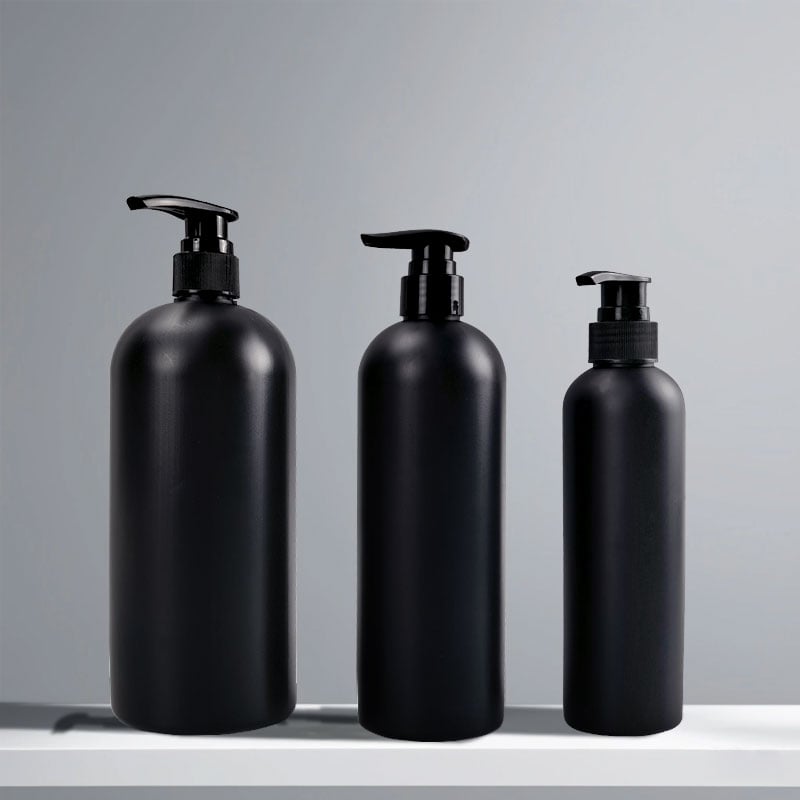
Today's packaging market offers diverse material options for liquid dispenser containers, each with distinct advantages and limitations. Whether you require a pump dispenser bottle for premium cosmetics, a refillable dispenser bottle for eco-conscious consumers, or industrial-grade containers for harsh chemicals, material selection is crucial. This guide explores the primary materials used in modern dispenser bottle manufacturing, their properties, applications, and how to select the right option for your specific needs.
Plastic Materials in Dispenser Bottle Manufacturing
High-Density Polyethylene (HDPE)
HDPE is one of the most widely used materials for creating pump dispenser bottles in the personal care and household product industries. This thermoplastic polymer offers excellent chemical resistance, making it ideal for shampoos, conditioners, lotions, and cleaning solutions. HDPE dispenser bottles are lightweight, durable, and cost-effective compared to glass alternatives. They resist impact damage during shipping and handling, reducing breakage rates and replacement costs. The material also provides good barrier properties against oxygen and moisture, helping preserve product integrity over extended shelf life. Many manufacturers prefer HDPE because it can be easily colored, molded into various shapes, and printed with high-quality graphics.
Polypropylene (PP)
Polypropylene is another popular choice for refillable dispenser bottles and liquid dispenser containers requiring superior heat resistance. This plastic maintains its structural integrity at higher temperatures, making it suitable for hot-fill processes and products that may be exposed to warm storage conditions. PP offers excellent chemical compatibility with a wider range of substances than some alternatives, including aggressive solvents and essential oils. The material is also naturally translucent, allowing users to see product levels through the bottle walls. A pump dispenser bottle made from PP can withstand repeated opening and closing cycles without degradation, supporting consumer refilling practices and sustainability goals. PP is recyclable and increasingly valued in eco-conscious market segments.
Polyethylene Terephthalate (PET)
PET plastic is commonly used in premium liquid dispenser containers where clarity and visual appeal are essential. This material provides exceptional transparency, making it the preferred choice for products where consumers want to see the contents clearly, such as serums, essential oils, and specialty cosmetics. A dispenser bottle made from PET offers good barrier properties against gas and moisture, extending product shelf life significantly. However, PET is generally more expensive than HDPE or PP, which can impact overall packaging costs. The material works well with pump dispenser bottle systems and maintains rigidity even in thin-walled designs, enabling lighter packaging that reduces transportation emissions and shipping expenses.
Glass and Metal Dispenser Bottle Options
Glass as a Premium Material Choice
Glass remains a classic choice for high-end personal care, pharmaceutical, and specialty products where brand positioning emphasizes quality and sophistication. A glass dispenser bottle offers superior chemical inertness, meaning it does not interact with product contents regardless of acidity, alkalinity, or aggressive chemical composition. This makes glass the safest choice for sensitive formulations, pharmaceutical products, and liquid dispenser containers requiring absolute purity. Glass provides excellent barrier protection, completely blocking oxygen and moisture from entering the container. The material conveys premium brand perception and appeals to environmentally conscious consumers who value recyclability and reusability. However, glass dispenser bottles are significantly heavier, more expensive to produce, and carry higher breakage risk during transportation, which can increase overall supply chain costs.
Aluminum and Metal Alternatives
Aluminum and stainless steel are increasingly used in creating refillable dispenser bottles for markets emphasizing durability and sustainability. Aluminum containers are lightweight yet rigid, offering excellent barrier properties against light and oxidation. A pump dispenser bottle with aluminum construction works well for products sensitive to light exposure, such as oils and serums. Stainless steel dispensers are popular in professional and industrial settings where durability and hygiene are paramount. These metal options appeal to premium market segments and support brand differentiation. Metal dispenser bottles typically cost more than plastics but offer superior longevity and can be used for years without degradation. The recyclability of metals further enhances their appeal to environmentally conscious manufacturers and consumers seeking sustainable packaging solutions.
Selecting the Right Material for Your Dispenser Bottle
Balancing Chemistry, Cost, and Market Positioning
Choosing the ideal material for your liquid dispenser container requires evaluating product chemistry compatibility, target market expectations, and budget constraints. If your formula contains aggressive chemicals, essential oils, or alcohol-based products, plastic compatibility testing becomes essential. A pump dispenser bottle for everyday household products may prioritize cost efficiency, while premium skincare or luxury fragrances demand materials that elevate brand perception. Environmental considerations increasingly influence material selection, with refillable dispenser bottle designs gaining traction among eco-conscious consumers. Regulatory compliance in specific markets may restrict certain plastics or require glass alternatives for pharmaceutical applications. Consider shelf life requirements, storage conditions, transportation distance, and whether your distribution includes warm climates or humidity-intensive environments.
Evaluating Durability and User Experience
The dispenser bottle material directly affects how consumers interact with your product and their satisfaction with the packaging experience. Lightweight plastics reduce consumer fatigue during product application, while glass conveys luxury but adds weight to bathroom or shower settings. Test how different materials perform with your pump dispenser bottle system—whether the dispenser mechanism functions smoothly, whether the bottle resists clouding or discoloration over time, and whether the material withstands repeated use cycles. A refillable dispenser bottle should maintain structural integrity through multiple fill cycles without weakening seals or developing micro-cracks. Color stability matters too; some materials fade or yellow under UV light, while others maintain appearance through years of use. Assess whether your chosen material allows for comfortable grip, whether printed graphics remain vibrant, and whether the finish reflects your intended brand aesthetic.
Cost Implications and Supply Chain Considerations
Material selection significantly impacts production costs, minimum order quantities, lead times, and supply chain flexibility for your liquid dispenser container business. HDPE typically offers the lowest per-unit cost and fastest production timelines, making it ideal for high-volume commercial products. PET and PP involve moderate cost premiums but still provide economic efficiency at scale. Glass and metal options command higher unit costs and longer production lead times but support premium positioning and higher retail margins. Evaluate whether your target market will accept the premium pricing required for glass or metal, or whether cost-conscious consumers demand plastic alternatives. Consider supply chain resilience—are raw materials readily available in your region? Do supplier relationships offer long-term stability? Some manufacturers maintain multiple dispenser bottle material options to serve different market segments and reduce dependency on single suppliers. Understanding these trade-offs allows you to optimize packaging investment while maintaining profit margins.
FAQ
What is the most common material for dispenser bottles?
HDPE plastic is the most widely used material for pump dispenser bottles across personal care, household, and cosmetic industries. Its combination of affordability, durability, chemical resistance, and ease of manufacturing makes HDPE the default choice for mainstream products. Most refillable dispenser bottles and liquid dispenser containers produced globally use HDPE because it offers excellent performance across diverse applications while maintaining competitive cost structures. The material suits high-volume production and works well with standard pump dispenser bottle filling and packaging equipment.
Are glass dispenser bottles better than plastic?
Glass and plastic materials serve different market needs, and neither is universally 'better'—it depends on your specific requirements. Glass excels for premium positioning, chemical inertness, and products sensitive to oxygen exposure, making it superior for luxury skincare, pharmaceuticals, and high-value formulations. However, plastic pump dispenser bottles offer practical advantages including lower cost, lighter weight for easier handling, durability against breakage, and suitability for most household and commercial products. A refillable dispenser bottle made from plastic may actually outperform glass for consumers prioritizing sustainability through extended reuse rather than recycling. Select based on product chemistry, market positioning, and consumer expectations rather than assuming one material universally surpasses the other.
Can refillable dispenser bottles be made from different materials?
Yes, refillable dispenser bottles are manufactured from multiple materials including HDPE, PP, PET plastics, glass, and aluminum. The choice depends on your product type, sustainability goals, and target consumer expectations. A plastic refillable dispenser bottle appeals to budget-conscious consumers and supports frequent reuse due to durability and light weight. Glass options attract premium and eco-focused markets but require careful handling due to breakage risk. Aluminum refillable dispenser bottles balance durability with sustainability and work well for high-end products. Manufacturers often develop product lines with multiple material options to serve different market segments and consumer preferences, allowing flexibility in material selection based on specific liquid dispenser container requirements.