 EN
EN
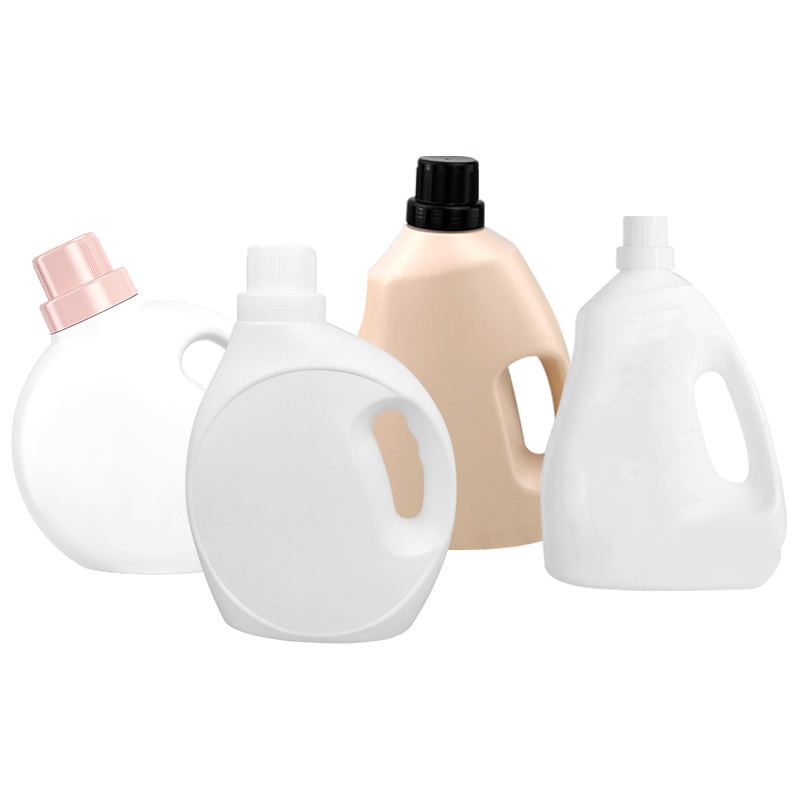
The material composition of a detergent bottle directly influences product safety, shelf stability, consumer confidence, and environmental responsibility. Manufacturers and retailers often overlook this critical decision, focusing primarily on cost rather than long-term performance and brand reputation. Selecting the right material for your laundry detergent packaging requires understanding chemical compatibility, structural integrity, consumer expectations, and regulatory compliance.
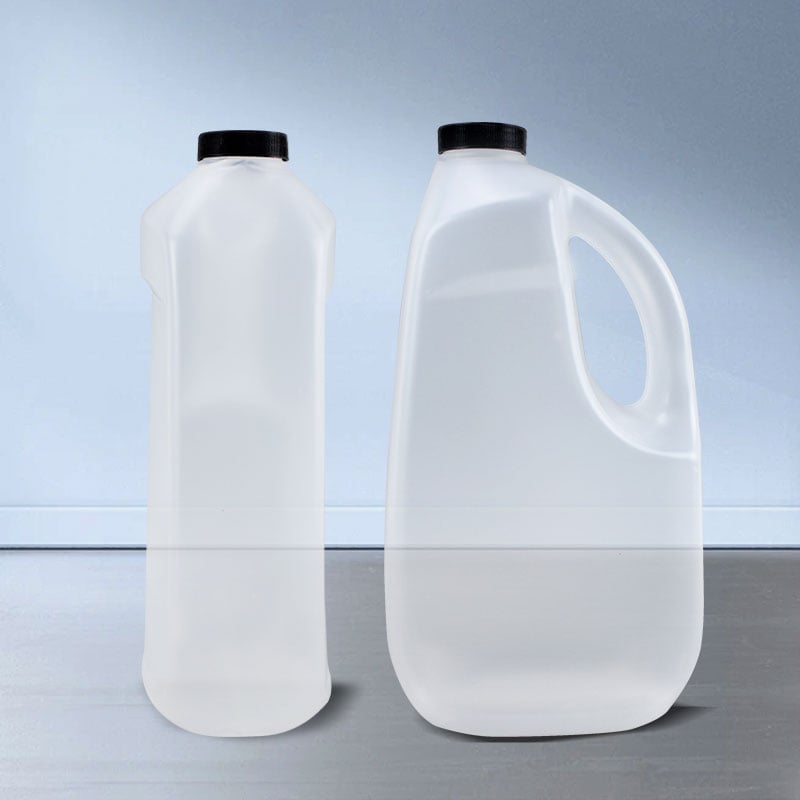
The choice of material for cleaning product containers affects everything from product stability to user experience and brand perception. A poorly selected material can compromise product efficacy, cause leaks, create safety hazards, or damage brand trust. Understanding why detergent bottle material matters enables producers to make informed decisions that balance cost efficiency with quality assurance and customer satisfaction.
Chemical Compatibility and Product Stability
How Material Reacts With Detergent Formulations
Different laundry detergent packaging materials interact uniquely with surfactants, enzymes, bleach additives, and fragrance compounds found in cleaning product containers. Polypropylene (PP) offers superior chemical resistance compared to lower-grade plastics, preventing interaction between aggressive cleaning agents and the container walls. When incompatible materials contact alkaline or acidic detergent formulations, the container degrades, causing discoloration, brittleness, or microscopic cracks that lead to product leakage and contamination.
Polyethylene terephthalate (PET) works effectively for water-based detergents but may degrade with high-concentration surfactant blends over extended storage periods. High-density polyethylene (HDPE) provides decent chemical resistance but remains vulnerable to certain solvents and preservatives used in premium cleaning product formulations. Testing material compatibility before full-scale production prevents costly recalls, product loss, and reputational damage in the detergent industry.
Barrier Properties and Shelf Life Extension
Premium detergent bottle materials include multilayer barrier technology that blocks oxygen, moisture, and light from degrading active ingredients. Oxygen exposure accelerates bleach decomposition, enzyme inactivation, and fragrance volatilization within cleaning product containers over months of warehouse and retail storage. A robust plastic detergent dispenser with high barrier properties maintains product potency from manufacturing through consumer purchase, ensuring that laundry detergent packaging delivers consistent cleaning performance even after extended shelf placement.
Material thickness, UV stabilization, and additives significantly influence how long detergent remains effective inside the container. Thinner, lower-cost materials allow faster permeation, reducing shelf life from one year to six months or less. Retailers and consumers both expect laundry detergent packaging to protect product integrity for reasonable time periods, making barrier performance a direct factor in customer satisfaction and repeat purchases.
Structural Integrity and Leak Prevention
Impact Resistance and Drop Safety
The detergent bottle must withstand rough handling during manufacturing, transportation, warehouse stacking, retail display, and consumer use. Impact-resistant materials like reinforced polypropylene absorb shock without cracking, while brittle plastics fail under modest stress. Cleaning product containers experience enormous stacking pressure in warehouses; a single failed bottle can cascade into dozens of damaged units and product loss across an entire pallet.
Retail environments subject laundry detergent packaging to frequent drops, bumps, and customer handling. Brittle materials that seem cost-effective during purchase often result in visible damage before sale, forcing retailers to remove product from shelves. A plastic detergent dispenser engineered from impact-resistant material reduces customer-side returns, damage claims, and negative reviews tied to leaking or broken containers arriving at home.
Seal and Closure Reliability
The seal between bottle and cap depends on material compatibility, dimensional consistency, and closure system design in cleaning product containers. Soft plastics that compress or warp over time develop micro-gaps where detergent escapes, creating liability risks and inventory losses. Hard, dimensionally stable materials like premium polypropylene maintain consistent bottle shape, allowing caps to create reliable seals across the entire product shelf life of laundry detergent packaging.
Defective seals cause product leakage, environmental contamination, chemical exposure risks for consumers, and costly product recalls. Material selection directly impacts closure reliability; inferior plastics expand with temperature changes, creating gaps that compromise the integrity of detergent bottle closure systems and allow product loss during storage and transport.
Brand Perception and Market Competitiveness
Visual Quality and Shelf Appeal
Consumer purchasing decisions for laundry detergent packaging occur within seconds during retail browsing. Material choice influences visual clarity, color vibrancy, surface finish quality, and overall perceived value of cleaning product containers. Premium materials like clear, UV-stabilized polypropylene project quality and professionalism, while cloudy or yellowed bottles suggest inferior products regardless of actual formula performance. The detergent bottle appearance directly impacts shelf pick-up rates, customer confidence, and brand perception in crowded retail environments.
Retailers allocate shelf space based on product performance and visual appeal. A plastic detergent dispenser with superior clarity, vibrant printing, and professional finish commands premium placement, while dull or deteriorating containers get buried in back-shelf positions. Material quality directly translates to visibility advantage and sales velocity in competitive cleaning product categories.
Sustainability and Consumer Values
Modern consumers increasingly prefer laundry detergent packaging manufactured from recycled or recyclable materials that align with environmental values. Choosing recyclable plastic for cleaning product containers appeals to eco-conscious buyers and differentiates brands in sustainability-focused markets. A detergent bottle engineered from post-consumer recycled content signals corporate environmental responsibility and justifies premium pricing with environmentally motivated consumers who prioritize sustainable choices.
Material transparency and recyclability statements on packaging influence purchase decisions among younger, values-driven demographics. Brands utilizing premium, recyclable plastics for their detergent bottle designs build stronger customer loyalty and positive brand associations compared to competitors using lower-grade, non-recyclable alternatives in cleaning product containers.
FAQ
What material offers the best chemical resistance for laundry detergent packaging?
Polypropylene (PP) consistently provides superior chemical resistance against surfactants, bleaches, enzymes, and fragrance compounds used in detergent formulations. High-density polyethylene (HDPE) offers moderate resistance, while PET works best for water-based, gentler cleaning product containers. PP remains the industry standard for demanding laundry detergent packaging applications where extended product shelf life and chemical compatibility are critical performance requirements.
How does detergent bottle material affect product shelf life?
The material's barrier properties directly control how quickly oxygen, moisture, and light degrade active ingredients within cleaning product containers. Premium materials with multilayer barrier technology maintain product potency for twelve to eighteen months, while lower-grade plastics may lose efficacy within six months. Choosing a plastic detergent dispenser with proven barrier performance ensures consistent customer satisfaction throughout the product's retail and home storage period.
Why does material choice impact the cost of laundry detergent packaging?
Premium materials like reinforced polypropylene cost more upfront but reduce waste from failed seals, impact damage, and premature deterioration of cleaning product containers. Lower-cost plastics require higher replacement rates due to leaks, cracks, and appearance degradation, ultimately increasing total packaging cost per saleable unit. Material selection for your detergent bottle represents a balance between initial investment and long-term reliability that directly affects profit margins and customer retention.