
 EN
EN
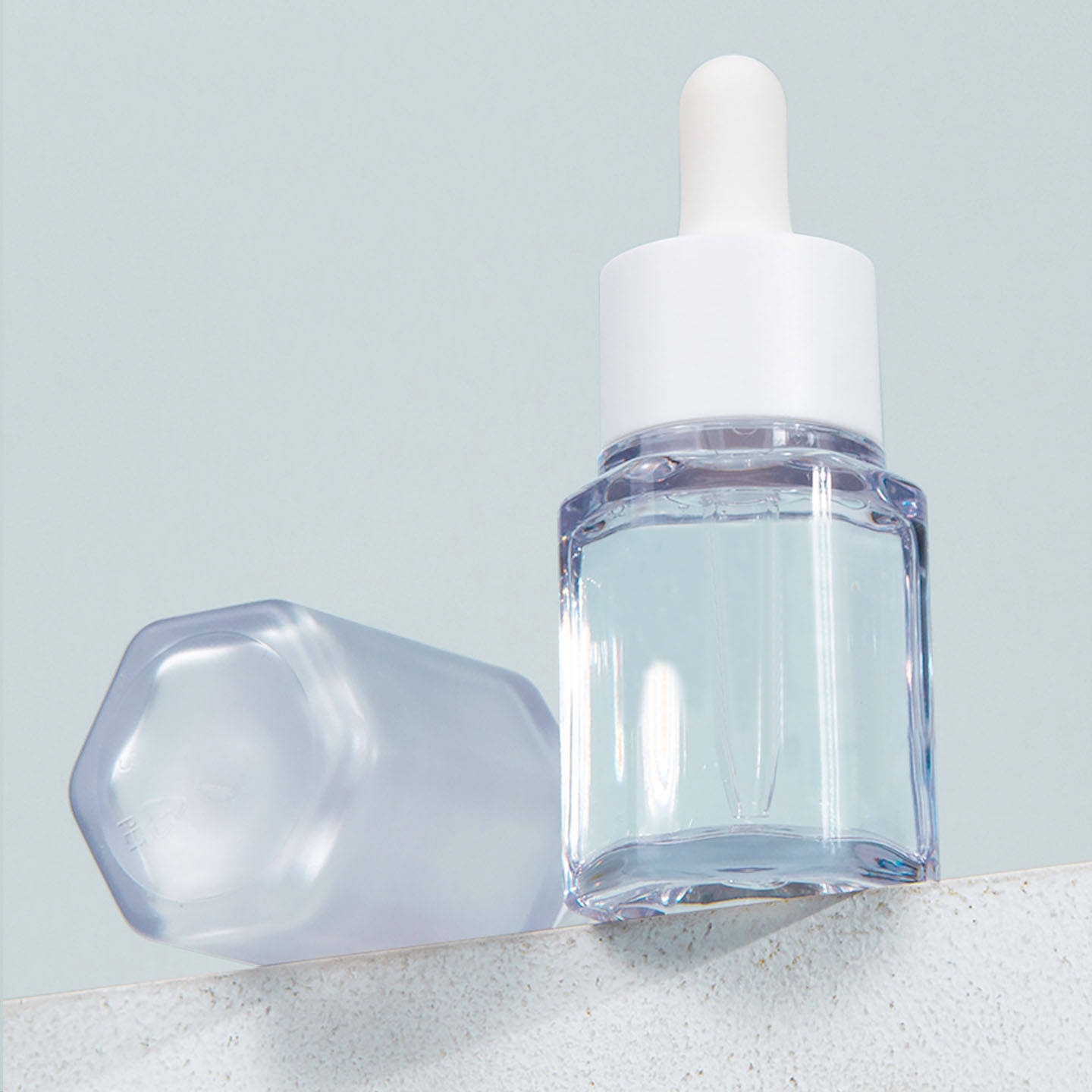
Child-resistant design in pharmaceutical packaging has become essential to modern healthcare safety protocols. A pill bottle designed with child-resistant features significantly reduces accidental poisoning incidents among young children. According to health organizations worldwide, thousands of emergency room visits annually stem from unintended medication exposure, making this design consideration not merely regulatory compliance but a fundamental healthcare responsibility.
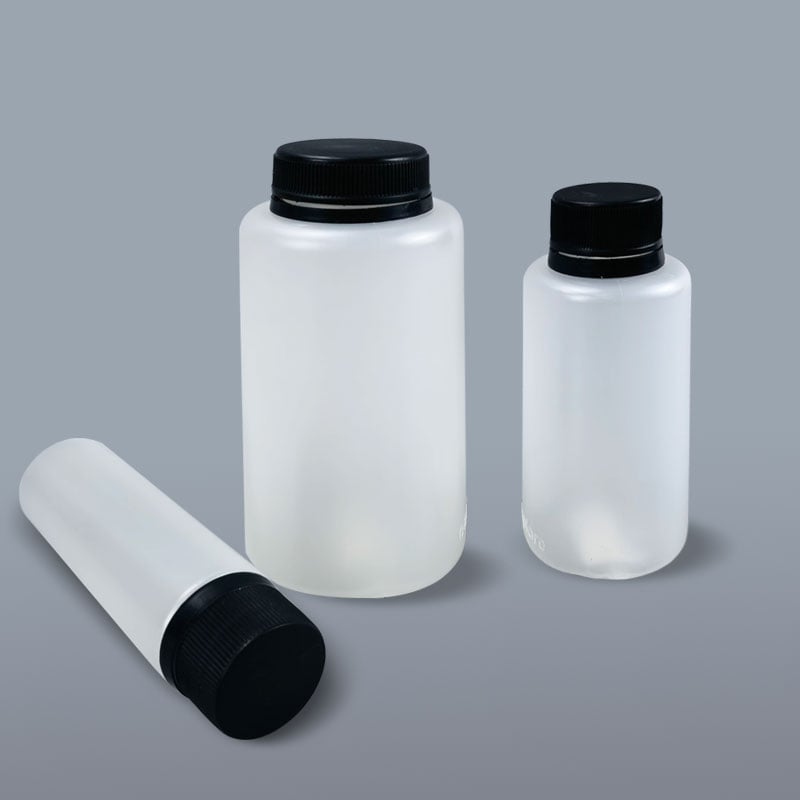
The design and manufacturing of a medication container involves balancing accessibility for seniors and individuals with limited dexterity against protecting vulnerable populations. Modern pharmaceutical packaging standards mandate that closures require a specific combination of push-and-turn or other coordinated actions that children under five cannot typically execute. This protective mechanism ensures that tablet storage remains secure while remaining functional for intended adult users.
The Critical Role of Child-Resistant Closures
Understanding Regulatory Requirements
Regulatory bodies across North America, Europe, and Asia have established strict guidelines for pharmaceutical packaging safety. In the United States, the Poison Prevention Packaging Act requires most medications to use child-resistant closures unless patients specifically request alternatives. These regulations recognize that a standard pill bottle without protective features poses genuine danger, particularly in households with children. Manufacturers must test their medication container designs against defined protocols where children aged 42 to 51 months attempt to open sealed containers within specific timeframes.
Design Mechanisms That Protect
Child-resistant pill bottle designs employ multiple strategies to prevent accidental opening. Push-and-turn caps require simultaneous downward pressure and rotation, a motor skill combination most young children have not yet developed. Slide-lock mechanisms demand sliding a tab while lifting the lid, introducing sequential complexity. Blister packs and other tablet storage formats segment medication into individual compartments, limiting exposure if a child manages to access the packaging. These pharmaceutical packaging innovations maintain effectiveness while avoiding designs that frustrate elderly users or those with arthritis who legitimately need regular access.
Real-World Impact on Public Health
Reducing Poisoning Incidents and Emergency Care Burden
Emergency departments report dramatic reductions in pediatric medication poisoning cases following widespread adoption of child-resistant closures on medication containers. Before mandatory child-resistant design standards, poisoning represented one of the leading injury causes for children under six. Medication accounted for a substantial portion of these incidents because pills and liquids often resembled candy or juice to curious young minds. Modern pharmaceutical packaging requirements have decreased these tragedies by approximately 80 percent since the 1970s, demonstrating that thoughtful design directly saves lives. Healthcare facilities benefit from reduced emergency admissions, allowing staff to focus on other critical interventions while families avoid the trauma of accidental medication exposure.
Supporting Safe Medication Management in Mixed-Age Households
Many households contain multiple generations, combining elderly residents requiring frequent medication access with grandchildren or young visitors. A well-designed pill bottle with child-resistant features serves both populations effectively. Seniors can usually operate push-and-turn closures despite arthritic hands, while toddlers cannot replicate the required motor actions. This design consideration proves particularly valuable in communities where multigenerational living remains common, and in clinical settings where pediatric and geriatric patients share facilities. Pharmaceutical packaging that accommodates accessibility needs while maintaining child-resistant protection reflects sophisticated understanding of real-world usage patterns.
Choosing Appropriate Medication Container Solutions
Evaluating Options for Different Medication Types
Different medications benefit from different tablet storage approaches based on their formulation, frequency of use, and specific safety requirements. Liquid medications require child-resistant closures specifically designed for bottles, preventing children from removing and drinking contents. Solid tablet storage in a standard pill bottle works for most oral medications, though some compounds need moisture protection or light-blocking properties that specialized pharmaceutical packaging provides. Blister packs offer individual dose segmentation, adding accidental-access barriers for children while helping patients remember whether they took their medication. Selecting the right medication container format means considering household composition, patient age, mobility constraints, and the specific medication's stability requirements.
Integrating Design with Patient Compliance
An overly complicated medication container that frustrates patients can reduce compliance rates, undermining the therapeutic benefit of the medication itself. Child-resistant design must balance protection without creating barriers so substantial that adults abandon consistent use. Clear labeling, color coding for different medications, and intuitive closure mechanisms help patients manage multiple prescriptions confidently. Pharmaceutical packaging that communicates proper use through visual design reduces errors and missed doses. Healthcare providers and pharmacists play crucial roles in helping patients select tablet storage solutions that align with their capabilities and household situations, ensuring both safety and consistent medication adherence.
FAQ
Are all pills bottles required to have child-resistant closures?
Most prescription medications must be dispensed in a medication container with child-resistant features under regulatory requirements, though patients can request traditional closures if they have no children in their household. Nonprescription medications and certain specific exceptions, such as medications for elderly patients living alone, may use standard closures. Always consult with your pharmacist about whether your specific medication requires child-resistant packaging or whether alternatives suit your situation.
Can elderly individuals easily open child-resistant pill bottles?
Well-designed pharmaceutical packaging incorporates closures that seniors with typical age-related hand strength can operate successfully. Push-and-turn mechanisms, while resistant to children, generally remain accessible to adults with normal dexterity. However, individuals with severe arthritis or limited hand strength may struggle with certain designs. Pharmacists can provide extra-easy-open alternatives or demonstrate proper opening techniques, and many medication container manufacturers offer adaptive solutions for patients with specific physical limitations.
What should I do if a child opens my pill bottle accidentally?
If a child gains access to your tablet storage and consumes unknown amounts of medication, contact Poison Control immediately or seek emergency medical care. Provide responders with exact information about the medication name, strength, and approximate quantity consumed. Keep your pharmaceutical packaging clearly labeled with contents and contact information. Prevent future incidents by storing medication containers in high cabinets away from children's reach, using locked medication storage boxes, and teaching children not to touch medications without adult permission.