
 EN
EN
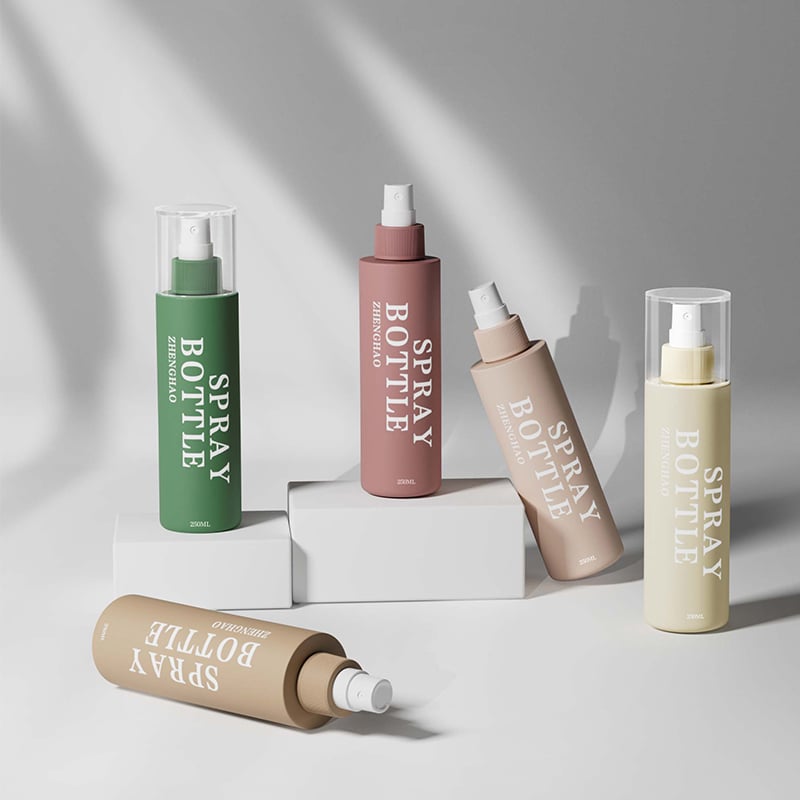
A toner bottle is a specialized container designed to hold and dispense toner powder or liquid toner for printers, copiers, and cosmetic applications. Understanding what a toner bottle is and how it functions is essential for anyone managing printer supplies, operating industrial equipment, or developing skincare products. The toner bottle serves as the critical link between raw toner material and the final output, whether that means crisp printed documents or perfectly applied liquid toner in beauty formulations.
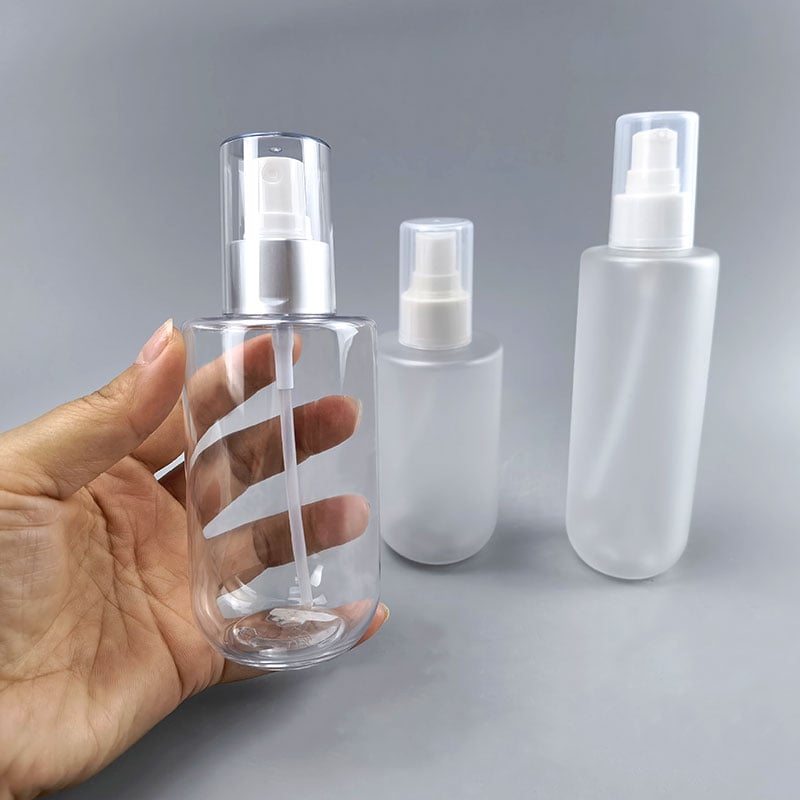
The design and function of a toner bottle depend heavily on its intended use. For printer applications, a toner bottle must provide precise control over powder distribution and prevent contamination. For cosmetic uses, the toner bottle requires different specifications including transparency for monitoring content levels and spray mechanisms for even application. Regardless of the specific application, every toner bottle is engineered to protect its contents from moisture, dust, and light exposure while maintaining easy access and accurate dispensing throughout its lifecycle.
Core Components and Design of a Toner Bottle
Material Selection and Structural Features
The construction of a toner bottle begins with material selection. Most modern toner bottles are manufactured from polyethylene terephthalate (PET) or high-density polyethylene (HDPE) plastics. These materials provide excellent barrier protection against moisture and oxygen, which can degrade toner powder or cause chemical reactions in liquid formulations. The walls of the toner bottle are typically designed with sufficient thickness to withstand handling stress while remaining lightweight for transportation and storage efficiency.
The structural design of a toner bottle includes a precisely engineered neck opening that accommodates either a screw cap, snap closure, or spray dispenser head. For refillable toner cartridge systems, the toner bottle features an internal shape that matches the receiving chamber of the printer or device. This precision fit ensures that no spillage occurs during transfer and that the powder or liquid settles properly into the device mechanism. The base of the toner bottle is reinforced to support the weight of the contents without deformation, especially important for large-volume toner powder storage applications.
Closure Systems and Sealing Mechanisms
Effective sealing is fundamental to how a toner bottle maintains product integrity. The closure system typically includes a threaded or snap-fit cap paired with an internal seal layer. For liquid toner applications, a spray pump mechanism may replace the traditional cap, allowing controlled misting. The seal must create an airtight barrier to prevent evaporation, oxidation, and contamination. Many toner bottle designs include a tamper-evident band or seal strip that breaks upon first opening, signaling to users that the product has never been accessed.
The printer toner container closure is often designed with an internal anti-backflow mechanism that prevents toner powder from escaping when the bottle is inverted or tilted. This feature is essential for maintaining a clean work environment and preventing waste. Some refillable toner cartridge bottles incorporate a measuring window or graduation marks on the side, allowing users to estimate remaining content without opening the container.
How a Toner Bottle Works in Practical Application
Operational Mechanisms for Powder Toner Distribution
When using a toner bottle with printer equipment, the operational sequence begins with accessing the device's toner refill port. The user removes the cap or closure from the toner bottle and carefully positions it above the refill chamber. For a refillable toner cartridge, the bottle's spout aligns with a funnel or direct injection port, creating a controlled pathway for the powder. The user then applies gentle pressure or allows gravity to feed the toner powder into the cartridge reservoir. The internal shape of the toner bottle facilitates smooth flow by angling the bottom section toward the spout, ensuring minimal residue remains inside the container.
Air circulation within the toner bottle prevents vacuum conditions that could block powder flow. Many toner bottle designs incorporate small air vent holes or a balance air channel that equalizes pressure as the contents dispense. This feature is particularly important for toner powder storage scenarios where the bottle may sit for extended periods before use. Without proper air circulation, the powder can compact and resist pouring when needed.
Liquid Toner Dispensing and Application Methods
Liquid toner bottles operate on different principles than powder containers. When equipped with a spray pump dispenser, the toner bottle delivers fine mist applications suitable for cosmetic and skincare products. The pump mechanism draws liquid from the bottom of the bottle through a thin tube and atomizes it through a nozzle when the user presses the spray head. This design ensures consistent dosing and even coverage across the skin or target surface. The refillable nature of many cosmetic toner bottles allows consumers to replace empty containers with new ones, reducing waste and providing convenience.
The internal structure of a liquid toner bottle includes a dip tube that extends to the very bottom, ensuring that the last drops of product can be accessed. The bottle material is often transparent or frosted to allow users to monitor remaining content and plan repurchasing. For professional settings, larger toner powder storage bottles may include pour spouts, flip-top caps, or flip dispensers that minimize air exposure during each use, extending shelf life and maintaining product quality throughout the refillable cycle.
Key Design Considerations for Different Use Cases
Industrial and Printer Equipment Compatibility
Toner bottle specifications must align precisely with the equipment it serves. For printer toner container applications, dimensional accuracy is non-negotiable. The bottle diameter, height, and spout configuration must match the cartridge design specifications to ensure compatibility and prevent cross-contamination between different toner types or colors. Industrial settings requiring high-volume toner powder storage benefit from larger refillable toner cartridge designs that reduce the frequency of refilling operations and minimize labor costs.
Temperature stability is another critical design consideration. Toner bottles used in industrial environments must withstand the heat generated by office equipment and ambient fluctuations without warping or releasing harmful chemicals into the toner powder. UV-resistant materials protect toner from degradation if stored in spaces with natural light exposure. The closure system must remain effective even after repeated opening and closing cycles that occur in high-volume refilling operations.
Cosmetic and Personal Care Application Standards
Cosmetic toner bottles face different regulatory and aesthetic requirements than industrial containers. The material must be food-grade or cosmetic-grade compliant, meeting international safety standards for products applied to human skin. Many cosmetic toner bottles feature frosted or opaque exteriors that enhance visual appeal while protecting contents from light degradation. The spray mechanism must deliver consistent mist patterns that users expect from premium skincare products, with minimal waste and easy application.
The refillable toner cartridge concept extends into the cosmetic industry through reusable bottle systems. Brands provide empty refillable bottles alongside toner powder or concentrate refills, appealing to environmentally conscious consumers. These bottles must feature durable closure systems and pump mechanisms capable of surviving many refill cycles without performance degradation. The visual design of the toner bottle becomes a brand touchpoint, influencing consumer perception and purchase decisions in competitive cosmetic markets.
FAQ
What materials are best for toner bottle construction?
PET and HDPE plastics are industry standards for toner bottle manufacturing due to their excellent moisture and oxygen barrier properties. These materials protect toner powder storage from environmental contamination while remaining cost-effective and recyclable. For cosmetic applications, materials must meet food-grade or cosmetic-grade certification standards to ensure safety for skin contact. The thickness and density of the plastic used directly impact the durability and shelf life of the refillable toner cartridge or container.
How does a toner bottle prevent toner powder waste?
Effective toner bottle design minimizes waste through several mechanisms including angled internal surfaces that guide powder toward the spout, anti-backflow seals that prevent spillage when inverted, and properly functioning closure systems that maintain airtight conditions. Air vent channels prevent vacuum conditions that could block powder flow or require excessive force during dispensing. For refillable toner cartridge systems, the precise fit between the bottle spout and the receiving chamber ensures smooth transfer without powder scatter or contamination of the surrounding work area.
Can toner bottles be reused or refilled multiple times?
Yes, many toner bottles are specifically designed as refillable containers for both printer and cosmetic applications. A refillable toner cartridge bottle maintains its structural integrity and sealing capability through multiple refill cycles when handled properly and cleaned between uses. Cosmetic toner bottles with spray pump dispensers are commonly refilled by manufacturers or consumers using compatible toner concentrates. However, repeated use does gradually wear closure mechanisms and may eventually compromise the airtight seal, so periodic replacement of empty containers ensures continued performance and product protection.