
 EN
EN
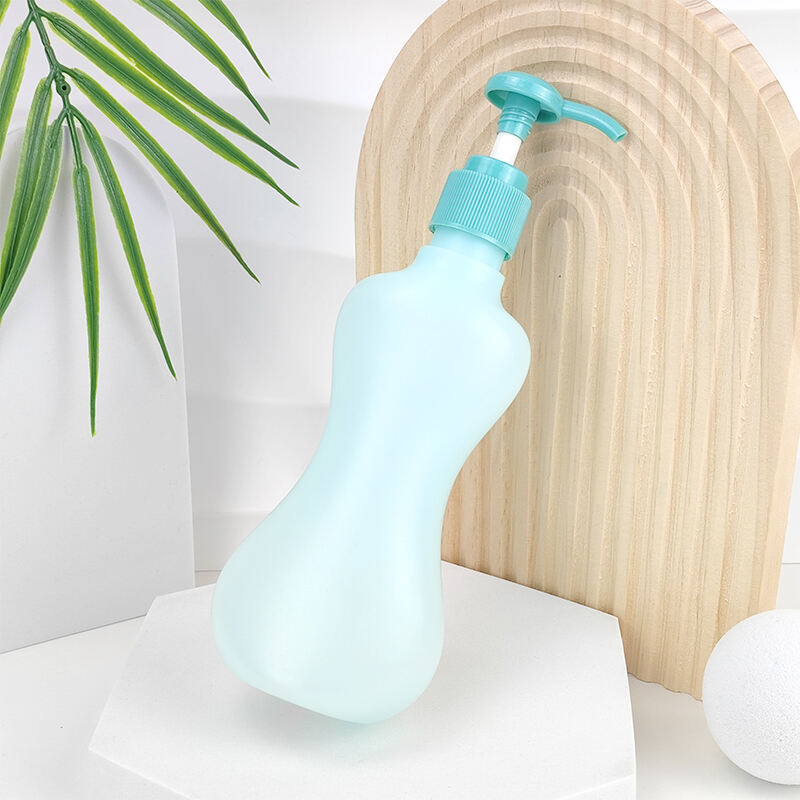
In the competitive landscape of skincare and cosmetic packaging, user experience has become a critical differentiator that influences purchasing decisions and brand loyalty. Plastic serum bottles have emerged as a preferred packaging solution across the beauty and pharmaceutical industries, largely because they balance functionality, safety, and ease of use in ways that glass alternatives often cannot match. Understanding what makes these containers truly user-friendly requires examining multiple design elements that work together to create a seamless experience from the moment a consumer picks up the product until the last drop is dispensed.
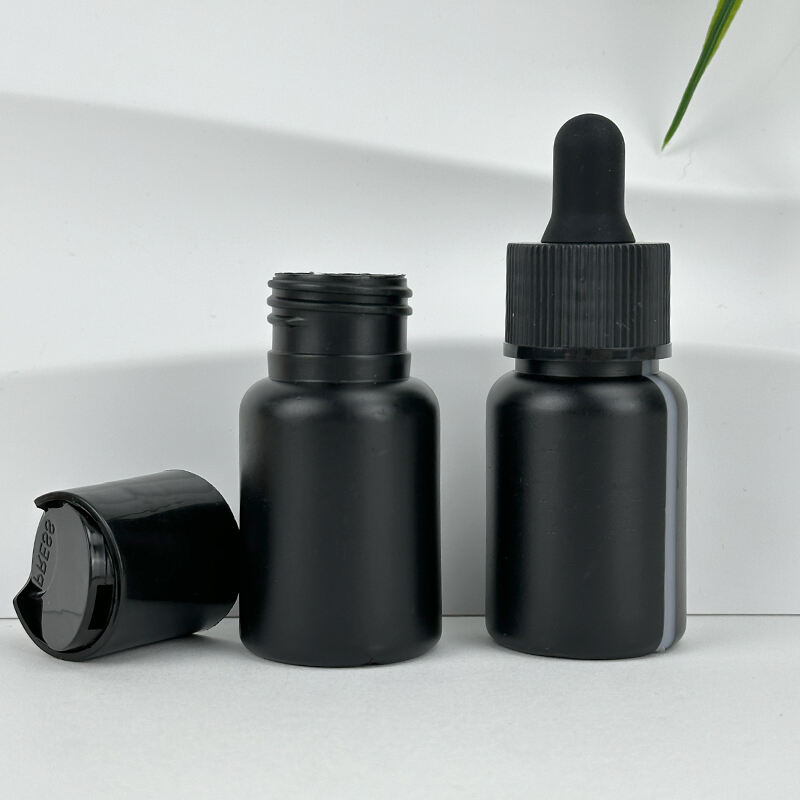
The user-friendliness of plastic serum bottles stems from a combination of ergonomic design principles, material properties, dispensing mechanisms, and visual clarity that together address the practical needs of daily skincare routines. These bottles serve not merely as containers but as integral components of the user experience, where every tactile interaction, visual cue, and functional element contributes to satisfaction and product efficacy. The thoughtful integration of form and function in modern plastic serum bottles reflects decades of packaging innovation driven by consumer feedback and behavioral research, resulting in containers that feel intuitive even to first-time users while maintaining the precision required for effective product application.
Ergonomic Design Elements That Enhance Daily Handling
Shape and Grip Optimization
The physical form of plastic serum bottles plays a fundamental role in determining how comfortably users can handle them during application. Manufacturers design these containers with subtle contours and textures that accommodate natural hand positions, allowing fingers to wrap securely around the bottle body without excessive gripping force. The cylindrical or slightly tapered shapes common in plastic serum bottles fit naturally in the palm, reducing hand fatigue during multiple daily uses. Many designs incorporate a gentle waist or indentation that provides a tactile reference point, helping users maintain control even when hands are slightly damp or oily from previous skincare steps.
The weight distribution in well-designed plastic serum bottles contributes significantly to their user-friendliness by creating a balanced feel that prevents tipping and allows precise control during dispensing. Unlike heavier glass alternatives that can feel cumbersome or precarious, quality plastic serum bottles achieve an optimal weight that feels substantial enough to convey quality yet light enough for effortless manipulation. This balance becomes particularly important for users with limited hand strength, arthritis, or dexterity challenges, making these containers more inclusive across diverse user populations. The center of gravity in thoughtfully engineered bottles remains low and stable, preventing the container from becoming top-heavy when nearly full or unstable when nearly empty.
Surface Texture and Material Feel
The tactile experience of interacting with plastic serum bottles extends beyond shape to encompass surface treatments that enhance grip security and sensory appeal. Many manufacturers apply subtle texturing, matte finishes, or soft-touch coatings that increase friction between skin and container, reducing the likelihood of accidental drops in bathroom environments where surfaces may be wet. These surface treatments also contribute to a premium feel that elevates the perceived value of the product, demonstrating that plastic packaging need not sacrifice luxury aesthetics for functional advantages. The choice of finish affects not only grip but also how fingerprints and residues appear on the bottle surface, with matte and textured finishes generally showing less visible marking than high-gloss alternatives.
Temperature perception represents another often-overlooked aspect of user comfort with plastic serum bottles, as these materials do not conduct heat as readily as metal or glass alternatives. Users appreciate that plastic containers feel neutral to the touch rather than uncomfortably cold during early morning routines or when stored in cooler environments. This thermal neutrality contributes to a more pleasant handling experience and eliminates the slight shock that can occur when grasping cold glass bottles. Additionally, the insulating properties of plastic help maintain product temperature stability during the brief moments of handling, which can be relevant for formulations sensitive to temperature fluctuations.
Dispensing Mechanisms That Provide Precision and Hygiene
Dropper Systems and Controlled Release
The integration of dropper assemblies in plastic serum bottles represents a critical factor in their user-friendliness, as these mechanisms directly control product dosage and application precision. Modern dropper designs feature calibrated pipettes that allow users to dispense exactly the number of drops recommended by the formulation, eliminating guesswork and reducing product waste. The squeeze-bulb mechanism provides intuitive feedback through resistance that helps users develop muscle memory for consistent dosing across repeated uses. Quality dropper systems maintain their performance throughout the product lifecycle, with durable bulbs that retain elasticity and pipette tips that resist clogging even with viscous serums.
Hygiene considerations make dropper-equipped plastic serum bottles particularly user-friendly by minimizing direct contact between fingers and product formulation. The closed dispensing system prevents contamination that could compromise product efficacy or introduce bacteria into sensitive skincare formulations. Users appreciate that they can dispense product without ever touching the serum itself, maintaining formulation integrity from first use to last. The dropper design also prevents over-dispensing accidents that commonly occur with pump mechanisms or open-mouth bottles, as users maintain complete control over the amount released with each squeeze of the bulb.
Pump and Airless Dispensing Innovations
Alternative dispensing mechanisms in plastic serum bottles include pump systems that offer one-handed operation convenience, particularly valued by users who need to manage multiple products simultaneously during skincare routines. These pumps deliver consistent dosages with each actuation, simplifying the application process and ensuring product longevity by preventing over-dispensing. The tactile click or resistance of a well-engineered pump provides satisfying feedback that confirms successful dispensing, even when users are not directly watching the process. Pump mechanisms also excel in protecting oxygen-sensitive formulations by limiting air exposure during normal use, extending product shelf life after opening.
Airless pump technology represents an advanced approach to dispensing that maximizes user-friendliness by eliminating many common frustrations associated with traditional bottle designs. These systems use vacuum mechanisms or piston assemblies within plastic serum bottles to push product upward without requiring air to enter the container, ensuring that nearly all product can be dispensed without waste. Users benefit from consistent performance from the first pump to the last, without the declining efficacy that sometimes affects traditional pumps as bottles near empty. The airless design also provides superior product protection for sensitive active ingredients, delivering functional benefits that complement the convenience advantages.
Visual Clarity Features That Support Accurate Usage
Transparent Windows and Fill Level Indicators
User-friendly plastic serum bottles often incorporate transparency features that allow consumers to monitor product levels without opening the container, supporting inventory management and repurchase timing. Full transparency or strategically placed windows provide visual confirmation of remaining product, helping users avoid the frustration of unexpectedly running out during their routine. This visibility also allows users to detect any changes in product appearance that might indicate degradation or contamination, adding a quality assurance dimension to the user experience. The clarity of quality plastic materials rivals that of glass, providing unobstructed views of the serum while maintaining the weight and safety advantages of polymer construction.
Graduated markings or volume indicators on plastic serum bottles serve professional users and consumers following specific treatment protocols that require precise measurement. These markings enable accurate dosage tracking for medical applications or intensive skincare treatments where consistency matters for achieving desired results. The printing or molding techniques used to create these indicators ensure durability that withstands repeated handling and exposure to skincare products without fading or wearing away. For brands targeting professional markets or promoting clinical efficacy, these visual measurement tools enhance credibility and support proper product usage.
Color Coding and Label Legibility
The versatility of plastic serum bottles in accepting various coloring and labeling approaches contributes to user-friendliness by supporting clear product identification within crowded bathroom cabinets. Colored plastics can signal different product types or ingredient systems at a glance, reducing selection errors during rushed morning routines when multiple serums might be used in sequence. Opaque or tinted plastic formulations also provide light protection for photosensitive ingredients, combining functional preservation with visual differentiation. The ability to mold color directly into the plastic eliminates concerns about label peeling or fading that can affect adhesive-applied color systems.
Label application surfaces on plastic serum bottles accommodate various printing techniques that ensure text remains legible throughout the product lifecycle, even when exposed to water, oils, and handling. The chemical compatibility between plastic substrates and modern inks or labels prevents degradation reactions that could cause information loss. Large, clearly formatted text areas provide space for usage instructions, ingredient listings, and safety information that support informed usage decisions. For users with visual impairments, the smooth surfaces of plastic bottles accept tactile markers or Braille labels more successfully than textured glass, enhancing accessibility across diverse user populations.
Durability and Safety Characteristics That Build Confidence
Impact Resistance and Shatter Prevention
The inherent impact resistance of plastic serum bottles addresses fundamental user concerns about breakage that accompanies glass alternatives, particularly in bathroom environments where dropped containers are inevitable. Quality plastics absorb impact energy through slight deformation rather than catastrophic failure, meaning that dropped bottles typically survive falls that would destroy glass containers. This durability reduces replacement costs and eliminates the safety hazards associated with broken glass, making plastic serum bottles particularly appropriate for households with children or in travel situations where luggage handling can be rough. Users gain peace of mind knowing their products will survive normal handling accidents without creating dangerous cleanup situations.
The flexibility inherent in plastic materials contributes to long-term structural integrity by allowing plastic serum bottles to withstand stress concentrations that would crack rigid materials. Threads on caps and bottles maintain functionality through hundreds of opening and closing cycles without developing the chips or cracks that sometimes affect glass containers. This durability translates directly into user-friendliness by ensuring consistent performance throughout the product lifetime, with closures that continue sealing properly and dispensing mechanisms that maintain precision. Users develop trust in packaging that performs reliably, enhancing overall satisfaction with both the container and the product it holds.
Chemical Compatibility and Product Preservation
Modern plastic serum bottles utilize materials specifically engineered for compatibility with cosmetic and pharmaceutical formulations, ensuring that container materials do not interact with product ingredients in ways that could compromise efficacy or safety. HDPE, PET, and other approved plastics resist degradation from alcohols, acids, and oils commonly found in serum formulations, maintaining structural integrity throughout typical product shelf lives. This chemical stability means users can trust that the packaging itself will not introduce contaminants or alter product performance, a fundamental aspect of user confidence and satisfaction. The barrier properties of selected plastics also protect contents from environmental factors like moisture and oxygen that could degrade sensitive active ingredients.
The impermeability of quality plastic serum bottles prevents product evaporation and maintains concentration consistency from first use to last, ensuring that users experience the intended formulation efficacy throughout the product lifecycle. Advanced polymer formulations create effective barriers against volatile ingredient loss while allowing manufacturers to optimize bottle weight and thickness for ideal handling characteristics. This preservation capability becomes particularly important for premium serums containing expensive active ingredients, where maintaining potency directly impacts user results and brand reputation. Users implicitly trust that properly designed plastic packaging will deliver the product as formulated, without the concentration changes that can occur with permeable materials.
Accessibility Features That Serve Diverse User Needs
Child-Resistant and Senior-Friendly Closure Options
The design flexibility of plastic serum bottles allows integration of closure systems that balance safety and accessibility for different user populations. Child-resistant closures provide essential safety for households with young children, using mechanisms that require coordination or strength beyond typical child capabilities while remaining manageable for adults. These closures incorporate push-and-turn, squeeze-and-turn, or alignment features that prevent accidental opening without creating frustration for intended users. The plastic materials used in these closures provide the necessary structural properties to support safety mechanisms while maintaining durability through repeated use cycles.
Conversely, senior-friendly designs in plastic serum bottles recognize that many skincare users have reduced hand strength or dexterity challenges that make overly secure closures frustrating rather than helpful. Easy-open caps with larger grip surfaces, lower torque requirements, and clear opening indicators serve this demographic without sacrificing product protection. Some designs incorporate flip-top caps or snap closures that eliminate threading entirely, reducing the coordination required for access. The lightweight nature of plastic serum bottles complements these accessible closure designs by reducing the overall effort required to handle and open the container, supporting independent use across age ranges and physical ability levels.
Travel-Friendly Portability Features
The combination of light weight and impact resistance makes plastic serum bottles inherently travel-friendly, addressing the needs of users who maintain skincare routines while away from home. Compact sizing options that comply with airline liquid restrictions allow users to carry serums in carry-on luggage without requiring transfers to separate travel containers that could introduce contamination or cause confusion about product identity. The secure closures typical of plastic serum bottles prevent leaks during transport, protecting other items in luggage and preventing product loss that could interrupt treatment regimens. Users appreciate packaging that travels as reliably as it performs at home, supporting routine consistency regardless of location.
Many plastic serum bottles incorporate design features specifically targeting travel scenarios, such as locking pumps or droppers that prevent accidental dispensing during transport and caps that provide redundant sealing beyond the primary closure. These features demonstrate user-centered design thinking that anticipates real-world usage patterns beyond the bathroom counter. The durability of plastic construction means that bottles survive the rigors of repeated packing and unpacking without developing the stress cracks or weakened threads that could lead to failures during critical travel periods. For frequent travelers and professionals who move between locations, these reliability factors significantly influence product selection and brand loyalty.
FAQ
What advantages do plastic serum bottles offer over glass alternatives for daily use?
Plastic serum bottles provide superior impact resistance that prevents shattering when dropped, making them safer for bathroom environments and travel situations. They are significantly lighter than glass equivalents, reducing hand fatigue during use and making them more accessible for users with limited strength. The thermal neutrality of plastic creates a more comfortable handling experience compared to cold glass surfaces, while the material flexibility allows integration of advanced dispensing mechanisms and ergonomic shapes that would be difficult or expensive to achieve with glass. These practical advantages combine to create a more forgiving and intuitive user experience for daily skincare routines.
How do dropper mechanisms in plastic bottles maintain hygiene throughout product use?
Dropper systems in plastic serum bottles create a closed dispensing pathway that prevents direct finger contact with the product formulation, significantly reducing contamination risks compared to open-mouth containers or dip applicators. The dropper draws product through a sealed pipette that only opens at the tip, minimizing air exposure and preventing introduction of bacteria from hands or environment. After each use, the dropper retracts into the bottle and seals against the opening, protecting remaining product from oxidation and contamination. This design maintains formulation integrity from first use to last, which is particularly important for serums containing active ingredients sensitive to degradation or products used near sensitive facial areas.
Can users accurately control dosage with plastic serum bottle dispensing systems?
Modern dispensing mechanisms in plastic serum bottles are engineered to provide precise dosage control through calibrated dropper pipettes or metered pump systems that deliver consistent amounts with each use. Dropper designs allow users to count individual drops for exact dosing according to product recommendations, while pump mechanisms can be calibrated to dispense specific volumes per actuation. The tactile feedback from squeeze bulbs or pump resistance helps users develop consistent dispensing habits through muscle memory. Many professional-grade plastic serum bottles include volume markings or graduated scales that enable visual confirmation of dosage amounts, supporting accurate application for treatment protocols where precision affects results.
What makes plastic serum bottles suitable for users with arthritis or limited hand strength?
Plastic serum bottles address accessibility challenges through lightweight construction that reduces the effort required to lift and manipulate containers during use. Ergonomic shaping with grip-enhancing textures and contours helps users maintain secure hold without excessive gripping force that could cause discomfort. Closure systems can be designed with lower torque requirements or alternative opening mechanisms like flip-tops that eliminate threading challenges entirely. The larger diameter caps often used on plastic bottles provide more surface area for gripping compared to narrow glass bottle necks. Pump dispensing systems offer particular advantages by enabling one-handed operation with simple downward pressure rather than requiring the coordination and strength needed to manage dropper bulbs or pour from open containers.
Table of Contents
- Ergonomic Design Elements That Enhance Daily Handling
- Dispensing Mechanisms That Provide Precision and Hygiene
- Visual Clarity Features That Support Accurate Usage
- Durability and Safety Characteristics That Build Confidence
- Accessibility Features That Serve Diverse User Needs
-
FAQ
- What advantages do plastic serum bottles offer over glass alternatives for daily use?
- How do dropper mechanisms in plastic bottles maintain hygiene throughout product use?
- Can users accurately control dosage with plastic serum bottle dispensing systems?
- What makes plastic serum bottles suitable for users with arthritis or limited hand strength?