
 EN
EN
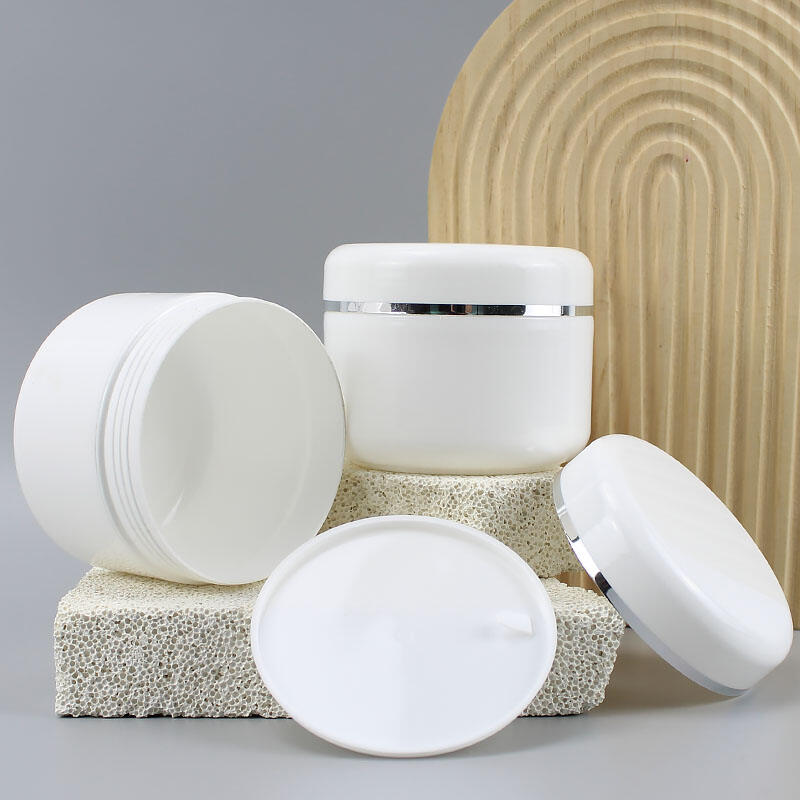
High-density polyethylene bottles have become the standard choice for storing chemicals, reagents, and pharmaceuticals precisely because of their exceptional ability to maintain structural integrity under challenging conditions. Understanding how HDPE bottles withstand extreme temperatures and impacts requires examining the molecular structure, material properties, and manufacturing processes that give these containers their remarkable resilience. This capability is not merely a coincidental benefit but rather a direct result of the polymer's unique characteristics and how manufacturers optimize these properties during production.
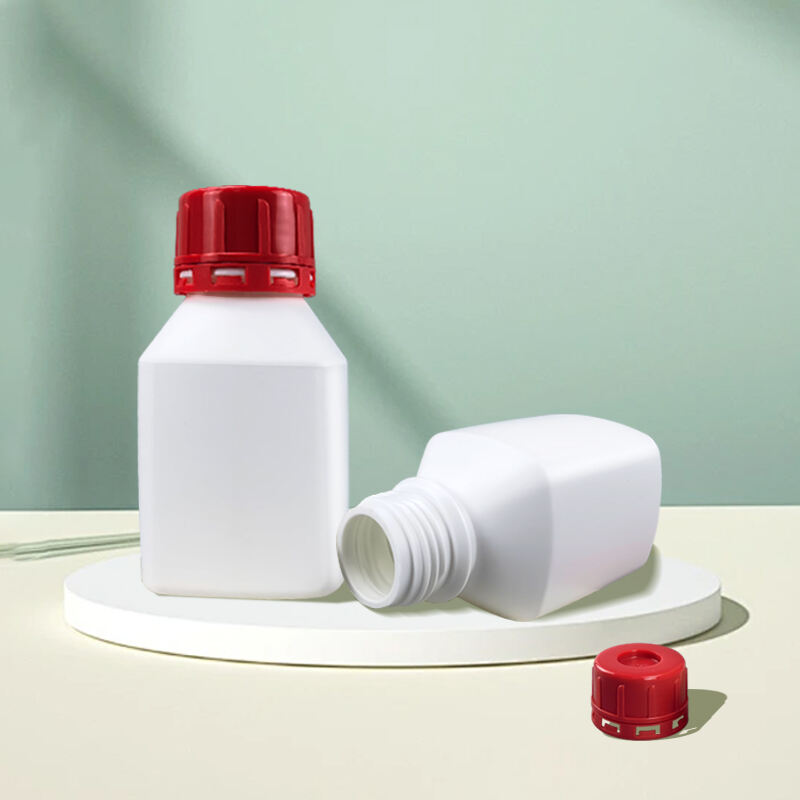
The performance of HDPE bottles under stress conditions stems from fundamental polymer science combined with deliberate engineering choices made during bottle design and production. When chemical storage facilities need containers that can survive freezer temperatures or withstand accidental drops during laboratory handling, HDPE bottles consistently outperform many alternative materials. The molecular arrangement within high-density polyethylene creates a flexible yet strong matrix that responds to thermal and mechanical stress in ways that prevent catastrophic failure, making these bottles indispensable across industries from pharmaceutical manufacturing to industrial chemical storage.
Molecular Architecture Behind Temperature Resistance
Linear Chain Structure and Crystallinity
The exceptional temperature tolerance of HDPE bottles originates in the polymer's molecular architecture, specifically its linear chain structure with minimal branching. This linear arrangement allows polymer chains to pack tightly together, creating crystalline regions that constitute 60-80% of the material's volume. These crystalline zones function as physical crosslinks that maintain dimensional stability across a wide temperature range, typically from -40°F to 180°F (-40°C to 82°C). The ordered molecular packing in HDPE bottles provides thermal stability that prevents deformation under conditions that would compromise containers made from low-density polyethylene or other plastics.
During manufacturing, controlled cooling rates determine the crystallinity level in finished HDPE bottles, directly influencing their temperature performance. Higher crystallinity increases the melting point and reduces thermal expansion, making bottles more resistant to warping when exposed to heat. The crystalline regions act as anchor points that restrict molecular motion, preventing the polymer chains from sliding past one another when temperatures rise. This structural rigidity at the molecular level translates directly into bottles that maintain their shape and seal integrity even when storing hot-filled products or residing in temperature-variable environments.
Glass Transition Temperature Characteristics
HDPE bottles exhibit remarkable low-temperature performance due to their glass transition temperature occurring well below typical storage and handling conditions. With a glass transition temperature around -148°F (-100°C), high-density polyethylene remains flexible and impact-resistant even in freezer environments where many plastics become brittle. This property proves critical for laboratories and facilities that store frozen reagents or chemicals requiring cold storage, as the bottles maintain their toughness rather than shattering upon impact at low temperatures.
The molecular mobility retained above the glass transition temperature allows HDPE bottles to absorb mechanical energy through polymer chain movement rather than crack propagation. When subjected to impact while cold, the material can still undergo localized deformation that dissipates energy, preventing fracture. This behavior contrasts sharply with materials like polystyrene or some grades of polycarbonate that lose ductility at refrigerated or frozen temperatures. The practical advantage for users means HDPE bottles can transition from freezer to ambient conditions without risk of thermal shock failure, maintaining containment integrity throughout temperature cycling.
Thermal Expansion Management
The coefficient of thermal expansion in HDPE bottles, while higher than glass or metal containers, is managed through bottle design that accommodates dimensional changes without compromising seal integrity or structural strength. HDPE typically expands approximately 0.00012 inches per inch per degree Fahrenheit, a property that manufacturers account for when engineering bottle walls, threads, and closure systems. This controlled expansion prevents stress concentration at critical points like the neck finish or corner radii where failure might initiate under temperature fluctuations.
Strategic wall thickness distribution in HDPE bottles ensures uniform thermal expansion that maintains dimensional tolerances for closures and label application areas. Thicker sections near the base provide stability during thermal expansion while thinner sidewalls allow some flexibility that prevents buildup of internal stress. This engineering approach enables bottles to accommodate thermal cycling between extreme temperatures without developing stress cracks or losing their ability to seal properly, critical factors for maintaining chemical containment and product integrity over extended storage periods.
Impact Resistance Mechanisms in HDPE Bottles
Energy Absorption Through Ductile Deformation
When HDPE bottles experience impact forces, the material's semi-crystalline structure enables energy absorption through ductile deformation rather than brittle fracture. The amorphous regions between crystalline zones allow polymer chains to stretch and realign under stress, creating a tough material that yields before breaking. This ductility means that dropped bottles typically deform locally at the impact point rather than shattering, containing their contents even after significant mechanical abuse. The energy that would propagate as a crack in brittle materials instead dissipates through molecular rearrangement in the HDPE matrix.
The impact strength of HDPE bottles actually increases at moderate strain rates typical of handling accidents, a phenomenon related to the material's viscoelastic properties. During rapid deformation, polymer chains don't have time to fully relax and separate, forcing the material to absorb energy through molecular stretching rather than chain pullout. This rate-dependent behavior provides enhanced protection during the sudden force application of a drop test compared to slow compression. Testing protocols for chemical storage containers specifically evaluate this dynamic impact resistance, with quality HDPE bottles withstanding drops from heights of six feet or more without leaking.
Molecular Weight Distribution Effects
The molecular weight distribution in the HDPE resin used for bottles significantly influences impact performance, with higher molecular weight grades providing superior toughness. Longer polymer chains create more entanglements that must be overcome for crack propagation, effectively increasing the energy required to fracture the material. Manufacturers select HDPE grades with molecular weights optimized for blow molding while maintaining the chain length necessary for impact resistance, typically ranging from 50,000 to 250,000 grams per mole. This balance ensures bottles can be processed efficiently while delivering the mechanical properties required for demanding applications.
Polydispersity, the distribution of molecular weights within the polymer, also affects how HDPE bottles respond to impacts. A broader molecular weight distribution provides processing advantages and can enhance certain mechanical properties, though excessively broad distributions may create weak points. Premium HDPE bottles use resins with controlled polydispersity that optimizes the mix of shorter chains for crystallization and longer chains for entanglement-based toughness. This molecular engineering at the resin selection stage determines whether finished bottles will survive the impacts encountered during shipping, handling, and daily laboratory use.
Wall Thickness and Geometry Optimization
Impact resistance in HDPE bottles depends heavily on wall thickness distribution achieved during the blow molding process, with corner radii and base design particularly critical for preventing stress concentration. Bottles with uniform wall thickness generally outperform those with thin spots that become failure initiation points under impact. Advanced blow molding techniques like programmed parison control ensure consistent material distribution, creating bottles where the sidewalls, corners, and base all contribute to impact absorption. Typical wall thickness for chemical storage HDPE bottles ranges from 0.8mm to 2.5mm depending on bottle size and application requirements.
The geometry of HDPE bottles influences how impact energy distributes through the structure, with square and rectangular designs requiring careful corner radius specification to avoid stress concentration. Radiused corners spread impact forces over larger areas, reducing peak stress that could initiate cracks. Base design incorporates standing surfaces that elevate critical sidewall areas above impact zones, protecting seams and thin sections from direct ground strikes. These geometric considerations transform the inherent material toughness of high-density polyethylene into practical drop resistance that protects valuable chemicals and reagents throughout their handling lifecycle.
Manufacturing Processes That Enhance Environmental Resistance
Extrusion Blow Molding Parameters
The extrusion blow molding process used to manufacture HDPE bottles directly influences their temperature and impact performance through control of crystallization, molecular orientation, and residual stress. Melt temperature, parison programming, and cooling rate all affect the crystalline structure that forms in the bottle walls. Higher melt temperatures can increase molecular mobility during cooling, potentially enhancing crystalline perfection and raising the temperature at which bottles begin to soften. Controlled cooling rates balance crystallization kinetics with production efficiency, creating the semi-crystalline structure that provides HDPE bottles with their characteristic combination of stiffness and toughness.
Blow pressure and timing during the molding cycle create molecular orientation in HDPE bottles that can enhance strength in preferential directions. Biaxial orientation, where polymer chains align in both the hoop and axial directions, increases tensile strength and impact resistance compared to unoriented material. However, excessive orientation can create internal stresses that reduce environmental stress crack resistance, requiring manufacturers to optimize blow ratios for the intended application. For chemical storage HDPE bottles, moderate orientation levels provide strength improvements without compromising long-term durability when exposed to aggressive contents or environmental stress agents.
Post-Manufacturing Stress Relief
Some manufacturers employ thermal conditioning or annealing processes on HDPE bottles to relieve residual stresses introduced during molding, particularly for bottles that will face extreme temperature cycling or chemical exposure. Controlled heating below the melting point allows molecular relaxation that reduces locked-in stresses without significantly altering bottle dimensions. This stress relief improves the dimensional stability of bottles when they experience temperature changes and enhances resistance to environmental stress cracking when exposed to certain chemicals. The process adds cost but proves worthwhile for critical applications where bottle failure could result in hazardous material release.
Quality control measures during HDPE bottle manufacturing include testing for adequate crystallinity, wall thickness uniformity, and freedom from contamination that could compromise performance. Material suppliers provide certificates of analysis confirming resin properties, while bottle manufacturers conduct incoming inspection and process monitoring. Finished bottle testing includes drop tests at specified temperatures, burst pressure evaluation, and thermal cycling to verify that production bottles meet the temperature and impact specifications required for their intended use. These quality systems ensure that the theoretical advantages of HDPE translate into reliable performance in real-world storage and handling conditions.
Additive Selection for Enhanced Properties
While pure HDPE provides excellent baseline performance, manufacturers may incorporate specific additives into HDPE bottles to further enhance temperature resistance, UV stability, or impact strength without compromising chemical compatibility. Impact modifiers like elastomers can improve low-temperature toughness for applications requiring exceptional cold impact resistance. Nucleating agents control crystallization to refine crystal size and distribution, potentially improving both optical properties and impact strength. Antioxidants protect the polymer from thermal degradation during processing and long-term heat exposure, maintaining mechanical properties throughout the bottle's service life.
The selection of additives for HDPE bottles requires careful consideration of chemical compatibility with intended contents, particularly for pharmaceutical and reagent storage applications. Additives must not leach into stored products or react with aggressive chemicals, necessitating thorough compatibility testing. Regulatory compliance for food contact or pharmaceutical applications limits permissible additives to those on approved lists. This constraint means that manufacturers rely primarily on optimizing the base HDPE resin properties and processing parameters rather than extensive additive packages, ensuring bottles remain chemically inert while delivering the temperature and impact performance required for demanding storage applications.
Practical Performance Across Temperature Extremes
Cold Temperature Handling and Storage
HDPE bottles maintain their impact resistance and handling properties at refrigerated and frozen temperatures that would embrittle many alternative plastics, making them ideal for laboratory freezer storage and cold chain logistics. At temperatures down to -40°F (-40°C), high-density polyethylene retains sufficient ductility to withstand handling impacts, though some reduction in ultimate strength occurs as molecular mobility decreases. This cold temperature toughness proves essential for storing reagents, biological samples, and chemicals requiring frozen preservation, where bottle failure could result in sample loss or contamination.
The dimensional stability of HDPE bottles during freeze-thaw cycling prevents seal compromise that could allow moisture ingress or volatile loss. While the bottles and their contents both contract upon cooling, the coefficient of thermal expansion mismatch between HDPE and most liquids remains manageable within the bottle's design tolerances. Closure systems engineered for HDPE bottles accommodate this thermal movement, maintaining seal integrity through repeated temperature cycling. Users benefit from reliable containment whether transferring bottles from freezer to ambient conditions or storing them in temperature-variable environments where daily fluctuations occur.
Elevated Temperature Performance
At elevated temperatures, HDPE bottles maintain structural integrity below the polymer's softening point, typically supporting continuous use temperatures up to 180°F (82°C) and surviving brief exposure to higher temperatures during hot-filling operations. The crystalline structure provides dimensional stability that prevents excessive deformation under load at these elevated temperatures, though prolonged exposure near the upper temperature limit may lead to gradual creep. For most chemical storage applications, the temperature resistance of HDPE bottles exceeds the thermal demands, with contents typically stored at ambient or refrigerated conditions rather than heated environments.
Hot-fill capability in some HDPE bottle designs enables filling at temperatures around 160-180°F (71-82°C), with the bottles designed to accommodate thermal shrinkage as contents cool. Thicker walls and optimized geometry prevent panel collapse and maintain bottle appearance during cooling. This hot-fill performance expands the utility of HDPE bottles beyond ambient-filled chemicals to include products requiring thermal processing for sterilization or dissolution. The temperature resilience combined with chemical resistance makes these bottles versatile containers serving applications from pharmaceutical compounding to industrial chemical packaging where thermal demands vary.
Thermal Cycling Durability
Repeated cycling between temperature extremes tests the fatigue resistance of HDPE bottles, with quality containers maintaining seal integrity and structural strength through hundreds of cycles. The material's ductility prevents the development of microcracks that could propagate with repeated thermal expansion and contraction. Applications like environmental sampling, where bottles may experience outdoor temperature swings, or laboratory protocols involving freeze-thaw cycles, demand this thermal cycling durability. HDPE bottles specifically designed for reagent and chemical storage undergo validation testing that simulates years of thermal cycling to verify long-term reliability.
The interaction between thermal stress and chemical exposure can accelerate degradation in some plastics, but HDPE bottles demonstrate robust resistance to this combined stress. The crystalline structure remains stable under thermal cycling even in the presence of many chemicals, preventing the premature embrittlement that could occur in materials where chemical penetration disrupts molecular structure. This synergistic resistance to thermal and chemical stress establishes HDPE bottles as the preferred choice for applications where contents may be aggressive and storage conditions variable, providing reliability that protects valuable chemicals and maintains laboratory safety standards.
Comparison With Alternative Container Materials
Advantages Over Glass Containers
While glass offers superior chemical resistance and temperature tolerance in absolute terms, HDPE bottles provide crucial advantages in impact resistance and safety that make them preferable for many applications. The shatter resistance of HDPE eliminates the hazards associated with glass breakage, particularly important in environments where dropped containers could injure personnel or create contaminated debris requiring extensive cleanup. The lighter weight of HDPE bottles reduces shipping costs and handling fatigue while maintaining adequate barrier properties for most non-volatile chemicals and reagents. These practical advantages explain why many laboratories and chemical manufacturers have transitioned from glass to HDPE bottles for routine storage and handling.
Temperature shock resistance gives HDPE bottles a significant advantage over glass in applications involving rapid temperature changes. Glass containers can fracture when subjected to sudden cooling or heating due to thermal stress gradients through the wall thickness, whereas HDPE bottles accommodate rapid temperature changes through their ductility and lower thermal conductivity. This property proves valuable in laboratory protocols requiring immediate freezing or when hot-filled contents cool within the bottle. The reduced breakage rate translates directly into lower replacement costs, fewer workflow interruptions, and improved safety in chemical handling operations.
Performance Relative to Other Plastic Bottles
Compared to bottles made from low-density polyethylene, polypropylene, or PET, HDPE bottles offer a balanced combination of properties particularly suited to chemical storage applications requiring both temperature and impact resistance. Low-density polyethylene provides greater flexibility but less structural rigidity, making it less suitable for bottles that must maintain shape when stacked or stored. Polypropylene offers higher temperature resistance with continuous use temperatures up to 200°F (93°C) but exhibits greater brittleness at low temperatures, potentially cracking when dropped in cold environments where HDPE bottles remain tough.
PET bottles provide excellent clarity and moderate barrier properties but lack the temperature range and impact resistance of HDPE bottles, particularly at temperature extremes. The glass transition temperature of PET near 160°F (71°C) limits hot-fill capability and reduces dimensional stability at elevated temperatures where HDPE maintains structural integrity. For chemical storage applications prioritizing durability over optical clarity, HDPE bottles deliver superior performance at competitive cost. The material selection decision ultimately depends on specific application requirements, with HDPE excelling in scenarios where physical durability and broad temperature capability outweigh other considerations like oxygen barrier or transparency.
Cost-Performance Optimization
The combination of manufacturing efficiency, material cost, and performance characteristics makes HDPE bottles a cost-effective solution for chemical storage applications requiring temperature and impact resistance. The relatively simple blow molding process allows high-volume production with minimal defect rates, keeping unit costs low even for bottles with specialized designs. Material availability and recycling infrastructure for HDPE support sustainable sourcing and end-of-life management, increasingly important considerations for environmentally conscious organizations. These economic advantages complement the technical performance, creating overall value that explains the dominant market position of HDPE bottles in chemical, pharmaceutical, and laboratory supply sectors.
When evaluating total cost of ownership, HDPE bottles often prove more economical than initially cheaper alternatives due to lower breakage rates, longer service life, and reduced handling damage during shipping and storage. The durability that stems from impact and temperature resistance translates into fewer replacement purchases and less workflow disruption from container failures. For high-throughput laboratories or manufacturing operations, these operational benefits can outweigh raw material cost differences, making HDPE bottles the economically rational choice. The performance reliability enables focus on core activities rather than container management, delivering productivity benefits that amplify the direct cost advantages.
FAQ
What temperature range can HDPE bottles safely handle?
HDPE bottles typically maintain structural integrity and performance across a temperature range from -40°F to 180°F (-40°C to 82°C), with specific capabilities depending on bottle design and resin grade. At the low end, high-density polyethylene retains impact resistance well below freezing, allowing safe handling and storage in laboratory freezers. At elevated temperatures, bottles can withstand hot-fill operations around 160-180°F and brief exposure to higher temperatures without melting or excessive deformation. This broad temperature capability makes HDPE bottles suitable for most chemical storage applications, from frozen reagents to ambient warehouse conditions with seasonal temperature variations.
Why don't HDPE bottles shatter when dropped like glass containers?
The ductile nature of high-density polyethylene allows HDPE bottles to absorb impact energy through localized deformation rather than catastrophic fracture that characterizes glass breakage. When dropped, the semi-crystalline polymer structure permits molecular chain stretching and rearrangement that dissipates energy across a larger volume of material. This mechanism prevents crack propagation, with bottles typically denting or deforming at the impact point while maintaining overall structural integrity. The toughness originates from the balance between crystalline regions providing strength and amorphous zones allowing flexibility, creating a material that yields under stress rather than failing brittlely.
Can HDPE bottles undergo repeated freeze-thaw cycles without degrading?
Quality HDPE bottles withstand hundreds of freeze-thaw cycles without significant degradation, maintaining seal integrity and structural strength throughout repeated thermal cycling. The material's low glass transition temperature ensures it remains ductile even when frozen, preventing the development of stress cracks that could propagate during subsequent cycles. The dimensional changes during freezing and thawing occur uniformly enough to avoid compromising closure seals, particularly when bottles are properly designed with appropriate tolerances. This durability makes HDPE bottles ideal for applications requiring long-term frozen storage with periodic access, such as reagent libraries or sample archives where containers may be removed from freezers and returned multiple times.
Do additives in HDPE bottles affect their temperature and impact performance?
While pure HDPE provides excellent baseline performance, carefully selected additives can enhance specific properties without compromising the fundamental temperature and impact resistance. Impact modifiers may improve cold temperature toughness, while nucleating agents can refine crystalline structure to optimize strength and clarity. However, for chemical storage applications, additive use is typically minimal to maintain chemical inertness and regulatory compliance, particularly for pharmaceutical and food contact uses. The majority of temperature and impact performance in HDPE bottles derives from the base polymer properties and manufacturing process optimization rather than additive packages, ensuring containers remain chemically compatible with demanding contents while delivering physical durability.