
 EN
EN
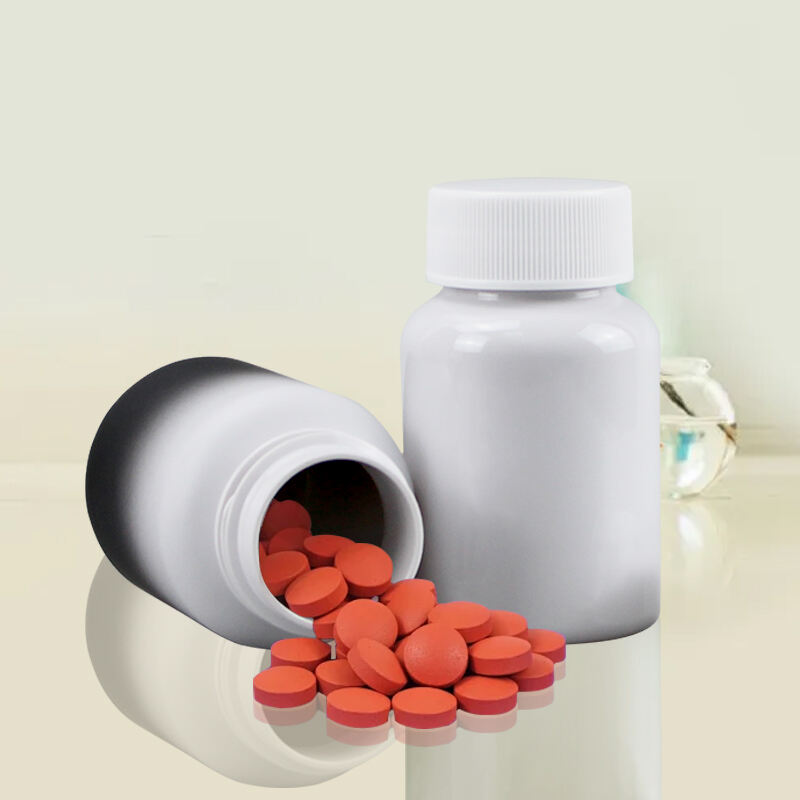
Pharmaceutical storage requires careful attention to environmental conditions, particularly when it comes to protecting medications from harmful ultraviolet radiation. Many consumers and healthcare professionals underestimate the significant impact that sunlight exposure can have on the integrity of both medications and their containers. Understanding the relationship between UV rays and pharmaceutical packaging is essential for maintaining drug efficacy and ensuring patient safety throughout the medication's shelf life.
The science behind photodegradation reveals complex chemical processes that occur when pharmaceutical containers encounter direct sunlight. Modern medications rely on precise molecular structures to deliver therapeutic benefits, and these structures can be compromised when exposed to specific wavelengths of light. Additionally, the containers themselves undergo structural changes that can affect their protective capabilities and overall performance as storage vessels.
Understanding Photodegradation in Pharmaceutical Containers
Chemical Breakdown Mechanisms
When plastic pill bottles are exposed to ultraviolet radiation, the polymer chains within the material begin to break down through a process called photodegradation. This degradation occurs at the molecular level, where UV photons provide sufficient energy to break chemical bonds in the plastic structure. The most common plastics used in pharmaceutical packaging, including polyethylene and polypropylene, contain carbon-hydrogen bonds that are particularly susceptible to UV damage.
The breakdown process typically begins with the formation of free radicals, which are highly reactive molecular fragments that can initiate chain reactions throughout the material. These free radicals attack neighboring polymer chains, creating a cascading effect that gradually weakens the entire structure. As this process continues, the material becomes brittle, discolored, and less effective at protecting its contents from external contaminants.
Temperature plays a crucial role in accelerating these chemical reactions. Sunlight not only provides UV radiation but also generates heat, which increases the kinetic energy of molecules within the plastic. This combination of heat and UV radiation creates ideal conditions for rapid degradation, making direct sunlight exposure particularly damaging to pharmaceutical containers.
Material Property Changes
Extended exposure to sunlight causes measurable changes in the physical properties of plastic containers. The most obvious change is often color alteration, as the degradation process can cause yellowing, browning, or fading of the original material color. These color changes serve as visible indicators of molecular damage occurring within the plastic structure.
Mechanical properties also deteriorate significantly with UV exposure. The tensile strength of the material decreases, making containers more prone to cracking or breaking under normal handling conditions. This brittleness compromises the container's ability to maintain an effective seal, potentially allowing moisture, air, or contaminants to enter and affect the stored medications.
Surface texture changes are another common result of photodegradation. The smooth surface of new plastic pill bottles can become rough or chalky as the material degrades. This surface deterioration not only affects the aesthetic appearance but can also create microscopic spaces where bacteria or other contaminants might accumulate.
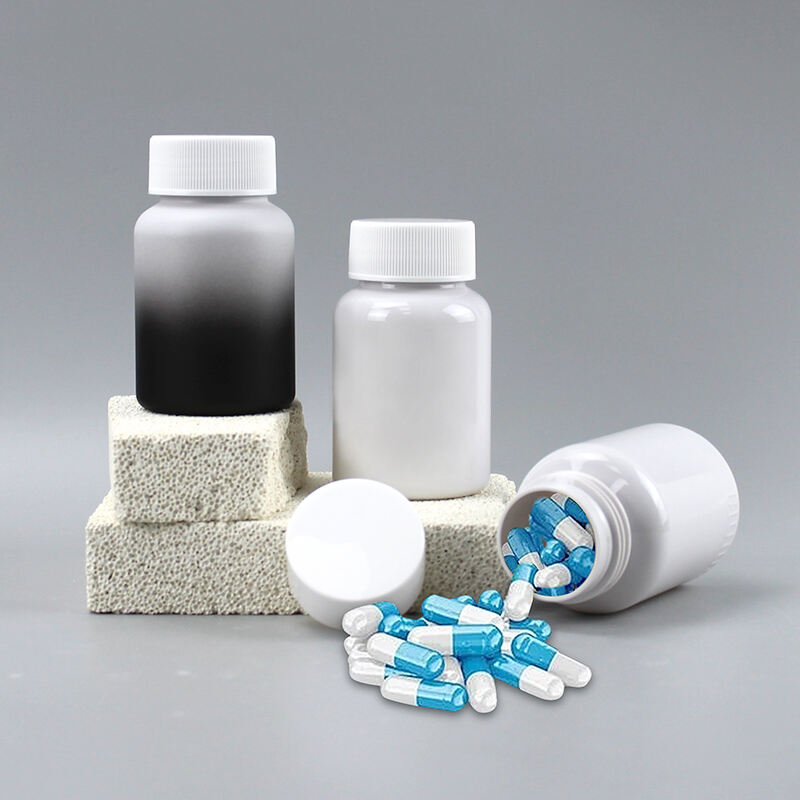
Impact on Medication Integrity and Safety
Drug Stability Concerns
The primary concern with sunlight exposure involves the potential impact on medication stability and therapeutic effectiveness. Many pharmaceutical compounds are inherently photosensitive, meaning they undergo chemical changes when exposed to light. Even when stored in containers, some UV radiation can penetrate through plastic walls, particularly if the material has been weakened by previous exposure.
Photosensitive medications can experience various forms of degradation, including molecular rearrangement, oxidation, or complete breakdown into inactive compounds. Some medications may even form toxic byproducts when exposed to light, creating potential safety hazards for patients. The rate of degradation varies significantly depending on the specific compound, but even minimal exposure can reduce therapeutic effectiveness over time.
Temperature fluctuations caused by direct sunlight exposure create additional stability challenges. Most medications are formulated and tested under controlled temperature conditions, and significant temperature variations can accelerate chemical degradation processes. This thermal stress, combined with UV exposure, creates a particularly hostile environment for pharmaceutical stability.
Container Integrity and Contamination Risk
Compromised container integrity poses serious risks for medication contamination and cross-contamination. As plastic pill bottles degrade under UV exposure, their ability to maintain effective barriers against moisture, oxygen, and other environmental contaminants diminishes significantly. This barrier failure can lead to accelerated medication degradation even after the containers are moved to appropriate storage conditions.
Seal integrity becomes particularly problematic as container materials become brittle and warped. Child-resistant caps and threading mechanisms may no longer function properly, creating safety hazards and reducing the effectiveness of tamper-evident features. These mechanical failures can compromise both medication security and patient safety protocols.
Microscopic cracks and surface changes in degraded containers can harbor bacteria, fungi, or other microorganisms that pose contamination risks. These contamination pathways are particularly concerning for sensitive populations, including pediatric patients, elderly individuals, or those with compromised immune systems who may be more susceptible to adverse effects from contaminated medications.
Proper Storage Solutions and Best Practices
Optimal Storage Environment Conditions
Creating appropriate storage conditions for plastic pill bottles requires attention to multiple environmental factors beyond just light exposure. The ideal storage environment maintains consistent temperatures between 68-77°F (20-25°C) with relative humidity levels below 60%. These conditions minimize stress on both container materials and medication contents while preventing condensation and moisture accumulation.
Light control should extend beyond just blocking direct sunlight to include consideration of artificial lighting sources. Fluorescent lights, LED fixtures, and even incandescent bulbs can emit UV radiation that contributes to photodegradation over extended periods. Storage areas should utilize UV-filtering covers or be positioned away from direct artificial light sources whenever possible.
Air circulation plays an important role in maintaining stable storage conditions while preventing the accumulation of heat and humidity. However, circulation systems should be designed to avoid creating temperature fluctuations or introducing contaminants from external sources. Proper ventilation helps maintain consistent environmental conditions without compromising the protective storage environment.
Container Selection and Protective Measures
Selecting appropriate pharmaceutical containers involves understanding the UV protection properties of different plastic formulations. Amber-colored containers provide superior UV protection compared to clear alternatives, as the tinted material absorbs and blocks harmful wavelengths more effectively. High-density polyethylene and certain polypropylene formulations offer enhanced chemical resistance and UV stability compared to standard plastic materials.
UV-blocking additives incorporated during manufacturing can significantly extend the useful life of pharmaceutical containers. These additives absorb UV radiation before it can damage the base polymer structure, maintaining material integrity and protective properties for extended periods. However, these enhanced materials typically require higher initial investment costs that must be balanced against long-term protection benefits.
Secondary protective measures, such as storage in opaque cabinets or UV-filtering display cases, provide additional layers of protection for valuable medications. These protective systems allow for organized storage and easy access while maintaining appropriate environmental conditions. Climate-controlled storage solutions offer the most comprehensive protection but require ongoing maintenance and monitoring to ensure optimal performance.
Economic and Regulatory Considerations
Cost Implications of Improper Storage
The financial impact of improper pharmaceutical storage extends far beyond the immediate cost of replaced medications. Degraded medications may require additional medical interventions, extended treatment periods, or alternative therapeutic approaches that significantly increase overall healthcare costs. For healthcare facilities and pharmacies, compromised medication inventory represents direct financial losses that can impact operational sustainability.
Insurance and liability considerations add another layer of economic complexity to pharmaceutical storage decisions. Facilities that fail to maintain appropriate storage conditions may face coverage limitations or increased premium costs if medication-related incidents occur. Professional liability exposure increases when storage practices fall below established industry standards or regulatory requirements.
Replacement costs for degraded medications can be substantial, particularly for specialty pharmaceuticals or biologics that command premium pricing. These costs are often compounded by the need for expedited replacement orders, disposal of compromised inventory, and potential disruptions to patient care schedules. Preventive storage measures typically represent a small fraction of these potential replacement and liability costs.
Regulatory Compliance Requirements
Pharmaceutical storage practices are subject to extensive regulatory oversight from agencies including the FDA, DEA, and state pharmacy boards. These regulations establish specific requirements for environmental conditions, container specifications, and storage documentation that must be maintained throughout the medication supply chain. Failure to comply with these requirements can result in significant penalties, license suspensions, or facility closures.
Documentation requirements for pharmaceutical storage include detailed records of environmental conditions, container inspection schedules, and corrective action procedures when storage parameters exceed acceptable limits. These documentation systems must be readily available for regulatory inspections and provide clear evidence of ongoing compliance with established standards.
Quality assurance programs must incorporate storage condition monitoring as a critical component of overall pharmaceutical safety protocols. These programs typically include regular assessment of container integrity, environmental condition logging, and periodic evaluation of stored medication quality. Comprehensive quality assurance systems help ensure regulatory compliance while protecting patient safety and facility operations.
FAQ
How quickly does sunlight damage plastic pill bottles
The rate of sunlight damage to plastic pill bottles depends on several factors including material composition, UV intensity, exposure duration, and ambient temperature. Visible changes such as discoloration may appear within days of direct exposure, while structural degradation typically develops over weeks or months. Even brief periods of intense sunlight exposure can initiate photodegradation processes that continue even after containers are moved to appropriate storage conditions.
Can medications be safely stored in clear plastic containers
Clear plastic containers provide minimal UV protection compared to amber or opaque alternatives, making them less suitable for long-term medication storage. While some medications are relatively stable and can tolerate storage in clear containers under proper conditions, most pharmaceuticals benefit from enhanced UV protection. The decision should be based on specific medication requirements, storage duration, and environmental conditions rather than container convenience or cost considerations.
What are the signs that a plastic pill bottle has been damaged by sunlight
Common signs of sunlight damage include color changes such as yellowing or fading, increased brittleness or cracking, surface texture changes, and compromised seal integrity. The container may become difficult to open or close properly, and threading mechanisms may show signs of wear or distortion. Any visible changes in container appearance or function should prompt immediate replacement to ensure continued medication protection and safety.
Are there specific medications that are more sensitive to light exposure
Many medications exhibit varying degrees of photosensitivity, with some being extremely sensitive to light exposure while others remain relatively stable. Antibiotics, antihypertensives, antipsychotics, and certain vitamins are among the classes most susceptible to light-induced degradation. Manufacturers typically provide specific storage recommendations on medication labeling, and photosensitive drugs may require special packaging or storage conditions to maintain their therapeutic effectiveness throughout their shelf life.