
 EN
EN
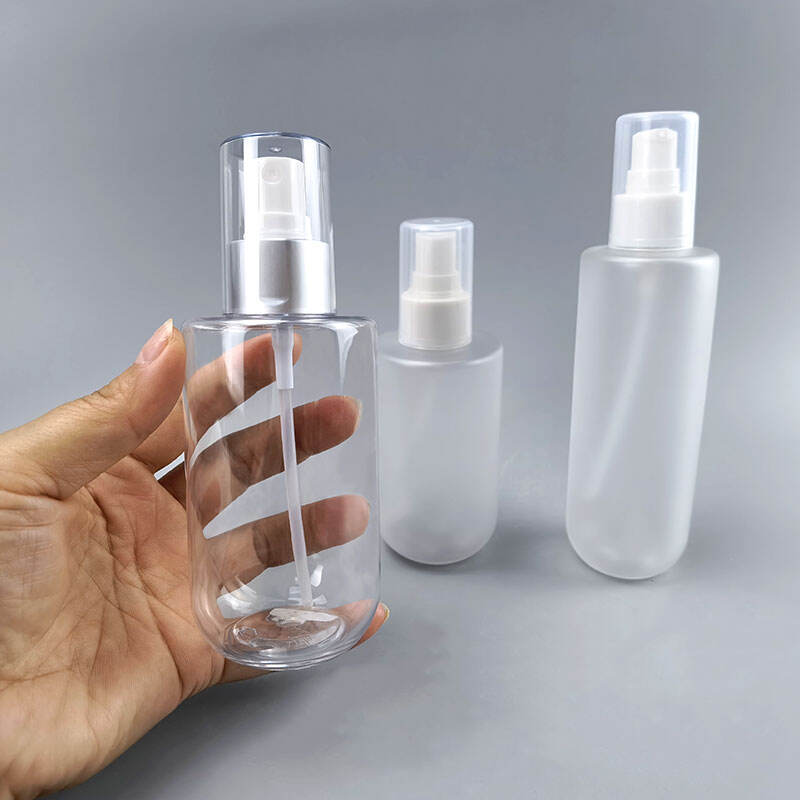
Effective plastic bottle packaging requires strategic planning to ensure products arrive safely while minimizing costs and environmental impact. Modern packaging solutions must balance protection, efficiency, and sustainability to meet evolving market demands. Companies across industries from pharmaceuticals to food and beverage are discovering that optimized plastic bottle packaging significantly reduces damage rates, lowers shipping expenses, and enhances customer satisfaction. Understanding the fundamental principles of proper packaging design enables businesses to create systems that protect their products throughout the entire supply chain journey.
Understanding Container Selection and Material Properties
HDPE Advantages for Industrial Applications
High-density polyethylene containers offer exceptional durability and chemical resistance, making them ideal for various packaging scenarios. These containers maintain structural integrity under temperature fluctuations and resist impact damage during transportation. The material's natural flexibility prevents cracking while providing excellent barrier properties against moisture and contaminants. HDPE bottles also demonstrate superior stackability, allowing for efficient use of storage space in warehouses and distribution centers.
Food-grade HDPE containers meet stringent safety standards required for consumable products while maintaining cost-effectiveness. The material's non-reactive nature ensures product purity and extends shelf life for sensitive formulations. Manufacturing processes for HDPE allow for consistent wall thickness and precise dimensional control, creating reliable packaging solutions that perform consistently across large production runs.
Capacity Planning and Size Optimization
Selecting appropriate container sizes directly impacts shipping efficiency and storage utilization. Standard capacities like 500ml, 750ml, and 1250ml containers provide flexibility for different product volumes while maintaining compatibility with automated packaging equipment. Larger containers reduce per-unit packaging costs but may increase damage risk if not properly supported during transit.
Volume optimization involves analyzing product density, shipping frequency, and customer usage patterns to determine ideal container sizes. Companies often benefit from offering multiple size options to accommodate varying customer needs while standardizing on common dimensions that maximize pallet efficiency and reduce inventory complexity.
Advanced Protection Strategies for Transit
Multi-Layer Cushioning Systems
Professional plastic bottle packaging employs sophisticated cushioning methods to absorb shock and vibration during transportation. Primary cushioning surrounds individual containers, while secondary cushioning protects entire case quantities. Air-filled packaging materials, foam inserts, and custom-molded trays create multiple protection layers that distribute impact forces effectively.
Advanced cushioning systems consider the specific fragility characteristics of different container types and contents. Rigid containers may require different protection strategies compared to flexible bottles, and liquid contents create different stress patterns than powdered materials. Modern packaging engineers use computer modeling to optimize cushioning placement and material selection for maximum protection efficiency.
Secure Closure and Sealing Methods
Safety lids and closure systems prevent contamination and leakage while maintaining easy access for end users. Tamper-evident features provide security assurance and help maintain product integrity throughout the distribution chain. Advanced closure designs incorporate multiple sealing mechanisms to ensure reliable performance under various environmental conditions.
Proper torque specifications and application techniques ensure consistent sealing performance across production batches. Quality control systems monitor closure application to prevent both under-tightening that could lead to leaks and over-tightening that might damage container threads or make opening difficult for consumers.

Storage Optimization and Warehouse Efficiency
Stackability and Space Utilization
Container design features such as reinforced bottoms, interlocking rims, and standardized dimensions enable efficient stacking in storage facilities. Proper stacking reduces storage footprint while maintaining easy access for inventory management. Container geometry must balance stackability with pour characteristics and handling convenience to create versatile packaging solutions.
Warehouse layout optimization considers container dimensions when designing storage systems and material handling equipment. Standardized container sizes allow for modular storage solutions and automated handling systems that improve operational efficiency. Strategic container selection can reduce storage costs by up to thirty percent while improving inventory accuracy and retrieval speed.
Environmental Control and Product Preservation
Temperature and humidity control systems work in conjunction with container barrier properties to maintain product quality during extended storage periods. HDPE containers provide excellent moisture barriers while allowing for thermal expansion without compromising structural integrity. Proper ventilation systems prevent condensation buildup that could affect product quality or container performance.
Light protection features, including UV-resistant additives and opaque container options, preserve photosensitive products during storage. Container selection must consider the specific stability requirements of contained products and environmental conditions throughout the storage period to ensure optimal product preservation.
Cost Reduction Through Packaging Innovation
Material Efficiency and Waste Minimization
Lightweight container designs reduce material usage while maintaining necessary strength and barrier properties. Advanced manufacturing techniques create containers with optimized wall thickness distribution that minimizes material consumption without compromising performance. These innovations reduce both raw material costs and transportation expenses due to lower shipping weights.
Recyclable container designs support circular economy principles while reducing long-term packaging costs. Companies implementing comprehensive recycling programs often achieve significant cost savings through material recovery and reduced waste disposal fees. Sustainable packaging strategies also enhance brand reputation and meet increasingly stringent environmental regulations.
Automated Handling and Processing Integration
Container designs that integrate smoothly with automated filling, capping, and labeling equipment reduce labor costs and improve production efficiency. Consistent dimensional tolerances and standardized neck finishes ensure reliable performance in high-speed packaging lines. Investment in automation-compatible containers often produces rapid return on investment through increased throughput and reduced manual handling requirements.
Integrated quality control features, such as tamper-evident bands and inspection-friendly surfaces, enable automated quality verification systems. These features reduce inspection time while improving detection of packaging defects or product quality issues before distribution to customers.
Frequently Asked Questions
What factors determine the optimal container size for specific products?
Optimal container sizing depends on product viscosity, usage patterns, shelf life requirements, and shipping economics. Liquid products typically perform well in larger containers to minimize packaging waste, while powdered materials may require smaller sizes for easier handling. Customer preferences and market positioning also influence size selection, with premium products often using smaller containers to enhance perceived value.
How do safety lids enhance product security during shipping?
Safety lids incorporate tamper-evident features, child-resistant mechanisms, and enhanced sealing properties that protect products during transit. These closures provide visual evidence of tampering while preventing accidental opening that could lead to spills or contamination. Advanced safety lid designs also include pressure relief features that prevent container damage from altitude changes during air transportation.
What are the key differences between food-grade and industrial-grade containers?
Food-grade containers meet strict regulatory requirements for materials that contact consumable products, including migration testing and certification from food safety authorities. Industrial-grade containers focus on chemical resistance and durability for non-consumable applications. Food-grade containers typically require more extensive documentation and quality control measures throughout the manufacturing process to ensure safety compliance.
How can companies reduce packaging costs without compromising product protection?
Cost reduction strategies include optimizing container wall thickness, implementing efficient packaging line layouts, and selecting materials that provide maximum protection per dollar invested. Companies can also reduce costs through volume purchasing agreements, standardizing on fewer container types, and investing in reusable packaging systems for internal operations. Strategic partnerships with packaging suppliers often provide access to innovative cost-reduction technologies and bulk purchasing advantages.