
 EN
EN
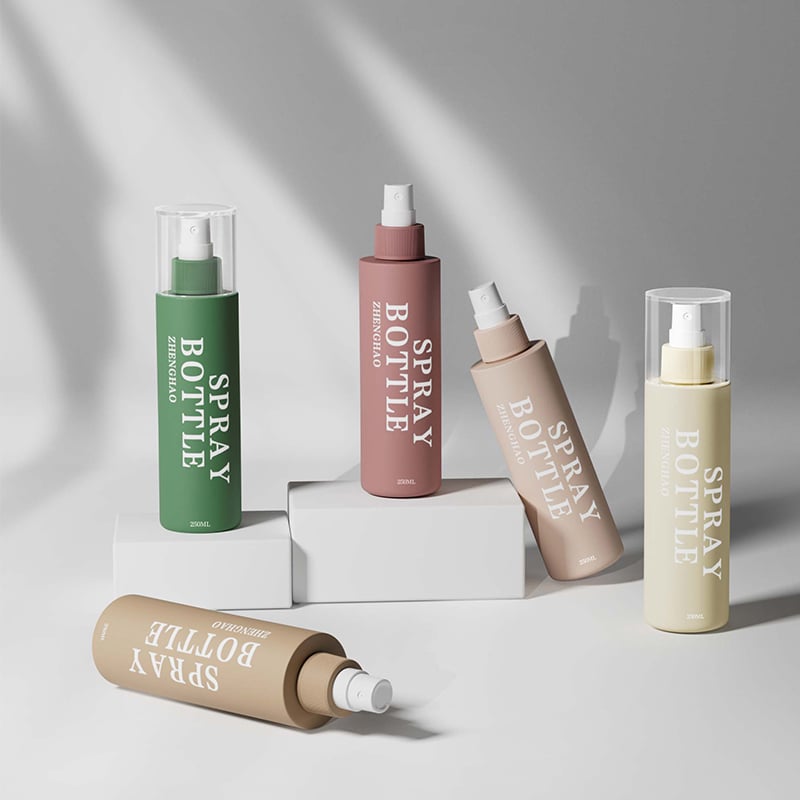
Selecting the correct toner bottle size is essential for optimizing your printing operations, storage efficiency, and cost management. Whether you operate a small office, a busy print shop, or manage industrial printing equipment, the volume capacity of your toner bottle directly impacts how often you need to reorder supplies, how much storage space you require, and ultimately your operational budgets. The right size ensures you maintain consistent workflow without excessive inventory overhead or frequent supply interruptions.
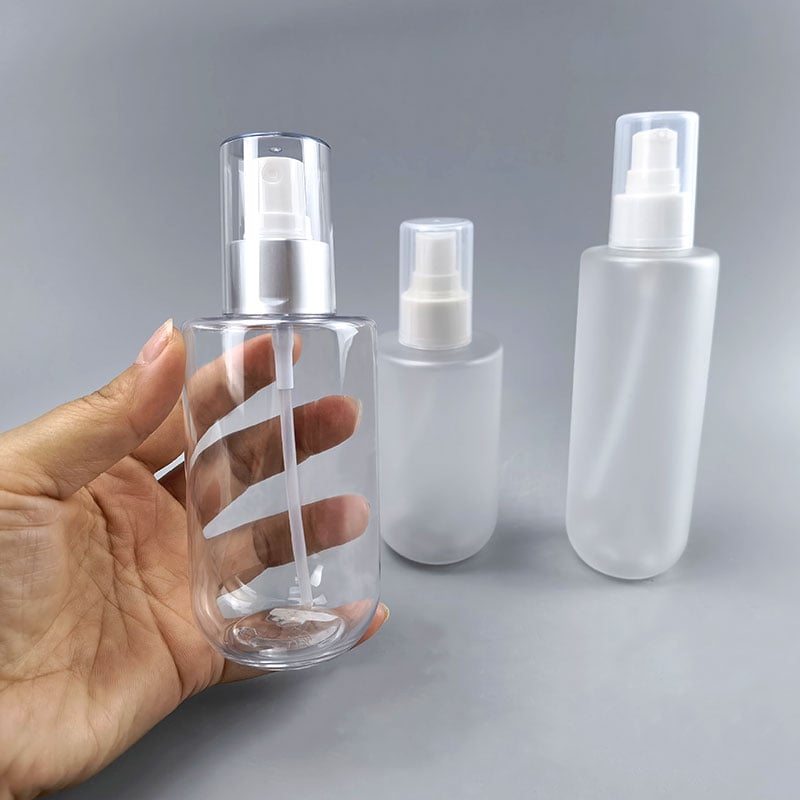
Determining the ideal toner bottle capacity requires evaluating your printing volume, equipment specifications, budget constraints, and available storage space. A refillable toner cartridge comes in multiple standard sizes ranging from small portable bottles to large industrial containers, each designed for specific use cases and printer models. Understanding these dimensions and how they align with your operational needs prevents purchasing errors and maximizes your return on investment in toner products and related supplies.
Understanding Toner Bottle Capacity Standards
Common Toner Bottle Sizes
Toner powder storage containers are manufactured in several standardized sizes to accommodate different printer types and usage patterns. Small bottles typically hold between 100 milliliters and 250 milliliters, designed for personal workstations, home offices, and portable printing scenarios. Medium-sized printer toner containers range from 300 milliliters to 500 milliliters, serving small to medium-sized business environments with moderate printing demands. Large industrial bottles exceed 1000 milliliters, targeting high-volume printing centers, manufacturing facilities, and enterprises requiring extensive daily toner consumption. Each refillable toner cartridge category offers distinct advantages regarding shelf life, portability, and cost efficiency per unit of volume.
Volume Measurement and Density Considerations
The actual weight capacity of a toner bottle differs from its liquid volume measurement because toner powder exhibits higher density than water. A 250-milliliter toner bottle holds approximately 350 to 400 grams of toner powder, depending on compression and formulation specifics. When comparing toner powder storage options, always verify whether specifications refer to milliliters of container volume or grams of toner weight, as this distinction significantly affects your purchasing decisions and inventory planning. Density variations between brands mean that identical-sized bottles may hold different toner weights, impacting your cost per page calculations and supply rotation schedules.
Matching Toner Bottle Size to Your Printing Needs
Low-Volume Printing Operations
Small offices and individual users benefit most from compact 100 to 200-milliliter toner bottles that fit standard printer models and require minimal storage allocation. These smaller refillable toner cartridge options prevent waste from evaporation or degradation, particularly important in environments where toner sits unused for extended periods. Lower purchase quantities reduce upfront capital requirements and allow budget-conscious organizations to scale purchases as their printing needs grow. However, frequent reordering becomes necessary with smaller containers, potentially increasing shipping costs and administrative overhead if not consolidated into bulk purchase schedules.
Medium-Volume Printing Environments
Organizations printing between 500 and 2000 pages monthly typically find 300 to 500-milliliter printer toner containers provide optimal balance between storage practicality and reorder frequency. This toner bottle range minimizes monthly reordering cycles while remaining manageable for standard office storage cabinets and supply closets. A refillable toner cartridge at this capacity level delivers measurable cost savings compared to smaller units while maintaining product freshness and reducing inventory obsolescence risk. Medium-sized containers work effectively with network printers and multifunction devices serving departments or small branch locations.
High-Volume Production Settings
Printing operations exceeding 5000 monthly pages warrant larger toner powder storage solutions of 750 milliliters to 2000 milliliters or greater. Industrial-scale printer toner container sizes substantially reduce per-unit costs and consolidate supply chain management into fewer shipments, improving procurement efficiency. Large refillable toner cartridge containers support continuous production cycles without interruption while providing significant budget advantages through volume pricing. Dedicated storage areas and specialized handling equipment become necessary at this scale, requiring physical space planning and logistical considerations that smaller organizations typically avoid.
Practical Selection Factors and Implementation Strategy
Equipment Compatibility and Performance Specifications
Before selecting any toner bottle size, consult your printer's technical documentation to verify compatible container capacities and cartridge specifications. Different printer models accommodate specific toner bottle dimensions, and purchasing an incompatible size results in wasted investment and operational delays. Manufacturer guidelines typically recommend standard refillable toner cartridge volumes optimized for each device's toner delivery system and image quality standards. Testing smaller quantities first allows you to verify compatibility and print quality before committing to bulk purchases of a particular toner powder storage option.
Cost Analysis and Procurement Timing
Compare unit pricing across different toner bottle sizes to identify cost-effectiveness at your organization's specific consumption rate. Larger printer toner containers generally offer lower per-milliliter pricing, but only generate savings if you consume the product before degradation occurs. Seasonal printing variations, project cycles, and anticipated staffing changes should influence your toner bottle purchasing strategy to prevent overstocking during slow periods. Establishing relationships with suppliers offering flexible refillable toner cartridge quantities and subscription models enables you to adjust orders based on actual operational demands rather than inventory predictions.
Storage Environment and Shelf Life Considerations
Toner powder storage requires protection from moisture, extreme temperatures, and direct sunlight to maintain print quality and prevent caking or degradation. Larger toner bottle containers occupy significant space and may expose contents to environmental stress if stored in suboptimal conditions like humid warehouse areas or temperature-fluctuating storage rooms. Evaluate your facility's climate control capabilities and available storage capacity before investing in bulk toner powder storage quantities. Proper storage of your toner bottle extends shelf life by 12 to 24 months, making environmental conditions a critical factor in maximizing your procurement investment.
FAQ
How do I know which toner bottle size fits my printer?
Check your printer's user manual or manufacturer's website for compatible cartridge specifications, including maximum toner bottle capacity. Your device model typically supports one or two standard refillable toner cartridge sizes, and attempting to use incompatible containers damages the printer's toner delivery system. Contact your equipment manufacturer's support team if documentation is unclear or if you need guidance selecting the correct toner powder storage option for your specific model.
What is the typical shelf life of toner stored in bottles?
Unopened toner bottles maintain quality for 24 to 36 months when stored in cool, dry conditions away from moisture and direct heat. Once opened, a refillable toner cartridge typically remains viable for 12 to 18 months depending on environmental exposure and storage practices. Larger toner powder storage containers may experience quality degradation if opened and repeatedly accessed over extended periods, as exposure to air and humidity accelerates particle clumping and separation.
Should I buy the largest toner bottle available to save money?
Purchasing the largest printer toner container size only makes financial sense if your usage rate consumes that volume before shelf life expiration. Oversizing your refillable toner cartridge selection wastes storage space and risks product obsolescence if business demands decrease or printing technology changes. Balance unit cost savings against realistic consumption patterns, storage availability, and shelf life limitations to optimize your toner bottle investment for actual operational needs rather than theoretical maximum discounts.