 EN
EN
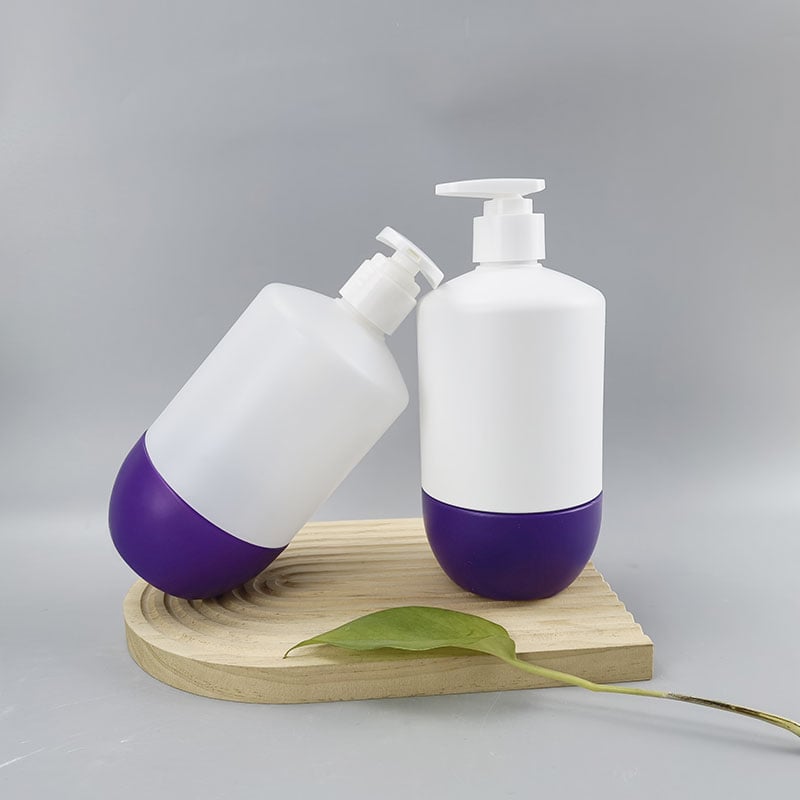
Selecting the right material for a lotion bottle is fundamental to product protection, brand perception, and user experience. The material you choose directly impacts shelf life, fragility, sustainability messaging, and manufacturing costs. Whether you are launching a premium skincare line or refreshing an existing product range, understanding material properties helps ensure your lotion bottle delivers on both functional and aesthetic promises.
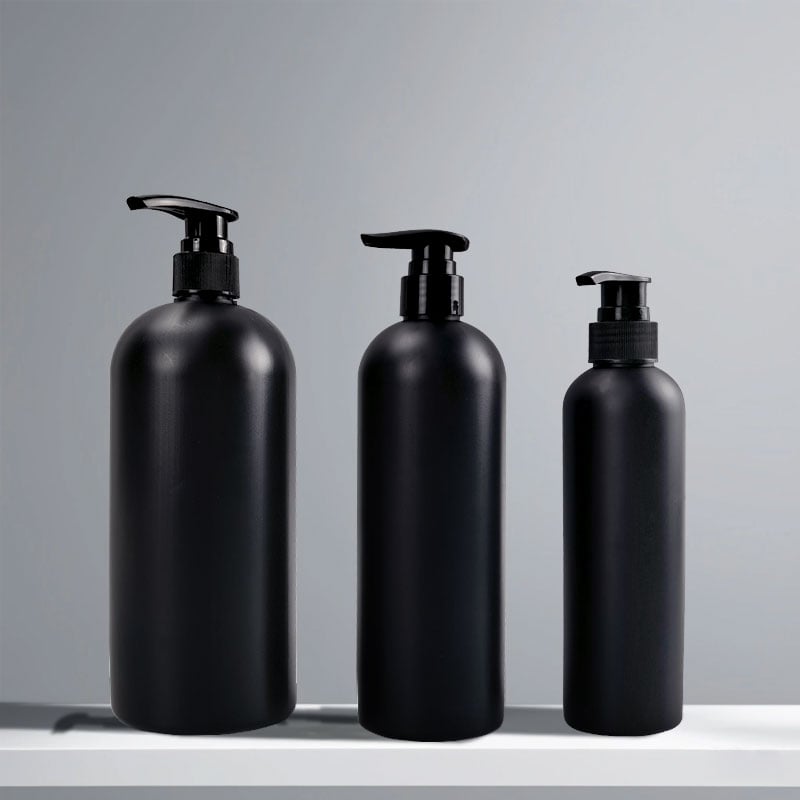
The ideal lotion bottle material balances durability, aesthetic appeal, regulatory compliance, and environmental responsibility. Modern cosmetic packaging encompasses multiple material families, each with distinct advantages for different product types and market segments. Understanding these distinctions allows formulators, brand managers, and packaging engineers to make informed decisions aligned with product chemistry, shelf-life requirements, and target consumer expectations.
Plastic Materials for Lotion Bottle Production
High-Density Polyethylene and Its Advantages
High-density polyethylene, commonly known as HDPE, stands as one of the most widely used plastics for lotion bottle manufacturing. HDPE offers exceptional rigidity, chemical resistance, and barrier properties that protect lotion formulations from oxidation and degradation. A pump dispenser bottle made from HDPE delivers reliable functionality while maintaining structural integrity throughout the product shelf life. This material resists moisture penetration, preventing premature emulsion breakdown and extending product viability in humid bathroom environments.
HDPE's cost-effectiveness makes it particularly attractive for large-scale cosmetic packaging production. The material processes easily through injection molding and blow molding techniques, enabling manufacturers to create complex geometries and custom finishes. Many brands select HDPE lotion bottles because the material accepts pigments and opaque colorants exceptionally well, supporting brand differentiation on retail shelves. Additionally, HDPE's recyclability aligns with growing consumer demand for sustainable skincare container options.
Polypropylene and Petg Considerations
Polypropylene represents another versatile option for skincare container design, particularly when transparency and gloss finish are prioritized. Polypropylene offers lower density than HDPE while maintaining adequate strength for pump dispenser bottle applications. This material provides superior clarity, making product visibility a marketing advantage for lotions with distinctive colors or visible textures. The pump dispenser bottle configuration in polypropylene often appeals to premium product segments where transparent packaging reinforces brand authenticity.
Petg, a polyester variant, bridges the gap between polypropylene's clarity and HDPE's chemical resistance. Petg lotion bottle designs deliver transparency combined with enhanced durability against aggressive formulations containing high alcohol content or essential oils. This material choice becomes particularly valuable when cosmetic packaging must withstand both product chemistry and transportation stress without compromising aesthetic presentation.
Glass and Specialty Lotion Bottle Solutions
Premium Glass Packaging for High-End Formulations
Glass remains the gold standard for ultra-premium lotion bottles where brand positioning emphasizes luxury, sustainability, and product integrity. Glass provides absolute chemical inertness, ensuring no interaction between the lotion formula and the container material over extended shelf life. A glass lotion bottle communicates quality and permanence, particularly appealing to high-end skincare brands targeting affluent consumers willing to pay premium prices. The visual impact of glass—its weight, clarity, and reflective properties—creates powerful unboxing moments that enhance perceived value.
Glass cosmetic packaging eliminates concerns about leaching chemicals or flavor transfer, critical considerations for premium natural and organic lotions. The material's complete recyclability and infinite reusability strengthen sustainability narratives. However, glass lotion bottles present logistics challenges, including weight-related shipping costs, breakage risk during transport, and higher material and manufacturing expenses. These trade-offs make glass selection deliberate, reserved for product segments where perceived value justifies the investment.
Aluminum and Metal-Based Containers
Aluminum represents an emerging choice for skincare container innovation, offering lightweight durability with metallic premium aesthetics. Aluminum lotion bottles provide excellent barrier properties preventing light and oxygen penetration, ideal for photosensitive formulations. The material's thermal conductivity appeals to consumers seeking cooling sensations during application. Anodized aluminum finishes create distinctive visual identities while maintaining the cosmetic packaging integrity throughout product lifecycle.
Metal lotion bottles require internal liners to prevent direct aluminum contact with acidic or astringent formulations, adding complexity to production. Despite this requirement, aluminum's lightweight nature reduces shipping costs compared to glass alternatives. The material's premium positioning and sustainability credentials make aluminum increasingly attractive for brands pursuing differentiation in crowded skincare markets.
Performance Factors and Material Selection Framework
Chemical Compatibility and Formula Protection
The lotion bottle material must remain chemically compatible with its contents throughout product shelf life. Oil-based lotions demand superior barrier properties to prevent ingredient migration and oxidative degradation. Aqueous formulations require moisture barriers to maintain proper viscosity and stability. When selecting a pump dispenser bottle, formulators must conduct stability testing under accelerated conditions to verify material compatibility. Water absorption rates, plasticizer leaching potential, and interaction with active ingredients become critical evaluation criteria. Premium skincare container materials must support product claims regarding efficacy and safety, preventing any material-based compromise to formulation integrity.
Barrier and Shelf Life Considerations
Cosmetic packaging effectiveness depends largely on barrier capacity against light, oxygen, and moisture transmission. UV-protective materials preserve light-sensitive ingredients like antioxidants and botanical extracts. Oxygen transmission rates directly impact lotion oxidation speeds, particularly in formulations containing unstable oils or vitamin complexes. The pump dispenser bottle design itself influences barrier effectiveness—opaque materials combined with pump mechanisms that minimize air exposure significantly extend product viability. Manufacturers selecting materials must reference technical datasheets specifying oxygen transmission rates and moisture vapor transmission rates to ensure alignment with product shelf-life targets.
Sustainability and Consumer Expectations
Modern consumers increasingly prioritize environmental impact when evaluating skincare container choices. HDPE and polypropylene offer established recycling infrastructure, supporting circular economy narratives. Glass and aluminum present infinite recyclability, communicating stronger sustainability commitments. Bio-based plastics derived from renewable resources appeal to eco-conscious segments, though production volumes remain limited. A lotion bottle material selection now reflects brand values and corporate environmental responsibilities. Many cosmetic packaging manufacturers document material sourcing, production carbon footprints, and end-of-life recyclability, providing transparency that influences purchase decisions among sustainability-focused consumers.
FAQ
What material makes the most durable lotion bottle?
HDPE and glass represent the most durable lotion bottle materials, each excelling in different contexts. HDPE offers superior impact resistance and flexibility, making it ideal for transportation and everyday handling. Glass delivers absolute chemical inertness and longevity, though it remains fragile during shipping. For maximum durability, HDPE combined with a pump dispenser bottle mechanism provides practical robustness suitable for most skincare container applications. Material choice ultimately depends on how durability is prioritized—whether impact resistance, chemical protection, or long-term stability matters most for your specific product.
Can cosmetic packaging made from recycled plastic work for premium lotions?
Yes, recycled plastic cosmetic packaging performs excellently for premium lotions when sourced from reputable suppliers meeting pharmaceutical-grade standards. Post-consumer recycled HDPE and polypropylene maintain sufficient purity and performance characteristics for skincare container applications. Many luxury brands now embrace recycled plastic lotion bottles as sustainability statements, appealing to environmentally conscious consumers. The key requirement involves verifying that recycled material batches meet contamination limits and perform identically to virgin plastic in stability testing. Premium positioning no longer requires virgin plastic—instead, it demands quality assurance, transparency, and environmental responsibility throughout the pump dispenser bottle production process.
How do I choose between plastic and glass lotion bottles?
Choose glass when brand positioning emphasizes luxury, sustainability, and product integrity, despite higher costs and logistics complexity. Select plastic cosmetic packaging when cost efficiency, lightweight shipping, and durability during transport take priority. Consider your target consumer's expectations—premium segments often expect glass, while mainstream markets accept quality plastic lotion bottles. Evaluate product formula chemistry; delicate botanical extracts often benefit from glass protection, while stable emulsions function well in HDPE or polypropylene. Balance sustainability messaging with practical considerations like weight, breakage risk, and price point to determine whether a pump dispenser bottle in plastic or glass best serves your brand positioning and supply chain requirements.