
 EN
EN
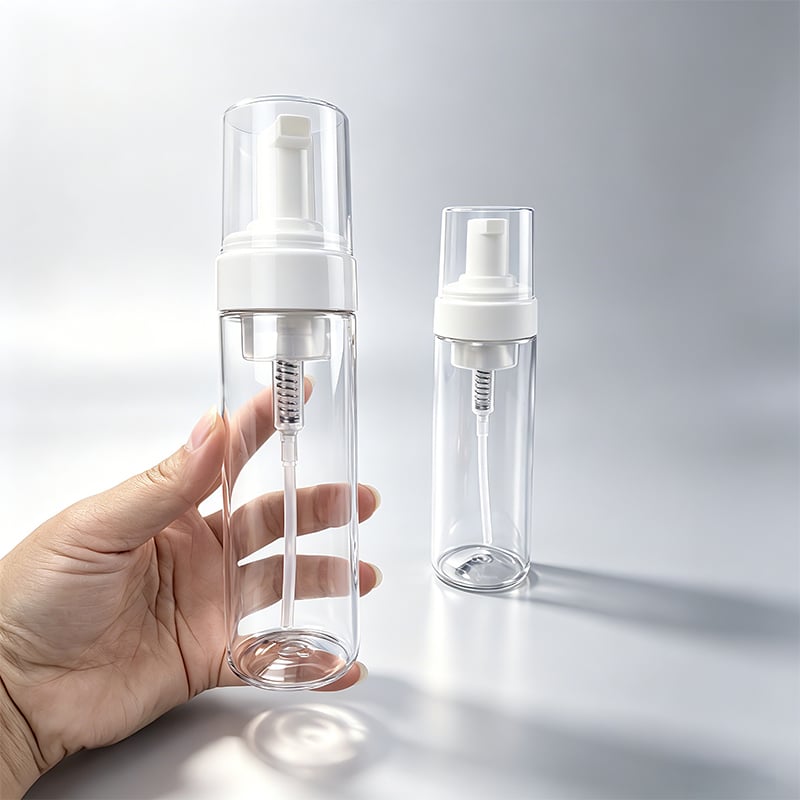
A foam bottle represents a significant investment in quality beverage storage, and understanding the materials that make it durable is essential for both consumers and businesses. The construction of a foam bottle depends on multiple material layers working together to provide insulation, impact resistance, and longevity. Each material component serves a specific purpose, from external protection to internal thermal performance, making the overall durability of your insulated water bottle dependent on the quality and selection of these materials.
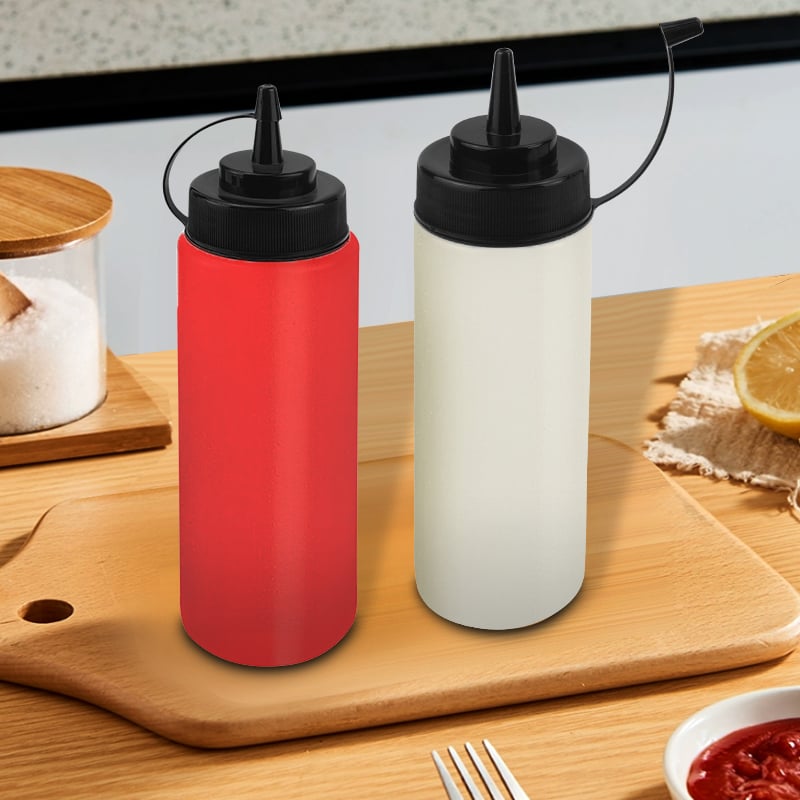
The durability of an insulated water bottle is not accidental; it results from carefully engineered materials that withstand daily use, temperature fluctuations, and environmental stress. A double-wall bottle design combines outer and inner shells with foam insulation between them, creating a structure far more resilient than single-layer containers. Understanding what goes into a thermal beverage container helps you make informed purchasing decisions and recognize why certain products last longer than others under demanding conditions.
Outer Shell Materials and Impact Resistance
Premium Plastic and Polymer Coatings
The outer shell of an insulated water bottle typically uses advanced plastic polymers such as polypropylene or polyethylene terephthalate. These materials are chosen for their ability to absorb impacts without cracking, flex slightly without permanent deformation, and resist UV exposure that would degrade lower-quality plastics. A double-wall bottle's exterior layer must endure drops, scratches, and extended sun exposure while maintaining structural integrity. Premium polymers in high-quality thermal beverage containers often include UV stabilizers and reinforcing agents that extend the lifespan significantly compared to standard plastic bottles.
Metallic Outer Layers
Some foam bottle designs incorporate aluminum or stainless steel outer shells instead of plastic. Metal exteriors provide superior dent resistance and create a more rigid structure that protects the foam insulation layer inside. A double-wall bottle with metal cladding becomes more durable in industrial or outdoor environments where impacts are frequent. The insulated water bottle market increasingly features brushed aluminum finishes that hide minor imperfections while delivering exceptional durability across years of regular use.
Foam Insulation Core and Thermal Protection
Polyurethane and Expanded Foam Composition
The foam layer in a foam bottle is almost always polyurethane-based, either as expanded polyurethane or closed-cell polyurethane foam. This material provides the insulation that keeps beverages at desired temperatures while also contributing to structural rigidity. A thermal beverage container relies on this foam core to maintain performance over thousands of fill cycles and temperature variations. The thickness and density of polyurethane foam directly impact how long the double-wall bottle remains effective; denser foam maintains its insulating properties longer and resists compression better than lower-density alternatives.
Moisture Barriers and Core Protection
Inside the foam layer, moisture barriers prevent water infiltration that would degrade insulation performance. An insulated water bottle with proper moisture sealing remains functional for years, while one without adequate barriers deteriorates rapidly as water penetrates the foam core. The best foam bottle designs use polyurethane formulations specifically engineered to resist water absorption, ensuring the double-wall bottle maintains thermal performance even in humid conditions or after accidental submersion.
Inner Lining and Durability Enhancement
Food-Grade Liner Materials
The inner lining of a thermal beverage container must safely contact beverages while resisting corrosion, staining, and flavor transfer. Stainless steel linings are the industry standard for premium foam bottle designs, providing exceptional resistance to acidic drinks, coffee, and tea. An insulated water bottle with a 18/8 or 18/10 stainless steel interior maintains cleanliness and resists odor absorption far better than plastic liners. The double-wall bottle construction protects this liner from external impacts, allowing manufacturers to use thinner, more effective materials without sacrificing durability.
Protective Coatings and Sealants
High-quality foam bottle products often feature internal protective coatings that prevent mineral deposits and extend the lifespan of the lining. These coatings make an insulated water bottle easier to clean and prevent long-term damage from repeated dishwasher cycles. A double-wall bottle with advanced internal coatings represents the pinnacle of durability engineering, resisting degradation that would reduce thermal beverage container performance year after year.
Closure Systems and Seal Integrity
The cap assembly of a foam bottle contributes significantly to overall durability by preventing liquid leakage and maintaining the sealed environment essential for insulation. Silicone gaskets and rubber seals in the closure must withstand repeated compression, temperature cycling, and exposure to beverages without cracking or degrading. An insulated water bottle with a poorly designed cap fails prematurely regardless of how well the double-wall bottle shell is constructed. The thermal beverage container market demonstrates that premium seal materials extend product lifespan by preventing moisture infiltration into the foam core and maintaining pressure integrity during transport.
Durable foam bottle designs also incorporate threaded construction and snap-fit mechanisms engineered to resist loosening over time. Premium materials in cap assemblies, combined with structural reinforcement in the neck area, create products that maintain performance through hundreds or thousands of opening cycles without degradation.
FAQ
What foam material makes an insulated water bottle most durable?
Closed-cell polyurethane foam provides superior durability because it resists moisture absorption and maintains structural integrity through compression cycles. This material is the preferred choice in professional-grade thermal beverage containers and premium double-wall bottle designs, offering decades of reliable performance compared to open-cell alternatives.
How does a double-wall bottle protect the insulation layer inside?
The double-wall bottle structure creates a protective barrier around the foam layer, shielding it from impact, moisture, and environmental degradation. This design allows foam bottle manufacturers to use more delicate but effective insulation materials while ensuring long-term durability. An insulated water bottle benefits from this architecture because external stresses affect the rigid outer shell rather than the sensitive foam core.
Can thermal beverage container durability be predicted from material choices?
Yes, the material composition of a foam bottle directly indicates expected durability. Products using premium polymers, stainless steel linings, closed-cell polyurethane foam, and advanced sealing systems consistently outperform budget alternatives. An insulated water bottle or double-wall bottle featuring these materials typically lasts significantly longer than products using lower-quality components, making material selection the primary durability predictor.