
 EN
EN

Empty toner bottles present a practical dilemma for businesses and individual users managing printing supplies. Whether you can reuse an empty toner bottle depends on several factors, including the bottle's condition, material composition, and intended use. Many organizations seek sustainable alternatives to constantly purchasing new containers, making toner bottle reuse an appealing option worth exploring carefully.
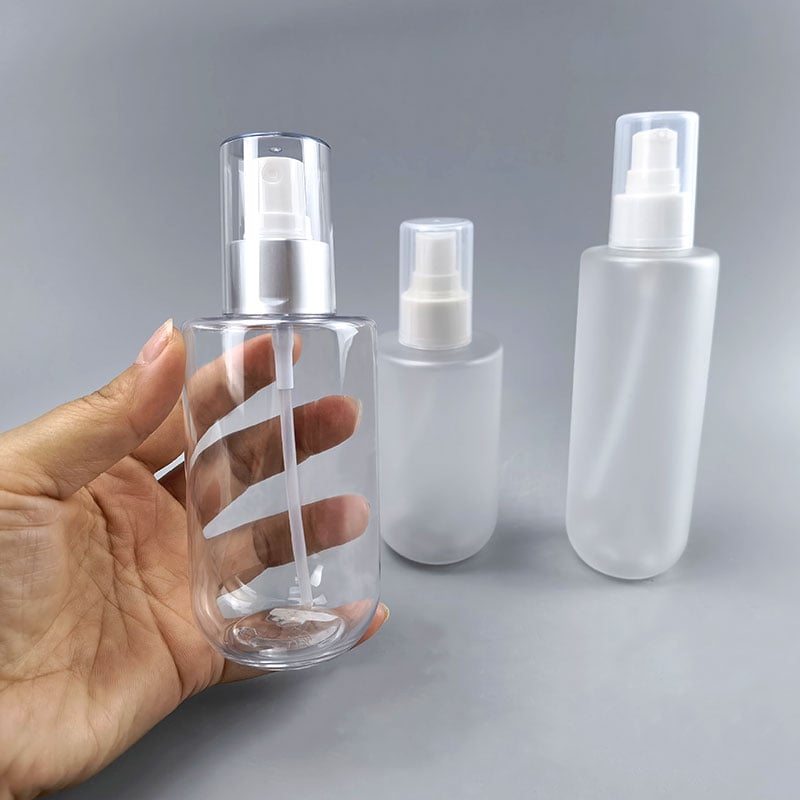
The decision to reuse a toner bottle involves understanding both the risks and benefits involved. Residual toner particles, contamination concerns, and seal integrity all play critical roles in determining whether reuse is safe and effective. This guide examines the feasibility of reusing empty toner containers, discusses refillable toner cartridge alternatives, and provides practical guidance on proper toner powder storage methods to help you make informed decisions about managing your printing consumables sustainably.
Understanding Toner Bottle Reusability
Material Composition and Container Integrity
Standard printer toner bottles are engineered with specific materials designed to contain toner powder safely during storage and use. Most commercial toner containers feature plastic construction that resists toner particle degradation and prevents moisture infiltration. Before considering whether to reuse any toner bottle, examine its structural integrity carefully. Look for cracks, damage to the seal mechanism, and any discoloration that might indicate previous chemical exposure or contamination.
Empty containers that show visible damage or wear should not be reused for storing toner powder. The printer toner container must maintain an airtight seal to prevent toner particles from escaping and to protect the contents from humidity. If the original sealing mechanism is compromised, the container cannot adequately protect fresh toner powder from environmental factors. Always inspect the threads, cap, and body thoroughly before committing to reuse.
Residual Contamination Risks
Residual toner particles remaining inside an empty bottle pose genuine contamination risks when refilling with fresh toner powder. Even thorough cleaning cannot guarantee complete removal of microscopic toner particles embedded in container corners and crevices. When mixing residual particles with new toner, you risk creating a contaminated batch that may perform poorly in your printer. This contamination can result in printing defects, equipment damage, and unexpected downtime.
Different toner formulations have varying chemical properties and may not combine compatibly. Mixing different toner types or generations inside a single toner bottle can produce unpredictable results. The safest approach is using fresh, dedicated containers rather than risking performance degradation through reuse of previously filled bottles.
Refillable Toner Cartridge Solutions
Benefits of Refillable Systems
Refillable toner cartridge technology offers a practical middle ground between single-use containers and reusing old bottles. Purpose-built refillable systems are engineered with multiple-use durability in mind, featuring reinforced seals, ergonomic fill ports, and materials rated for repeated refilling cycles. Investing in genuine refillable toner cartridges eliminates contamination risks associated with reusing old printer toner containers. These systems typically accommodate 5–10 refill cycles before replacement becomes necessary, significantly reducing waste compared to disposable models.
Refillable options provide cost savings over purchasing new cartridges repeatedly. Many users report reducing consumable expenses by 60–70% by switching to refillable toner cartridge systems with compatible toner powder storage solutions. The environmental impact is substantially lower, as you're generating far less plastic waste. Additionally, refillable systems eliminate the guesswork about container compatibility and safety that comes with attempting to reuse original printer toner containers.
Implementation and Maintenance
Successfully using refillable toner cartridges requires understanding proper maintenance procedures and correct refilling techniques. High-quality refillable systems include clear instructions for identifying fill levels, locating the toner powder storage compartment, and sealing containers properly after refilling. Most modern refillable cartridges feature transparent sections allowing you to monitor remaining toner without opening the container. This visibility reduces overfilling mistakes and helps you refill before running empty during critical printing jobs.
Regular maintenance of refillable systems ensures consistent performance and extends usable lifespan. Clean the refill port and surrounding areas after each refilling session to prevent toner powder accumulation. Store your refillable toner cartridge in a cool, dry location away from direct sunlight to preserve toner quality. Proper toner powder storage conditions inside the cartridge maintain optimal flow characteristics and print quality across multiple refill cycles.
Proper Toner Powder Storage Practices
Environmental Conditions for Storage
Toner powder storage requires specific environmental conditions to maintain product quality and printing performance. Toner quality degrades when exposed to excessive humidity, extreme temperatures, or direct sunlight. Store your printer toner container in environments where temperatures remain between 15–25 degrees Celsius and humidity levels stay between 45–75 percent. Basements, attics, and areas near windows are poor toner powder storage locations due to temperature and humidity fluctuations.
Airtight storage is essential for preventing toner particles from absorbing moisture from surrounding air. Moisture-compromised toner develops clumping and separation problems that cause printing defects and equipment jams. When considering whether a previously used toner bottle meets storage requirements, verify that its seal mechanism remains functional and airtight. If you cannot guarantee a complete seal, the container is unsuitable for storing fresh toner powder regardless of its apparent cleanliness.
Container Selection and Organization
Choosing appropriate containers for toner powder storage goes beyond simply finding something that holds powder. The printer toner container must resist static electricity buildup, which can cause toner particles to clump or create safety hazards. Conductive or static-dissipative containers are preferred for professional environments. Most original manufacturer containers meet these specifications, while generic or repurposed bottles may not provide adequate static protection.
Organize your toner powder storage by cartridge model, manufacturing date, and toner type to prevent mixing incompatible products. Label all stored containers clearly with contents, acquisition date, and expiration information. This systematic approach prevents costly mistakes and ensures you always use the oldest toner first, minimizing waste from expired stock. Properly organized toner bottle storage in designated cabinets or shelving units maintains accessibility while protecting contents from environmental degradation and contamination.
FAQ
Is it safe to reuse an empty toner bottle without cleaning?
No, reusing a toner bottle without thorough cleaning is unsafe and impractical. Residual toner particles will contaminate new toner powder, potentially causing printing problems and equipment damage. Even cleaned bottles carry contamination risks because microscopic toner particles remain in crevices and cannot be completely removed through washing. For safety and performance reasons, dedicated new containers or purpose-built refillable toner cartridges are always preferable to reusing old printer toner containers.
What is the main advantage of refillable toner cartridges over reusing empty bottles?
Refillable toner cartridge systems are engineered specifically for multiple refill cycles, featuring durable seals, compatible fill mechanisms, and materials tested for repeated use. Original equipment manufacturer containers are designed for single use only, meaning their seals and structural integrity degrade when repurposed. Refillable options provide consistent performance, eliminate contamination concerns, reduce waste significantly, and typically offer lower long-term costs than repeatedly purchasing new cartridges. They represent the optimal middle ground between sustainability and reliability.
How should empty toner bottles be disposed of if not reused?
Empty toner bottles should be recycled according to local waste management guidelines. Many manufacturers operate take-back programs where you can return empty printer toner containers for proper recycling or refurbishment. Contact your toner supplier to learn about available recycling options in your region. If recycling programs are unavailable, consult local hazardous waste disposal facilities, as toner residue may require special handling. Never dispose of toner bottles in regular household trash, as they may contain materials requiring specialized processing to prevent environmental contamination.