
 EN
EN
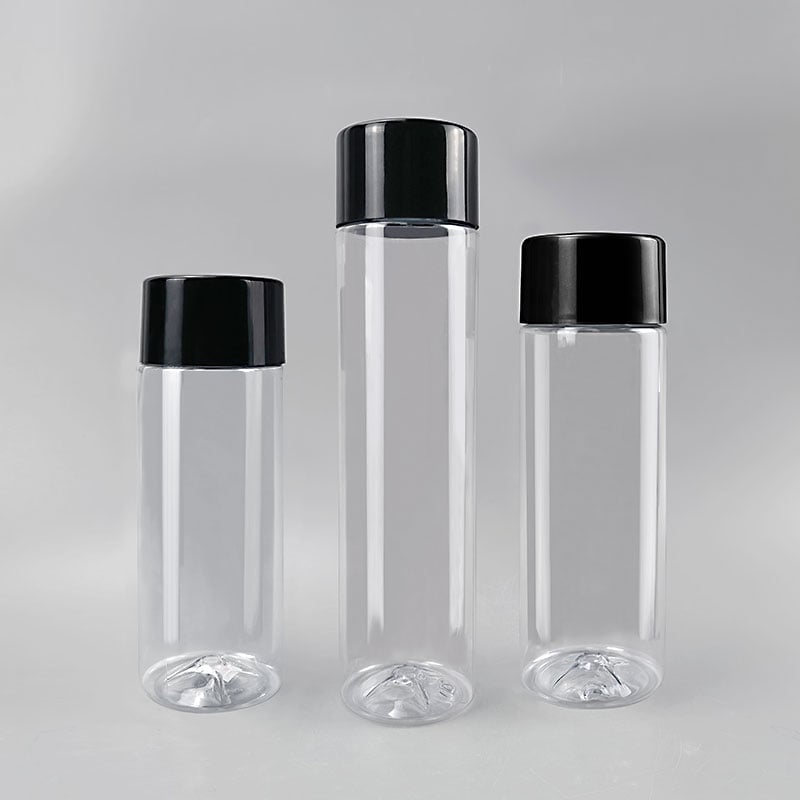
A dispenser bottle is a practical container designed to deliver controlled amounts of liquid with minimal waste and maximum convenience. Whether used for hand soap, lotion, shampoo, or cleaning products, a dispenser bottle combines functional design with user-friendly operation. The fundamental purpose of a dispenser bottle is to allow consumers to access the exact quantity of product they need with a single action, whether that means pressing a pump, tilting the container, or squeezing the walls. This design innovation has become essential in households, commercial facilities, and industrial applications worldwide.
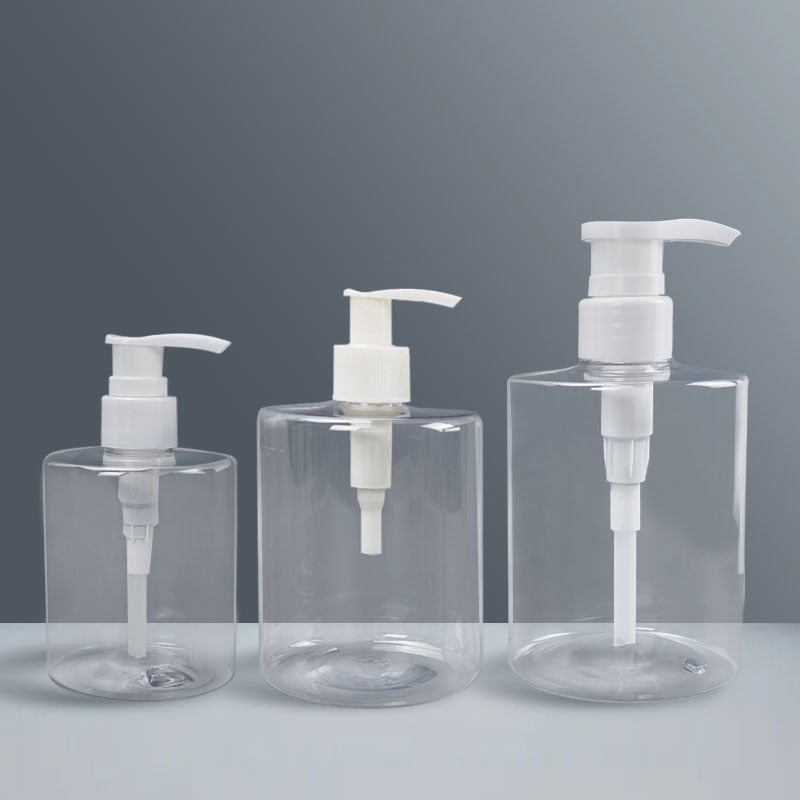
Understanding how a dispenser bottle functions requires knowledge of its core mechanical components and design principles. Most pump dispenser bottle models operate through a simple yet effective mechanism that relies on air pressure, spring tension, or manual compression. The refillable dispenser bottle has become the preferred choice for environmentally conscious users and businesses seeking cost-effective solutions. This guide explores the structure, operation, and practical advantages of dispenser bottles across different industries and residential settings.
Core Components of a Dispenser Bottle
Pump Mechanism and Valve System
The pump dispenser bottle typically features a multi-part valve system that regulates liquid flow and prevents leakage. When you press the pump head, internal air pressure builds and forces a measured amount of liquid through a delivery tube into a secondary chamber. The one-way valve ensures that liquid moves forward into the dispensing nozzle and cannot flow backward into the main reservoir. This precision engineering allows a pump dispenser bottle to deliver consistent doses, whether dispensing five milliliters of hand wash or fifty milliliters of lotion. The valve mechanism is engineered to withstand repeated use cycles without degradation, ensuring long-term reliability and performance.
Container Structure and Material Selection
A refillable dispenser bottle must possess structural integrity to contain liquid safely and resist damage during regular handling. Manufacturers select from plastic compounds such as polyethylene terephthalate (PET) or polypropylene, along with premium glass options for high-value products. The liquid dispenser container wall thickness is carefully calculated to balance weight savings with puncture resistance and pressure tolerance. Modern dispenser bottle designs incorporate graduated measurement markings, ergonomic grip zones, and transparent sections for visual fill-level monitoring. The base and cap design ensure stability during storage and safe operation during dispensing cycles.
How Pump Dispenser Bottles Function
Manual Pump Operation and Pressure Dynamics
When a user presses the pump head on a pump dispenser bottle, they initiate a carefully orchestrated sequence of mechanical actions. The downward pressure compresses the air chamber above the liquid column, creating positive pressure that forces product up through the intake tube. A ball or spring-loaded check valve opens to allow liquid passage but immediately closes when pressure drops, preventing backflow and air entry. The dispenser bottle's precision-engineered nozzle opening controls spray pattern and volume, delivering either a fine mist or a controlled stream depending on design specifications. Each pump stroke releases a pre-calibrated dose, typically between two and five milliliters for most household applications.
Refillable Dispenser Bottle Refilling and Maintenance
A refillable dispenser bottle offers significant advantages through its ability to be emptied and refilled multiple times, reducing packaging waste and lowering overall product costs. The refill process typically involves either unscrewing the pump assembly or removing a fill cap located on the container base. Users pour fresh product directly into the reservoir chamber, ensuring the intake tube remains submerged in liquid to maintain consistent dispensing. The refillable dispenser bottle design allows consumers to mix and match different product types or brands, creating customized solutions for specific household or commercial needs. Proper maintenance involves periodic rinsing of the pump mechanism and occasional lubrication of seals to ensure optimal longevity.
Practical Applications and Industry Use Cases
Residential and Commercial Applications
The liquid dispenser container has become standard in residential bathrooms, kitchens, and commercial facilities including hospitals, restaurants, and offices. Hand wash dispensers reduce cross-contamination by minimizing direct contact with product surfaces, supporting hygiene protocols in high-traffic environments. Shampoo and conditioner dispenser bottles mounted in shower installations improve product application consistency and reduce excess usage. Cleaning product dispensers prevent accidental spills and chemical exposure while allowing precise control over application rates. A dispenser bottle in these contexts directly impacts user safety, operational efficiency, and cost management.
Environmental and Economic Benefits
The refillable dispenser bottle model represents a sustainable alternative to single-use packaging, significantly reducing plastic waste in landfills and marine environments. Businesses that deploy refillable dispenser bottle systems report substantial cost reductions through bulk product purchasing and decreased packaging expenses. The pump dispenser bottle design encourages portion control, preventing overuse of expensive products like premium soaps and conditioning treatments. Educational facilities and healthcare providers benefit from the liquid dispenser container approach by reducing consumable packaging waste while maintaining stringent hygiene standards. This combination of environmental responsibility and economic efficiency drives continued adoption of dispenser bottle solutions across diverse sectors.
FAQ
Can I refill any dispenser bottle multiple times?
Most pump dispenser bottles and refillable dispenser bottle models can be refilled multiple times without quality degradation. However, some single-use liquid dispenser container designs may have pump mechanisms that deteriorate after numerous refill cycles. Always check manufacturer guidelines and inspect the valve system before each refill to ensure proper functioning. Premium refillable dispenser bottle models are specifically engineered for extended lifecycle use and can sustain fifty or more refill cycles.
What causes a dispenser bottle pump to stop working?
Pump dispenser bottle failures typically result from dried product accumulation around the valve mechanism, compromised seals, or air leakage in the pressurization chamber. A refillable dispenser bottle may malfunction if the intake tube becomes dislodged or if liquid level drops below the tube opening. Regular cleaning of the pump head and nozzle with warm water prevents most operational issues. If a liquid dispenser container pump fails completely, the entire pump assembly often requires replacement rather than repair.
How do I choose the right dispenser bottle for my needs?
Selecting the appropriate dispenser bottle depends on the product viscosity, desired dose volume, and intended use frequency. High-viscosity products like thick shampoos require a pump dispenser bottle with a wider opening and stronger spring tension than thin liquid soap. Consider whether a refillable dispenser bottle suits your budget and environmental priorities, or if single-use options meet your specific requirements. Evaluate the liquid dispenser container capacity against your consumption rate to avoid frequent refilling or excess inventory.