
 EN
EN
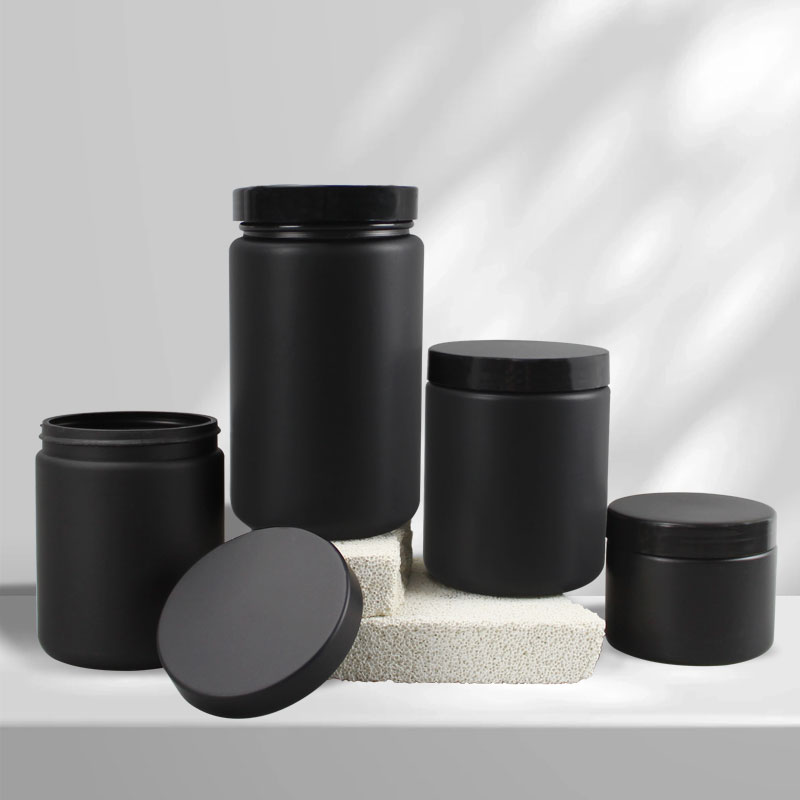
High-density polyethylene containers have revolutionized the packaging industry, particularly in chemical storage and distribution applications. These versatile containers offer exceptional durability, chemical resistance, and cost-effectiveness that make them indispensable for manufacturers across various industries. The unique properties of HDPE material create an ideal barrier against moisture, chemicals, and environmental factors that could compromise product integrity.
Superior Chemical Resistance Properties
Molecular Structure and Barrier Protection
The molecular composition of high-density polyethylene creates an exceptional barrier against a wide range of chemical substances. This polymer structure consists of long chains of ethylene molecules that form a dense, impermeable matrix resistant to acids, bases, alcohols, and many organic solvents. The crystalline nature of HDPE provides superior chemical inertness compared to other plastic materials, making it ideal for storing aggressive chemical formulations without degradation or contamination.
Chemical manufacturers rely on this resistance to maintain product purity and extend shelf life. The non-porous surface prevents chemical migration, ensuring that stored substances retain their original composition and potency. This characteristic is particularly crucial for pharmaceutical applications, cosmetic formulations, and industrial chemicals where even minor contamination could render products unusable or dangerous.
Temperature Stability and Performance
HDPE containers maintain their structural integrity across a broad temperature range, typically from -40°C to 120°C during normal storage conditions. This thermal stability allows chemical products to be stored safely in various environmental conditions without compromising container performance. The material's low coefficient of thermal expansion minimizes stress cracking and dimensional changes that could affect seal integrity or product dispensing.
Industrial applications often require containers that can withstand temperature fluctuations during transportation and storage. HDPE jars excel in these demanding conditions, maintaining their shape and barrier properties even when exposed to extreme weather conditions or thermal cycling. This reliability reduces the risk of product loss and ensures consistent performance throughout the supply chain.
Economic Benefits and Manufacturing Efficiency
Cost-Effective Production and Processing
The manufacturing process for HDPE containers offers significant economic advantages compared to glass or metal alternatives. Blow molding and injection molding techniques allow for high-volume production with minimal waste generation and energy consumption. Raw material costs remain relatively stable, and the lightweight nature of HDPE reduces transportation expenses throughout the distribution network.
Production facilities can achieve faster cycle times and higher output rates when manufacturing HDPE jars compared to traditional packaging materials. The moldability of HDPE allows for complex geometries and integrated features such as tamper-evident seals, ergonomic grips, and stackable designs that enhance functionality without additional assembly steps. This streamlined production process translates directly to lower per-unit costs and improved profit margins for manufacturers.
Inventory Management and Storage Optimization
The lightweight characteristics of HDPE packaging significantly reduce storage and handling costs throughout the supply chain. Warehouses can maximize storage density while minimizing structural load requirements, leading to improved space utilization and reduced facility overhead. The stackable design of many HDPE containers further enhances storage efficiency and inventory organization.
Distribution centers benefit from reduced shipping weights and volumes, resulting in lower freight costs and improved logistics efficiency. The durability of HDPE containers also reduces damage-related losses during transportation and handling, minimizing replacement costs and customer complaints. These operational advantages contribute to overall supply chain optimization and enhanced profitability.
Environmental Impact and Sustainability
Recyclability and Circular Economy Integration
High-density polyethylene ranks among the most recyclable plastic materials, with established collection and processing infrastructure supporting circular economy initiatives. Used HDPE jars can be mechanically recycled multiple times without significant degradation of material properties, making them an environmentally responsible packaging choice. The recycling process requires less energy compared to producing virgin material, reducing overall carbon footprint.
Many manufacturers now incorporate recycled HDPE content into new container production, creating closed-loop systems that minimize waste generation. This approach aligns with corporate sustainability goals and regulatory requirements while maintaining product quality and performance standards. The availability of post-consumer recycled HDPE supports industry efforts to reduce environmental impact and promote responsible resource utilization.
Reduced Carbon Footprint and Energy Consumption
The production of HDPE containers generates significantly lower greenhouse gas emissions compared to glass or metal alternatives. The energy-efficient manufacturing process and reduced transportation requirements due to lighter weight contribute to a smaller overall carbon footprint. Life cycle assessments consistently demonstrate the environmental advantages of HDPE packaging across multiple impact categories.
End-of-life options for HDPE containers extend beyond traditional recycling to include energy recovery applications. When properly managed through waste-to-energy facilities, HDPE containers can provide valuable energy resources while minimizing landfill disposal. This versatility in disposal options supports comprehensive waste management strategies and environmental stewardship initiatives.
Safety and Regulatory Compliance
FDA Approval and Food Contact Standards
HDPE containers meet stringent regulatory requirements for food contact applications, including FDA approval for direct food contact use. The material's chemical inertness prevents migration of potentially harmful substances into stored products, ensuring consumer safety and regulatory compliance. This approval extends to pharmaceutical and cosmetic applications where product purity is paramount.
Regulatory agencies worldwide recognize HDPE as a safe packaging material for various applications, streamlining market entry and reducing compliance costs for manufacturers. The established safety profile of HDPE eliminates the need for extensive testing and approval processes required for newer packaging materials, accelerating product development timelines and market introduction.
Tamper Evidence and Product Security
Modern HDPE jar designs incorporate advanced tamper-evident features that provide visible indication of unauthorized access or tampering attempts. These security features protect both consumers and manufacturers from liability issues while maintaining product integrity throughout the distribution chain. Induction sealing and specialized closure systems further enhance security and freshness retention.
The robust construction of HDPE containers resists deliberate tampering attempts while maintaining ease of opening for legitimate users. Child-resistant closures and senior-friendly designs can be integrated into HDPE jars to meet specific safety requirements without compromising functionality. These safety features support regulatory compliance and consumer protection objectives across various market segments.
Versatility and Application Range
Multi-Industry Compatibility
The versatility of HDPE jars enables their use across diverse industry sectors, from pharmaceuticals and cosmetics to industrial chemicals and agricultural products. This broad compatibility reduces inventory complexity for packaging suppliers and provides manufacturers with standardized solutions that meet multiple application requirements. The ability to customize surface finishes, colors, and labeling options further enhances market appeal.
Chemical processing facilities particularly benefit from the universal compatibility of HDPE containers with various filling and sealing equipment. Standard neck finishes and closure systems ensure seamless integration with existing production lines, minimizing equipment modifications and changeover times. This compatibility reduces operational complexity and improves production efficiency across different product lines.
Customization and Branding Opportunities
HDPE containers offer extensive customization options that support brand differentiation and marketing objectives. Surface treatments such as frosting, texturing, and specialized coatings enhance visual appeal and tactile experience while maintaining chemical resistance properties. Color incorporation during manufacturing provides consistent branding without additional labeling costs.
Advanced printing and labeling technologies work excellently with HDPE surfaces, enabling high-quality graphics and detailed product information presentation. The stable surface characteristics of HDPE ensure label adhesion and print quality throughout product shelf life, maintaining professional appearance and regulatory compliance. These branding capabilities support premium positioning and consumer recognition in competitive markets.
FAQ
What chemicals can be safely stored in HDPE jars?
HDPE jars are compatible with most acids, bases, alcohols, and aqueous solutions commonly used in industrial and laboratory applications. They resist corrosion from hydrochloric acid, sulfuric acid, sodium hydroxide, and most organic solvents. However, they are not recommended for storing strong oxidizing agents, aromatic hydrocarbons like benzene, or halogenated solvents such as methylene chloride. Always consult chemical compatibility charts and conduct testing for specific applications to ensure safe storage.
How long do HDPE jars maintain their structural integrity?
Under normal storage conditions, HDPE jars can maintain their structural integrity for several decades without significant degradation. The material resists environmental stress cracking, UV degradation when properly formulated, and thermal cycling effects. However, exposure to extreme temperatures, aggressive chemicals, or prolonged UV radiation may reduce service life. Typical service life ranges from 10 to 20 years depending on application conditions and environmental factors.
Are HDPE jars suitable for pharmaceutical applications?
Yes, HDPE jars are widely used in pharmaceutical applications due to their excellent chemical resistance, moisture barrier properties, and regulatory approval status. They meet USP Class VI requirements for biological reactivity and are approved by FDA for direct contact with pharmaceutical products. Many pharmaceutical companies use HDPE containers for tablets, capsules, powders, and liquid formulations. The material's inertness prevents leaching and maintains product stability throughout shelf life.
What are the recycling options for used HDPE jars?
Used HDPE jars are highly recyclable through established plastic recycling programs. They should be cleaned of any residual contents and labels removed when possible before placing in recycling bins marked with recycling code #2. The recycled material can be processed into new containers, automotive parts, playground equipment, and various consumer products. Many municipalities accept HDPE containers in curbside recycling programs, and specialized collection programs exist for industrial quantities.