
 EN
EN
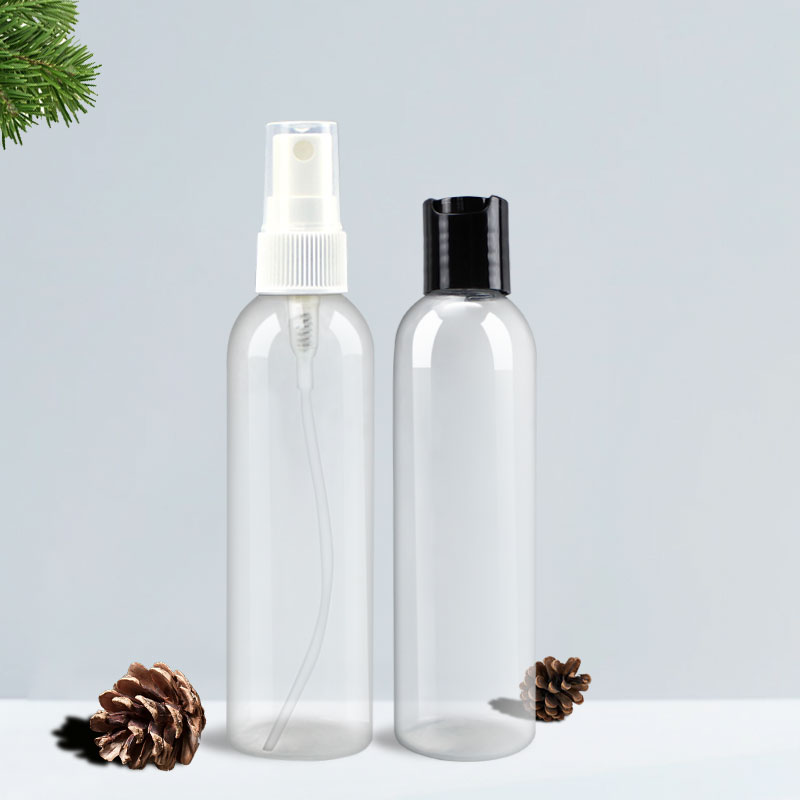
The beauty and cosmetics industry has undergone tremendous transformation over the past decade, with packaging innovations playing a crucial role in product success and consumer satisfaction. Among the various packaging solutions available, plastic cosmetic bottles have emerged as the preferred choice for countless brands worldwide. These versatile containers offer an exceptional combination of functionality, durability, and aesthetic appeal that traditional packaging materials simply cannot match. Understanding the comprehensive benefits of plastic cosmetic bottles is essential for beauty brands, manufacturers, and consumers who seek optimal packaging solutions for their skincare, haircare, and beauty products.
Superior Durability and Safety Features
Impact Resistance and Longevity
One of the most compelling advantages of plastic cosmetic bottles lies in their exceptional impact resistance and overall durability. Unlike glass containers that can shatter upon impact, plastic bottles are engineered to withstand drops, bumps, and various forms of physical stress without compromising their structural integrity. This inherent toughness makes them ideal for travel, gym bags, and everyday use where accidents are more likely to occur. The polymer materials used in manufacturing these containers are specifically formulated to maintain their shape and functionality even under extreme conditions, ensuring that valuable cosmetic products remain safely contained.
The longevity of plastic cosmetic bottles extends far beyond their initial durability. These containers resist cracking, chipping, and other forms of degradation that commonly affect alternative packaging materials. Advanced plastic formulations include UV stabilizers and antioxidants that prevent material breakdown when exposed to sunlight and environmental factors. This enhanced stability ensures that the bottles maintain their appearance and protective properties throughout their intended lifespan, providing consistent product protection and brand presentation.
Chemical Compatibility and Product Protection
Modern plastic cosmetic bottles are manufactured using specialized polymer blends that offer excellent chemical compatibility with a wide range of cosmetic formulations. These materials are carefully selected to prevent interactions between the container and its contents, ensuring that product integrity is maintained throughout storage and use. The non-reactive nature of these plastics means that active ingredients in skincare products, fragrances, and other cosmetic formulations remain stable and effective over time.
The barrier properties of plastic cosmetic bottles provide superior protection against moisture, oxygen, and other environmental factors that can compromise product quality. Advanced multi-layer bottle designs incorporate specialized barrier layers that significantly reduce permeation rates, extending product shelf life and maintaining freshness. This protection is particularly crucial for sensitive formulations containing vitamins, antioxidants, and other active ingredients that can degrade when exposed to air or light.
Cost-Effectiveness and Manufacturing Efficiency
Production Economics and Scalability
The manufacturing process for plastic cosmetic bottles offers significant economic advantages that benefit both producers and consumers. Injection molding and blow molding techniques enable high-volume production with consistent quality and minimal waste. These automated processes can produce thousands of bottles per hour, making them highly cost-effective for both small-scale boutique brands and large multinational companies. The scalability of plastic bottle production means that manufacturers can easily adjust production volumes to meet changing market demands without substantial capital investment.
Raw material costs for plastic resins are generally lower and more stable than alternative packaging materials, providing predictable pricing for long-term planning. The lightweight nature of plastic bottles also reduces shipping costs and environmental impact during transportation. These combined factors result in significant cost savings that can be passed on to consumers or reinvested in product development and marketing initiatives.
Customization and Design Flexibility
Plastic cosmetic bottles offer unparalleled design flexibility that enables brands to create distinctive packaging that reflects their unique identity and appeals to target consumers. The moldability of plastic materials allows for complex shapes, intricate details, and innovative closure systems that would be impossible or prohibitively expensive with other packaging materials. This design freedom extends to surface textures, ergonomic features, and functional elements that enhance user experience.
Advanced decoration techniques such as in-mold labeling, silk screening, and hot stamping can be applied directly during the manufacturing process, eliminating the need for secondary operations and reducing production time. Digital printing capabilities enable short-run customization and personalization options that cater to niche markets and limited edition products. The ability to incorporate multiple colors, gradients, and special effects into the bottle design itself creates premium packaging solutions that command higher market prices.
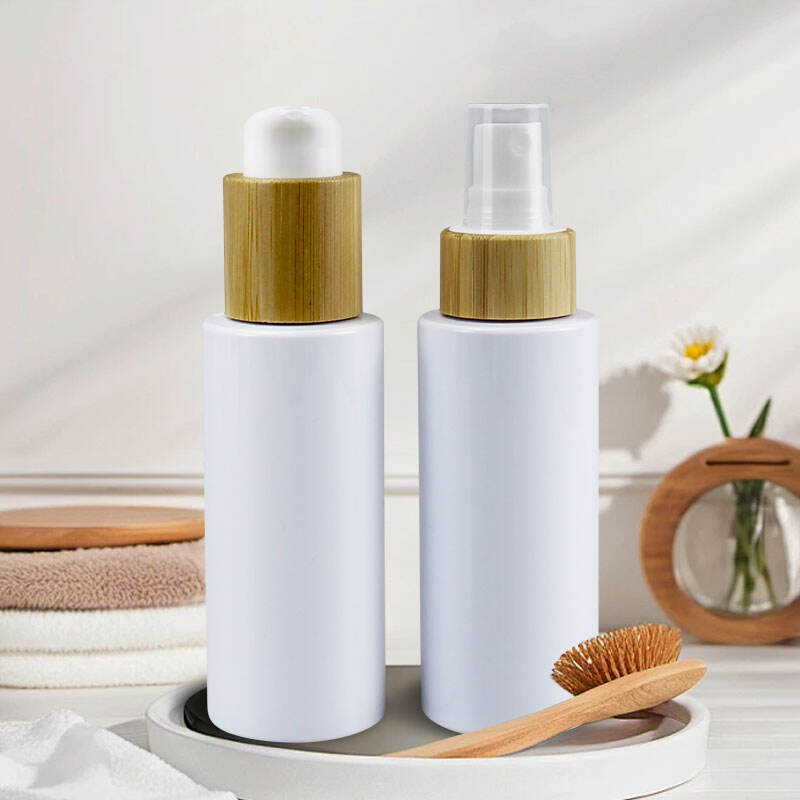
Environmental Sustainability and Recycling Benefits
Recyclability and Circular Economy Integration
Modern plastic cosmetic bottles are designed with end-of-life considerations in mind, incorporating recyclable materials and design features that facilitate proper waste management. Many containers are manufactured using PET, HDPE, and other widely recycled plastic types that can be processed through existing recycling infrastructure. Clear labeling and material identification systems help consumers and waste management facilities properly sort and process these containers for recycling.
The development of closed-loop recycling systems for cosmetic packaging has created opportunities for brands to incorporate post-consumer recycled content into their new bottles. This circular economy approach reduces the demand for virgin plastic materials while maintaining product quality and safety standards. Advanced sorting and cleaning technologies enable high-quality recycled content that meets the stringent requirements of cosmetic packaging applications.
Reduced Carbon Footprint and Energy Efficiency
The production of plastic cosmetic bottles requires significantly less energy compared to alternative packaging materials such as glass or metal. The lower processing temperatures and shorter manufacturing cycles result in reduced carbon emissions during production. Additionally, the lightweight nature of plastic bottles decreases transportation energy requirements throughout the supply chain, from manufacturer to retailer to consumer.
Innovations in bio-based plastics and renewable feedstocks are further reducing the environmental impact of cosmetic packaging. These advanced materials maintain the performance characteristics of traditional plastics while offering improved sustainability profiles. The adoption of renewable energy sources in manufacturing facilities and the implementation of waste reduction programs demonstrate the industry's commitment to environmental responsibility.
Consumer Convenience and User Experience
Portability and Practical Benefits
The lightweight nature of plastic cosmetic bottles makes them ideal for modern consumers who value portability and convenience. Whether traveling for business or leisure, consumers can confidently pack their favorite skincare and beauty products without worrying about excess weight or breakage. This portability advantage has become increasingly important as travel restrictions have evolved and consumers seek versatile products that can accompany them anywhere.
The squeeze-ability of many plastic bottle designs enables precise product dispensing and portion control, reducing waste and ensuring optimal product usage. Ergonomic designs that fit comfortably in the hand enhance the overall user experience, while features such as non-slip grips and easy-open closures accommodate users with varying dexterity levels. These thoughtful design elements contribute to customer satisfaction and brand loyalty.
Hygiene and Safety Considerations
Plastic cosmetic bottles can be manufactured with antimicrobial additives that help inhibit bacterial growth on container surfaces, providing an additional layer of protection for sensitive products. The smooth, non-porous surface of plastic bottles is easy to clean and sanitize, making them suitable for products that require high hygiene standards. This is particularly important for skincare products used around the eyes or on sensitive skin areas.
Child-resistant closures and tamper-evident features can be easily integrated into plastic bottle designs, ensuring product safety and regulatory compliance. These safety features are particularly important for products containing active ingredients or those that should be kept away from children. The ability to incorporate these protective elements without compromising aesthetics or functionality demonstrates the versatility of plastic packaging solutions.
Frequently Asked Questions
Are plastic cosmetic bottles safe for storing skincare products?
Yes, plastic cosmetic bottles are specifically designed and tested for cosmetic product storage. They are manufactured using FDA-approved materials that are chemically inert and will not interact with cosmetic formulations. Modern plastic bottles undergo rigorous compatibility testing to ensure they maintain product stability and safety throughout the intended shelf life.
How do plastic bottles compare to glass in terms of product protection?
While glass provides excellent barrier properties, advanced plastic bottles with specialized barrier layers offer comparable protection for most cosmetic products. Plastic bottles can be designed with UV protection, oxygen barriers, and moisture resistance that equals or exceeds glass performance. Additionally, plastic bottles eliminate the risk of breakage and contamination from glass shards.
Can plastic cosmetic bottles be recycled after use?
Most plastic cosmetic bottles are made from recyclable materials such as PET, HDPE, or PP, which can be processed through standard recycling programs. Consumers should remove any pumps or complex closures and rinse the bottles before placing them in recycling bins. Many brands are also implementing take-back programs to ensure proper recycling of their packaging.
What makes plastic bottles more cost-effective than other packaging options?
Plastic bottles offer lower raw material costs, reduced shipping expenses due to their lightweight nature, and efficient manufacturing processes that minimize production costs. The durability of plastic packaging also reduces product loss from breakage during transportation and handling. These combined factors result in significant cost savings throughout the entire supply chain, benefits that can be passed on to consumers.