
 EN
EN
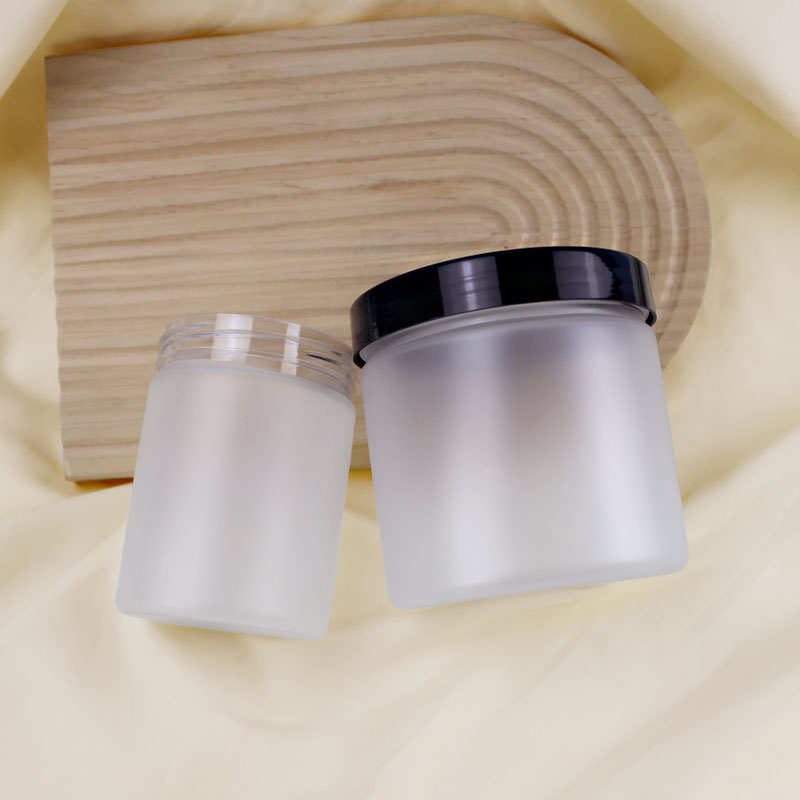
The Science and Art of Choosing the Perfect Container for Different Foods
Plastic jars are ubiquitous in modern kitchens and pantries, prized for their lightweight convenience, durability, and cost-effectiveness. However, the suitability of a plastic jar for a specific food item is not a matter of chance but of science. Selecting the correct container is a critical decision that impacts food safety, preserves nutritional quality, and extends shelf life. An improper match can lead to chemical migration, accelerated spoilage, or flavor transfer. This guide delves into the essential knowledge required to match food characteristics with the ideal plastic jar, empowering you to make informed choices that safeguard your health and the integrity of your ingredients.
Understanding the Foundation: Plastic Jar Materials and Safety
The journey to selecting the right plastic jar begins with a fundamental understanding of the materials from which it is made. Different plastic resins possess distinct chemical and physical properties that determine their compatibility with various foods and storage conditions.
Decoding Common Food-Grade Plastic Resins
Not all plastics are created equal for food contact. The most commonly used materials for food-grade plastic jar are identified by their Resin Identification Code (RIC), a number inside the recycling triangle.
High-Density Polyethylene (HDPE - #2)
HDPE is one of the most versatile and widely used plastics for food containers. It is known for its excellent chemical resistance, particularly against acids and bases, making it a robust choice for a wide array of foods. A typical HDPE plastic jar is opaque, has good impact strength, and provides an effective moisture barrier. This material is often chosen for its durability and safety profile.
Polypropylene (PP - #5)
Renowned for its high heat resistance, Polypropylene is a superstar in the kitchen. It is the only common plastic generally considered safe for microwave use. A PP plastic jar is rigid, has strong fatigue resistance (ideal for lids with living hinges), and offers excellent resistance to oils and greases. Its ability to withstand temperature variations makes it exceptionally versatile.
Polyethylene Terephthalate (PET or PETE - #1)
PET is prized for its crystal clarity, strength, and gas barrier properties. It is most commonly used for single-use beverage bottles and salad dressing containers. While excellent for its intended purpose, questions often arise about its suitability for long-term reuse as a plastic jar. Its properties are optimized for short-term, single-use applications.
The Critical Importance of Food-Grade Certification
What truly separates a suitable plastic jar from an unsuitable one is its certification. Food-grade plastics are manufactured to comply with strict regulatory standards, such as those set by the U.S. Food and Drug Administration (FDA) or the European Food Safety Authority (EFSA). This certification ensures that the material’s composition minimizes the risk of harmful substances leaching into food, especially when in contact with acidic, fatty, or hot contents. Always verifying that a plastic jar is labeled as "food-grade" is the first and most crucial step in safe selection.
Matching Food Types with the Ideal Plastic Jar
Different foods present unique challenges: acidity, oil content, moisture, and sensitivity to light or oxygen. Selecting the right plastic jar involves creating a harmonious pairing that addresses these specific needs.
Storing Oils, Condiments, and Acidic Foods
Foods like cooking oils, vinegar, tomato-based sauces, and citrus juices demand a container with high chemical resistance.
The Challenge of Fats and Acids
Fats and oils can degrade certain plastics, while acidic foods can accelerate chemical migration. Have you ever wondered why some containers become brittle or discolored after holding pasta sauce? This is often a sign of material incompatibility. A plastic jar intended for these foods must be inert and non-reactive.
Recommended Plastic Jar Solutions
For these demanding applications, HDPE (#2) and PP (#5) are the top choices. Their molecular structure provides excellent resistance to chemical attack. An opaque HDPE plastic jar is particularly advantageous for oils, as it also blocks light, helping to prevent rancidity. For hot-fill applications like homemade jam or preserves, a heat-resistant PP plastic jar is indispensable.
Preserving Dry Goods and Powders
Flour, sugar, rice, coffee, and spices require a container that primarily acts as a barrier to moisture and pests.
The Imperative of a Moisture Barrier
The enemy of dry goods is ambient humidity, which can lead to clumping, mold growth, or loss of crispness. The ideal plastic jar for this category must have an excellent moisture barrier and a secure, airtight seal. Is your brown sugar still soft, or have your crackers lost their snap? The quality of your plastic jar seal is often the deciding factor.
Recommended Plastic Jar Solutions
Both HDPE and PP are excellent for dry storage due to their low moisture vapor transmission rates. A sturdy, wide-mouth PP plastic jar is perfect for easy scooping of flour or grains. For larger quantities, consider a food-grade HDPE bucket-style plastic jar with a gamma seal lid, which provides a robust, reusable closure ideal for pantry organization.
Containing Prepared Meals, Leftovers, and Dairy
This category involves the most dynamic storage conditions, often moving from refrigerator to freezer to microwave.
Navigating Temperature Extremes
From freezing leftovers to reheating yesterday's soup, the plastic jar must perform under thermal stress. Not all plastics withstand freezing without becoming brittle, and even fewer can safely handle microwave reheating. Using the wrong plastic jar for heating can lead to warping or the release of unintended compounds into your food.
Recommended Plastic Jar Solutions
Polypropylene (#5) is the unequivocal champion for this versatile role. Look for a plastic jar explicitly labeled as both freezer-safe and microwave-safe, which almost certainly indicates PP. Its ability to handle temperature swings from below freezing to reheating temperatures makes it the safest and most convenient choice for modern food storage and meal preparation routines.
Practical Strategies for Making an Informed Plastic Jar Choice
Beyond material science, practical considerations around usage, labeling, and longevity are key to optimizing your investment in a quality plastic jar.
Evaluating Functionality and Design Features
The best material is only as good as the container's design. How will you use the plastic jar daily?
Closure Mechanisms and Seal Integrity
The lid is arguably as important as the jar itself. A weak seal renders the best plastic jar ineffective. Look for secure closure systems: screw-top lids with consistent threading, snap-lock lids with a silicone gasket, or push-button seals for one-handed operation. For liquid items, a plastic jar with a built-in pour spout or a wide, smooth rim for easy pouring is a functional upgrade.
Form Factor and User Convenience
Consider the shape and size relative to your storage space and usage. A tall, narrow plastic jar might be perfect for spaghetti but inefficient for scooping almond flour. Square or rectangular plastic jar designs optimize shelf space, while clear containers allow for quick inventory checks. For stackability, ensure the design includes reinforced lids or recessed bottoms.
Maintaining and Caring for Your Plastic Jars
Proper care extends the life of your plastic jar and ensures ongoing food safety.
Effective Cleaning and Odor Prevention
While many plastic jar are dishwasher-safe (typically top-rack), handwashing with mild detergent can preserve clarity and prevent warping from high heat. Stubborn stains or odors from foods like tomato sauce or spices can be mitigated by soaking in a solution of baking soda and water. Always ensure the plastic jar is completely dry before sealing to prevent moisture buildup.
Monitoring for Wear and Knowing When to Replace
Plastic containers are not meant to last forever. Regularly inspect your plastic jar for signs of wear: deep scratches, cloudiness, persistent odors, or cracks—especially around the rim or lid. Scratches can harbor bacteria and increase the potential for material breakdown. If a plastic jar becomes heavily stained, warped, or damaged, replacing it is the safest practice to ensure continued food safety and container integrity.
Frequently Asked Questions About Plastic Jars
Is it safe to reuse a commercial product's plastic jar for food storage?
This depends entirely on the original product and the plastic resin. A plastic jar that originally held peanut butter (likely PP #5) is generally safe to reuse after thorough cleaning. However, a container not originally intended for food, or one that held harsh chemicals, should never be repurposed for food. Always check the resin code and ensure it is food-grade (#1, #2, #4, #5). When in doubt, opt for a plastic jar specifically sold for food storage purposes.
How can I tell if a plastic jar is truly microwave or freezer safe?
Look for explicit labels from the manufacturer. The words "Microwave Safe" or "Freezer Safe" are your best indicators. Symbolically, a microwave icon (wavy lines) or a snowflake icon is used. Crucially, remember that the lid might be made from a different material. Even if the PP plastic jar body is microwave-safe, the lid may not be; always remove the lid when reheating unless it is also specifically labeled as safe for such use.
What is the best way to remove stubborn stains or smells from a plastic jar?
For stains, create a paste of baking soda and water, apply it to the interior of the plastic jar, let it sit for several hours or overnight, then scrub and rinse. For odors, fill the plastic jar with a mixture of warm water and white vinegar or a teaspoon of bleach (ensure thorough rinsing afterwards) and let it soak. Sunlight can also help bleach stains and dissipate odors. Avoid using abrasive scrubbers that can create micro-scratches.
Are there any foods that should never be stored in a plastic jar?
It is advisable to avoid storing extremely hot foods (right off the stove) in any plastic jar, as heat can increase the potential for migration. Highly concentrated acidic or alkaline solutions, or strong solvents, are also poor candidates for long-term storage in standard food-grade plastics. For these, glass or ceramic containers are more appropriate. Additionally, avoid using a scratched, damaged, or cloudy plastic jar for any food storage.