
 EN
EN
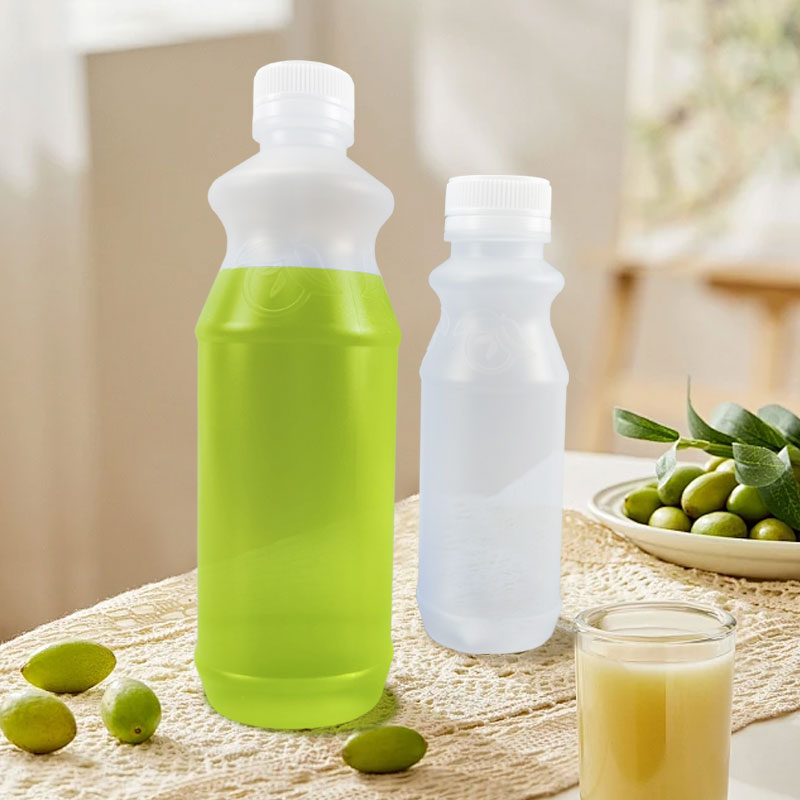
The shift toward sustainable packaging solutions has revolutionized the beverage and liquid product industries, with compostable biodegradable bottles emerging as a game-changing alternative to traditional plastic containers. These innovative packaging solutions offer businesses and consumers an environmentally responsible way to store and transport liquids while maintaining product integrity and safety. As environmental awareness continues to grow, companies across various sectors are actively seeking eco-friendly packaging options that align with their sustainability goals and meet increasingly strict environmental regulations.
Understanding Compostable Biodegradable Bottle Technology
Material Composition and Manufacturing Process
Modern compostable biodegradable bottles are typically manufactured using advanced biopolymers derived from renewable resources such as corn starch, sugarcane, or other plant-based materials. These materials undergo specialized processing techniques that create durable yet environmentally degradable packaging solutions. The manufacturing process involves careful temperature control and precise molecular engineering to ensure the bottles maintain structural integrity while preserving their biodegradable properties. Quality manufacturers implement rigorous testing protocols to verify that each bottle meets international standards for both performance and environmental impact.
The production methodology focuses on creating bottles that can withstand normal handling, storage, and transportation conditions while ensuring rapid decomposition when exposed to proper composting environments. Advanced polymer science enables manufacturers to customize the degradation timeline based on specific application requirements. This technological sophistication allows for precise control over bottle characteristics such as transparency, flexibility, and barrier properties, making them suitable for diverse liquid storage applications.
Certification Standards and Environmental Compliance
Legitimate compostable biodegradable bottles must meet stringent certification standards established by organizations such as the Biodegradable Products Institute and international composting associations. These certifications ensure that bottles completely decompose within specified timeframes under industrial composting conditions, typically between 90 to 180 days. The certification process involves comprehensive testing for toxicity, disintegration rates, and biodegradability to guarantee environmental safety and effectiveness.
Environmental compliance extends beyond basic biodegradability to include carbon footprint reduction, renewable resource utilization, and end-of-life impact assessment. Manufacturers must demonstrate that their production processes minimize environmental impact while creating packaging solutions that actively contribute to circular economy principles. This comprehensive approach ensures that compostable biodegradable bottles provide genuine environmental benefits rather than merely appearing eco-friendly.
Beverage Industry Applications
Juice and Smoothie Packaging
The juice and smoothie industry has embraced compostable biodegradable bottles as an ideal packaging solution for fresh, organic, and premium beverage products. These bottles provide excellent barrier properties that protect sensitive nutrients and flavors while maintaining product freshness throughout the distribution chain. Cold-pressed juice manufacturers particularly benefit from the clean, natural image that biodegradable packaging conveys to health-conscious consumers who prioritize both personal wellness and environmental responsibility.
Smoothie bars and juice retailers appreciate the marketing advantages of sustainable packaging, as it reinforces their brand commitment to health and environmental stewardship. The bottles can be customized with vibrant, food-grade printing that showcases product information and branding while maintaining complete biodegradability. Many establishments report increased customer loyalty and premium pricing opportunities when using environmentally responsible packaging solutions.
Dairy and Plant-Based Milk Products
Dairy producers and plant-based milk manufacturers are increasingly adopting compostable biodegradable bottles for single-serve and family-size portions. These bottles provide excellent protection against light and oxygen, crucial factors in maintaining milk quality and extending shelf life. The natural properties of biodegradable materials create an additional barrier against contamination while ensuring complete product safety throughout the supply chain.
Plant-based milk producers find these bottles particularly advantageous because they align perfectly with the environmental values of their target consumers. Almond, oat, soy, and coconut milk brands can authentically communicate their sustainability message through packaging choices that support their overall brand positioning. The bottles accommodate various sizes from individual servings to larger family containers, providing flexibility for different market segments and consumption patterns.
Personal Care and Cosmetic Applications
Liquid Soap and Shampoo Containers
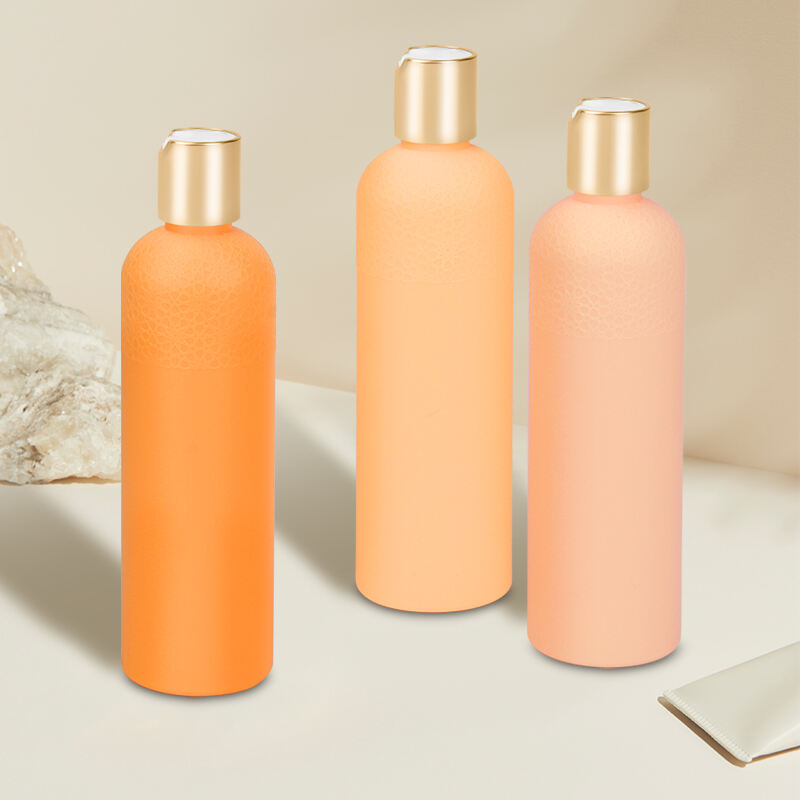
Personal care manufacturers are revolutionizing their packaging strategies by implementing compostable biodegradable bottles for liquid soaps, shampoos, and body wash products. These bottles provide excellent chemical resistance and durability while offering consumers a guilt-free disposal option that aligns with growing environmental consciousness. The bottles maintain structural integrity during normal use while ensuring complete biodegradation after disposal in appropriate composting facilities.
Luxury and organic personal care brands particularly benefit from biodegradable packaging as it reinforces their premium positioning and commitment to natural ingredients. The bottles can accommodate various closure systems including pump dispensers, flip-top caps, and traditional screw-on lids, providing design flexibility for different product applications. Many brands report enhanced customer satisfaction and brand loyalty when transitioning to sustainable packaging solutions.
Skincare and Beauty Product Packaging
The skincare and beauty industry has embraced compostable biodegradable bottles for serums, lotions, toners, and other liquid formulations. These bottles provide excellent UV protection and barrier properties that preserve active ingredients and extend product shelf life. The neutral pH of biodegradable materials ensures compatibility with sensitive skincare formulations while preventing chemical interactions that could compromise product efficacy.
Beauty brands targeting environmentally conscious consumers find these bottles essential for authentic sustainability messaging. The packaging supports clean beauty initiatives and appeals to millennials and Generation Z consumers who prioritize environmental responsibility in their purchasing decisions. Custom printing capabilities allow brands to maintain sophisticated aesthetic appeal while demonstrating genuine commitment to environmental stewardship.
Food Service and Hospitality Industry Uses
Restaurant and Cafe Takeout Containers
Restaurants, cafes, and food service establishments are adopting compostable biodegradable bottles for beverage takeout and delivery services. These bottles provide excellent insulation properties for both hot and cold beverages while ensuring complete biodegradability after customer disposal. The professional appearance and customization options allow establishments to maintain brand consistency while demonstrating environmental responsibility to customers.
Food service operators appreciate the operational benefits of biodegradable bottles, including reduced waste management costs and simplified disposal procedures. Many municipalities offer composting programs that accept certified biodegradable packaging, creating a seamless waste stream for environmentally responsible establishments. The bottles accommodate various beverage types including coffee, tea, smoothies, and specialty drinks while maintaining temperature and quality throughout the service period.
Catering and Event Services
Catering companies and event planners are incorporating compostable biodegradable bottles into their service offerings for weddings, corporate events, and special occasions. These bottles provide elegant presentation options for beverages while supporting event sustainability goals that many clients now prioritize. The bottles can be customized with event branding or left neutral to complement various aesthetic themes and decoration styles.
Large-scale events benefit from the simplified cleanup and waste management that biodegradable bottles provide. Event organizers can implement comprehensive composting programs that handle all organic waste, including packaging materials, creating a truly sustainable event experience. This approach appeals to environmentally conscious clients and helps establish competitive differentiation in the increasingly sustainability-focused events industry.
Industrial and Commercial Applications
Cleaning Product Distribution
Commercial cleaning companies and industrial suppliers are transitioning to compostable biodegradable bottles for eco-friendly cleaning concentrates and solutions. These bottles provide excellent chemical resistance for various cleaning formulations while ensuring environmental safety during disposal. The bottles accommodate concentrated products that require dilution, supporting sustainable distribution models that reduce transportation costs and environmental impact.
Facility managers and procurement departments increasingly specify biodegradable packaging for cleaning supplies as part of comprehensive sustainability initiatives. The bottles support LEED certification requirements and corporate environmental goals while maintaining the performance standards necessary for effective cleaning operations. Many organizations report cost savings through reduced waste disposal fees and improved environmental compliance ratings.
Agricultural and Horticultural Products
Agricultural suppliers and horticultural companies utilize compostable biodegradable bottles for liquid fertilizers, plant nutrients, and organic growing solutions. These bottles provide excellent compatibility with organic farming practices while ensuring complete environmental integration after use. The biodegradable properties eliminate concerns about plastic contamination in soil and composting systems that are crucial for organic certification maintenance.
Greenhouse operators and organic farmers appreciate packaging that aligns with their environmental stewardship values and operational requirements. The bottles can withstand agricultural handling conditions while providing clear product identification and usage instructions. Many agricultural operations integrate empty bottles directly into their composting systems, creating a closed-loop sustainability cycle that supports overall farm environmental goals.
Healthcare and Pharmaceutical Applications
Medical Device Cleaning Solutions
Healthcare facilities are adopting compostable biodegradable bottles for non-critical cleaning solutions and instrument care products. These bottles provide appropriate barrier properties for medical-grade formulations while supporting healthcare sustainability initiatives. The bottles must meet strict regulatory requirements for medical environments while ensuring complete biodegradability for responsible disposal.
Hospital sustainability coordinators value packaging solutions that contribute to waste reduction goals without compromising patient safety or operational efficiency. The bottles support healthcare environmental stewardship programs while maintaining the professional appearance and functionality required in medical settings. Many healthcare systems report improved environmental compliance scores when implementing biodegradable packaging solutions for appropriate applications.
Wellness and Supplement Packaging
Wellness companies and supplement manufacturers use compostable biodegradable bottles for liquid vitamins, herbal extracts, and nutritional supplements. These bottles provide excellent protection against light and oxygen while maintaining product potency throughout shelf life. The natural properties of biodegradable materials complement the health-focused messaging of wellness brands and appeal to consumers seeking holistic lifestyle solutions.
The packaging supports clean label initiatives and appeals to health-conscious consumers who consider environmental impact as part of their wellness philosophy. Supplement companies can authentically communicate their commitment to both personal health and environmental health through responsible packaging choices. The bottles accommodate various formulation types including water-based and oil-based supplements while maintaining stability and safety standards.
FAQ
How long do compostable biodegradable bottles take to decompose
Certified compostable biodegradable bottles typically decompose within 90 to 180 days under proper industrial composting conditions with controlled temperature, moisture, and oxygen levels. Home composting may require longer timeframes depending on environmental conditions and compost management practices. The decomposition rate varies based on bottle thickness, material composition, and composting environment characteristics, but all certified bottles must meet specific biodegradation timelines established by international standards.
Are biodegradable bottles suitable for carbonated beverages
Most standard compostable biodegradable bottles are not recommended for carbonated beverages due to pressure requirements and gas barrier properties needed to maintain carbonation levels. However, specialized biodegradable formulations with enhanced barrier properties are being developed for specific carbonated applications. Manufacturers should consult with packaging specialists to determine appropriate solutions for carbonated products, as material selection and bottle design significantly impact performance with pressurized contents.
What certifications should I look for in biodegradable bottles
Look for certifications from recognized organizations such as the Biodegradable Products Institute (BPI), ASTM D6400 or D6868 standards, and European EN 13432 certification for compostable packaging. These certifications ensure that bottles meet rigorous testing requirements for biodegradation, disintegration, and eco-toxicity. Additional certifications may include FDA approval for food contact applications and organic certification compatibility for products targeting organic markets.
Can biodegradable bottles be recycled through traditional programs
Compostable biodegradable bottles should not be placed in traditional plastic recycling programs as they are designed to biodegrade rather than be mechanically recycled. Mixing biodegradable materials with conventional plastics can contaminate recycling streams and compromise the quality of recycled materials. Instead, these bottles should be disposed of through industrial composting facilities or appropriate organic waste collection programs where available in your area.