
 EN
EN
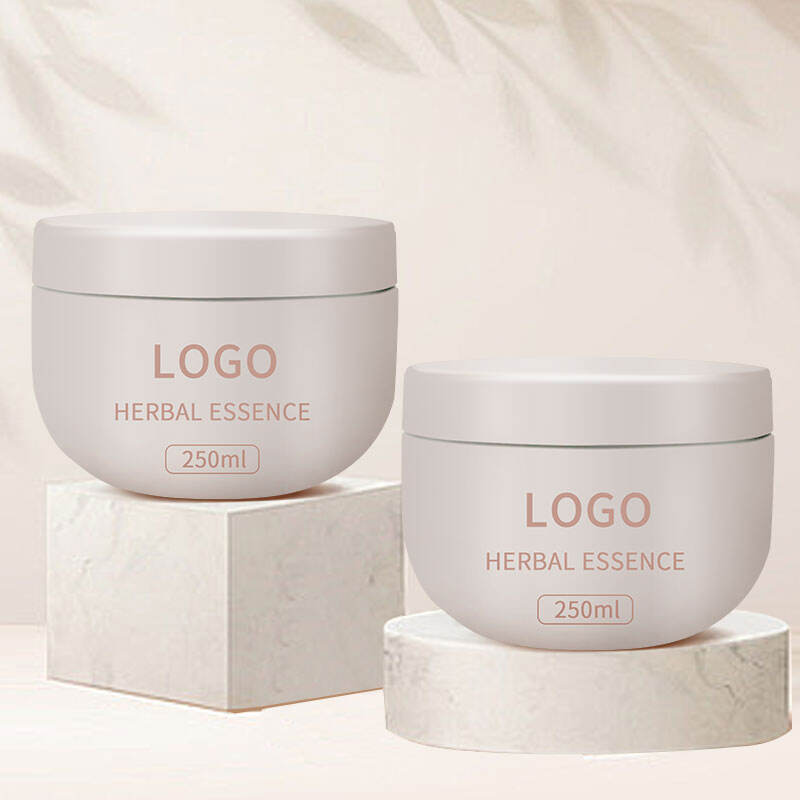
Selecting the appropriate container for cosmetic products is a critical decision that impacts product integrity, customer satisfaction, and brand perception. The choice of packaging directly influences how well your cosmetic formulations maintain their efficacy, texture, and shelf life. Understanding the relationship between different cosmetic textures and their ideal containers ensures optimal product performance while meeting consumer expectations for functionality and aesthetics.
The cosmetics industry relies heavily on proper packaging solutions to deliver products that meet stringent quality standards. Whether dealing with lightweight serums, thick body butters, or granular scrubs, each texture presents unique packaging requirements that must be carefully considered. Modern cosmetic brands increasingly turn to specialized containers that not only protect their formulations but also enhance the user experience through thoughtful design and functionality.
Understanding Cosmetic Texture Categories
Liquid and Semi-Liquid Formulations
Liquid cosmetic products encompass a wide range of formulations including serums, toners, lightweight moisturizers, and fluid foundations. These products typically have low viscosity and require containers that prevent leakage while maintaining product stability. The molecular structure of liquid formulations makes them susceptible to contamination and oxidation, necessitating packaging solutions that provide adequate protection from environmental factors.
Semi-liquid products such as gel-based moisturizers, hair styling gels, and certain cleansing products fall into an intermediate category. These formulations possess moderate viscosity and often contain active ingredients that require specific storage conditions. The packaging choice for semi-liquid products must balance accessibility for dispensing while ensuring proper preservation of the product's intended consistency and performance characteristics.
Temperature sensitivity represents another crucial factor for liquid and semi-liquid cosmetics. Many of these formulations can separate or lose effectiveness when exposed to extreme temperatures. Quality packaging solutions incorporate materials and designs that help maintain stable internal temperatures and protect against thermal shock that could compromise product integrity.
Cream and Lotion Consistencies
Cream-based cosmetics represent the largest category in the beauty industry, spanning from lightweight day creams to rich night treatments. These formulations typically contain emulsifiers that create stable oil-in-water or water-in-oil systems. The packaging requirements for creams focus on maintaining emulsion stability while preventing contamination that could break down the carefully balanced formulation.
Body lotions and facial moisturizers require containers that accommodate frequent use while protecting the product from bacterial contamination. The viscosity of these products allows for controlled dispensing, but the packaging must prevent air exposure that could lead to separation or rancidity of oil-based ingredients. Many cream formulations also incorporate active ingredients like retinol or vitamin C that demand light-resistant packaging.
Premium cream products often feature complex ingredient profiles including peptides, botanical extracts, and specialized delivery systems. These sophisticated formulations require packaging that maintains the integrity of sensitive components while providing an elegant user experience. The container choice significantly impacts how well these advanced ingredients remain stable and effective throughout the product's shelf life.
Material Science and Cosmetic Compatibility
Plastic Polymer Properties
Modern cosmetic packaging relies on advanced polymer science to create containers that meet diverse formulation needs. PET (polyethylene terephthalate) offers excellent clarity and chemical resistance, making it ideal for products where visual appeal matters. This material provides a glass-like appearance while offering superior impact resistance and lighter weight, crucial factors for consumer convenience and shipping efficiency.
PP (polypropylene) containers excel in applications requiring chemical inertness and temperature stability. This material resists a wide range of cosmetic ingredients including oils, alcohols, and acidic formulations. PP packaging maintains dimensional stability across temperature variations, ensuring consistent dispensing performance regardless of storage conditions. The material's inherent flexibility also makes it suitable for squeeze-dispensed products.
HDPE (high-density polyethylene) provides excellent moisture barrier properties essential for water-sensitive formulations. This material effectively prevents moisture ingress that could compromise powder-based products or cause bacterial growth in cream formulations. HDPE containers offer good chemical resistance while maintaining cost-effectiveness for large-volume production runs, making them popular for mainstream cosmetic brands.
Barrier Protection Requirements
Oxygen barrier properties play a critical role in preserving cosmetic formulations containing antioxidants or natural ingredients prone to oxidation. Advanced plastic jar for cosmetic applications incorporate multi-layer structures or specialized coatings that significantly reduce oxygen transmission rates. These enhanced barrier properties extend product shelf life and maintain ingredient efficacy.
Light protection becomes essential for formulations containing photosensitive ingredients such as retinoids, essential oils, or botanical extracts. UV-resistant materials and opaque or tinted containers help preserve these valuable components from degradation. Some advanced packaging solutions incorporate UV-filtering additives directly into the container material, providing comprehensive protection without sacrificing design flexibility.
Chemical compatibility testing ensures that container materials do not interact negatively with specific cosmetic ingredients. Certain actives can cause stress cracking, discoloration, or dimensional changes in incompatible plastics. Comprehensive compatibility studies evaluate long-term storage effects, helping manufacturers select appropriate packaging materials that maintain both product and container integrity throughout the intended shelf life.
Texture-Specific Container Selection Criteria
Viscosity and Dispensing Mechanisms
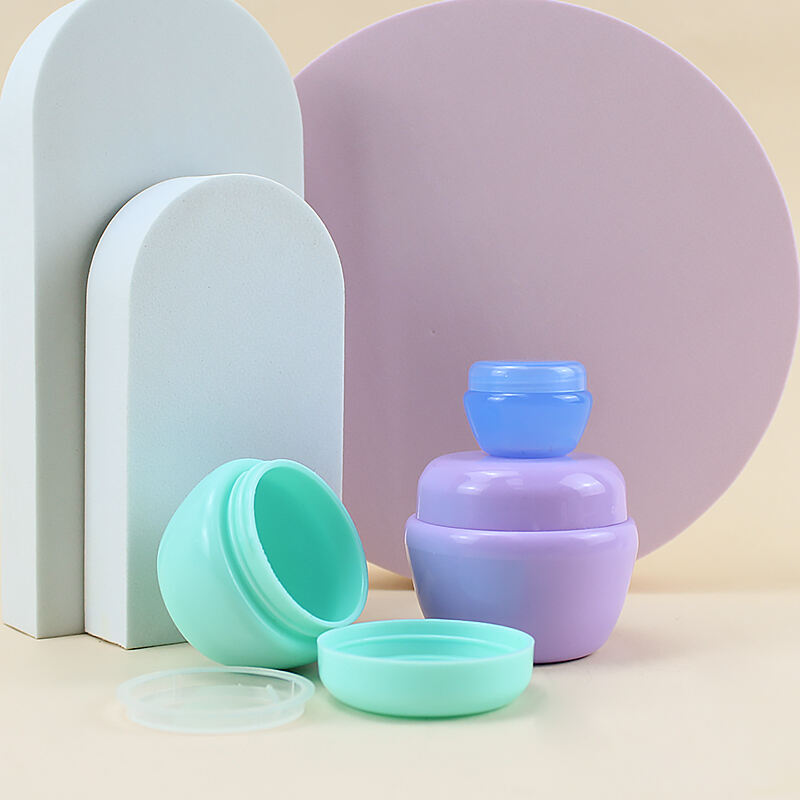
High-viscosity products such as thick body butters, healing balms, and overnight treatments require wide-mouth containers that facilitate easy product access. These formulations often have consistency similar to soft solids at room temperature, necessitating packaging designs that allow users to scoop or spatula out appropriate amounts. The container opening diameter directly impacts user experience and product waste reduction.
Medium-viscosity creams and lotions work well with moderate opening sizes that balance accessibility with preservation. These products flow slowly but maintain their shape, allowing for controlled dispensing without excessive air exposure. Container design must consider the product's tendency to form peaks or maintain surface tension, which affects how cleanly the product separates from dispensing tools.
Low-viscosity formulations require specialized dispensing solutions that prevent over-pouring while maintaining product hygiene. Pump dispensers, controlled-orifice caps, or precision applicators help users dispense appropriate amounts of fluid products. The container design must accommodate the dispensing mechanism while ensuring long-term reliability and consistent performance throughout the product's use cycle.
Ingredient Stability Considerations
Active ingredient concentrations significantly influence packaging requirements, with higher potency formulations demanding more stringent protection measures. Vitamin C serums, for example, require containers that minimize air exposure and light penetration to prevent oxidation and maintain potency. The packaging choice directly affects how long these valuable ingredients remain effective and deliver promised benefits to consumers.
Natural and organic formulations present unique packaging challenges due to their typically shorter shelf lives and sensitivity to environmental factors. These products often lack synthetic preservatives, making them more susceptible to microbial growth and ingredient degradation. Container selection must prioritize barrier protection and contamination prevention while supporting the brand's natural positioning.
pH-sensitive ingredients require chemically inert packaging materials that will not react with acidic or alkaline formulations. Some cosmetic actives can cause container degradation, leading to product contamination or package failure. Material selection must consider the full pH range of potential formulations and their long-term stability under various storage conditions.
Size and Volume Optimization
Usage Frequency and Product Lifecycle
Daily-use products benefit from moderate container sizes that balance convenience with product freshness. Face creams and serums used twice daily typically work well in 30-50ml containers that provide 1-3 months of use, ensuring products are consumed while ingredients remain at peak potency. This sizing strategy minimizes waste while maintaining product efficacy throughout the usage period.
Occasional-use products such as masks, treatments, or specialized therapies can accommodate larger container sizes since extended shelf life becomes more important than rapid consumption. These products often contain stable ingredients or preservative systems designed for longer storage periods. Container sizing for occasional-use items focuses on providing good value while ensuring product integrity over extended timeframes.
Professional or salon-use products require significantly larger containers to support high-volume applications. These formulations often feature concentrated active ingredients or specialized application requirements that justify larger package sizes. Professional packaging must maintain product integrity despite frequent opening and exposure to varying environmental conditions in commercial settings.
Market Positioning and Consumer Expectations
Luxury cosmetic brands often utilize smaller container sizes to convey exclusivity and concentrate value perception on ingredient quality rather than quantity. Premium formulations with high concentrations of active ingredients justify smaller volumes while commanding higher price points. The packaging size becomes part of the luxury experience, emphasizing quality over volume.
Mass-market positioning typically favors larger container sizes that provide obvious value to cost-conscious consumers. These products focus on delivering effective formulations at accessible price points, with packaging sizes that clearly communicate value proposition. The container choice must balance cost efficiency with adequate product protection and user experience.
Travel and convenience segments require specialized sizing that meets transportation regulations while providing sufficient product for intended use periods. Travel-sized cosmetics must maintain full-size product performance in compact containers, often requiring innovative dispensing solutions or concentrated formulations. Package design must prioritize leak prevention and durability under travel stresses.
Design Aesthetics and Brand Identity
Visual Appeal and Shelf Presence
Container transparency allows consumers to evaluate product texture, color, and quality before purchase, building confidence in the formulation. Clear packaging showcases the product's visual attributes while enabling users to monitor remaining quantities. However, transparency must be balanced against light protection requirements for photosensitive ingredients, often leading to innovative solutions like gradient tinting or UV-filtering clear materials.
Surface treatments and finishes significantly impact perceived product value and brand positioning. Frosted, matte, or textured surfaces convey sophistication while providing practical benefits like improved grip and fingerprint resistance. These treatments can be combined with selective glossy areas or metallic accents to create distinctive visual hierarchies that support brand recognition and shelf differentiation.
Color psychology plays a crucial role in cosmetic packaging, with specific hues conveying different brand messages and product benefits. Cool colors suggest clinical efficacy and purity, while warm tones communicate natural origins and comfort. The container color must align with brand identity while considering practical factors like ingredient compatibility and manufacturing feasibility.
Ergonomics and User Experience
Container shape and grip design significantly impact daily user experience, particularly for products used with wet hands or in low-light bathroom conditions. Ergonomic considerations include finger placement areas, non-slip surfaces, and intuitive opening mechanisms. The container must feel comfortable and secure during use while maintaining aesthetic appeal and brand consistency.
Opening and closing mechanisms require careful engineering to balance ease of use with product protection. Threaded closures provide excellent seal integrity but may challenge users with limited dexterity. Snap-fit lids offer convenience but must maintain secure closure throughout multiple use cycles. The mechanism choice affects both user satisfaction and product preservation effectiveness.
Labeling integration and information hierarchy help consumers navigate product benefits and usage instructions efficiently. The container design must accommodate required regulatory text while preserving brand messaging clarity. Modern approaches often integrate QR codes or digital elements that provide expanded information while maintaining clean packaging aesthetics.
FAQ
What container material works best for oil-based cosmetic formulations
Oil-based cosmetic products require containers with excellent chemical resistance to prevent ingredient migration and container degradation. PP (polypropylene) and HDPE (high-density polyethylene) offer superior compatibility with oils and fatty ingredients. These materials maintain structural integrity when exposed to natural oils, essential oils, and lipid-based active ingredients commonly found in balms, oil cleansers, and oil-infused moisturizers. Additionally, these materials provide good barrier properties that prevent oil oxidation and rancidity.
How does container size affect product stability and shelf life
Container size directly impacts product exposure to air and contamination risk, significantly affecting stability and shelf life. Larger containers expose products to more air each time they're opened, accelerating oxidation of sensitive ingredients. Smaller containers minimize air exposure but require more frequent replacement. The optimal size balances product consumption rate with stability requirements, typically providing 2-4 months of regular use for daily products. Products with particularly sensitive ingredients may benefit from smaller containers or airless dispensing systems.
Can the same container type accommodate different cosmetic textures effectively
While some container designs offer versatility across multiple textures, optimal performance typically requires texture-specific considerations. Wide-mouth jars work well for thick creams, balms, and scrubs but may not provide ideal dispensing control for fluid products. Narrow openings suit serums and lightweight lotions but make thick products difficult to access. Multi-texture product lines often benefit from consistent container styling with opening modifications tailored to each product's specific viscosity and dispensing requirements.
What factors determine the appropriate container opening size for cosmetic products
Container opening size depends on product viscosity, typical usage amount, and application method. Thick products requiring spatula or finger application need wider openings (30-50mm diameter) for easy access. Medium-consistency creams work well with moderate openings (20-30mm) that allow controlled access while limiting air exposure. Fluid products benefit from smaller openings (10-15mm) or specialized dispensers that prevent over-pouring and contamination. The opening must also accommodate any included application tools while maintaining proper seal integrity.