
 EN
EN
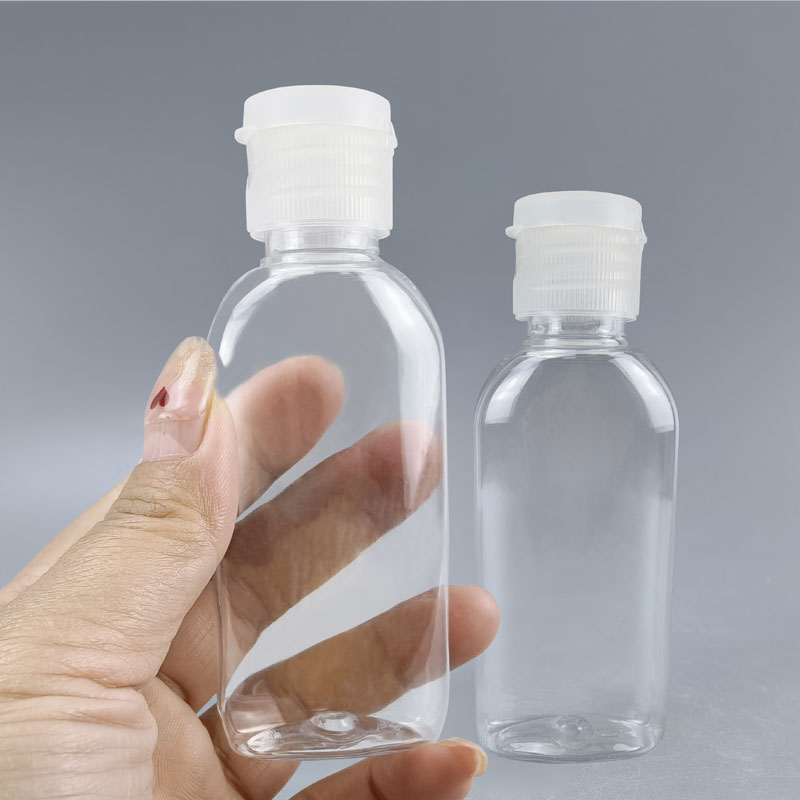
In today's competitive marketplace, brands are constantly seeking ways to differentiate themselves from the competition. One often overlooked yet highly effective method is through innovative plastic bottle packaging design and functionality. Modern consumers make purchasing decisions within seconds, and your packaging serves as the first point of contact between your brand and potential customers. Smart brands recognize that strategic plastic bottle packaging can transform ordinary products into premium offerings that command higher prices and foster deeper customer loyalty.
Understanding the Psychology Behind Packaging Design
Consumer Perception and First Impressions
The human brain processes visual information remarkably quickly, forming opinions about products within 90 seconds of first exposure. When consumers encounter your plastic bottle packaging on store shelves, they immediately begin making subconscious judgments about quality, value, and brand credibility. Research indicates that premium packaging design can increase perceived product value by up to 40%, even when the actual product remains unchanged. This psychological phenomenon, known as the halo effect, demonstrates how superior packaging influences overall brand perception across multiple touchpoints.
Color psychology plays a crucial role in packaging effectiveness, with different hues triggering specific emotional responses. Blue conveys trust and reliability, making it ideal for water and health-focused beverages, while green suggests natural ingredients and environmental consciousness. Bold colors like red and orange create urgency and excitement, perfect for energy drinks and sports beverages. Understanding these psychological triggers allows brands to craft packaging strategies that resonate deeply with target demographics and drive purchasing behavior.
The Role of Tactile Experience
Beyond visual appeal, the physical interaction between consumers and packaging significantly impacts brand perception. Textured surfaces, embossed elements, and unique bottle shapes create memorable tactile experiences that differentiate products from standard offerings. Premium plastic bottle packaging often incorporates soft-touch coatings, raised graphics, or distinctive grip patterns that enhance the overall user experience. These tactile elements not only improve functionality but also communicate quality and attention to detail.
The weight and structural integrity of packaging materials also influence consumer perceptions of product quality. Thicker walls, reinforced bases, and sophisticated closure systems suggest premium positioning and justify higher price points. Conversely, lightweight yet durable designs appeal to environmentally conscious consumers who appreciate resource efficiency without compromising functionality. Balancing these competing demands requires careful consideration of target market preferences and brand positioning strategies.
Innovative Material Technologies and Sustainability
Advanced Plastic Formulations
Modern plastic bottle packaging leverages cutting-edge material science to deliver enhanced performance characteristics while addressing environmental concerns. Bio-based plastics derived from renewable resources offer comparable durability to traditional petroleum-based materials while significantly reducing carbon footprints. These innovative formulations maintain crystal-clear transparency, excellent barrier properties, and reliable structural integrity across diverse storage conditions and transportation environments.
Multi-layer packaging technologies enable precise control over barrier properties, allowing brands to extend shelf life while maintaining product integrity. Oxygen-sensitive beverages benefit from specialized barrier layers that prevent oxidation and flavor degradation, while UV-blocking additives protect light-sensitive formulations. These advanced material systems enable brands to offer superior product protection while maintaining visual appeal and user-friendly functionality.
Recyclability and Circular Economy Integration
Contemporary consumers increasingly prioritize environmental sustainability when making purchasing decisions, driving demand for recyclable and eco-friendly packaging solutions. Modern plastic bottle packaging systems incorporate design features that facilitate efficient recycling processes, including standardized materials, removable labels, and minimal color additives. These design considerations ensure compatibility with existing recycling infrastructure while maintaining brand differentiation and visual impact.
Brands that actively promote recycling initiatives through packaging messaging and take-back programs demonstrate environmental leadership and attract environmentally conscious consumers. Clear recycling instructions, sustainability certifications, and partnership announcements with environmental organizations build trust and brand loyalty among target demographics. These initiatives also provide valuable marketing content for social media campaigns and corporate sustainability reporting requirements.

Functional Innovation and User Experience
Ergonomic Design Principles
User-centric design approaches prioritize comfort, convenience, and accessibility across diverse consumer demographics and usage scenarios. Ergonomic bottle shapes accommodate natural hand positions, reducing grip fatigue during extended use while improving overall user satisfaction. Strategic placement of grip zones, finger recesses, and thumb rests enhances control and confidence, particularly important for active lifestyle products and on-the-go consumption.
Universal design principles ensure accessibility for users with varying physical abilities, including arthritis sufferers, elderly consumers, and individuals with limited dexterity. Easy-open closures, non-slip surfaces, and intuitive operation mechanisms expand market reach while demonstrating inclusive brand values. These design considerations often translate into competitive advantages in institutional markets, including healthcare facilities, educational institutions, and corporate environments.
Smart Packaging Integration
Emerging technologies enable sophisticated interactions between consumers and plastic bottle packaging through embedded sensors, QR codes, and augmented reality features. Smart labels can display temperature indicators, freshness sensors, and interactive content that enhances user engagement while providing valuable consumption data. These technological integrations create opportunities for personalized marketing messages, loyalty program integration, and real-time product information sharing.
Near-field communication technology embedded in bottle caps or labels enables seamless smartphone interactions, unlocking exclusive content, promotional offers, and brand experiences. These digital touchpoints extend brand engagement beyond the physical product, creating ongoing relationships with consumers and generating valuable behavioral insights for future product development and marketing strategies.
Market Positioning and Brand Differentiation Strategies
Premium Positioning Through Design Excellence
Sophisticated plastic bottle packaging design serves as a powerful tool for premium market positioning, enabling brands to command higher prices while attracting discerning consumers who associate quality packaging with superior products. Elegant silhouettes, refined color palettes, and luxurious finishing techniques communicate brand values and justify premium pricing strategies. These design elements must align consistently with overall brand identity to create cohesive customer experiences across all touchpoints.
Limited edition packaging designs and seasonal variations create excitement and urgency among collectors and brand enthusiasts, driving repeat purchases and social media sharing. Collaborations with renowned designers, artists, or influencers generate publicity and expand brand awareness among new demographic segments. These partnership opportunities often yield valuable content for marketing campaigns while reinforcing brand creativity and cultural relevance.
Target Market Segmentation
Effective packaging strategies recognize diverse consumer preferences within target markets and develop tailored solutions that resonate with specific demographic segments. Health-conscious consumers respond positively to clean, minimalist designs that emphasize natural ingredients and nutritional benefits. Athletic and active lifestyle segments prefer bold, energetic designs with performance-oriented messaging and convenient portability features.
Family-oriented markets appreciate practical features like child-resistant closures, easy-pour spouts, and multi-serving sizes that accommodate household consumption patterns. Professional and office environments favor sleek, sophisticated designs that complement workplace aesthetics while providing reliable performance throughout busy workdays. Understanding these nuanced preferences enables brands to develop targeted packaging solutions that maximize market penetration and customer satisfaction.
Manufacturing Considerations and Cost Optimization
Production Efficiency and Scalability
Successful plastic bottle packaging programs balance design innovation with manufacturing practicality, ensuring cost-effective production while maintaining quality standards. Standardized mold designs and material specifications reduce tooling costs and enable efficient scale-up as demand increases. Careful consideration of production constraints during design phases prevents costly modifications and delays during commercial launch preparations.
Automation compatibility ensures consistent quality control while minimizing labor costs and production bottlenecks. Packaging designs that accommodate high-speed filling equipment, automated labeling systems, and robotic handling reduce operational complexity and improve overall manufacturing efficiency. These considerations become increasingly important as production volumes scale and competitive pressures intensify.
Quality Control and Testing Protocols
Comprehensive testing protocols ensure plastic bottle packaging meets performance requirements while complying with regulatory standards and consumer safety expectations. Drop tests, compression resistance evaluations, and barrier property assessments validate structural integrity under real-world conditions. Temperature cycling, UV exposure, and chemical compatibility testing verify long-term stability and product protection capabilities.
Statistical process control systems monitor critical quality parameters throughout production runs, identifying variations before they impact product quality or customer satisfaction. Regular audits of supplier facilities and raw material certifications maintain supply chain integrity while supporting sustainability goals and corporate responsibility initiatives.
FAQ
What makes plastic bottle packaging more effective than traditional alternatives
Plastic bottle packaging offers superior versatility, durability, and cost-effectiveness compared to glass or metal alternatives. Modern plastic materials provide excellent barrier properties while weighing significantly less, reducing shipping costs and environmental impact. Advanced manufacturing techniques enable complex shapes and integrated features that enhance functionality and brand differentiation opportunities.
How can small brands compete with established companies through packaging innovation
Small brands can leverage innovative packaging design to create distinctive market positions without requiring massive marketing budgets. Unique shapes, sustainable materials, or interactive features can generate significant consumer interest and social media attention. Focus on specific niche markets allows smaller companies to develop highly targeted packaging solutions that resonate deeply with defined consumer segments.
What sustainability features are most important to modern consumers
Contemporary consumers prioritize recyclability, reduced material usage, and renewable content when evaluating packaging sustainability. Clear recycling instructions, certified sustainable materials, and take-back programs demonstrate environmental commitment. Transparency about environmental impact and concrete sustainability goals build trust and brand loyalty among environmentally conscious demographics.
How do packaging regulations impact design decisions
Regulatory requirements vary significantly across markets and product categories, influencing material selection, labeling requirements, and safety features. Food contact regulations mandate specific material grades and migration testing protocols. Child-resistant closures may be required for certain product categories, while accessibility standards influence ergonomic design requirements. Early consultation with regulatory experts prevents costly redesigns during product development phases.