
 EN
EN
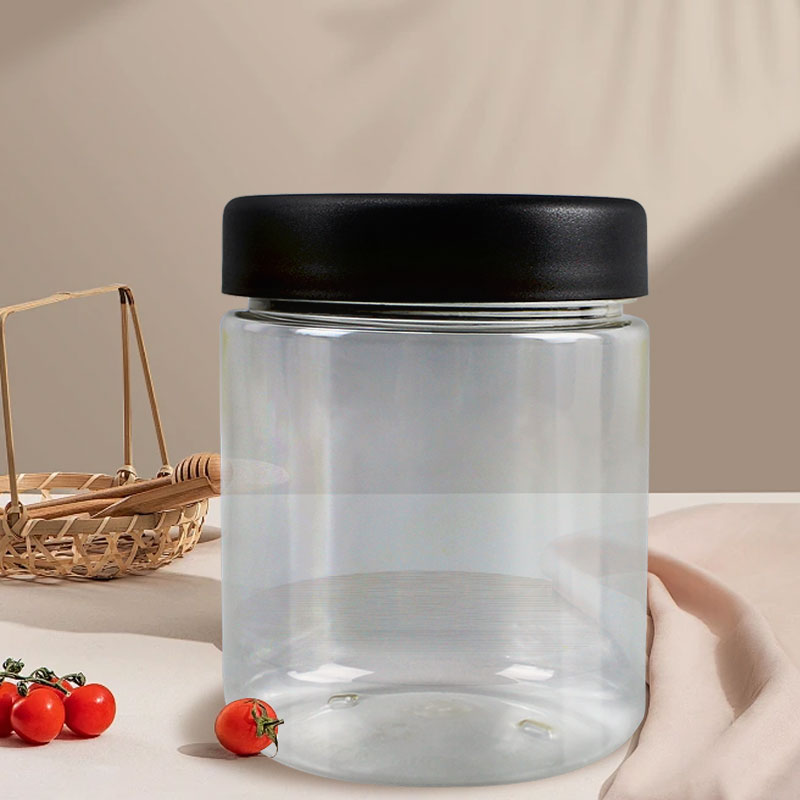
Globalny przemysł opakowaniowy stoi na przełomowym rozdrożu, gdzie odpowiedzialność środowiskowa i opłacalność komercyjna muszą się zbiegać. W obliczu rosnącej presji ze strony konsumentów, organów regulacyjnych i interesariuszy, aby zmniejszyć swój ślad ekologiczny, firmy z różnych sektorów zintensyfikowały poszukiwania prawdziwie zrównoważonych rozwiązań opakowaniowych. Spośród pojawiających się alternatyw dla tradycyjnych tworzyw sztucznych na bazie ropy naftowej, słoiki z PLA wyróżniają się jako atrakcyjna opcja, łącząca ekologiczność z wymaganiami funkcjonalnymi. Zrozumienie, co sprawia, że te pojemniki z bioplastiku są wyjątkowo zrównoważone, wymaga zbadania całego ich cyklu życia, od pozyskiwania surowców po zarządzanie końcem cyklu życia, przy jednoczesnym uwzględnieniu zarówno ich znaczących zalet, jak i praktycznych ograniczeń w rzeczywistych zastosowaniach.
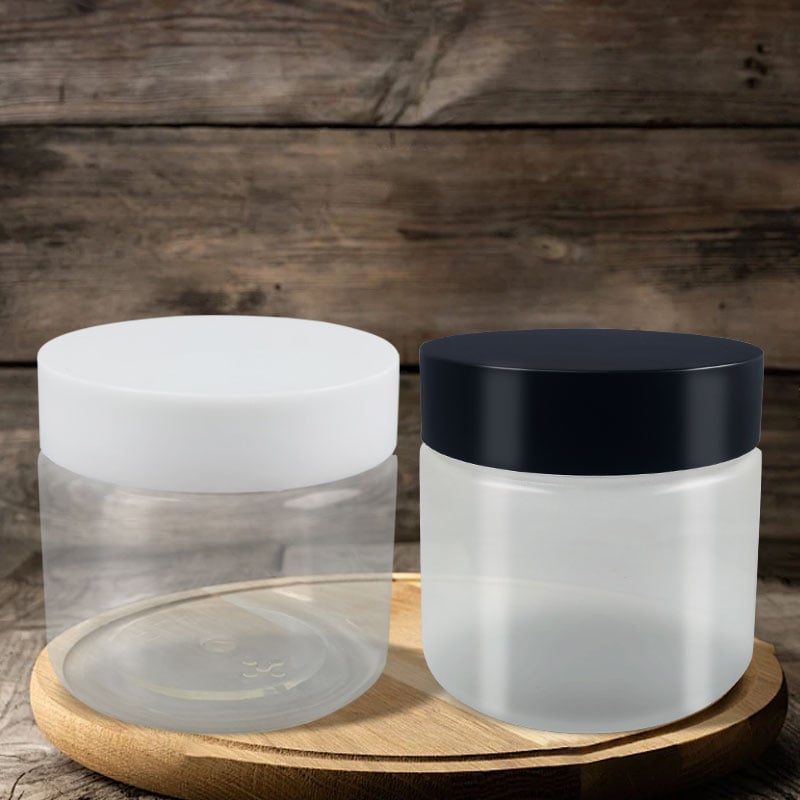
Zrównoważony charakter słoików z kwasu polimlekowego (PLA) wynika z ich podstawowego składu i metody produkcji, która znacznie różni się od konwencjonalnej produkcji tworzyw sztucznych. W przeciwieństwie do tradycyjnych materiałów opakowaniowych pochodzących z ograniczonych zasobów paliw kopalnych, te pojemniki są wytwarzane z polimeru kwasu polimlekowego, powstałego w wyniku fermentacji cukrów pochodzenia roślinnego – zwykle pozyskiwanych z kukurydzy, trzciny cukrowej lub manioku. To biologiczne pochodzenie fundamentalnie zmienia bilans środowiskowy, ograniczając zależność od ekstrakcji ropy naftowej i jednocześnie tworząc możliwości sekwestracji węgla w fazie uprawy rolniczej. Jednak prawdziwa zrównoważoność wykracza daleko poza proste zastąpienie jednego materiału drugim – obejmuje zużycie energii podczas przetwarzania, wpływ transportu, rzeczywiste ścieżki utylizacji oraz istniejącą infrastrukturę umożliwiającą obsługę tych materiałów po zakończeniu ich cyklu życia.
Odnawialna podstawa surowcowa słoików z kwasu polimlekowego (PLA)
Pochodzenie rolnicze i integracja z cyklem węglowym
Zrównoważona zaleta słoików z kwasu polimlekowego (PLA) zaczyna się na poziomie cząsteczkowym od ich podstawy opartej na odnawialnych surowcach. Kwas polimlekowy jest syntetyzowany z cukrów pochodzenia roślinnego poprzez fermentację bakteryjną, w wyniku której produkty rolnicze są przekształcane w monomery kwasu mlekowego, które następnie ulegają polimeryzacji tworząc długocłańcowe tworzywa sztuczne. Proces ten istotnie różni się od konwencjonalnej produkcji tworzyw sztucznych, która polega na rozszczepianiu ropy naftowej lub gazu ziemnego w bloki konstrukcyjne o charakterze chemicznym. Rośliny wykorzystywane jako surowiec do produkcji aktywnie pochłaniają dwutlenek węgla z atmosfery w trakcie fotosyntezy, tymczasowo sekwestrując węgiel, który w przeciwnym razie przyczyniałby się do wzrostu stężenia gazów cieplarnianych. Choć węgiel ten zostaje ostatecznie uwolniony podczas degradacji materiału lub jego spalania, cykl biologiczny tworzy zasadniczo odmienny profil środowiskowy w porównaniu do uwolnienia starożytnych zapasów węgla zmagazynowanych przez miliony lat w paliwach kopalnych.
Rozpoczęcie produkcji słoików PLA na bazie surowców rolniczych stawia również pytania dotyczące wykorzystania gruntów, zużycia wody oraz konkurencji z produkcją żywności. Oceny zrównoważoności muszą uwzględniać oddziaływanie środowiskowe intensywnej uprawy rolniczej, w tym stosowanie nawozów, środków ochrony roślin oraz przekształcanie siedlisk. Postępujący producenci coraz częściej pozyskują surowce do produkcji z odpadów rolniczych lub z upraw nieżywnościowych prowadzonych na gruntach marginalnych, nieodpowiednich do produkcji żywności, co pozwala rozwiązać obawy związane z odciąganiem zasobów żywnościowych na cele produkcji materiałów opakowaniowych. Surowce drugiej i trzeciej generacji, w tym pozostałości po zbiorach rolniczych oraz materiały celulozowe, stanowią kierunki rozwoju, które mogą dalszym etapem poprawić profil zrównoważoności poprzez wykorzystanie materiałów, które w przeciwnym razie uległyby rozkładowi lub spaleniu jako odpady.
Zmniejszenie zależności od paliw kopalnych oraz kwestie energetyczne
Produkcja słoików z kwasu polimlekowego (PLA) wymaga znacznie mniejszego zużycia paliw kopalnych w porównaniu do alternatywnych materiałów opartych na ropie naftowej, choć pełny obraz energetyczny wiąże się z subtelniejszymi rozważaniami. Choć produkcja PLA wiąże się z zużyciem energii na potrzeby fermentacji, polimeryzacji i przetwarzania, badania konsekwentnie wykazują niższe ogólne zapotrzebowanie na energię pochodzącą z paliw kopalnych w porównaniu z tradycyjnymi tworzywami sztucznymi, takimi jak polietylentereftalan lub polipropylen. Konkretna przewaga energetyczna zależy od skali produkcji, rodzaju surowca, efektywności procesu produkcyjnego oraz konkretnego tradycyjnego tworzywa sztucznego użytego jako punkt odniesienia. Duże, zoptymalizowane zakłady produkujące PLA mogą osiągnąć redukcję zużycia energii o trzydzieści do pięćdziesięciu procent w porównaniu z tradycyjną produkcją tworzyw sztucznych, co przy mnożeniu na miliony jednostek opakowań przekłada się na istotne oszczędności środowiskowe.
Profil energetyczny słoików z PLA obejmuje nie tylko bezpośredni proces produkcji, ale także cały łańcuch dostaw. Wymagania energetyczne związane z transportem zależą od relacji geograficznej między miejscem produkcji surowców, wytwarzaniem polimeru, produkcją pojemników oraz dystrybucją gotowego produktu. Zlokalizowane lub regionalne systemy produkcji, które minimalizują odległości transportowe, mogą znacząco poprawić ogólną wydajność energetyczną. Dodatkowo temperatury przetwarzania wymagane do formowania i wytłaczania słoików z PLA są zazwyczaj niższe niż te potrzebne do wielu konwencjonalnych tworzyw sztucznych, co zmniejsza zużycie energii w fazie przekształcania granulek żywicy w gotowe pojemniki. Te skumulowane korzyści energetyczne przekładają się bezpośrednio na obniżenie emisji gazów cieplarnianych, co w sposób mierzalny przyczynia się do działań mających na celu ograniczenie zmian klimatu, gdy Słoiki z PLA zastępują tradycyjne opcje opakowań w skali przemysłowej.
Charakterystyka biodegradowalności i kompostowalności
Wydajność i wymagania związane z kompostowaniem przemysłowym
Kompostowalność słoików z kwasu polimlekowego (PLA) stanowi jedną z najczęściej podawanych zalet tych opakowań pod względem zrównoważonego rozwoju, choć cecha ta wymaga starannego doprecyzowania, aby uniknąć wprowadzania w błąd co do oczekiwań. W odpowiednich warunkach kompostowania przemysłowego – przy utrzymywanej temperaturze w zakresie od 55 do 60 stopni Celsjusza, odpowiednim poziomie wilgotności oraz obecności odpowiednich społeczności mikroorganizmów – słoiki z PLA ulegają pełnej biodegradacji w ciągu 90–180 dni, rozkładając się na dwutlenek węgla, wodę i biomasy bez pozostawiania pozostałości toksycznych. Ta wydajność degradacji spełnia międzynarodowe normy dotyczące tworzyw plastycznych kompostowalnych, w tym ASTM D6400 i EN 13432, które określają pełne rozpadnięcie się i biodegradację w ściśle określonym czasie przy ustalonych warunkach. Uzyskany kompost można bezpiecznie stosować w rolnictwie lub ogrodnictwie, nie wprowadzając do układów glebowych trwałych zanieczyszczeń.
Jednak wymóg kompostowania przemysłowego wprowadza istotne ograniczenia praktyczne, które ograniczają rzeczywistą wydajność środowiskową słoików z PLA. Takie pojemniki nie ulegają istotnej degradacji w domowych systemach kompostowania, które rzadko osiągają utrzymujące się na wysokim poziomie temperatury niezbędne do rozkładu PLA. Podobnie słoiki z PLA pozostawione w tradycyjnych składowiskach lub w środowisku naturalnym mogą utrzymywać się przez długie okresy, zachowując się podobnie jak tradycyjne tworzywa sztuczne w przypadku braku odpowiednich warunków. Korzyść środowiskowa wynikająca z biodegradowalności może zostać rzeczywiście wykorzystana jedynie wtedy, gdy słoiki z PLA są rzeczywiście zbierane, sortowane i przetwarzane w zakładach kompostowania przemysłowego – infrastrukturze, która nadal jest ograniczona lub w ogóle nieistniejąca w wielu regionach. Ten deficyt infrastruktury stanowi kluczowy problem, który należy rozwiązać poprzez skoordynowane inwestycje w systemy zbioru, moc przetwarzania oraz edukację konsumentów, aby zapewnić, że materiały trafiają do odpowiednich ścieżek końcowego wykorzystania.
Profile oddziaływania na środowisko morskie i lądowe
Gdy słoiki z kwasu polimlekowego (PLA) trafiają do środowisk naturalnych w wyniku pozostawiania śmieci lub niewłaściwego gospodarowania odpadami, ich profil oddziaływania na środowisko różni się istotnie od profili tworzyw sztucznych konwencjonalnych, choć nie są one pozbawione skutków ubocznych. Badania wskazują, że materiały PLA ulegają rozkładowi łatwiej niż tradycyjne tworzywa sztuczne w środowiskach morskich, szczególnie w cieplejszych wodach, gdzie aktywność mikrobiologiczna jest wyższa. Choć tempo rozkładu mierzone jest nadal w latach, a nie miesiącach, stanowi to znaczącą poprawę w porównaniu z konwencjonalnymi tworzywami sztucznymi, które mogą utrzymywać się przez stulecia. Rozkład produkty słoików z kwasu polimlekowego (PLA) nie wiąże się z uwolnieniem toksycznych dodatków, plastyczynów ani trwałych mikroplastików charakterystycznych dla wielu materiałów opartych na ropie naftowej, co zmniejsza ryzyko długotrwałego zanieczyszczenia. Jednak w okresie degradacji słoiki z PLA mogą nadal stanowić zagrożenie związane z zaplątaniem się i połknięciem przez zwierzęta dzikie, a ich obecność przyczynia się do ogólnych problemów zanieczyszczenia środowisk plastikiem.
W środowiskach lądowych niewłaściwie utylizowane słoiki z kwasu polimlekowego (PLA) napotykają podobne ograniczenia degradacji jak w środowiskach morskich, przy czym tempo rozkładu zależy w dużym stopniu od temperatury, wilgotności oraz warunków mikrobiologicznych. Ekosystemy glebowe charakteryzujące się bogatą społecznością mikroorganizmów i korzystnymi warunkami mogą sprzyjać powolnemu rozkładowi PLA, choć okresy potrzebne na jego degradację pozostają nadal znacznie dłuższe niż w przypadku rzeczywiście biodegradowalnych materiałów, takich jak papier czy naturalne włókna. Kluczowa różnica z punktu widzenia zrównoważonego rozwoju nie polega na twierdzeniu, że słoiki z PLA są bezpieczne dla środowiska w przypadku ich porzucenia, lecz na uznaniu, że wiążą się one z istotnie mniejszym ryzykiem długotrwałego utrzymywania się w środowisku oraz toksyczności w porównaniu do konwencjonalnych alternatyw. Ta przewaga nabiera największego znaczenia w połączeniu z odpowiedzialnymi praktykami gospodarowania odpadami, edukacją konsumentów oraz systemowymi działaniami mającymi na celu minimalizację wpływu na środowisko poprzez ulepszenie infrastruktury zbioru i przetwarzania odpadów.
Analiza śladu węglowego i wpływu na klimat
Analiza emisji gazów cieplarnianych w całym cyklu życia
Kompleksowe oceny cyklu życia wykazują jednoznacznie, że słoiki z kwasu polimlekowego (PLA) generują niższe emisje gazów cieplarnianych w porównaniu do konwencjonalnych pojemników plastikowych, gdy ocenia się je w całym cyklu życia — od uprawy surowców przez produkcję i użytkowanie aż po gospodarowanie odpadami. Badania dotyczące porównywalnych zastosowań opakowań wskazują zwykle, że słoiki z PLA emitują o dwadzieścia pięć do pięćdziesięciu pięciu procent mniej gazów cieplarnianych niż pojemniki z polietylenu tereftalanu (PET) o tej samej pojemności i przeznaczeniu. Ta przewaga wynika głównie z wykorzystania odnawialnych surowców, które zawierają niedawno pochłonięty z atmosfery węgiel, a nie uwalniają długoterminowo zgromadzonego węgla pochodzenia kopalnego, oraz z niższego zużycia energii podczas produkcji polimeru. Dokładna wielkość korzyści w zakresie emisji zależy od stosowanych metod rolniczych, źródeł energii wykorzystywanych w procesie produkcji, odległości transportu oraz przyjętych scenariuszy końcowego etapu życia produktu; najkorzystniejsze konfiguracje pozwalają osiągnąć najwyższe redukcje emisji.
Wpływ klimatyczny słoików z PLA staje się szczególnie korzystny, gdy zakłady produkcyjne wykorzystują źródła energii odnawialnej oraz gdy opakowania trafiają do odpowiednich ścieżek końcowego wykorzystania. Kompostowanie przemysłowe umożliwia stosunkowo szybkie powrót biologicznego węgla pochłoniętego w trakcie wzrostu surowca do naturalnych cykli, utrzymując obieg węgla biogenicznego. Gdy słoiki z PLA są spalane z odzyskiem energii w nowoczesnych zakładach przetwarzania odpadów na energię, generują one niższe netto emisje gazów cieplarnianych w porównaniu z tworzywami sztucznymi pochodzącymi z paliw kopalnych, ponieważ uwolniony węgiel pochodził ze źródeł atmosferycznych z niedawnej przeszłości. Z drugiej strony, jeśli słoiki z PLA trafiają na wysypiska i ulegają rozkładowi beztlenowemu, mogą one generować metan – silny gaz cieplarniany – częściowo niwelując zalety związane z etapem produkcji. Ta zmienność podkreśla znaczenie zarządzania końcowym etapem życia opakowań dla pełnego wykorzystania korzyści klimatycznych, dzięki którym słoiki z PLA stanowią zrównoważoną opcję opakowań.
Wydajność porównawcza wobec materiałów alternatywnych
Przy ocenie tego, co czyni słoiki z kwasu polimlekowego (PLA) szczególnie zrównoważonymi, porównanie ich zarówno z tradycyjnymi plastikami, jak i innymi alternatywami pochodzącymi z surowców biologicznych zapewnia niezbędny kontekst. W porównaniu z tradycyjnymi pojemnikami opartymi na ropie naftowej słoiki z PLA wykazują wyraźne zalety pod względem zużycia surowców kopalnych oraz emisji gazów cieplarnianych. Jednak porównanie z innymi bioplastykami, takimi jak polioksyalkanoany lub polietylen pochodzenia biologicznego, rzuca światło na bardziej złożoną sytuację: słoiki z PLA wyróżniają się w niektórych wskaźnikach, ale napotykają trudności w innych. Technologia produkcji PLA jest stosunkowo dojrzała i konkurencyjna cenowo, co zapewnia przewagę pod względem wiarygodności komercyjnej i skalowalności, wspierając szerokie wdrożenie tych rozwiązań. Ustalone normy certyfikacyjne oraz protokoły kompostowania materiałów PLA stanowią również korzyści infrastrukturalne ułatwiające odpowiednie zarządzanie końcowym etapem życia tych produktów.
W porównaniu z alternatywami nieopartymi na plastiku, takimi jak pojemniki szklane lub metalowe, słoiki z kwasu polimlekowego (PLA) oferują wyraźne korzyści z punktu widzenia zrównoważoności w zakresie wpływu masy. Łagodna masa słoików z PLA przekłada się na obniżenie zużycia energii podczas transportu oraz emisji związanych z nim w porównaniu z cięższymi materiałami, co ma szczególne znaczenie dla produktów wymagających dystrybucji na długie odległości. Wymagania energetyczne związane z produkcją słoików z PLA są również znacznie niższe niż w przypadku pojemników szklanych lub aluminiowych. Jednak szkło i metal charakteryzują się lepszą nadawalnością do recyklingu dzięki istniejącym systemom gospodarki odpadami oraz mogą być wielokrotnie przetwarzane bez utraty jakości – zalety, których obecnie PLA nie jest w stanie osiągnąć ze względu na ograniczoną infrastrukturę zbiorczą oraz trudności związane z recyklingiem mechanicznym. Optymalny wybór materiału zależy od konkretnych wymagań aplikacyjnych, dostępnej infrastruktury końcowego etapu życia produktu, systemów dystrybucji oraz względnej wagi różnych priorytetów środowiskowych w określonym kontekście biznesowym i regulacyjnym.
Funkcjonalna wydajność i przydatność do zastosowań
Właściwości barierowe oraz zdolność do ochrony produktów
Zrównoważona zaleta słoików z kwasu polimlekowego (PLA) wykracza poza wskaźniki środowiskowe i obejmuje ich funkcjonalną wydajność w zakresie ochrony pakowanych produktów, zapewniając, że zrównoważoność nie jest osiągana kosztem jakości lub bezpieczeństwa produktu. Materiały PLA zapewniają umiarkowane właściwości barierowe wobec tlenu i wilgoci, co czyni je odpowiednimi do wielu zastosowań, w tym do suchych artykułów spożywczych, suplementów diety, kosmetyków oraz środków do pielęgnacji ciała. W przypadku zastosowań wymagających zwiększonej skuteczności barierowej słoiki z PLA mogą być modyfikowane poprzez struktury wielowarstwowe, powłoki ochronne lub mieszanie z innymi biopolimerami w celu osiągnięcia lepszych właściwości ochronnych. Takie modyfikacje rozszerzają zakres produktów, które mogą być odpowiedzialnie pakowane w pojemnikach z PLA, zachowując przy tym integralność produktu na wszystkich etapach dystrybucji oraz w okresie przydatności do spożycia.
Przezroczystość i cechy estetyczne słoików z PLA przyczyniają się również do ich wartościowej propozycji z zakresu zrównoważonego rozwoju, spełniając oczekiwania konsumentów dotyczące widoczności produktu oraz jego prestiżowej prezentacji. Przezroczyste lub matowe słoiki z PLA zapewniają doskonałą przejrzystość, umożliwiając konsumentom obejrzenie zapakowanych produktów i ocenę ich jakości – co może zmniejszać odpady poprzez wspieranie świadomych decyzji zakupowych. Materiał ten nadaje się do stosowania różnych technik dekoracji, w tym naklejek, druku i barwienia, co sprzyja różnicowaniu marek bez pogarszania jego właściwości środowiskowych. Słoiki z PLA mają jednak ograniczenia w zastosowaniach wymagających wysokich temperatur oraz długotrwałego narażenia na warunki zewnętrzne, gdzie kluczowe są stabilność termiczna i odporność na promieniowanie UV. Zrozumienie tych granic wydajności zapewnia, że słoiki z PLA są stosowane w odpowiednich zastosowaniach, w których mogą zapewnić zarówno skuteczność funkcjonalną, jak i korzyści środowiskowe, a nie są zmuszane do działania w nieodpowiednich rolach, w których mogłyby osiągać niższą wydajność lub wymagać wymiany.
Zakres temperatur roboczych i uwagi dotyczące przechowywania
Właściwości termiczne słoików z PLA stanowią zarówno zaletę, jak i ograniczenie wpływające na ich zrównoważone zastosowanie w praktyce. Materiały PLA charakteryzują się stosunkowo niską temperaturą przejścia szklistego, zwykle w zakresie od 55 do 60 °C, powyżej której zaczynają się miękknąć i ulegać odkształceniom. Ta cecha czyni słoiki z PLA nieodpowiednimi do zastosowań z gorącym napełnianiem, produktów wymagających sterylizacji cieplnej lub przechowywania w środowiskach, w których mogą wystąpić podwyższone temperatury. Jednak w przypadku zastosowań przy temperaturze otoczenia oraz w warunkach chłodzenia słoiki z PLA działają doskonale, zachowując integralność strukturalną i właściwości barierowe w typowych scenariuszach dystrybucji i przechowywania. Ograniczenie temperaturowe przyczynia się pośrednio do zrównoważoności, zniechęcając do energochłonnych procesów grzewczych oraz wspierając strategie formułowania produktów, które pozwalają uniknąć wymogów obróbki cieplnej.
Właściwości PLA w niskich temperaturach są zazwyczaj doskonałe: materiał zachowuje elastyczność i odporność na uderzenia zarówno w warunkach chłodzenia, jak i zamrażania. Ta odporność na zimno czyni go szczególnie odpowiednim do opakowań produktów wymagających dystrybucji lub przechowywania w warunkach chłodzonych, w tym niektórych artykułów spożywczych, kosmetyków oraz przygotowań farmaceutycznych. Materiał pozostaje stabilny wymiarowo w zakresie cykli temperaturowych typowych dla logistyki łańcucha chłodniczego, zapobiegając odkształceniom opakowania, które mogłyby naruszyć szczelność zamykania lub estetyczny wygląd produktu. Dla przedsiębiorstw oceniających, czy słoiki z PLA odpowiadają ich celom z zakresu zrównoważonego rozwoju, dopasowanie właściwości materiału do rzeczywistych wymagań aplikacji zapewnia optymalną wydajność, jednocześnie unikając marnotrawstwa wynikającego z awarii opakowania lub przedwczesnego obniżenia jakości produktu. Sam proces świadomego doboru materiału stanowi praktykę z zakresu zrównoważonego rozwoju, maksymalizując efektywność wykorzystania zasobów poprzez stosowanie materiałów tam, gdzie ich właściwości są najbardziej odpowiednie.
Wymagania dotyczące infrastruktury oraz integracja gospodarki obiegu zamkniętego
Systemy zbierania, sortowania i przetwarzania
Zrealizowanie pełnego potencjału zrównoważoności słoików z PLA wymaga odpowiedniej infrastruktury do ich zbierania, sortowania oraz przetwarzania na końcu cyklu życia – systemy te pozostają jednak niedorozwinięte w wielu regionach. W przeciwieństwie do tradycyjnych tworzyw sztucznych, które mają ugruntowane ścieżki recyklingu, słoiki z PLA wymagają dedykowanych ścieżek przetwarzania, aby osiągnąć zamierzone korzyści środowiskowe. Instalacje kompostowania przemysłowego wyposażone w możliwość obsługi bioplastyków stanowią optymalną ścieżkę końcowego wykorzystania tych materiałów, lecz takie obiekty są licznie ograniczone i skoncentrowane w określonych regionach geograficznych. Tam, gdzie infrastruktura kompostowania przemysłowego nie istnieje, słoiki z PLA mogą zostać skierowane do składowisk lub spalania, co ogranicza – choć nie eliminuje całkowicie – ich korzyści środowiskowe w porównaniu z tradycyjnymi materiałami. Luka w infrastrukturze stanowi kluczowy wyzwanie, które firmy, przedsiębiorstwa zajmujące się gospodarką odpadami, samorządy lokalne oraz decydenci polityczni muszą wspólnie rozwiązać, aby umożliwić szerokie wprowadzenie zrównoważonego opakowania.
Technologie sortowania umożliwiające odróżnienie słoików z PLA od tradycyjnych tworzyw sztucznych w mieszanych strumieniach odpadów są kluczowe dla skutecznego zarządzania materiałami. Systemy sortowania optycznego wykorzystujące spektroskopię w bliskiej podczerwieni pozwalają na wysoką dokładność identyfikacji materiałów PLA, umożliwiając ich automatyczne oddzielenie w zakładach odzysku materiałów. Wdrożenie takich systemów wiąże się jednak z koniecznością inwestycji kapitałowych oraz szkolenia operatorów – bariery te spowalniają rozwój infrastruktury. Edukacja konsumentów odgrywa również kluczową rolę, pomagając użytkownikom zrozumieć, że słoiki z PLA należy umieszczać w odpadach kompostowalnych, a nie w tradycyjnych strumieniach recyklingu, co zapobiega zanieczyszczeniu obu tych ścieżek. Niektóre postępujące firmy wprowadziły programy zwrotu opakowań z PLA, tworząc systemy zamknięte, które zapewniają, że materiały trafiają do odpowiednich zakładów przetwarzania. Inicjatywy te pokazują praktyczne ścieżki integracji słoików z PLA w ramy gospodarki obiegu zamkniętego, choć skalowanie takich programów w celu umożliwienia ich masowego wdrożenia pozostaje nadal wyzwaniem wymagającym skoordynowanych działań wielu interesariuszy.
Potencjał recyklingu i opcje odzysku chemicznego
Chociaż kompostowanie przemysłowe stanowi główną zamierzoną ścieżkę końcowej fazy życia słoików z PLA, metody recyklingu mechanicznego i chemicznego pojawiają się jako uzupełniające podejścia, które mogą poprawić ich profil zrównoważoności. Recykling mechaniczny materiałów PLA jest technicznie możliwy do zrealizowania; procesy te są podobne do tych stosowanych w przypadku konwencjonalnych tworzyw sztucznych i obejmują mielenie, płukanie oraz ponowne przetwarzanie słoików z PLA na nowe wyroby. Jednak recykling mechaniczny PLA wiąże się z wyzwaniami, takimi jak degradacja właściwości materiałowych przy każdym cyklu przetwarzania, wrażliwość na zanieczyszczenia oraz konieczność oddzielnych strumieni zbiorczych, aby zapobiec mieszaniu z konwencjonalnymi tworzywami sztucznymi. Pomimo tych wyzwań niektórzy producenci udaje się pomyślnie wprowadzić odtworzone PLA do produkcji nowych pojemników, zwykle mieszając je z materiałem pierwotnym w celu zachowania akceptowalnych cech użytkowych.
Recykling chemiczny, nazywany również zaawansowanym recyklingiem lub depolimeryzacją, stanowi bardziej zaawansowane podejście, w którym słoiki z PLA są rozkładane na ich składniki – monomery, które następnie mogą zostać ponownie przepolimeryzowane do materiału o jakości pierwotnej. Proces ten pozwala na przetwarzanie skażonego lub zdegradowanego PLA i teoretycznie umożliwia nieograniczone pętle recyklingu bez utraty jakości. Kilka firm opracowało technologie recyklingu chemicznego specjalnie przeznaczone dla materiałów PLA, a instalacje pilotażowe i demonstracyjne rozpoczęły już działalność. W miarę dojrzewania i skalowania tych technologii mogą one zapewnić dodatkową opcję wykorzystania materiału po zakończeniu jego życia użytkowego, pozwalając na utrzymanie słoików z PLA w obiegu produkcyjnym zamiast ich powrotu do systemów biologicznych. Opracowanie wielu ścieżek wykorzystania materiału po zakończeniu jego życia użytkowego zwiększa ogólną wartość zrównoważoności, zapewniając elastyczność w dopasowywaniu materiałów do optymalnych procesów przetwarzania w zależności od lokalnej infrastruktury, stopnia zanieczyszczenia oraz uwarunkowań ekonomicznych, co ostatecznie wspiera przejście do gospodarki obiegu zamkniętego.
Opłacalność ekonomiczna i czynniki przyjęcia na rynku
Konkurencyjność cenowa i tendencja cenowa
Wymiar ekonomiczny zrównoważonego rozwoju wpływa na to, czy słoiki z kwasu polimlekowego (PLA) mogą osiągnąć takie wdrożenie na rynek, które umożliwi wywarcie istotnego wpływu środowiskowego w skali przemysłowej. Obecnie słoiki z PLA zwykle kosztują o 10–40% więcej niż porównywalne tradycyjne pojemniki plastikowe, przy czym różnica cenowa zależy od objętości zamówienia, specyfikacji technicznych oraz warunków rynkowych. Ta różnica cenowa wynika z kilku czynników, w tym mniejszych objętości produkcji, mniej dojrzałej technologii wytwarzania oraz kosztów związanych z przetwórstwem surowców rolnych. Jednakże w ciągu ostatniej dekady luka cenowa znacznie się zmniejszyła wraz ze wzrostem skali produkcji PLA, poprawą efektywności procesów produkcyjnych oraz fluktuacjami cen ropy naftowej. Niektórzy analitycy branżowi prognozują, że materiały z PLA mogą osiągnąć równowagę cenową z tradycyjnymi tworzywami sztucznymi w ciągu najbliższych pięciu do dziesięciu lat, w miarę dalszego rozszerzania się produkcji i postępu technologicznego.
Ważne jest rozważenie kosztów nie tylko w ujęciu ceny jednostkowej, lecz także całkowitych kosztów posiadania, w tym zgodności z przepisami prawno-regulacyjnymi, wzmocnienia wartości marki oraz dopasowania do preferencji konsumentów. W jurysdykcjach wprowadzających opłaty za tworzywa sztuczne, systemy rozszerzonej odpowiedzialności producenta lub zakazy jednorazowych wyrobów z tworzyw sztucznych słoiki z kwasu polimlekowego (PLA) mogą zapewnić korzyści ekonomiczne poprzez uniknięcie kar lub uzyskanie uprawnień do otrzymania dodatkowych zachęt. Korzyści wynikające ze wzmocnienia reputacji marki oraz atrakcyjności dla konsumentów związanej z zrównoważoną opakowaniem mogą uzasadniać wyższe koszty, wspierając różnicowanie produktu i potencjalnie umożliwiając ustalenie wyższych cen detalicznych. Niektóre firmy informują, że wprowadzenie słoików z kwasu polimlekowego (PLA) wzmocniło ich pozycję na rynku, przyciągnęło konsumentów zorientowanych ekologicznie oraz przyniosło pozytywną uwagę mediów, której wartość marketingowa przekracza dodatkowe koszty związane z opakowaniami. W miarę jak zrównoważony rozwój coraz silniej wpływa na decyzje zakupowe, uzasadnienie ekonomiczne stosowania słoików z kwasu polimlekowego (PLA) staje się coraz silniejsze – nawet zanim osiągnięta zostanie pełna równowaga cenowa względem konwencjonalnych alternatyw.
Dojrzałość łańcucha dostaw i dostępność zakupów
Dostępność i niezawodność łańcuchów dostaw słoików z PLA znacznie się poprawiły wraz z dojrzewaniem rynku, choć nadal występują pewne ograniczenia w porównaniu z konwencjonalnym opakowaniem plastikowym. Główni producenci biopolimerów znacznie rozszerzyli swoje moce produkcyjne w zakresie PLA, a obecna światowa zdolność produkcyjna wynosi już setki tysięcy ton metrycznych rocznie. To rozszerzenie mocy produkcyjnych poprawiło dostępność materiału i skróciło czasy realizacji zamówień, czyniąc słoiki z PLA praktyczną opcją dla przedsiębiorstw o różnej wielkości. Producentom pojemników udało się opracować obszerne portfele słoików z PLA obejmujące wiele rozmiarów, stylów oraz systemów zamknięć, zapewniając elastyczność projektową porównywalną z linią konwencjonalnych opakowań plastikowych. Jednak minimalne ilości zamawianych partii słoików z PLA mogą pozostawać wyższe niż w przypadku alternatyw konwencjonalnych, co potencjalnie stwarza barierę dla mniejszych firm lub tych, które testują opcje opakowań zrównoważonych.
Uwzględnienia geograficzne wpływają na dostępność słoików z kwasu polimlekowego (PLA), przy czym łańcuchy dostaw są najbardziej rozwinięte w Ameryce Północnej, Europie oraz częściach Azji, gdzie skoncentrowane są zarówno moce produkcyjne, jak i popyt. Firmy działające w innych regionach mogą napotkać dłuższe czasy realizacji zamówień, wyższe koszty transportu lub ograniczoną liczbę lokalnych dostawców – czynniki te mogą negatywnie wpływać na ogólny profil zrównoważoności poprzez zwiększenie emisji związanych z dystrybucją. Trwająca globalizacja łańcuchów dostaw PLA oraz powstawanie regionalnych zakładów produkcyjnych stopniowo eliminują te ograniczenia geograficzne. Dla firm oceniających możliwość zastosowania słoików z PLA kluczowe jest wcześniejsze nawiązanie współpracy z dostawcami w cyklu rozwoju produktu, budowanie relacji z wieloma źródłami zaopatrzenia oraz planowanie dłuższych harmonogramów zakupów, co pozwala złagodzić wyzwania związane z łańcuchem dostaw. W miarę przyspieszania tempa wdrażania tego materiału oraz dojrzewania rynku dojrzałość łańcucha dostaw coraz bardziej wspiera – a nie ogranicza – stosowanie słoików z PLA jako powszechnego, zrównoważonego rozwiązania opakowaniowego.
Najczęściej zadawane pytania
Czy słoiki z kwasu polimlekowego (PLA) są rzeczywiście lepsze dla środowiska niż zwykłe pojemniki plastikowe?
Słoiki z PLA oferują mierzalne korzyści środowiskowe w porównaniu do tradycyjnych pojemników z tworzyw sztucznych opartych na ropie naftowej, gdy ocenia się je w całym cyklu życia — w tym mniejsze zużycie paliw kopalnych, obniżone emisje gazów cieplarnianych oraz wykorzystanie odnawialnych surowców. Kompleksowe analizy cyklu życia zwykle wskazują na obniżenie śladu węglowego o 25–55% w porównaniu do tradycyjnych tworzyw sztucznych. Realizacja tych korzyści zależy jednak kluczowo od odpowiedniego zarządzania końcową fazą życia produktów, w szczególności od dostępu do przemysłowych instalacji kompostowania. Gdy słoiki z PLA trafiają do odpowiedniej infrastruktury kompostowania, ulegają one pełnej biodegradacji w ciągu trzech do sześciu miesięcy bez pozostawiania szkodliwych pozostałości. W przypadku skierowania ich do składowisk lub niewłaściwych systemów gospodarowania odpadami korzyści środowiskowe ulegają zmniejszeniu, choć nadal unikają one wyczerpywania zasobów ropy naftowej. Ogólna przewaga środowiskowa jest rzeczywista, lecz warunkowa — zależy od czynników systemowych wykraczających poza sam materiał.
Czy słoiki z PLA można recyklingować w standardowych programach recyklingu tworzyw sztucznych?
Słoiki z PLA nie powinny być umieszczane w konwencjonalnych strumieniach recyklingu tworzyw sztucznych, ponieważ są chemicznie odmienne od tworzyw sztucznych opartych na ropie naftowej i mogą zanieczyścić procesy recyklingu w przypadku ich mieszania. Standardowe systemy recyklingu tworzyw sztucznych są zaprojektowane do przetwarzania materiałów takich jak PET, HDPE i polipropylen, a wprowadzenie PLA do tych strumieni może obniżyć jakość otrzymanych materiałów wtórnych. Zamiast tego słoiki z PLA przeznaczone są do przemysłowych instalacji kompostowania specjalnie wyposażonych w sprzęt umożliwiający przetwarzanie bioplastyków. W niektórych regionach utworzono oddzielne systemy zbioru materiałów kompostowalnych, do których należą słoiki z PLA. Powstają również nowe technologie recyklingu mechanicznego i chemicznego przeznaczone specjalnie do PLA, ale ich zastosowanie pozostaje nadal ograniczone. Firmy wykorzystujące słoiki z PLA powinny jasno informować konsumentów o właściwych sposobach ich utylizacji oraz sprawdzić, czy w obszarach swoich rynków istnieje odpowiednia infrastruktura kompostowania, aby zagwarantować, że materiały trafią do odpowiednich ścieżek końcowego wykorzystania.
Jak długo trwają procesy rozkładu słoików z PLA w różnych środowiskach?
Czas degradacji słoików z kwasu polimlekowego (PLA) różni się znacznie w zależności od warunków środowiskowych – od kilku miesięcy do kilku lat. W przemysłowych instalacjach kompostowania, w których utrzymywana jest stała temperatura 55–60 °C, odpowiednia wilgotność oraz aktywne społeczności mikrobiologiczne, słoiki z PLA ulegają pełnej biodegradacji w ciągu 90–180 dni zgodnie ze standardami międzynarodowymi dotyczącymi kompostowalności. W domowych systemach kompostowania, które rzadko osiągają tak wysokie temperatury, proces degradacji przebiega znacznie wolniej i może być niepełny. W środowiskach morskich tempo degradacji jest zmienne i zależy od temperatury wody – cieplejsze wody przyspieszają rozkład, który trwa jednak lata, a nie miesiące. W składowiskach odpadów, gdzie brak jest tlenu oraz odpowiednich warunków mikrobiologicznych, słoiki z PLA mogą utrzymywać się przez długie okresy, podobnie jak tradycyjne tworzywa sztuczne. W środowiskach glebowych o intensywnej aktywności mikrobiologicznej tempo degradacji jest średnie. Kluczowym wnioskiem jest to, że słoiki z PLA wymagają określonych warunków, aby zrealizować swój potencjał biodegradacyjny, co czyni dostępność odpowiedniej infrastruktury niezbędną dla ich wartości środowiskowej.
Jakie rodzaje produktów są najbardziej odpowiednie do pakowania w słoikach z kwasu mlekowego (PLA)?
Słoiki z PLA są szczególnie dobrze dopasowane do produktów przechowywanych w temperaturze pokojowej oraz chłodzonych, które nie wymagają przetwarzania w wysokiej temperaturze ani długotrwałego narażenia na warunki zewnętrzne. Idealnymi zastosowaniami są suplementy diety, witaminy, kosmetyki, produkty do pielęgnacji osobistej, suche produkty spożywcze, cukierki oraz produkty zawierające konopie lub CBD. Zastosowania te odpowiadają umiarkowanym właściwościom barierowym i ograniczeniom temperaturowym materiałów PLA, wykorzystując jednocześnie ich walory estetyczne oraz korzyści środowiskowe. Produkty wymagające ochrony przed tlenem mogą potrzebować zmodyfikowanych formuł PLA lub struktur wielowarstwowych. Słoiki z PLA nie nadają się do aplikacji z gorącym napełnianiem, produktów wymagających sterylizacji cieplnej ani do przechowywania w środowiskach o wysokiej temperaturze ze względu na stosunkowo niską odporność materiału na działanie ciepła. Zastosowania w przypadku produktów chłodzonych i zamrażanych sprawdzają się doskonale, ponieważ PLA zachowuje swoje właściwości przy niskich temperaturach. Firmy powinny dokonać oceny konkretnych wymagań dotyczących swoich produktów, w tym potrzeb barierowych, narażenia na temperaturę, oczekiwanej trwałości oraz wymogów prawnych, aby określić, czy słoiki z PLA zapewniają odpowiednią wydajność funkcjonalną w połączeniu z ich zaletami związanymi z zrównoważonym rozwojem.
Spis treści
- Odnawialna podstawa surowcowa słoików z kwasu polimlekowego (PLA)
- Charakterystyka biodegradowalności i kompostowalności
- Analiza śladu węglowego i wpływu na klimat
- Funkcjonalna wydajność i przydatność do zastosowań
- Wymagania dotyczące infrastruktury oraz integracja gospodarki obiegu zamkniętego
- Opłacalność ekonomiczna i czynniki przyjęcia na rynku
-
Najczęściej zadawane pytania
- Czy słoiki z kwasu polimlekowego (PLA) są rzeczywiście lepsze dla środowiska niż zwykłe pojemniki plastikowe?
- Czy słoiki z PLA można recyklingować w standardowych programach recyklingu tworzyw sztucznych?
- Jak długo trwają procesy rozkładu słoików z PLA w różnych środowiskach?
- Jakie rodzaje produktów są najbardziej odpowiednie do pakowania w słoikach z kwasu mlekowego (PLA)?