
 EN
EN
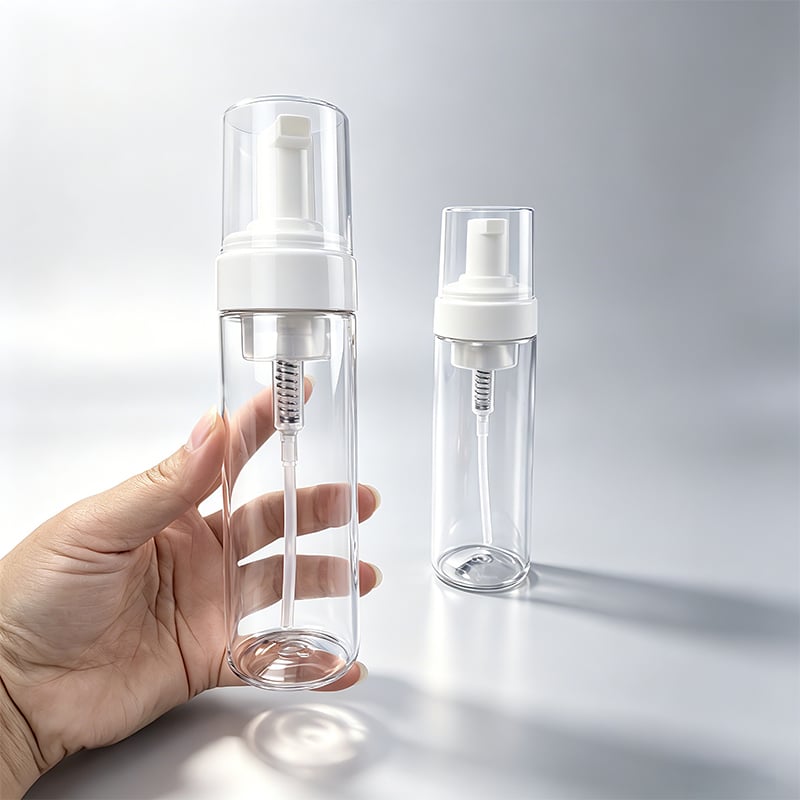
Selecting the right foam bottle requires understanding multiple practical considerations that directly impact your daily hydration experience and long-term value. Whether you're choosing a vessel for personal use, corporate gifting, or commercial distribution, the decision involves balancing material quality, insulation performance, durability, design aesthetics, and budget constraints. A well-chosen foam bottle delivers consistent temperature retention, withstands daily wear, and aligns with your specific use case, whether it's office hydration, outdoor adventures, or branded promotional purposes.
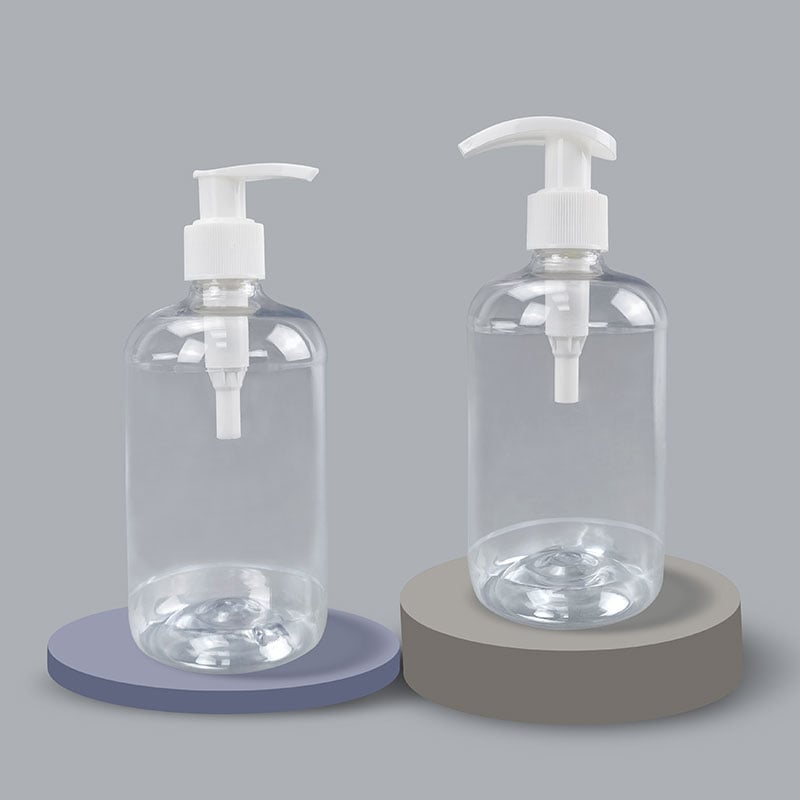
The market offers diverse foam bottle options, from basic entry-level models to premium insulated water bottle variants with advanced double-wall bottle technology. Understanding the key decision factors helps you invest in a product that genuinely meets your expectations rather than purchasing based on price alone or aesthetic appeal. This guide walks through the most critical selection criteria that professionals and everyday users should evaluate when comparing foam bottle options.
Material Quality and Construction Standards
Outer Shell Durability and Environmental Impact
The outer material of your foam bottle determines how well it withstands daily impacts, temperature fluctuations, and long-term UV exposure. Premium foam bottles use food-grade plastics, stainless steel, or composite materials that resist cracking, fading, and deterioration. The construction method matters equally; injection-molded foam bottles offer superior structural integrity compared to basic plastic alternatives. Consider whether the foam bottle is designed for hot beverages, cold liquids, or both, as this affects material selection and safety certifications.
Inner Lining and Foam Layer Specifications
An insulated water bottle's thermal performance depends primarily on its inner lining and foam insulation layer thickness. Double-wall bottle designs create an air gap between inner and outer walls, which is then filled with polyurethane foam or similar insulating material. Thicker foam layers provide superior temperature retention but increase the overall weight and cost of the thermal beverage container. Quality foam bottles maintain beverage temperature for extended periods—some premium models keep hot beverages warm for 12+ hours and cold drinks chilled for 24+ hours. Verify that the foam layer is BPA-free, non-toxic, and manufactured to food-safety standards.
Thermal Performance and Insulation Capability
Temperature Retention Duration and Real-World Testing
When evaluating an insulated water bottle, test its thermal beverage container performance claims against real-world conditions. A well-engineered double-wall bottle maintains hot liquids above 140°F for at least 6 hours and keeps cold beverages below 50°F for at least 12 hours under standard room temperature. The foam bottle's insulation effectiveness is influenced by bottle size, seal quality, lid design, and ambient temperature conditions. Manufacturers should provide transparent performance data rather than vague marketing claims. For professional use, choose models with independently verified thermal performance certifications.
Seal Quality and Heat Loss Prevention
A foam bottle's seal integrity directly impacts its insulation performance. Double-wall bottle designs with airtight lids and premium gasket materials prevent convective heat loss through openings. Silicone or rubber seals should compress easily but maintain their shape after repeated opening and closing cycles. Poor seal design allows warm or cold air to enter, reducing the thermal beverage container's effectiveness by 30% to 50%. Inspect the threaded connections, lid gaskets, and valve mechanisms to ensure they're precision-engineered and don't degrade after 100+ cycles.
Practical Use Factors and Design Considerations
Size, Weight, and Portability Trade-offs
Foam bottle capacity ranges from 12 ounces to 64 ounces, each with different portability and thermal mass characteristics. Smaller 12-ounce to 20-ounce insulated water bottle models suit office desks and gym bags but sacrifice thermal mass and require frequent refilling. Mid-size 32-ounce double-wall bottle options balance portability with sufficient liquid volume for 4 to 6 hours of hydration. Larger thermal beverage container sizes (40 ounces to 64 ounces) excel in outdoor settings but add noticeable weight. Consider your primary use case and whether the foam bottle will be carried daily or primarily stay in one location.
Aesthetic Appeal, Brand Compatibility, and Customization Options
Many organizations select foam bottle products for corporate gifting or branded merchandise purposes. Customization capabilities, including color options, logo placement, and finish types (matte, glossy, metallic), significantly influence purchase decisions. An insulated water bottle with professional branding becomes a functional marketing tool that employees and clients use daily. Verify that the manufacturer offers reasonable minimum order quantities, fast turnaround times for custom production, and quality consistency across batches. Double-wall bottle options with custom labeling or engraving services add perceived value without dramatically increasing production costs.
FAQ
How long does a foam bottle keep beverages at the correct temperature?
A premium double-wall bottle can maintain hot beverages above 140°F for 6 to 12 hours and keep cold drinks below 50°F for 12 to 24 hours, depending on the thermal beverage container quality, foam thickness, seal design, and external conditions. Real-world performance varies based on starting liquid temperature, ambient room temperature, and frequency of lid opening.
Are foam bottles safe for hot beverages and daily use?
Yes, quality insulated water bottle models manufactured with food-grade materials and proper double-wall bottle construction are completely safe for both hot and cold liquids. Ensure the foam bottle meets relevant food-safety certifications and uses non-toxic foam insulation materials. Reputable manufacturers publish safety documentation and material specifications clearly.
What makes an insulated water bottle more expensive than a basic plastic bottle?
Premium thermal beverage container pricing reflects superior material costs, precision manufacturing processes, advanced foam layer technology, quality control testing, and extended thermal performance. A foam bottle requires sophisticated double-wall bottle construction, precision molding equipment, and rigorous quality assurance testing that basic single-wall plastic alternatives don't require.