
 EN
EN
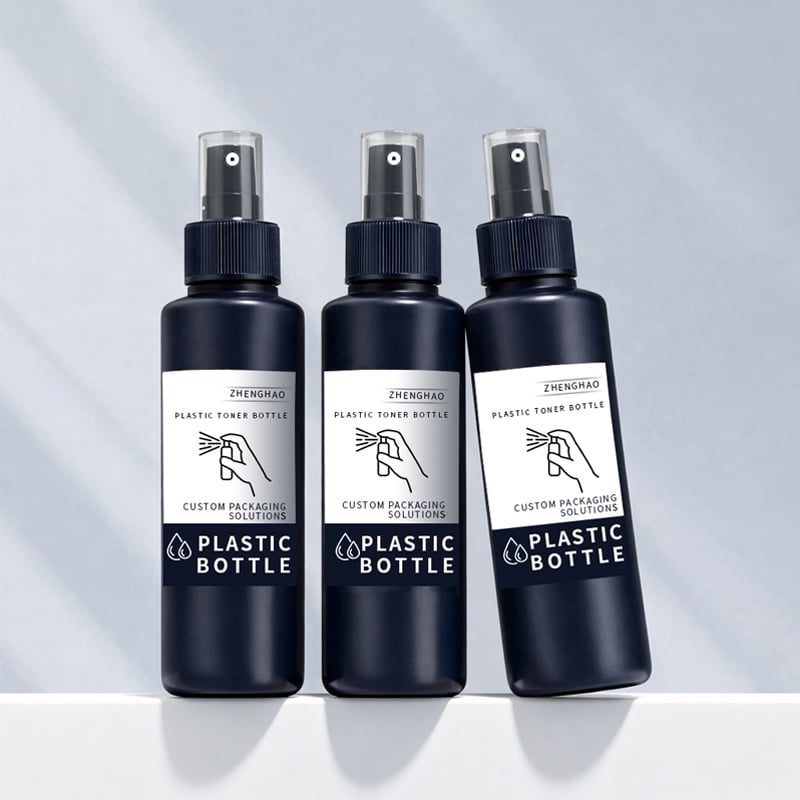
A reliable spray bottle is essential for household cleaning, gardening, and industrial applications, yet many users encounter leaks, clogs, and premature failure within months of purchase. Understanding what factors affect spray bottle durability can help you select products that deliver consistent performance and longer service life. The quality of components, material selection, design engineering, and manufacturing processes all play critical roles in determining how long your spray bottle will function effectively before deterioration sets in.
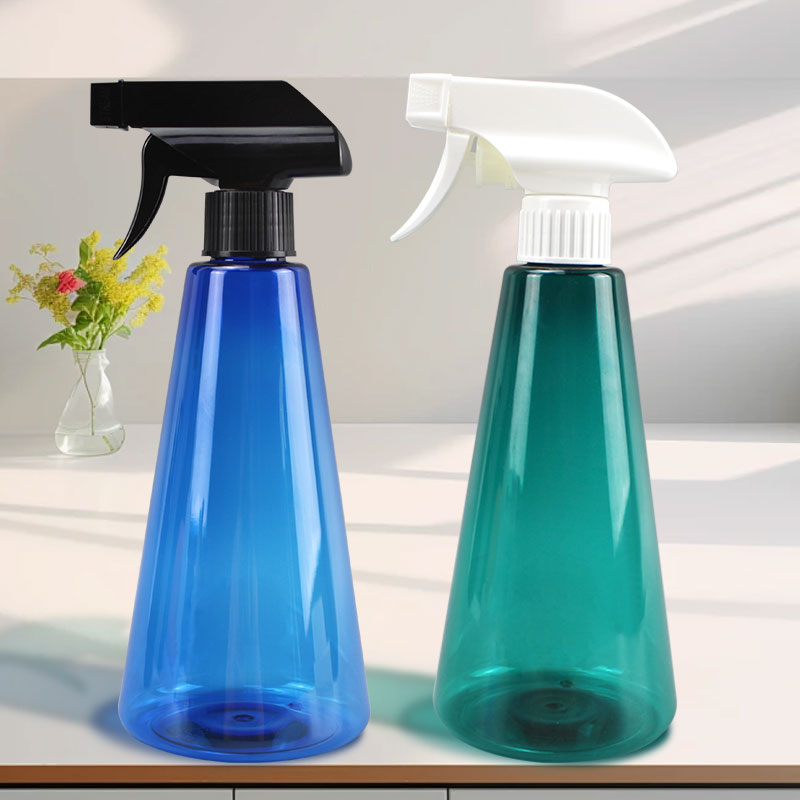
The durability of a spray bottle depends on multiple interdependent factors working together. A trigger sprayer that is poorly engineered will fail regardless of how strong the container material is. Similarly, a pump spray bottle with exceptional reservoir design cannot compensate for low-quality internal seals and valves. This article explores the primary durability factors that manufacturers and end-users must consider to ensure long-term performance and reliability across different use cases and environments.
Material Composition and Container Quality
Plastic Resin Selection and Structural Integrity
The material used to construct the spray bottle container directly influences durability and chemical resistance. High-density polyethylene (HDPE) and polyethylene terephthalate (PET) are the most common choices for commercial and household spray bottles because they offer good impact resistance and cost-effectiveness. An atomizer bottle made from premium-grade PET will withstand repeated impacts and pressure cycles much better than lower-grade plastics that become brittle over time, especially when exposed to UV light or temperature fluctuations.
The thickness and wall consistency of the container material also determine structural durability. Thinner-walled bottles may reduce manufacturing costs, but they are more prone to cracking, warping, and deformation under normal use. A well-engineered spray bottle container maintains consistent wall thickness throughout the body and neck, preventing weak points where stress concentrates. Quality manufacturing ensures that the plastic material is properly cooled and finished, eliminating internal microfractures that can expand into visible cracks over time.
Chemical and Temperature Resistance
Durability is severely compromised when spray bottle materials are incompatible with the liquids they are designed to hold. Aggressive cleaning chemicals, solvents, and acidic solutions can degrade plastic resins, causing swelling, discoloration, and weakening of the container structure. A pump spray bottle intended for harsh chemicals must be manufactured from chemically resistant materials that maintain integrity when exposed to corrosive substances for extended periods. Temperature resistance is equally important; containers exposed to direct sunlight or stored in hot environments can lose structural strength and become prone to leaking at seams and joints.
Trigger Sprayer Mechanism Design
Internal Valve and Seal Performance
The trigger sprayer is arguably the most critical component affecting overall spray bottle durability. The internal valve mechanism must open and close smoothly thousands of times without degradation, and rubber or silicone seals must maintain their elasticity and sealing properties throughout the product lifespan. Low-quality seals harden or become sticky over time, leading to leaks around the trigger housing, incomplete spray patterns, and eventually complete failure of the trigger mechanism. A pump spray bottle with precision-engineered seals and premium valve components will deliver consistent spray performance for years, while inferior designs may fail within months of regular use.
The internal tubing and pickup mechanism within the atomizer bottle must also resist degradation from the liquids being sprayed. If the intake tube is made from brittle plastic or thin-walled material, it can crack or collapse, preventing the pump spray bottle from drawing liquid effectively. Durable designs use reinforced tubing with proper support structures to maintain functionality even under pressure fluctuations and chemical exposure. The connection points between the spray mechanism and the bottle must also be secure and sealed to prevent leaks that compromise performance and potentially damage the internal mechanism.
Spray Pattern Consistency and Clog Prevention
Spray nozzle design significantly impacts both the user experience and the spray bottle durability over time. A high-quality trigger sprayer produces a consistent, adjustable mist or stream pattern, while poor designs result in spotty, weak, or inconsistent spraying that forces users to spray repeatedly. This increased mechanical stress accelerates wear on internal components. Nozzles prone to clogging from mineral deposits or thickened liquids cause pressure buildup inside the pump spray bottle, leading to seal failures and potential container rupture. Durable spray bottle designs include features like cleanable nozzle tips and internal pathways that resist buildup, ensuring the atomizer bottle maintains reliable performance even with challenging liquids or hard water.
Manufacturing Precision and Assembly Standards
Quality Control and Component Fit
Manufacturing precision directly determines how long a spray bottle will maintain its sealing integrity and mechanical functionality. Loose tolerances between the trigger sprayer and the container neck can create pathways for leaks and allow air to enter during spraying, disrupting the vacuum necessary for consistent operation. A pump spray bottle manufactured with tight tolerances and careful assembly ensures that all connections remain secure and watertight even after thousands of spray cycles. Quality control processes that inspect each unit for defects, leaks, and functional issues before shipment help eliminate premature failures in the field.
The threads connecting the spray mechanism to the bottle neck must be precise and properly lubricated or sealed to prevent cross-threading and ensure a lasting watertight connection. An atomizer bottle assembled by skilled workers or automated systems with strict quality standards will have fewer assembly defects and better long-term reliability than products manufactured under loose supervision. Each component, from the trigger lever to the internal spring mechanisms, must be positioned accurately to function without unnecessary friction or misalignment that would accelerate wear.
Material Consistency and Component Integration
Consistent material quality across all components ensures that different parts of the spray bottle age and wear uniformly. If the container plastic is durable but the trigger sprayer is made from inferior material, the trigger will fail first, rendering the otherwise reliable bottle useless. Durable spray bottle designs integrate all components—container, trigger mechanism, seals, valves, and tubing—using materials that are mutually compatible and designed to function together. When manufacturers source components from reliable suppliers and maintain strict material specifications, the resulting pump spray bottle offers balanced durability across all critical functions, extending the overall lifespan of the product.
FAQ
What material is best for spray bottle durability?
Premium-grade PET or HDPE plastics offer superior durability for spray bottles. These materials resist impact, maintain structural integrity over time, and withstand chemical exposure better than lower-grade plastics. Additionally, the material must be chemically compatible with the liquids the atomizer bottle will hold, and the wall thickness should be consistent throughout the container to prevent weak points and stress concentration.
How does trigger sprayer quality affect spray bottle performance?
The trigger sprayer is critical to spray bottle durability because it undergoes repeated mechanical stress. High-quality seals, precision valve engineering, and durable internal components ensure consistent spray patterns and prevent leaks. A pump spray bottle with poor-quality seals will degrade quickly, while premium designs maintain functionality for thousands of spray cycles. Clog prevention features also contribute significantly to long-term reliability and performance of the trigger mechanism.
Can manufacturing quality impact how long a spray bottle lasts?
Yes, manufacturing precision directly influences spray bottle durability. Tight tolerances, careful assembly, quality control inspections, and consistent material sourcing all contribute to reliable long-term performance. An atomizer bottle manufactured with strict standards will have fewer leaks, better component integration, and more consistent functionality compared to products assembled with loose oversight. Manufacturing defects often appear as early failures, so rigorous quality control helps ensure the spray bottle meets its designed lifespan.