
 EN
EN
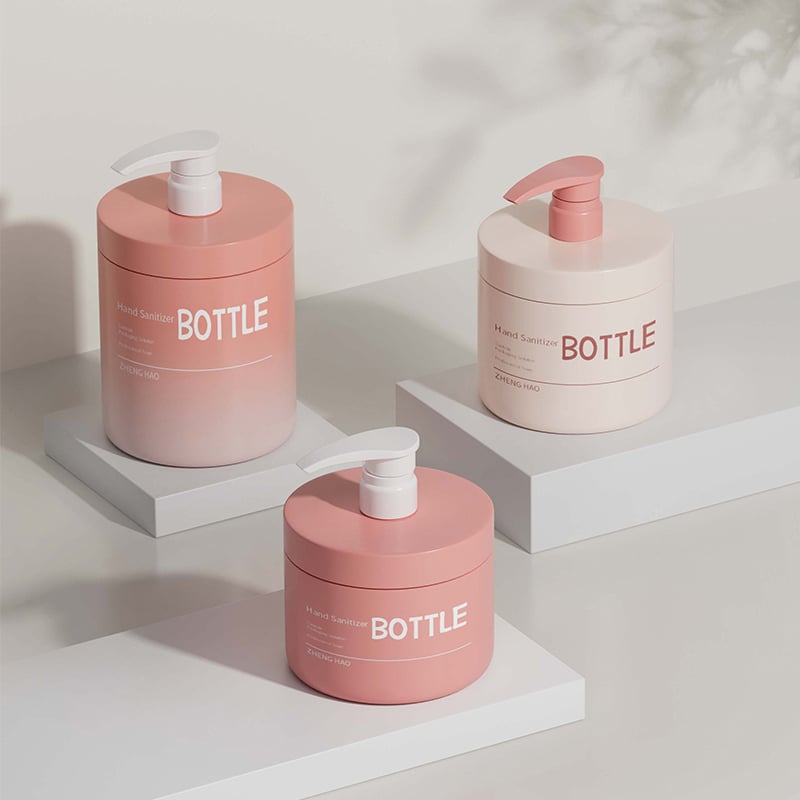
You know what nobody talks about when they're designing a hand sanitizer bottle? Leaks. Not the formula, not the label, not even the color — just the simple, maddening fact that a bottle can look perfect on the outside and still betray you the moment it hits a shipping box or a customer's bag.
I once had a brand owner tell me, "I spent six months perfecting my gel, and three days after launch, I'm dealing with sticky boxes and angry reviews. The bottle looked great. It just didn't hold." That stuck with me. Because the truth is, hand sanitizer is one of the trickiest things to package. It's alcohol-based, it's thin, and it finds its way through the tiniest gaps. Get the material wrong, and you're not just dealing with a leak — you're dealing with a formula that's evaporating, a bottle that's degrading, or a customer who's never coming back.
The hand sanitizer packaging market was valued at $2.5 billion in 2024 and is projected to reach $4.8 billion by 2033. Bottles alone accounted for about 53% of sales in 2026. With that much growth, the material you choose for your hand sanitizer bottle isn't just a packaging decision — it's a business decision.So let's talk about what actually matters when you're choosing between PET and HDPE for your hand sanitizer line.
PET Hand Sanitizer Bottle: Crystal Clear and Consumer-Trusted
Here's something that surprises a lot of first-time brand owners: consumers trust what they can see. A clear PET hand sanitizer bottle lets customers see the gel inside — its color, its clarity, its consistency. And when people can see that your product looks clean and professional, they're more likely to buy it.
PET (polyethylene terephthalate) is the material behind those crystal-clear water bottles and salad dressing containers. In the hand sanitizer world, it's become the default choice for brands that want their product to look as good as it works. A half-liter PET bottle weighs just 23 grams, compared to 32 grams for its HDPE counterpart — a weight reduction of over 28 percent. That adds up fast when you're shipping thousands of units.
In general, PET is more likely to be the first choice for luxury plastic packaging, especially for high-end hotels or high-end customers. For small and medium-sized hand sanitizer bottles, combined with sandblasting or Spray coating processes, it can further enhance the brand effect.
But here's the catch: not all hand sanitizer formulas play nice with PET. PET handles standard 60 to 70 percent alcohol formulas just fine — the alcohol concentration used in most hand sanitizers is well within PET's tolerance. However, you want to avoid formulas with high concentrations of fragrance oils or essential oils above 5%, which can interact with PET over time.
For brands working with a hand sanitizer bottle manufacturer, compatibility testing is non-negotiable. A PET hand sanitizer bottle that passes a 24-hour test might fail after three months on a retail shelf if your formulation contains certain additives. The only way to know is to test your actual formula with the actual bottle.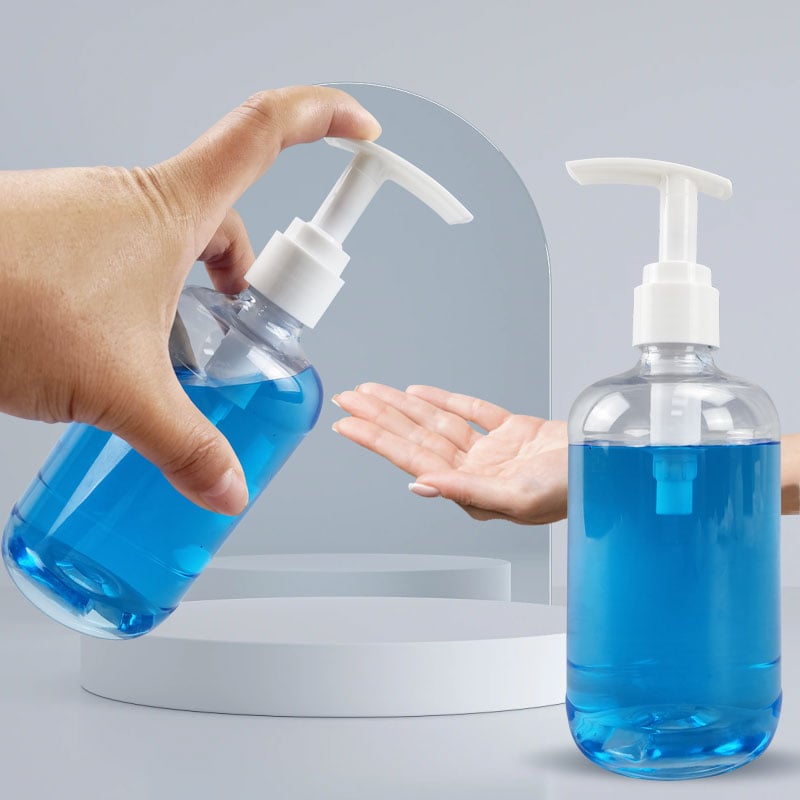
HDPE Hand Sanitizer Bottle: The Durable, Chemical-Resistant Workhorse
If PET is the showstopper, HDPE is the workhorse. High-density polyethylene is known for its durability, chemical resistance, and versatility. It holds up well against acids, alcohols, and cleaning agents — which is exactly what you need when you're packaging alcohol-based sanitizers.
HDPE hand sanitizer bottles are tough and impact-resistant, making them ideal for products that need to survive rough handling. They're also opaque or translucent, which provides some protection against light-sensitive contents. If your formula contains ingredients that degrade when exposed to light, HDPE offers an extra layer of protection that clear PET simply can't provide.
However, for brands that place greater emphasis on durability and chemical resistance, or for families targeting large-capacity options, HDPE is often the better choice.
For a hand sanitizer bottle supplier, offering both PET and HDPE options gives brands the flexibility to choose based on their specific needs. Some brands use clear PET for their retail line and HDPE for industrial or bulk versions. Others stick with one material across their entire product range. There's no single right answer — only the answer that fits your product and your brand.
The Leak Problem: What Your Hand Sanitizer Bottle Manufacturer Won't Tell You (But Should)
Here's where things get real. Hand sanitizer is thin. It's alcohol-based. And alcohol has a nasty habit of finding its way through the tiniest gaps in a bottle's construction.
I've seen brands spend thousands on beautiful custom molds, only to discover that their flip-top caps don't seal properly against alcohol-based formulas. The cap feels tight when you screw it on dry. But once the alcohol starts interacting with the plastic, the seal can soften, swell, or just plain fail.
So what actually prevents leaks in a hand sanitizer bottle?
First, the closure. Secure closures like snap-on lids and easy-close flaps help prevent leaks and spills. But not all closures are created equal. For alcohol-based formulas, you need a cap with a liner that's compatible with alcohol — foil or PS liners are common choices. Unlined plastic allows alcohol to migrate through the cap material over time.
Second, the neck finish. The threads need to be precise. Too shallow, and the cap doesn't grab properly. Too deep, and the seal isn't tight. This is where working with an experienced hand sanitizer bottle manufacturer makes a real difference — they've already solved these problems across thousands of production runs.
Third, the material itself. HDPE offers excellent chemical resistance to alcohols, which is why it's widely used for hand sanitizer bottles. PET handles standard alcohol concentrations but can degrade with certain additives. Knowing your formula and choosing the right material is the first line of defense against leaks.
And here's a pro tip: test your bottles under real-world conditions. Fill them, seal them, and subject them to temperature changes, pressure changes, and vibration — all the conditions they'll face during shipping. Then check for leaks. Not just visible leaks, but micro-leaks that might only show up as a slight tackiness on the outside of the bottle.
How to customize high-quality empty hand sanitizer bottles?
For brands looking to stand out, customization is becoming essential. you choose the material, the size, the color, the closure, and the finishing.Advances in digital printing and customization technologies allow brands to offer unique and bespoke packaging options. Whether you want a mini hand sanitizer bottle for promotional giveaways or big hand sanitizer bottles for commercial use, the right supplier can make it happen.
The size you choose matters as much as the material. Smaller bottles — like 2 oz sizes — are standard for pocket and purse carry. They fit point-of-sale displays, gift bags, and promotional giveaways. Larger bottles — like 8 oz or bigger — work for desk use, counter displays, and high-traffic areas. For brands sourcing wholesale hand sanitizer bottles, offering multiple sizes within the same bottle platform lets you capture more of the market.
As we all know, nowadays most PET hand sanitizer bottles opt for spray oil and sandblasting treatment. While for HDPE materials, most of them will choose matte surface treatment. According to our Zhenghao customers, almost all of them will choose these two customization methods to make their packaging look more upscale!
And don't forget about reusable hand sanitizer bottle options. With sustainability becoming a bigger concern for consumers, refillable and reusable bottles are gaining traction. A well-designed reusable bottle isn't just good for the planet — it's good for your brand loyalty.
Hand Sanitizer Bottle Supplier: What to Look For?
By now, you've got a sense of what you need. But finding the right hand sanitizer bottle supplier to build it is a different challenge.
Look for a supplier with proven experience in alcohol-based cosmetic packaging. Not all plastic manufacturers understand the unique challenges of hand sanitizer. The material needs to resist alcohol without degrading. The closure needs to seal against thin, volatile liquids. The bottle needs to survive shipping without leaking.
The surface details of the produced bottles need to be perfect. Many factories, due to the poor quality of their production machinery and molds, result in obvious mold lines on the bottles. (That is, there will be a very distinct line in the middle of the bottle. The manufacturer's workmanship is rough, and it can be clearly seen or touched. For custom customers and end users, even if your bottle surface is made very high-end, but these details are very rough will greatly reduce the experience.)
Look for customization flexibility. Can they match your brand colors? Offer the finish you want? Develop a custom mold if needed? The more options, the more ways to differentiate your brand.
Look for certifications and quality control. ISO 9001, Sedex, CE, FDA — these aren't just acronyms. They signal that the manufacturer takes quality and safety seriously.
Final Thoughts
The hand sanitizer market isn't going anywhere. People wash their hands more, they carry sanitizer in their bags, and they expect their bottles to work — no leaks, no mess, no drama.
PET gives you crystal clarity and lightweight shipping. HDPE gives you durability and superior chemical resistance. The right choice depends on your formula, your brand, and your customers.
At Zhenghao Packaging, we've been customizing hand sanitizer bottles for over two decades. From PET hand sanitizer bottles to HDPE options, from mini hand sanitizer bottles to big ones, we handle the details so you don't have to. Our 20,000-square-meter factory and 8,600-square-meter dust-free workshop are equipped for orders of any size, and our certifications — ISO 9001, Sedex, CE, FDA — ensure quality you can count on
Table of Contents
- PET Hand Sanitizer Bottle: Crystal Clear and Consumer-Trusted
- HDPE Hand Sanitizer Bottle: The Durable, Chemical-Resistant Workhorse
- The Leak Problem: What Your Hand Sanitizer Bottle Manufacturer Won't Tell You (But Should)
- How to customize high-quality empty hand sanitizer bottles?
- Hand Sanitizer Bottle Supplier: What to Look For?
- Final Thoughts