
 EN
EN
Designing a toner bottle that balances elegance with functionality is a critical challenge for cosmetic brands seeking to stand out in a competitive skincare market. The toner bottle serves as the first physical touchpoint between your brand and consumers, making its design essential not only for aesthetic appeal but also for user experience, product preservation, and brand recognition. A well-designed toner bottle communicates your brand values, protects the formulation, and delivers a satisfying daily ritual that encourages repeat purchases and customer loyalty.
Creating an effective toner bottle design requires strategic decisions across material selection, structural engineering, dispensing mechanisms, visual branding, and manufacturing feasibility. This comprehensive guide explores the essential design principles and practical considerations that enable cosmetic brands to develop toner bottles that are simultaneously beautiful and highly functional. Whether you are launching a premium skincare line or refreshing an existing product range, understanding these design fundamentals will help you create packaging that resonates with your target audience while maintaining operational efficiency and cost effectiveness.
Understanding the Core Design Objectives for Your Toner Bottle
Balancing Aesthetic Appeal with Practical Performance
The foundation of successful toner bottle design lies in recognizing that elegance and functionality are not opposing forces but complementary aspects that must be integrated from the earliest conceptual stages. Aesthetic appeal attracts consumers on the shelf and communicates brand positioning, while functional performance ensures product integrity and user satisfaction throughout the product lifecycle. Premium toner bottle designs achieve this balance by selecting materials that offer both visual sophistication and durability, such as frosted PET plastics that provide a luxurious tactile experience while maintaining chemical resistance and drop-test performance.
Your design objectives should align with your brand positioning and target consumer expectations. A luxury skincare brand targeting mature consumers may prioritize weighty glass construction with minimalist detailing and precision dispensing mechanisms, while a natural beauty brand appealing to younger demographics might favor recyclable materials with botanical-inspired textures and easy-grip ergonomics. The toner bottle design must tell your brand story visually while solving practical challenges such as accurate dosage control, spill prevention during travel, and protection against oxidation or contamination that could degrade active ingredients.
Identifying User Experience Priorities Throughout the Product Journey
Exceptional toner bottle design considers the complete user experience from the moment of purchase through daily application rituals to disposal or recycling. Begin by mapping the consumer journey to identify critical interaction points where design choices significantly impact satisfaction. These touchpoints include shelf presence and first impression, unboxing experience, initial handling and weight perception, cap removal effort, dispensing accuracy and consistency, application comfort, storage stability, and end-of-life disposal convenience. Each interaction represents an opportunity to reinforce brand values through thoughtful design decisions.
User experience priorities often vary across market segments and usage contexts. Professional spa environments may require larger capacity toner bottles with efficient pump mechanisms that enable therapists to dispense product quickly during treatments, while retail consumer products benefit from compact proportions suitable for bathroom counters and travel bags. Conducting user research through focus groups, prototype testing, and behavioral observation provides invaluable insights into unstated preferences and pain points that should inform your design specifications. This consumer-centric approach ensures your toner bottle design addresses real user needs rather than assumptions.
Establishing Brand Differentiation Through Distinctive Design Elements
In saturated cosmetic markets, distinctive toner bottle design serves as a powerful differentiator that helps consumers quickly identify your products among competing offerings. Strategic design differentiation extends beyond surface decoration to encompass unique structural forms, proprietary closure systems, innovative material applications, and signature color palettes that become synonymous with your brand identity. Consider how iconic beauty brands have created instantly recognizable bottle silhouettes that function as visual shorthand for their brand values and product positioning.
Effective differentiation requires understanding competitive landscape patterns and identifying opportunities for meaningful distinction. Analyze leading competitors within your target market segment to map common design conventions, then deliberately diverge from these patterns in ways that align with your brand personality and consumer preferences. A toner bottle featuring an unconventional geometric profile or innovative dispensing interface can capture attention and communicate innovation, provided these distinctive elements enhance rather than compromise functional performance.
Selecting Optimal Materials and Structural Components
Evaluating Material Options for Performance and Perception
Material selection represents one of the most consequential decisions in toner bottle design, directly impacting visual appeal, functional performance, manufacturing costs, and environmental sustainability. The primary material categories for toner bottle construction include glass, polyethylene terephthalate plastic, high-density polyethylene, polypropylene, and increasingly, bioplastics derived from renewable resources. Each material offers distinct advantages and limitations regarding transparency, weight, chemical compatibility, barrier properties, decoration capabilities, recyclability, and cost structures that must be evaluated against your specific product requirements and brand positioning.
Glass toner bottles deliver premium visual appeal with exceptional clarity, chemical inertness, and infinite recyclability, making them ideal for luxury formulations containing sensitive active ingredients that require maximum protection from oxidation and contamination. However, glass adds significant weight and breakage risk while increasing transportation costs and carbon footprint. PET plastics offer an attractive compromise, providing excellent transparency and chemical resistance at substantially lower weight and cost, with recycling infrastructure widely available in most markets. Frosted or matte surface treatments on PET can create sophisticated visual effects that rival glass aesthetics while maintaining practical advantages.
Engineering Bottle Structure for Stability and Ergonomics
The structural engineering of your toner bottle directly influences stability during use, ease of handling, and manufacturing efficiency. Bottle geometry must balance aesthetic preferences with practical considerations including center of gravity for tip resistance, wall thickness for structural integrity, base design for stable standing, and grip zones for comfortable handling. Cylindrical toner bottle forms offer manufacturing simplicity and material efficiency, while rectangular or oval profiles can maximize shelf space utilization and provide natural grip surfaces that enhance user control during application.
Capacity planning requires careful consideration of typical usage patterns, purchase frequency expectations, and shelf life constraints. Standard toner bottle capacities ranging from 120 milliliters to 250 milliliters accommodate most consumer preferences, with smaller travel sizes and larger professional formats serving specific market segments. The relationship between capacity and bottle proportions affects perceived value, with height-to-diameter ratios influencing shelf presence and premium perception. Taller, slender profiles often convey sophistication and luxury positioning, while shorter, wider formats suggest practicality and value orientation.
Integrating Sustainable Material Innovations
Sustainability considerations increasingly influence toner bottle material selection as environmentally conscious consumers demand packaging solutions that minimize ecological impact throughout the product lifecycle. Post-consumer recycled plastics, ocean-bound plastics, and bioplastics derived from sugarcane or corn starch offer pathways to reduce virgin petroleum consumption while maintaining functional performance standards. However, sustainable material adoption requires careful evaluation of actual environmental benefits through lifecycle assessment, as some alternatives may increase carbon emissions during production or compromise recyclability in existing waste streams.
Design for recyclability principles should guide material and construction decisions to facilitate end-of-life recovery and reprocessing. Mono-material construction using a single plastic type throughout the toner bottle and closure simplifies sorting and recycling processes, while avoiding multi-layer laminates and incompatible material combinations that contaminate recycling streams. Clear labeling with resin identification codes and disposal instructions helps consumers participate effectively in recycling programs. Some brands are exploring refillable toner bottle systems that enable consumers to purchase concentrated refills, dramatically reducing packaging waste over the product relationship while creating ongoing customer engagement opportunities.
Designing Effective Dispensing Systems and Closures
Selecting Dispensing Mechanisms for Precise Application
The dispensing mechanism integrated into your toner bottle profoundly affects user satisfaction, product waste, and formulation preservation. Common dispensing options for toner bottles include screw caps with pour openings, disc caps with flip-top dispensers, pump mechanisms with dip tubes, fine mist sprayers, and dropper assemblies with pipette tips. Each dispensing system offers distinct advantages for specific formulation viscosities, application methods, and usage contexts that must align with your product positioning and consumer expectations.
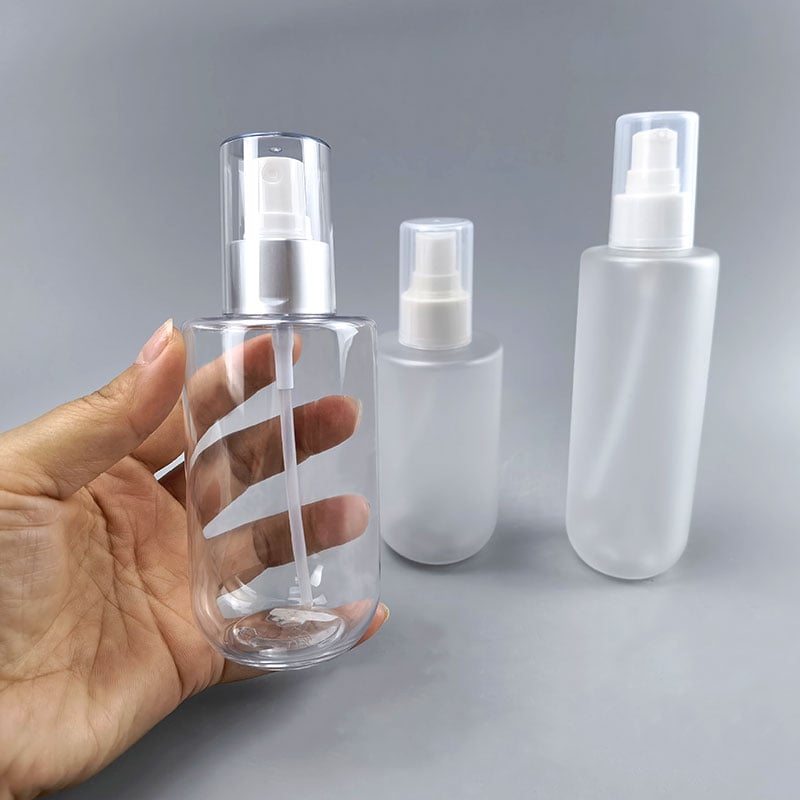
Mist spray mechanisms have become increasingly popular for toner bottle applications, delivering fine, even distribution across facial skin while minimizing product waste and providing a refreshing sensory experience that enhances the skincare ritual. Quality mist sprayers feature precisely engineered nozzle orifices and actuator springs that produce consistent particle sizes and spray patterns across thousands of actuations. The spray pattern should deliver adequate coverage without excessive wetness or runoff, requiring optimization of orifice diameter, spray angle, and delivery volume per actuation based on your specific formulation characteristics.
Engineering Closure Systems for Security and Convenience
Closure design must balance multiple competing requirements including secure sealing to prevent leakage and contamination, ease of opening for consumers including those with limited dexterity, tamper evidence to ensure product integrity, and aesthetic integration with overall toner bottle design language. Thread designs, snap-fit mechanisms, and magnetic closures each offer different performance profiles and cost structures. Standard continuous thread closures provide reliable sealing and familiar operation, while innovative closure systems can differentiate your product and enhance premium perception.
Child-resistant closures may be required for toner bottles containing ingredients subject to safety regulations, necessitating specialized designs that meet standardized testing protocols while remaining accessible to adult users. These closures typically employ push-and-turn mechanisms or squeeze-and-turn operations that require coordinated actions difficult for young children. The challenge lies in implementing child resistance without creating frustration for legitimate users, particularly elderly consumers who may have reduced manual strength or dexterity. User testing with diverse age groups helps optimize closure designs that satisfy both safety requirements and usability expectations.
Optimizing Dip Tubes and Internal Components
Internal components within the toner bottle significantly influence dispensing performance and product evacuation efficiency. Dip tubes connecting pump or spray mechanisms to the product reservoir must extend to within millimeters of the bottle base to enable maximum product utilization, while maintaining appropriate diameter and flexibility to accommodate formulation viscosity and pump suction requirements. Dip tube length should account for typical bottle orientations during use, with angled tube terminations helping reach product in bottle corners when tilted.
Airless pump systems represent an advanced dispensing solution for premium toner bottle applications, using piston mechanisms or collapsible inner bags to dispense product without introducing air into the reservoir. This technology provides superior protection for formulations containing oxidation-sensitive ingredients such as vitamin C or retinol, while enabling nearly complete product evacuation that minimizes waste. The sealed environment also eliminates contamination risks from repeated exposure to ambient air and finger contact, extending product shelf life after opening. However, airless systems substantially increase component costs and require careful integration with bottle structure and decoration methods.
Creating Compelling Visual Identity Through Surface Design
Developing Brand-Aligned Color Strategies and Finishes
Color selection for your toner bottle design communicates immediate psychological associations and brand positioning that influence purchase decisions at the critical point of sale. Color psychology research demonstrates that specific hues trigger consistent emotional responses and category expectations across cultures. Blue tones suggest purity, hydration, and clinical efficacy, making them popular for hydrating toner bottles. Green conveys naturalness and botanical ingredients, while white and pale pastels communicate gentleness suitable for sensitive skin formulations. Premium luxury brands often employ black, gold, or deep jewel tones that signal exclusivity and sophistication.
Surface finishes dramatically alter perceived quality and tactile experience of your toner bottle. Glossy finishes maximize transparency and color vibrancy while suggesting freshness and cleanliness, but readily show fingerprints and scratches. Matte and frosted finishes create sophisticated, contemporary aesthetics with pleasant soft-touch qualities that disguise minor surface imperfections. Textured surfaces can incorporate subtle patterns or gradients that add visual interest and improve grip security. Metallic finishes applied through vacuum metallization create luxurious reflective surfaces, though they may compromise recyclability unless specified as compatible coatings.
Designing Effective Label and Decoration Systems
Label and decoration design must integrate seamlessly with toner bottle structure to create unified visual identity while communicating required regulatory information and brand messaging. Decoration methods for toner bottles include pressure-sensitive labels, shrink sleeves, screen printing, pad printing, hot stamping, and in-mold labeling, each offering distinct capabilities regarding graphic complexity, durability, cost efficiency, and production volumes. Label design should establish clear visual hierarchy that guides consumer attention to brand identity, product name, key benefits, and usage instructions in logical sequence.
Typography selection significantly impacts readability and brand personality expression on toner bottle labels. Sans-serif typefaces generally provide better legibility at small sizes required for ingredient lists and regulatory text, while display fonts can express brand character in product names and headlines. Ensure adequate contrast between text and background colors to maintain readability across lighting conditions and viewing distances. Multilingual labeling requirements in international markets demand careful space planning to accommodate varying text lengths while maintaining design integrity across language versions of the same toner bottle.
Incorporating Interactive and Intelligent Features
Advanced decoration technologies enable toner bottle designs to incorporate interactive elements that enhance consumer engagement and provide additional functionality. QR codes and NFC tags printed or embedded in labels can link consumers to digital content including application tutorials, ingredient sourcing stories, sustainability certifications, and product authentication verification. These digital touchpoints extend brand interaction beyond the physical product while providing valuable consumer data and engagement metrics that inform marketing strategies.
Thermochromic inks that change color in response to temperature fluctuations can create engaging visual effects on toner bottles while potentially indicating product storage conditions or freshness. Photochromic inks respond to UV exposure, creating color-changing effects in sunlight. While these specialty inks increase decoration costs, they generate social media shareability and unboxing excitement that amplifies brand awareness through user-generated content. The key is ensuring interactive features provide genuine value or delight rather than gimmicks that distract from core product benefits.
Implementing Manufacturing and Quality Control Best Practices
Selecting Manufacturing Partners and Production Methods
Successful toner bottle production requires partnering with manufacturers possessing appropriate technical capabilities, quality systems, and production capacity to meet your volume requirements and delivery schedules. Injection molding and blow molding represent the primary manufacturing processes for plastic toner bottles, with process selection depending on bottle design complexity, material specifications, and production volumes. Injection stretch blow molding enables production of PET bottles with excellent clarity and consistent wall thickness, while extrusion blow molding suits larger format bottles and handles complex contours efficiently.
Manufacturing partner evaluation should assess technical capabilities including mold design expertise, process control systems, decoration capabilities, assembly operations for multi-component closures, and quality management certifications such as ISO standards and Good Manufacturing Practices compliance. Request samples of similar projects to evaluate surface finish quality, dimensional consistency, and decoration durability. Discuss minimum order quantities, lead times, tooling costs, and pricing structures across volume tiers to ensure alignment with your business model and growth projections. Establishing clear communication protocols and quality specifications from the outset prevents costly misunderstandings and production delays.
Establishing Rigorous Quality Standards and Testing Protocols
Comprehensive quality control programs ensure your toner bottle consistently meets functional requirements and aesthetic standards across production runs. Dimensional verification confirms that bottles, closures, and components maintain specified tolerances critical for proper assembly and sealing performance. Wall thickness measurement detects variations that could compromise structural integrity or dispensing function. Visual inspection identifies surface defects, color variations, and decoration flaws that affect premium perception and brand image.
Functional testing validates toner bottle performance under simulated use and storage conditions. Drop testing from specified heights onto various surfaces ensures bottles withstand typical handling and shipping stresses without cracking or leaking. Torque testing measures the force required to open and close threaded caps, confirming accessibility while maintaining secure sealing. Leakage testing subjects assembled bottles to pressure differentials and orientation changes that simulate transportation and consumer use patterns. Chemical compatibility testing exposes bottle materials to your specific formulation for extended periods at elevated temperatures to detect any degradation, discoloration, or ingredient interaction that could compromise product quality or safety.
Managing Regulatory Compliance and Documentation
Cosmetic packaging regulations vary significantly across global markets, requiring careful attention to material restrictions, labeling requirements, safety testing, and registration procedures. The European Union Cosmetics Regulation, FDA regulations in the United States, and guidelines from China's National Medical Products Administration establish specific requirements for package materials that contact cosmetic formulations. Ensuring your toner bottle materials comply with relevant regulations in target markets prevents costly redesigns and market access delays.
Documentation requirements include material safety data sheets for all components, certificates of analysis confirming material composition, migration testing results demonstrating that packaging does not leach harmful substances into formulations, and stability testing data showing package integrity throughout claimed shelf life. Establishing robust documentation systems from initial development through production and quality control creates audit trails that facilitate regulatory submissions and respond efficiently to any quality investigations or market complaints. Working with experienced regulatory consultants helps navigate complex requirements and identify potential compliance issues early in the development process.
FAQ
What capacity range is most suitable for retail toner bottles?
Most retail toner bottles range between 120 milliliters and 250 milliliters, which provides approximately four to eight weeks of supply for typical twice-daily application routines. This capacity range balances consumer preferences for reasonable purchase prices and manageable product weights against formulation stability concerns and the desire to encourage repeat purchases at intervals that maintain brand engagement. Smaller travel sizes between 50 and 100 milliliters serve as entry points for new customers and convenient options for portability, while professional spa formats may extend to 500 milliliters or larger for operational efficiency in treatment environments.
How do I choose between pump and spray dispensing for my toner bottle?
The choice between pump and spray dispensing mechanisms depends on your formulation viscosity, target application method, and brand positioning. Fine mist sprayers work exceptionally well for lightweight, water-based toners that consumers apply by spraying directly onto facial skin or onto cotton pads, creating refreshing sensory experiences and even distribution. Pump mechanisms suit slightly thicker toners or essences that require measured dosing and controlled application, offering precise delivery with minimal waste. Consider conducting consumer testing with both dispensing options to identify which mechanism delivers superior user experience for your specific formulation and target audience preferences.
What minimum order quantities should I expect for custom toner bottle production?
Minimum order quantities for custom toner bottles vary significantly based on manufacturing complexity and customization level. Stock bottles with standard decoration typically require minimum orders between 3,000 and 10,000 units, making them accessible for emerging brands with limited capital. Custom mold development for unique bottle shapes involves substantial tooling investments ranging from 5,000 to 50,000 dollars depending on complexity, with manufacturers typically requiring initial production runs of 30,000 to 100,000 units to justify tooling costs. Many suppliers offer stock bottle modifications such as custom colors or proprietary closures at intermediate minimum quantities between 10,000 and 30,000 units, providing differentiation opportunities without full custom mold investments for growing brands.
How can I make my toner bottle design more sustainable without compromising quality?
Sustainable toner bottle design begins with material selection, prioritizing post-consumer recycled plastics, bioplastics with credible environmental certifications, or lightweight designs that reduce material consumption and transportation emissions. Design for recyclability by using mono-material construction that avoids incompatible material combinations, eliminating unnecessary components, and clearly labeling bottles with disposal instructions. Consider refillable system architectures where consumers retain durable primary bottles and purchase replacement cartridges or concentrated refills, dramatically reducing packaging waste over the customer relationship. Partner with suppliers who provide transparent lifecycle assessment data and maintain certified environmental management systems, ensuring sustainability claims reflect genuine impact reductions rather than superficial greenwashing.
Table of Contents
- Understanding the Core Design Objectives for Your Toner Bottle
- Selecting Optimal Materials and Structural Components
- Designing Effective Dispensing Systems and Closures
- Creating Compelling Visual Identity Through Surface Design
- Implementing Manufacturing and Quality Control Best Practices
-
FAQ
- What capacity range is most suitable for retail toner bottles?
- How do I choose between pump and spray dispensing for my toner bottle?
- What minimum order quantities should I expect for custom toner bottle production?
- How can I make my toner bottle design more sustainable without compromising quality?