
Opakowania niestandardowe do produktów do pielęgnacji włosów produkty wygląda prosto z zewnątrz. Butelka, dozownik, etykieta — gotowe. W rzeczywistości projekty opakowań do szamponu kończą się niepowodzeniem z zaskakująco drobnych powodów: niezgodność dozownika, niestabilne ścianki butelki, wycieki podczas transportu, słaba przyczepność etykiet lub wybór estetyki zamiast praktyczności produkcyjnej. Większość problemów nie pojawia się na etapie próbek. Pojawiają się dopiero po masowej produkcji, wysyłce lub użytkowaniu w punktach sprzedaży.
Dla marek zakupujących niestandardowe rozwiązania butelek do dozowników szamponu, w szczególności firm produkujących kosmetyki własnej marki, salonów fryzjerskich, firm kosmetycznych firma oraz startupów działających w dziedzinie opieki osobistej uniknięcie tych błędów może skrócić opóźnienia, zapobiec zwrotom produktów oraz poprawić długoterminową spójność opakowań.
Niniejszy przewodnik koncentruje się na rzeczywistych problemach produkcyjnych, z jakimi producenci wielokrotnie się spotykają w przypadku plastikowych butelek do szamponu, w tym niezgodności dozowników, wyborze żywicy, ograniczeniach związanych z dekoracją oraz decyzjach zakupowych wpływających na rezultaty komercyjne.
Wielu zakupujących zaczyna od odniesień do wyglądu, zanim omówi cechy składu.
To od razu powoduje problemy.
Lepkość szamponu bezpośrednio wpływa na wydajność pompki, konsystencję dozowanego produktu, rozmiar rurki, a nawet odporność ścianek butelki na nacisk. Wodnisty szampon oczyszczający zachowuje się zupełnie inaczej niż gęsta odżywka bez siarczanów.
Fabryki często otrzymują zlecenia na eleganckie, wąskie butelki połączone ze składami o bardzo wysokiej lepkości, które po prostu nie mogą być prawidłowo dozowane za pomocą standardowych dozowników.
Na przykład niektóre formuły zawierające wysoką ilość olejków eterycznych mogą z czasem obciążać określone tworzywa sztuczne. Zgodnie z wytycznymi amerykańskiej agencji FDA dotyczącymi opakowań produktów kosmetycznych, testy zgodności opakowań są niezbędne do oceny stabilności i bezpieczeństwa.
Dobry dostawca opakowań zapyta o zachowanie się formuły jeszcze przed omówieniem aspektów estetycznych.
Pompa jest zwykle komponentem o najwyższym wskaźniku awarii w butelkach z dozownikiem pompowym przeznaczonych na szamponie.
Marki często skupiają się głównie na wyglądzie butelki, wybierając najtańszą dostępną pompę. Decyzja ta staje się zwykle oczywista po tym, jak konsumenci zaczną korzystać z produktu.
Typowe problemy to:
Dozownik zaprojektowany do mydła płynnego może nie działać poprawnie z gęstszymi formułami szamponi.
Nawet przy tej samej średnicy szyjki wydajność różni się:
W przypadku dużych butelek szamponiu objętość dawkowanego produktu ma większe znaczenie, niż większość nabywców przypuszcza. Jeśli konsument musi nacisnąć dozownik 6–7 razy podczas jednego użytkowania, wrażenie natychmiast staje się tanie.
Doświadczeni producenci zwykle przeprowadzają testy:
Standardy testów transportowych ASTM są powszechnie stosowane do oceny wycieku oraz wytrzymałości opakowań w warunkach przewozu.
Byłoby zaskakujące, jak wiele marek poświęca miesiące doskonaleniu projektu butelki, a następnie zakupuje pompy od innego dostawcy bez odpowiednich testów dopasowania.
Problem polega na tym, że w branży opakowań nie istnieje uniwersalny standard wymiarów gwintu szyjki. Pompa o gwincie 28/410 od jednego producenta może nie zapewniać szczelności na butelce o gwincie 28/410 od innego producenta. Nawet różnica 0,5 mm w skoku gwintu może powodować przewlekłe wycieki lub uszkodzenie gwintu pompy.
Jest to szczególnie krytyczne dla dużych butelki do szamponu (500 ml i więcej), gdzie większa objętość produktu powoduje wzrost ciśnienia wewnętrznego podczas transportu. Zdarzały się przypadki, w których idealnie sprawdzające się butelki i idealnie sprawdzające się pompy po prostu nie funkcjonowały razem, przy czym żaden z dostawców nie był gotów przejąć odpowiedzialności.
Wgląd z fabryki: Zgodność gwintów nie dotyczy tylko uszczelniania. Ma również wpływ na siłę aktywacji pompy. Niezgodny gwint może sprawić, że pompy będą wydawać się sztywne lub miękkie, co bezpośrednio wpływa na postrzeganie przez klientów jakości Państwa produktu.
Jak tego uniknąć: Zakupuj butelki i pompy od tego samego producenta, o ile to możliwe. Jeśli musisz korzystać z różnych dostawców, wymagaj przeprowadzenia testu dopasowania między dostawcami z 100 kolejnymi aktywacjami pompy przed zatwierdzeniem produkcji.
Nie wszystkie tworzywa sztuczne zachowują się w taki sam sposób w opakowaniach do kosmetyków do włosów.
Najczęściej stosowane materiały do produkcji butelek z dozownikami pompowymi do szamponi to:
Każdy materiał wpływa na:
PET:
HDPE:
Wielu zakupujących żąda zawartości PCR (surowców pochodzących z recyklingu zużytych produktów), nie zdając sobie sprawy, że stosunek PCR może wpływać na spójność koloru lub gładkość powierzchni.
Standardy środowiskowe ISO coraz bardziej wpływają na decyzje zakupowe dotyczące opakowań, zwłaszcza w przypadku marek skupionych na eksport i oceniających deklaracje z zakresu zrównoważonego rozwoju
Poprawny wybór materiału zależy od składu produktu, celów brandingowych oraz pozycjonowania w sprzedaży detalicznej — a nie tylko od ceny jednostkowej.
„Potrzebujemy 5000 niestandardowych butelek w ciągu 2 tygodni – w naszym wyjątkowym kształcie i niestandardowym kolorze.”
Słyszymy to przynajmniej raz w tygodniu. Odpowiedź brzmi zawsze ta sama: tak nie działa produkcja niestandardowych wyrobów z tworzyw sztucznych.
Wykonanie niestandardowych narzędzi trwa samodzielnie 15–20 dni. Dopasowanie kolorów i przygotowanie próbek wymaga dodatkowo 7–10 dni. Produkcja wymaga minimalnych partii wynoszących od 10 000 do 50 000 sztuk w zależności od rozmiaru butelek, ponieważ każdorazowa zmiana koloru na maszynach do wtryskiwania tworzyw sztucznych powoduje marnowanie 20–30 kg żywicy.
Marki, które narzucają przyspieszone harmonogramy, zawsze płacą za to cenę. Widzieliśmy, jak konkurencja pomijała testy jakości, aby dotrzymać terminów, co skutkowało stopą wadliwości wynoszącą 30%, którą marki odkrywają dopiero w momencie, gdy butelki docierają do ich magazynów.
Rzeczywistość jest taka: projekty niestandardowych butelek do dystrybutorów szamponu wymagają 45–60 dni od zatwierdzenia projektu do dostawy. Każda fabryka obiecująca krótszy czas realizacji po prostu oszczędza w którymś miejscu.
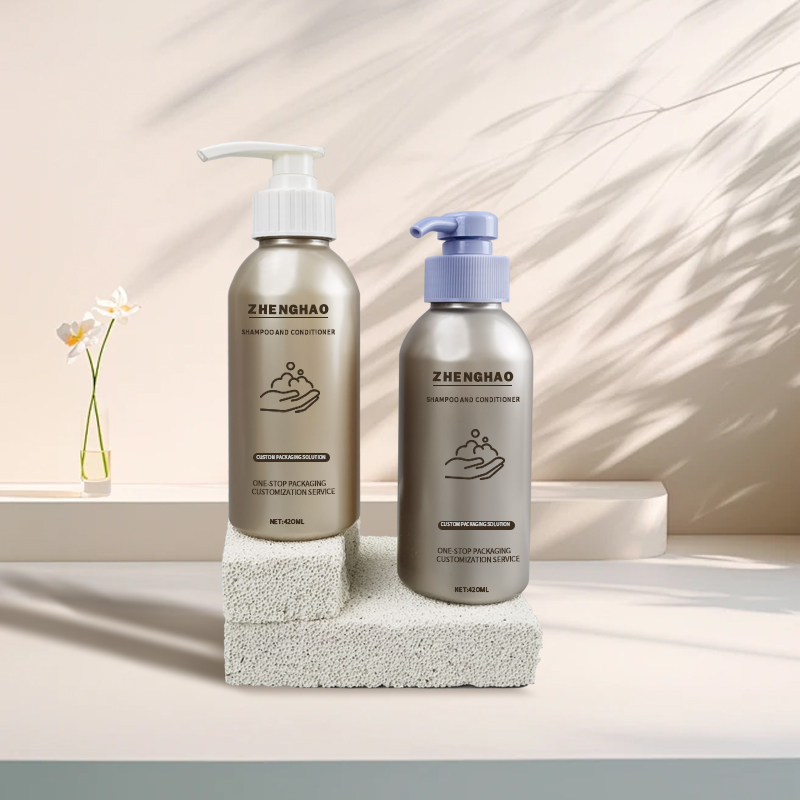
Przed ostatecznym zatwierdzeniem niestandardowego opakowania sprawdź poniższe punkty:
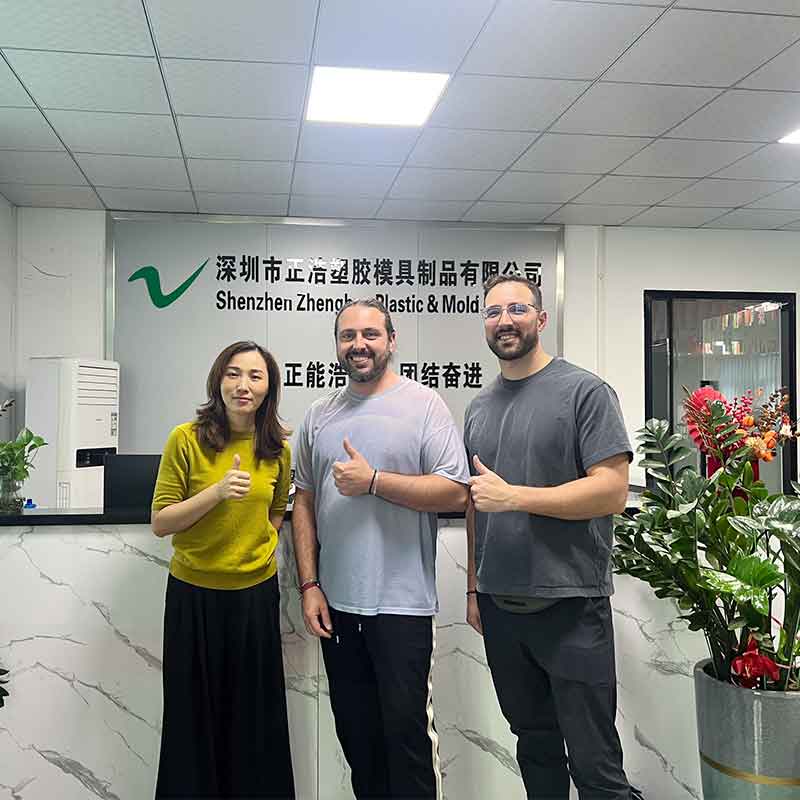
Nowi zakupujący czasem interpretują sprzeciw fabryki jako opór wobec innowacji.
Zazwyczaj dzieje się odwrotnie.
Doświadczeni producenci odrzucają pewne pomysły, ponieważ już wcześniej widzieli:
Dobrze opracowana opakowanie nie polega na akceptowaniu każdego żądania projektowego.
Chodzi o znalezienie równowagi między:
Najlepsze niestandardowe butelki z dozownikiem do szamponu rzadko mają najbardziej ekstremalne wizualnie projekty. Są to te, które działają niezawodnie podczas napełniania, transportu, wystawy w sklepach detalicznych oraz wielokrotnego użytkowania przez konsumentów.
P: Czy niestandardowe formy są zawsze konieczne do produkcji butelek z dozownikiem do szamponu?
O: Nie. Wiele marek obniża koszty rozwoju i czas realizacji, modyfikując istniejące formy butelek poprzez zastosowanie niestandardowych kolorów, wykończeń oraz dozowników. .
P: Jaka jest minimalna ilość zamówienia dla naprawdę niestandardowych butelek z dozownikiem do szamponu?
O: Dla całkowicie niestandardowych form i niestandardowych kolorów – 10 000 sztuk dla pojemności 250–500 ml oraz 5 000 sztuk dla dużych butelek z dozownikiem do szamponu o pojemności 750–1000 ml. Mniejsze serie są możliwe, ale wiążą się one z
P: Czy powinienem wybrać surowiec PCR (z recyklingu po zużyciu) do produkcji moich butelek?
O: PCR jest doskonały do deklaracji z zakresu zrównoważonego rozwoju, jednak należy pamiętać, że 100% PCR może powodować problemy ze spójnością koloru oraz obniżać odporność chemiczną. Większość marek stosuje 30–50% PCR jako optymalny kompromis między zrównoważonym rozwojem a wydajnością.

 EN
EN