
 EN
EN
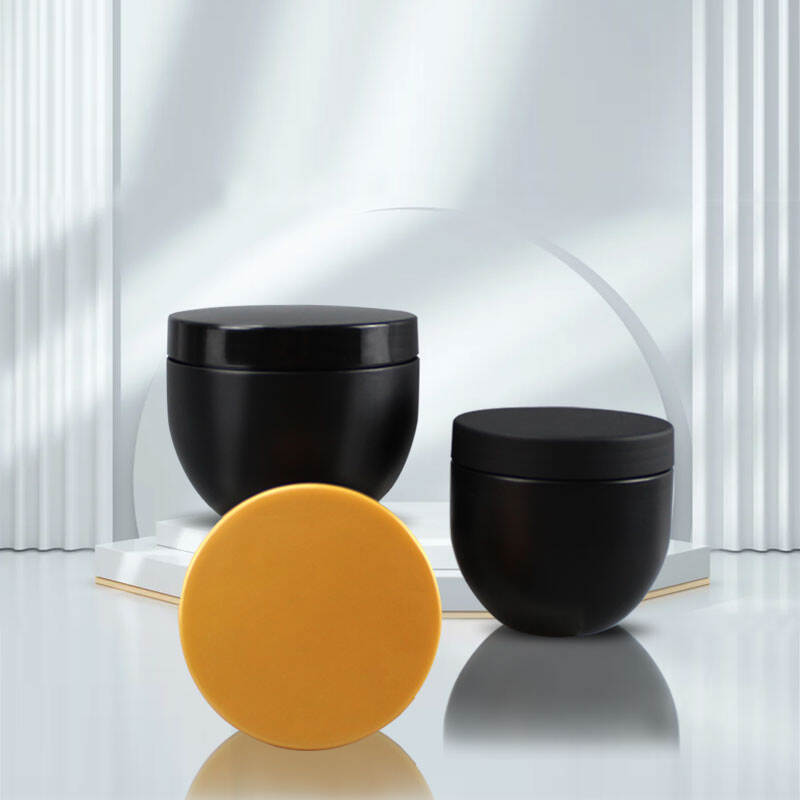
בנוף התחרותי של אריזות לקליניקת העור, העיצוב והפונקציונליות של בקבוק טונר פלסטי יכולים להשפיע באופן משמעותי על שביעות הרצון של הצרכנים ועל יעילות המוצר. אם כי تركיבי הטונר זוכים לתשומת לב רבה מצד המותגים והצרכנים כאחד, מערכת ההגשה – כלומר הבקבוק עצמו – ממלאת תפקיד חשוב באותה מידה בחווית הקליניקה היומיומית. בקבוק טונר פלסטי מעוצב היטב סוגר את הפער בין איכות המוצר לנוחות המשתמש, ומשפיע ישירות על דיוק השימוש, שימור המוצר והשביעות רצון הכוללת. הבנת התכונות הספציפיות אשר תורמות לנוחות השימוש עוזרת הן לצרכנים לבחור בצורה מושכלת בעת הקנייה והן למותגים לאופטם את פתרונות האריזה שלהם כדי להשיג את המרחב השווקי המרבי.
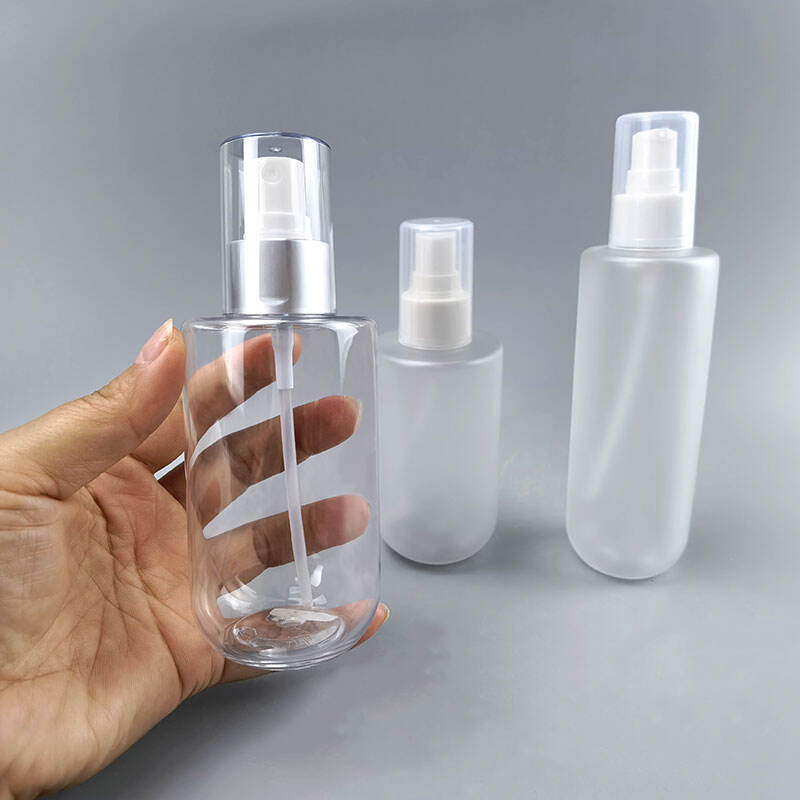
הנגישות למשתמש של בקבוק טונר פלסטי משתרעת מעבר ליופי החיצוני וכוללת עיצוב ארגונומי, דיוק בהוצאת התוכן, בטיחות החומר ועמידות عملية. אלמנטים אלו קובעים באיזו מידה הבקבוק הופך לחלק אינטגרלי וחלק מהשגרה היומית לטיפוח העור או למקור של תסכול יומי. מרגע שצרכן נוגע בבקבוק ועד לטיפה האחרונה של המוצר, כל נקודת מגע מהווה הזדמנות לעיצוב מחושב שמשפר את הנוחות לשימוש. מאמר זה בוחן את התכונות העיקריות המאפשרות להפוך בקבוק טונר פלסטי רגיל לכלי נגיש למשתמש, אשר תומך ביישום עקבי, יעיל ונעים של טיפול יומי בעור.
עיצוב ארגונומי ונוחיות בתפעול
צורת הבקבוק ואופטימיזציה של האחיזה
הצורה הפיזית של בקבוק טונר פלסטי משפיעה באופן מהותי על נוחות השימוש בו על ידי המשתמשים במהלך רוטינת הטיפול היומיית בעור. עיצובים ידידותיים למשתמש בדרך כלל כוללים פרופילים מעוצבים שמתאימים באופן טבעי לכף היד, מה שמאפשר תפעול בטוח באחת הידיים גם כאשר הידיים רטובות או חלקות מסוגרי טיפול בעור אחרים מוצרים . מחזק מכווץ קלות או חריצים עדינים לאורך גוף בקבוק הטונר הפלסטי מספקים נקודות מרקם שמשפרות את הביטחון בהחזקתו, במיוחד חשוב במהלך רוטינות הבוקר כאשר הקואורדינציה עשויה שלא להיות מלאה. הקוטר של גוף הבקבוק צריך לאזן בין היותו מספיק גדול כדי להרגיש יציב, לבין היותו צר מספיק כדי שיוכלו לתפוס אותו בנוח גם ידיים קטנות, ללא מאמץ.
מעבר לשקולות בסיסיות של אחיזה, התפלגות המשקל של בקבוק טונר פלסטי משפיעה באופן משמעותי על נוחות השימוש בו לאורך מחזור החיים של המוצר. בקבוקים מעוצבים היטב שומרים על התפלגות משקל מאוזנת בין אם הם מלאים ובין אם כמעט ריקים, ומניעים את הטייתם המביכה שتحدث כאשר מרכז הכובד משתנה באופן דרמטי עם הורדת כמות המוצר. בחירת החומר הפלסטי משפיעה על האיזון הזה, כאשר חומרים פלסטיים איכותיים יותר כגון PET או HDPE מספקים יציבות מבנית ללא משקל מיותר. סיום חיצוני מטושטש או מוטבע על בקבוק טונר פלסטי מעניק יתרונות נוספים באחיזה בהשוואה למשטחים חלקים לחלוטין, ופוחת את הסיכוי להחלקה, במיוחד בסביבות רטובות כמו.getBathrooms, שבהן ערבול יכול להתפתח על פני המשטח של הבקבוק.
יחסים של גודל והתאמה לאחסון
הפרופורציות הממדיות של בקבוק טונר מפלסטיק משפיעות ישירות על שילובו במערכות אחסון קיימות בחדרי אמבטיה ובתרחישי נסיעות. בקבוקים ידידותיים למשתמש כוללים בדרך כלל יחסי גובה-רוחב המונעים התהפכות קלה על משטחי עבודה, תוך שהם נשארים קומפקטיים מספיק כדי להתאים לארונות תרופות סטנדרטיים, מגירות איפור ומארגני קוסמטיקה. בקבוק טונר מפלסטיק בגודל של בין 150 מ"ל ל-250 מ"ל מציע בדרך כלל פרופורציות אופטימליות לשימוש יומיומי, ומספק קיבולת מספקת לכ-30-45 ימים של שימוש קבוע מבלי להפוך למסורבל. פרופילים קצרים ורחבים יותר נוטים להציע יציבות רבה יותר על משטחי אמבטיה שעשויים להיות לא אחידים, בעוד שעיצובים גבוהים ודקים יותר ממקסמים את יעילות האחסון האנכית בשטח משטח מוגבל.
התאימות לאחסון משתרעת גם לשקולות הנסיעה, כאשר בקבוק טונר פלסטי ידידותי למשתמש חייב לעמוד בעומסים של הובלה ללא דליפה או שבירת הבקבוק. בקבוקים בעלי כתפיים מרובעות או חתך ריבועי-מרובע נוטים להשתלב בצורה יעילה יותר בשקיות התיקונים בהשוואה לעיצובים גליליים טהורים, מה שממזער את השטח המבוזבז. הקוטר של הבסיס חייב להיות מספיק גדול כדי לספק עמידות יציבה על משטחים שאינם יציבים, כגון מדפים באסלה של מלון או שולחנות מקלחת באוטו-מטוס. בנוסף, יש לקחת בחשבון את הגבלות הנוזלים של הסוכנות לביטחון התעופה (TSA), מה שמעיד על כך שגרסאות נסיעות של בקבוק טונר פלסטי בגודל של כ-100 מ"ל מספקות המשכיות של חוויית המוצר בין ההקשר הביתי לבין ההקשר הנסיעתי, ומשפרות בכך את הנוחות הכוללת לנוסעים תכופים שמחזיקים ברoutines קבועות לטיפוח העור.
דיוק ובקרה של מנגנון הפעלה
תפקוד פקק הזריקה ואיכות הזרם
מנגנון הפעלת ההזרקה מייצג אולי את התכונה החשובה ביותר שקובעת את הנוחות לשימוש של בקבוק טונר פלסטי שנועד להזרקה. פקק ספראי באיכות גבוהה ממיר את תהליך הפעלת הטונר מתהליך שפיכה פוטנציאלי המוביל לבזבוז לתהליך משליטה יעיל שמעביר את המוצר באופן אחיד על העור הפנים. ספראים מהסוג המהדרין ביותר מייצרים טיפות בגודל 30–80 מיקרון, ויוצרים אפקט של ענן בהזרקה, שמרגיש רענן ונספג במהירות ללא זרימה או טפטוף. רמת האטומיזציה הזו מבטיחה שכל לחיצה על הפקק בקבוק טונר פלסטיק מספקת כיסוי אחיד ללא צורך בהפרשה ידנית, ובכך מקצרצנת משמעותית את זמן הפעולה במהלך rutines הבוקר העמוסות.
האמינות המכנית של מנגנון הזריקה משפיעה ישירות על שביעות הרצון האורכת של המשתמש מהבקבוקון הפלסטי לטונר. מערכות זריקה מתקדמות כוללות רכיבי שסתום מרובה-רכיבים עם מתיחות קפיץ ממויינת במדויק, אשר שומרת על דפוסי זריקה עקביים מהשימוש הראשון ועד ליצוא מלא של המוצר. מנגנונים מעוצבים לקויים יוצרים לעיתים קרובות דפוסי זריקה לא סדירים, נסתמים לאחר שימוש חלקי, או דורשים לחץ אצבעי מופרז שגורם לעייפות היד במהלך ההפעלה. בקבוקון פלסטי לטונר בעל נוחות משתמש יש כפתור זריקה עם שטח פנים ארגונומי — בדרך כלל קוטר של 12–15 מ"מ — אשר מפזר את כוח ההפעלה באופן נוח לאורך קצה האצבע. כוח ההפעלה עצמו צריך להיות בטווח של 3–5 פאונד, מספיק גבוה כדי למנוע פליטה אקראית, אך קל מספיק כדי לאפשר דחיפה חוזרת ונשנית ללא מאמץ במהלך יישומים הדורשים מספר זריקות.
אפשרויות חלופיות להפקה והגמישות
למרות שמערכת הזרקה בערפל היא שיטת ההפעלה הפופולרית ביותר, עיצובי בקבוקי טונר מפלסטיק שידידותיים למשתמש לרוב תומכים בהעדפות ייחודיות של הלקוחות באמצעות כובעים ניתנים להחלפה או בעלי שתי פונקציות. חלק מהצרכנים מעדיפים ליישם את הטונר ישירות על גבי גושי כותנה, במיוחד כאשר משתמשים בטונרים מקלחים שמכילים רכיבים פעילים שמתפקדים טוב יותר דרך יישום מכני. בקבוק טונר מפלסטיק עם כובע דיסק-טופ (Disc-top) או עם מנגנון זריקה נפתח-ננעל (Flip-top) מספק שחרור מבוקר של הנוזל, המונע רוויה יתרה של גושי היישום ומזער את החשיפה לאויר בין השימושים. שיטות ההפעלה החלופיות הללו מוכיחות את ערכן במיוחד במצבים של נסיעות, שבהן מערכות הזרקה עשויות לתקול עקב שינויים בלחץ הקבינה במהלך טיסות או כאשר חשוב לשמור על בקרת מדויקת של המינון עבור تركיזיות יקרות של טונרים.
המעבר בין מצבי הפעלה של ההזרקה אמור לדרוש מאמץ מינימלי ולשמור על איטום מלא מפני דליפות, ללא קשר לקונפיגורציה שנבחרה. עיצובי החריצים על בקבוק טונר פלסטי שמקבלים סוגי כיסויים מרובים כוללים בדרך כלל לפחות 2.5 סיבובים של חריצים כדי להבטיח סגירה אמינה ולמנוע חיבור לא תקין של החריצים במהלך רצינות הבוקר. הקוטר הפנימי ומרווח החריצים חייבים לשמור על תאימות עם גודלי הכיסויים הסטנדרטיים, כך שהמשתמשים יוכלו להחליף מנגנוני הזרקה אבודים או פגומים מבלי שיהיה צורך להחליף את הבקבוק כולו. התחלופה הזו של רכיבים מאריכה את תקופת השימוש הפעילה של בקבוק טונר פלסטי, ובו זמנית מספקת למשתמשים גמישות להתאים את שיטת היישום שלהם בהתאם להתפתחות הליך הטיפול בעור או בהתאם להעדפות שמתגלות דרך החוויה.
איכות החומר ושימור המוצר
הרכב הפלסטי והתאימות הכימית
הרכב הכבלי של הפלסטיק המשמש בבניית בקבוקי טונר משפיע באופן קריטי הן על יציבות המוצר והן על בטיחות המשתמש לאורך מחזור חייו של המוצר. עיצובים ידידותיים למשתמש משתמשים בפלסטיק מסוג PET (פוליאתילן טרפתאלט) או HDPE (פוליאתילן בצפיפות גבוהה) שנבחרו במיוחד בשל חוסר הפעילות הכימית שלהם עם רכיבי טונר נפוצים, כולל חומצות, אלכוהולים ותמצית צמחיים. בקבוק טונר איכותי מפלסטיק אינו מפגין שחרור של פלסטייזרים, מיצבים או תוספים אחרים לתוך تركيبת הטונר גם לאחר תקופות אחסון ממושכות העולמות את תקופת המינון הסטנדרטית של המוצר. יציבות כימית זו הופכת חשובה במיוחד לטונרים שמכילים רכיבים פעילים כגון ויטמין C, נגזרות רטינול או חומצות אחה (AHAs), אשר עלולים להתדרדר כאשר הם באים במגע עם חומרים ריאקטיביים של הקונטיינר.
מעבר לتوافق הכימי, בחר החומר הפלסטי משפיע על תכונות המחסום המגינים על تركيبות הדיו מפני התדרנות הסביבתית. בקבוק פלסטי מוצק לדיו מספק מאפייני מחסום חמצן מתאימים שמזערים את החשיפה לחמצון של רכיבים רגישים, אם כי לא באותה מידה כמו אלטרנטיבות זכוכית. עובי הקיר של קבוק הדיו הפלסטי — בדרך כלל בין 0.8 מ"מ ל-1.5 מ"מ לגודלים הסטנדרטיים — מאוזן בין יעילות החומר לבין שלמות המבנית ובין ביצועי המחסום. קירות עבים יותר מספקים הגנה טובה יותר, אך מגבירים את עלות החומר ואת הרגל האקולוגית, בעוד שבנייה דקה מדי עלולה להוביל לפגיעות ניקוב ולחשיפה מואצת לחמצן ולרטיבות. האיזון האופטימלי תלוי בתכונות הספציפיות של تركיבת הדיו ובעריכת תוחלת החיים של המוצר.
הגנה מפני קרינה فوق סגולה וניהול רגישות לאור
רבים מתערובות הטרנר מכילים רכיבים פוטו-רגישים שמתדרדרים במהירות כאשר הם מוגשים לאור אולטרה סגול, מה שהופך את הגנת האולטרה סגול לתכונה קריטית בעיצוב בקבוקי טרנר מפלסטיק ידידותיים למשתמש. תערובות פלסטיק מעושנות או אטומות חוסמות באופן יעיל הן את אור ה-UVA והן את אור ה-UVB שמייצרים תגובות פוטו-הידרדרות ברכיבים כגון ויטמין C, ניאצינאמיד ומגוון חומרים צמחיים. בקבוק טרנר מפלסטיק המשתמש ב-PET מעושן מספק בדרך כלל חסימה של 80–95% מאור האולטרה סגול, מה שמאריך משמעותית את תקופת הפעולה האקטיבית של התערובות הפוטו-רגישיות בהשוואה לאפשרויות אריזה שקופות. הסיום המעושן מספק גם את היתרונות הנוספים של החשיפה על כל שינוי צבע קל שעלול להתרחש בתערובות הטרנר לאורך זמן, תוך שמירה על המראה האסתטי לאורך תקופת השימוש במוצר.
רמת החשיפה לאור בקבוק טונר פלסטי חייבת לשלב בין הגנה על המוצר מאור לבין הדרישה הפרקטית של המשתמשים לעקוב אחר כמות המוצר הנותר. קבוקים לחלוטין אטומים מספקים את המינימום האופטימלי להגנה, אך מונעים הערכה ויזואלית של רמת המוצר, מה שעלול להוביל ליצירת מחסור בלתי צפוי במוצר באמצע הטיפול. עיצובים מעובשים שקופים-למחצה מציעים פתרון תמציתי, המאפשר למשתמשים לראות את רמת המילוי التقريبית כאשר הם מחזיקים את הקבוק הפלסטי מול מקורות אור, תוך שמירה על הגנה משמעותית מפני קרינה فوق סגולה בתנאי אחסון רגילים. חלק מעיצובים מתקדמים כוללים פסי שקיפות אנכיים קטנים או חלונות שמאפשרים תצוגה מדויקת של רמת המוצר ללא פגיעה באפיון ההגנה מפני קרינה فوق סגולה של הקבוק, אם כי תכונות אלו מוסיפות מורכבות וייקרו את ייצור הקבוק.
תכונות היגיינה והגנה מפני זיהום
מערכות חסרות אוויר ומערבות מינימום אוויר
מניעת זיהום מהווה היבט קריטי, אך לעתים קרובות מוזנח, של תכנון בקבוקי טונר פלסטיים ידידותיים למשתמש, במיוחד עבור تركيبות ללא מערכות שימור חזקות. בכל פעם שבקבוק מסורתי נפתח, אוויר הסביבה מכניס זיהומים אפשריים של חיידקים ופטריות, וכן חמצן אטמוספרי המאكسד. תכנונים מתקדמים של בקבוקי טונר פלסטי כוללים מנגנונים שממזערים או מאפסים את החשיפה לאוויר במהלך מחזורי השימוש הרגילים. בקבוקים עם כיסוי ספריי מספקים באופן טבעי הגנה טובה יותר מפני זיהום בהשוואה לעיצובים פתוחים להשפכה, מאחר שהטונר לעולם אינו בא במגע ישיר עם משטחים חיצוניים או כלים שעלולים להכניס מיקרואורגניזמים. הנתיב הסגור להוצאת המוצר מתוך בקבוק פלסטי מתוכנן היטב מונע מגע של האצבעות, גולמי כותנה או כלים אחרים ליישום עם מלאית הטונר.
חלק מהעיצובים המתקדמים של בקבוקי טונר מפלסטיק משתמשים בטכנולוגיית משאבה ללא אוויר, אשר מבודדת לחלוטין את המוצר מהחשיפה לאטמוספירה לאורך כל תקופת השימוש. מערכות אלו משתמשות בפיסטים פנימיים או בתאים פנימיים נatables שמייצרים לחץ חיובי קבוע, ומשחררות את המוצר ללא חדירה של אוויר חזרה לתוך הבקבוק. אם כי מערכות ללא אוויר מגבירות את העלות והמורכבות של בקבוקי טונר מפלסטיק, הן מאריכות באופן דרמטי את תקופת החידוש של המוצר ומפחיתות את הצרכים במרחיבים, במיוחד חשוב עבור تركובות טונר טבעיות או אורגניות עם הגנה אנטי-מיקרוביאלית מוגבלת. השימור המועצם מסביר לעתים קרובות את העלות הנוספת עבור קווי מוצרים מתקדמים, שבהם שלמות המרכיבים משפיעה ישירות על היעילות ומצדיקה מחירי קמעונאות גבוהים יותר.
נגישות לניקוי ופשטות בשימור
הנקיון לטווח הארוך תלוי לא רק בעיצוב הראשוני אלא גם בקלות שבה המשתמשים יכולים לשמור על ניקיון לאורך מחזור החיים של המוצר. בקבוק טונר פלסטי ידידותי למשתמש מאפיין משטחים חלקים בפנים ללא גאומטריות מורכבות שבהן שאריות מוצר יכולות להצטבר וליצור סיכון לצמיחת מיקרואורגניזמים. פתחים רחבים, כאשר הם תואמים לעיצוב מערכת ההזרקה, מאפשרים שטיפה מקיפה למשתמשים שרוצים להשתמש מחדש בקבוקים לאחר שאוזל מהם המוצר. לעיצוב החיצוני של קבוק טונר פלסטי יש להימנע מחריצים עמוקים, פינות חדים או אזורים מוטבעים שיכולים ללכוד אבק, שאריות איפור או זיהום מהאמבטיה שמתגבש במהלך אחסון טיפוסי על שולחן.
היכולת להסיר ולנקות את רכיבי המזרק משפיעה באופן משמעותי על אפשרות התיקון של בקבוק טונר פלסטי. מנגנוני ספירה עם אסימבל פיות ניתנים להסרה מאפשרים למשתמשים לשטוף תקופתית את הנתיב המוזרק, ומניעים הצטברות של המוצר שגורמת לדרדרות דפוס הספירה או לסגירה מוחלטת של הפה. עם זאת, תהליך הפירוק חייב להיות אינטואיטיבי מספיק כדי שצרכנים ממוצעים יוכלו לבצע אותו ללא כלים או הוראות מורכבות, אך גם יציב מספיק כדי למנוע הפרדה אקראית במהלך הטיפול הרגיל. בקבוק טונר פלסטי בעל עיצוב טוב משיג איזון זה באמצעות מנגנוני נעילה מסוג קליפ או חיבורים מסוג ביונט מסובבים ברבע סיבוב, אשר מספקים משוב חישתי ברור בעת פעולות ההרכבה והפירוק.
בהירות חזותית והנחיות לשימוש
הצגת רמת המוצר ומעקב אחר השימוש
היכולת להעריך במהירות את הכמות הנותרת של המוצר ללא צורך בפתיחת או שיקול בקבוק טונר פלסטי מגבירה את הנוחות היומית ומונעת ניצול לא צפוי של המוצר במהלך ריטואלים לטיפוח העור. אזורים שקופים או חצי שקופים בעיצובי קבוקי טונר פלסטיים, אשר בדרך כלל מעוצבים כחצאי שקופים או אטומים, מספקים הערכה מיידית של רמת המילוי, ומאפשרים למשתמשים להזמין מראש מוצרים חלופיים לפני שהמוצר נגמר לחלוטין. סרטים אנכיים למדידת הכמות או חלונות מיקומיים לאורך צד הקבוק מספקים מדידה מדויקת יותר של הכמות לעומת שקיפות כללית של הקבוק, ועוזרים למשתמשים לקבוע דפוסי שימוש עקביים ולשפר את ההבנה שלהם ביחס לקצב ניצול המוצר לעומת תדירות השימוש בו ונפח האפליקציה.
עיצובים מתקדמים של בקבוקי טונר פלסטי כוללים סימוני נפח מדורגים, המוטבעים או המדפוסים לאורך גוף הבקבוק, מה שהופך את היבש למכשיר מדידה שעוזר למשתמשים לסנן כמויות יישום כדי להשיג תוצאות עקביות. סימונים אלו הם חשובים במיוחד לטונרים הדורשים דוזה מסוימת או בעת ערבוב מספר מוצרים ביחסים מדויקים. קביעות סימוני הנפח תלויה בשיטת היישום — סימונים מוטבעים או מיוצרים ישארו קריאים לאורך מחזור חייו של המוצר, בעוד שסימונים מודפסים עלולים להיעלם עם טיפול חוזר, אלא אם הם מוגנים דיו UV-יציב וציפוי עמיד לבלאי. בקבוק פלסטי ידידותי למשתמש מאזן בין נראות הסימונים לשקולות אסתטיות, ומבטיח שהמידע הפונקציונלי יישאר דיסקרטי אך נגיש כשנדרש.
בהירות התוויות והצגת המידע החיוני
ארכיטקטורת המידע המוצגת על בקבוק טונר פלסטי משפיעה ישירות על אמון המשתמש ובשימוש הנכון במוצר. פרטים חיוניים כגון רשימת הרכיבים, הוראות שימוש, תאריכי פג תוקף וקודים של מגרעות חייבים להישאר קריאים לאורך כל מחזור החיים של המוצר, גם בהתחשב בהumidity של האמבטיה, בחשיפה לשימוש ידני ובלחיצה. יצירת קשר עיצובי בקבוקי טונר פלסטיים שמתאימים למשתמש מקצים שטח מספק על התווית כדי להציג את המידע הזה בגודל גופנים קריא — בדרך כלל לפחות גודל 6 נקודות לפרטים רגולטוריים ו-8–10 נקודות להוראות השימוש — מבלי ליצור ערבוב חזותי שיעמיס על הצרכנים. שיטת הצבעת התווית חייבת להיות עמידה בפני חדירת לחות שגורמת להתרוממות קצות התווית ולבטלת הדבק, תופעה נפוצה בסביבות אמבטיות לחות.
היררכיה אסטרטגית של מידע על בקבוק טונר פלסטי עוזרת למשתמשים לאתר במהרה פרטים בעלי רלוונטיות זמנית במהלך סדרי הבוקר הממהרים. מידע קריטי כגון שם המוצר, היתרונות העיקריים והוראות השימוש חייבים להימצא באזורים החזותיים הראשיים שנותרים נראים גם כאשר הבקבוק נמצא במיקום אחסון טיפוסי. פרטים משניים, כולל רשימת הרכיבים המלאה ומידע רגולטורי, יכולים להופיע על משטחים פחות בולטים, אשר נגלים רק כשמזדמן צורך בהתייחסות אליהם. טכניקות הדפסה ישירה או תגיות מודפסות בתוך התבנית (in-mold labeling) מספקות לרוב עמידות טובה יותר בהשוואה לתוויות דביקות, אם כי עלות הייצור שלהן גבוהה יותר. למוצרים פרמיומים, עיצוב התווית עצמו הופך להרחבה של זהות המותג תוך שמירה על הפונקציונליות האינפורמטיבית שלה; חיזוקים של עלים מתכתיים (foil), חריטה (embossing) או גימורים מיוחדים מעניקים תחושת ערך גבוה יותר, מבלי לפגוע ברורה של ההעברה האינפורמטיבית החיונית על בקבוק הטונר הפלסטי.
שאלה נפוצה
איך משפיע מנגנון הזריקה בבקבוק טונר פלסטי על יעילות השימוש במוצר?
מנגנון הזריקה בקבוק טונר פלסטי קובע באופן ישיר כמה מוצר מופרש בכל לחיצה וכמה הוא מתפזר באופן אחיד על העור הפנים. מזרקים איכותיים מייצרים טיפתים עדינות יותר שמכסים שטח פנים גדול יותר בכמות קטנה יותר של מוצר, מה שמשפר את היעילות על ידי הפחתת בזבוז ומבטיח יישום אחיד. מנגנון זריקה מכויל היטב מפיץ כ-0.12–0.15 מ"ל בכל לחיצה, כלומר בקבוק טונר פלסטי בנפח 200 מ"ל מספק כ-1,300–1,600 יישומים. מנגנונים באיכות נמוכה עלולים לפרק כמויות לא אחידות, לזרוק בעצבות מרוכזות במקום באדים, או לסתום באמצע תקופת חיי המוצר — כל אלה מפחיתים את היעילות ואת שביעות רצון המשתמש. גם זווית הזריקה חשובה: עיצוב אופטימלי מייצר דפוס חרוט בזווית של 60–80 מעלות שמכסה את הפנים בשלמותן תוך 3–4 לחיצות ממרחק מתאים.
האם ניתן למלא מחדש בקבוק טונר פלסטי, והאם זה משפיע על הנוחות לשימוש?
למרות שרוב בקבוקי טונר פלסטיים ניתנים טכנית למילוי מחדש, תהליך זה מעורר שיקולים פרקטיים ובטחוניים. המילוי מחדש מאריך את תקופת השימוש הפעילה של הבקבוק ומפחית את כמות הפסולת הפלסטית, מה שמתאים ליעדי הקיימות. עם זאת, רמת הנוחות של המילוי מחדש תלויה בעיצוב הפתיחה של הבקבוק — פתח רחב מאפשר מילוי מחדש קל עם מינימום נסיגות, בעוד שצוואר צר שנועד באופן ייחודי למכניזמים של ספראי עלול לדרוש שימוש במחסום או במזרק כדי לאפשר מילוי מחדש מוצלח. הדאגה העיקרית קשורה לסיכון לזיהום, מאחר שהכנסת מוצר חדש למכיל שבו נשארו שאריות של המוצר הישן או ניקוי בלתי מספק עלול לעודד צמיחה של מיקרואורגניזמים. בנוסף, מכניזם הספראי בקבוק טונר פלסטי נ wears בהדרגה עם השימוש, וביצועיו עלולים להידרדר לפני שאובדן האטמיות או הפגיעה הפיזית בבקבוק, מה שעלול להשפיע על איכות ההשתחררות במקרי מילוי מחדש.
אילו גודל נפח של בקבוק טונר פלסטי מתאים ביותר לסדרות יומיות לטיפוח העור?
הנפח האופטימלי של בקבוק טונר פלסטי לתחזוקת העור היומית תלוי בתבניות השימוש האישיות, אך גודלים של 150 מ״ל–250 מ״ל מציעים את האיזון הטוב ביותר בין נוחות ליישומיות עבור רוב המשתמשים. טווח הנפחים הזה מספק בדרך כלל 30–60 ימים של יישום קבוע פעמיים ביום, ותואם היטב את מחזור הקנייה הסטנדרטי ומבטיח שהמוצר ישאר טרי לפני תאריך הפקעא. בקבוקים קטנים יותר, בגודל כ-100 מ״ל, מתאימים במיוחד לנסיעות או לבדיקת מוצרים חדשים לפני קנייה של גודלים גדולים יותר, בעוד שבקבוקים שגודלם עולה על 300 מ״ל עלולים להיות מסובכים בהחזקתם ולסכן את התדרדרות המוצר לפני שהשימוש בו יושלם, במיוחד במקרים של تركيبות ללא שמר חזק. הנפח חייב גם לקחת בחשבון את מקום האחסון – בקבוק טונר פלסטי גדול מדי עלול שלא להיכנס בנוח לתיבות רפואה או לארגוניזרים לשירותים, מה שמפחית את ידידותיות המשתמש שלו למרות היתרונות התיאורטיים שלו מבחינת יעילות.
מהי החשיבות של שקיפות החומר של בקבוק טונר פלסטי ליציבות הרכיבים?
השקיפות החומרית משפיעה באופן משמעותי על היציבות של הרכיבים בקנקן טונר פלסטי, במיוחד עבור تركובות שכוללות חומרים פעילים רגישים לאור. קנקנים שקופים לחלוטין מאפשרים חדירה מלאה של הספקטרום האורני, מה שיכול לפגוע במהירות ברכיבים כגון ויטמין C, רטינואידים ותמצית צמחיות מסוימות, ועשוי להפחית את יעילות המוצר ב-30–50% במהלך חודשים אחדים של אחסון טיפוסי באסלה עם חשיפה לאור סביבתי. קנקנים פלסטיים לטונר מטושטשים או אטומים חוסמים 80–95% מאור ה-UV המזיק, ומכאן מאריכים באופן משמעותי את היציבות של הרכיבים הפעילים. עם זאת, אטימות מוחלטת מסירה לחלוטין את האפשרות לנתח ויזואלית את כמות המוצר הנותרת, ויוצרת סחף בין הגנה ונוחות. הפתרון האידיאלי כולל עיצובים מטושטשים שקופים חלקית, שמספקים הגנה משמעותית מפני האור אך עדיין מאפשרים למשתמשים לאמוד את הכמות הנותרה של המוצר כאשר הקנקן מוצב מול מקור אור, ובכך מאוזנים בין שימור הרכיבים לבין נוחות השימוש הפרקטית לאורך מחזור החיים המלא של המוצר.