
 EN
EN
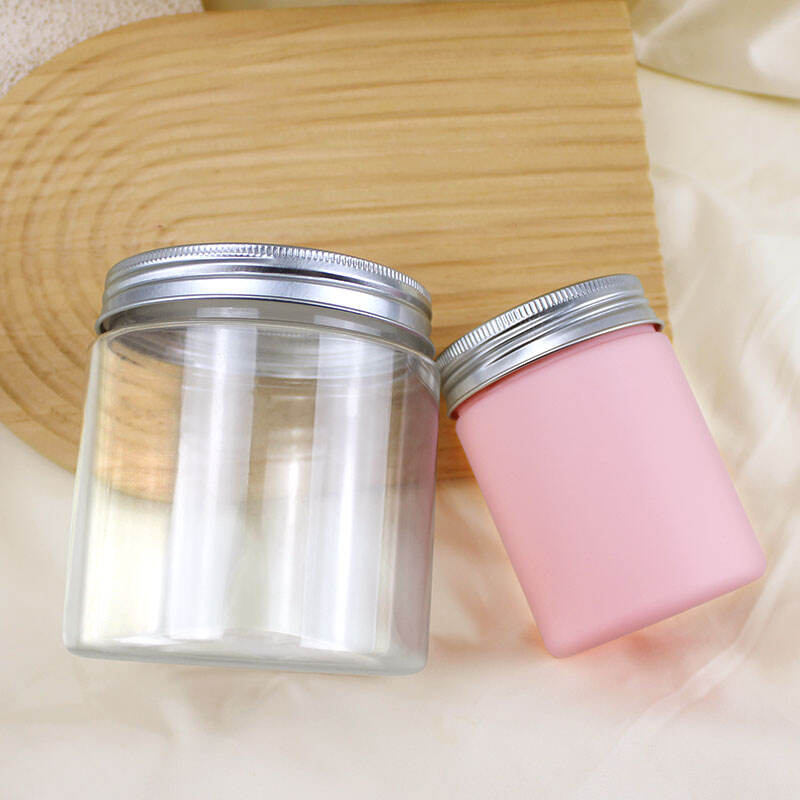
חשיפה לאור יכולה לפגוע באופן משמעותי בפוטנציה ובבטיחות של תרופות פארמה, מה שהופך את בחירת מיכל האחסון המתאים לגורם קריטי לשמירה על יעילות התרופה. בעת הערכת אפשרויות אחסון לתרופות רגישות לאור, הבחירה בין בקבוקי פלסטיק צבעוניים (אמבר) לכדורים לבין מיכלים לבנים היא יותר מאשר העדפה אסתטית – היא משפיעה ישירות על יציבות התרופה, על בטיחות המטופל ועל התוצאות הטיפוליות. הצבע האמבר במיכלי הפלסטיק הפארמה מהווה מחסום מגן מובנה נגד אור אולטרה סגול ונגד אור נראה, שיכולים להפעיל תגובות פוטו-פירוק בתרכובות תרופתיות רגישות.
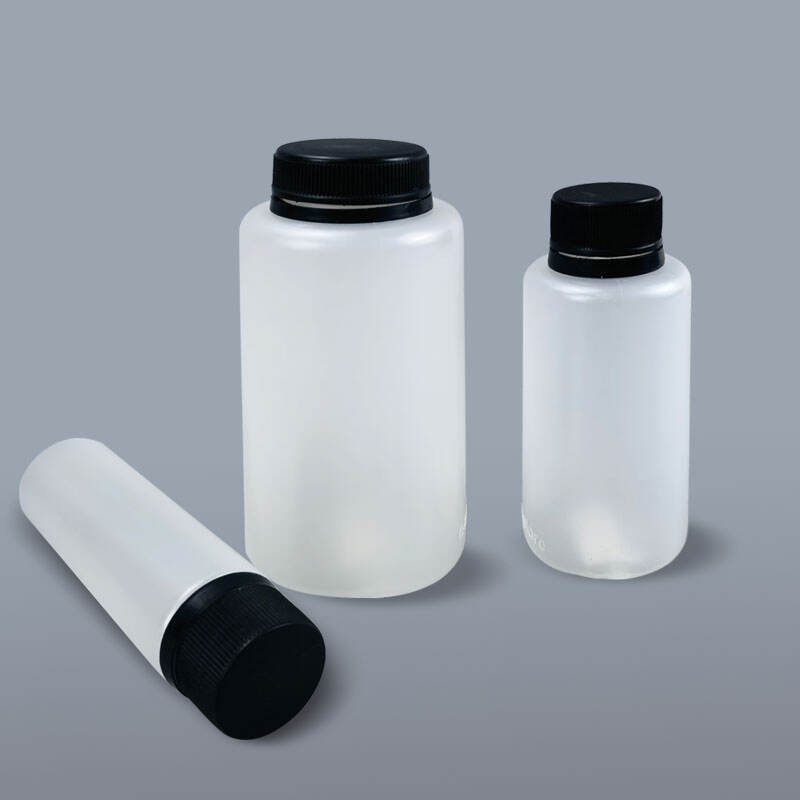
היתרון של בקבוקי פלסטיק צבעוניים בצבע עמיד (אמבר) על פני מיכלים לבנים לתרופה הרגישות לאור נובע מהיכולת שלהם לסנן כ-90–95% מאור האולטרה סגול, וכן חלקים גדולים מספקטרום האור הנראה, במיוחד בטווחים הכחולים והסגולים, שבהם תופעת הפוטו-פירוק מתרחשת בדרך כלל. בעוד שמיכלים פלסטיים לבנים מספקים נראות מעולה לזיהוי גלולות ולניהול מלאי, הם מספקים הגנה מינימלית מפני פירוק כימי המושרה באור, ולכן אינם מתאימים לתרופות הרגישות לפוטו-איזומריזציה, חמצון או מסלולי פירוק אחרים שמתווכים על ידי אור, אשר עלולים להפחית את היעילות הטיפולית או ליצור תוצרים לוואי מזיקים.
מנגנוני הגנת האור באריזות פרמצבטיות
סיכונים של פוטו-פירוק בתרופות נפוצות
מספר רב של תרכובות פרמצבטיות מפגינות דרגות שונות של רגישות לאור, וחלק מהתרופות נחשלות במהירות כאשר הן חשופות לתנאי האור הסביבתיים. אנטיביוטיקה כגון טטרציקלינים, פלורוקינולונים וסולפונאמידים הם במיוחד רגישים לשבירה המושרית באור, ולעיתים קרובות מאבדים את עוצמתם תוך שעות ספורות לאחר החשיפה לאלומת UV. תרופות לב-ריאות כגון ניפדיפין ואמולודיפין עלולות לעבור תגובות פוטואיזומריזציה שמביאות לא רק להפחתת הפעילות הטיפולית אלא גם ליצירת מטבוליטים רעילים שעלולים ליצור סיכונים בטיחותיים לחולים.
תרופות פסיכיאטריות, ובמיוחד פנוטיאזינים ואנטידепרסנטים טריציקליים, מפגינות פוטו־ליביליות משמעותית שדורשת התחשבות זהירה באחסון. כאשר תרופות אלו מאוחסנות בקופסאות שקופות או לבנות, חשיפה לאור פלואורסצנטי, לאור השמש ואף לאור פנים רגיל עלולה להפעיל שינויים כימיים המשנים את הביודיספונביליות ואת התכונות הפארמקוקינטיות. השימוש בבקבוקי פלסטיק צבעוניים (אמבר) לגלולות מספק הגנה חיונית מפני מסלולי ההתדרדרות הללו, ומשמר את שלמות התרופה לאורך תקופת האחסון, ומבטיח תוצאות טיפוליות עקביות עבור המטופלים.
טכנולוגיית סינון אמבר ובליעה של אורכי גל
הצביעה החומה בקופסאות תרופות נובעת מחומרים מוספים ספציפיים ותהליכי ייצור שמייצרים תכונות סלקטיביות של ספיגת אור בטווחי אורך הגל הקריטיים. רוב בקבוקי הפלסטיק החומים לגלולות חוסמים ביעילות את הקרינה האולטרה סגולה בטווח 280–400 ננומטר, אשר מהווה את החלק המזיק ביותר בספקטרום האור עבור תרכובות תרופתיות. בנוסף, קיבועים אלו מספקים הגנה משמעותית נגד אור נראה באורכי גל מתחת ל-500 ננומטר, כולל האור הכחול והסגול בעל האנרגיה הגבוהה שיכול להפעיל תגובות פוטוכימיות בתרופה רגישה.
המבנה המולקולרי של חומרים פלסטיים בצבע עצי-עֶשֶׁב כולל כרומופורים שסופגים תדרי אור מסוימים, תוך כדי הפעלת אורך גל ארוך יותר לחדור דרך החומר עם הפרעה מינימלית. מנגנון הסינון הבחירה הזה מבטיח שבקבוקי התרופה הפלסטיים בצבע עצי-עֶשֶׁב יש שקיפות מספקת לזיהוי התרופה, תוך חסימה של הקרינה המזיקה שעלולה לפגוע ביציבות התרופה. יעילות ההגנה הזו נותרת קבועה לאורך כל חיי המיכל, בניגוד לשיטות הגנה מבוססות שכבת סילוק שעשויות להידלדל עם הזמן עקב טיפול וחשיפה לסביבה.
ניתוח ביצועים השוואתי: מיכלים בצבע עצי-עֶשֶׁב לעומת מיכלים לבנים
תוצאות בדיקות יציבות לאור
מחקרים מעבדתיים מבוקרים מראים באופן עקבי את היכולות המוגנות העליונות של בקבוקי פלסטיק צבעוניים (אמבר) בהשוואה לבקבוקים לבנים באחסון תרופות רגישות לאור. במבחני זיקנה מאיצים המשתמשים במקורות אור בעלי עוצמה גבוהה, תרופות המאוחסנות בקבוקים אמבֶר שומרים בדרך כלל על 95–98% מהפוטנציאל התרפואתי המקורי שלהן לאחר תקופות חשיפה ממושכות, בעוד שהפורמולציות אותן יש לה בקבוקים לבנים עלולות לאבד 20–40% מהפעילות התרפואטית שלהן בתנאים זהים. ההבדלים הללו מתעצמים עוד יותר כאשר המבחנים עוסקים בתרופות הידועות כרגישות לאור (פוטו-לאביליות).
מחקרים על יציבות במציאות שנערכו בסביבות פרמקייות מראים מגמות דומות, כאשר בקבוקי פלסטיק צבעוניים (אמבר) לגלולות מספקים הגנה מדידה נגד התדרדרות שגרמה לתאורת ניאון, תאורת LED וחשיפה לאור שמש עקיף. תרופות שמאוחסנות במיכלים לבנים לעתים קרובות מפגינות שינויים צבעוניים גלויים, המצביעים על פירוק כימי, בעוד אלו שמאוחסנות במיכלים אמבֶרים שומרים על מראה המקורי והרכב הכימי שלהם לתקופות משמעותית ארוכות יותר. הגנה זו מתורגמת ישירות לייעילות משופרת של התרופה ולפחת בזבוז עקב תפוגה או התדרדרות של מוצרים פרמקאוטיים. מוצרים .
ניתוח עלות-תועלת עבור ספקי שירותי בריאות
בעוד שבקבוקי פלסטיק צהובים לגלולות בדרך כלל יקרים ב-10–15% יותר מבקבוקי פלסטיק לבנים שווים להם, ההשקעה הזו מביאה תמורה משמעותית באמצעות הפחתת בזבוז התרופה, שיפור תוצאות הטיפול chez המטופלים והפחתת החשיפה לתביעות אזרחיות. מוסדות בריאות שעוברים להשתמש בקבוקי פלסטיק צהובים לתרופות רגישות לאור דיווחים לעיתים קרובות על הפחתה משמעותית בעלויות החלפת התרופה ופחות תלונות מצד המטופלים בנוגע לייעול התרופה. הארכת תקופת התוקף של התרופה, שמאפשרת הגנה מתאימה מפני אור, מאפשרת גם ניהול מלאי יעיל יותר ואסטרטגיות רכישת כמויות גדולות.
הטבות ההתאמה التنظימית של השימוש ב בקבוקי פלסטיק צהובים לגלולות לתרפיות פוטו-רגישות מספקים ערך נוסף באמצעות הפחתת סיכונים בבדיקות ותיעוד שיפור באיכות התרופות. גופי רגולציה רבים דורשים כיום במפורש אריזות המגינות על האור למספר קטגוריות של תרופות, מה שהופך את הבקבוקים הצהובים לא רק למתודולוגיה מומלצת אלא לדרישה חובה להתקשרות. התאמה זו לרגולציה עוזרת לספקים בתחום הבריאות לשמור על הסטנדרטים לאישור והרשאה תוך כדי הגשת טיפול אופטימלי לחולים דרך פרוטוקולי אחסון תרופות מתאימים.
יישומים קליניים וקטגוריות תרופות
סיווגי תרופות פוטו-רגישות
תעשיית התרופות זיהתה מחלקות רבות של תרופות שדורשות הגנה מפני אור כדי לשמור על יציבותן ופרופילים הבטיחותיים שלהן. טיפולים להחלפת הורמונים, כולל תוספי אסטרוגן וטסטוסטרון, הם במיוחד רגישים לפוריות האור, אשר עלולה לשנות את המבנה המולקולרי שלהם ולפגוע בייעילות הטיפולית שלהם. תרופות אלו נהנות במידה רבה מאחסון בקופסאות פלסטיק צבעוניות (אמבר) לכדורים, אשר שומרות על הפעילות ההורמונלית ומונעות את היווצרותם של מוצרים פגומים פוטנציאליים שעלולים לגרום לתגובות לוואי chez חולים.
ויטמינים ותוספי תזונה מייצגים קטגוריה נוספת שבה הגנה באמצעות מיכלים אמברית הינה חיונית לשמירה על הפוטנציאל והערך התזונתי. ויטמינים מסיסי שומן כגון ויטמין A, D, E ו-K עלולים לפגוע באופן משמעותי כאשר הם נחשפים לאור, לאבד את תכונותיהם המועילות ואף ליצור תרכובות שעלולות להפריע לספיגה או לקצב החילוף החומרי. ויטמינים מסיסי מים, ובמיוחד ריבופלבין וחומצה פולית, גם הם מציגים רגישות לאור, מה שדורש אחסון זהיר במיכלים המגינים מאור כדי להבטיח את יעילות התוספים.
תחומי טיפול متخصصים
תרופות אונקולוגיות מציגות אתגרים ייחודיים לאחסון פרמצבטי בשל המבנה המולקולרי המורכב שלהן והרגישות הגבוהה לגורמים סביבתיים, כולל חשיפה לאור. רבים מסוכני הKEMIOTERAPIA וтерפיות מכוונות לסרטן עלולים לאבד את יעילותם או לפתח תכונות רעילות כאשר מאוחסנים באופן לא תקין, מה שהופך את בקבוקי הפלסטיק הצהובים לרכיב קריטי בפרוטוקולי טיפול בסרטן בטוחים. ההגנה שמספקים הקונטיינרים הצהובים עוזרת להבטיח שתרופות חיות אלו שומרות על התכונות הטיפוליות המיועדות שלהן לאורך תקופת הטיפול.
תרכובות פדיאטריות וגריאטריות דורשות לעיתים קרובות אמצעי יציבות משופרים בשל אוכלוסיות המטופלים הפגיעות אותן הן משרתות והשלכות האפשריות של התדרדרות התרופה בקבוצות אלו. מיכלים חומים מספקים שולי בטחון נוספים לתרכובות המיוחדות הללו, ומעצימים את ההגנה מפני חשיפה לא צפויה לאור שיכולה לפגוע בבטיחות או בייעילות התרופה. הגנה זו הופכת חשובה במיוחד עבור תרופות שעשויות להישמר בסביבת בית, שבה תנאי האור אינם ניתנים לשליטה מלאה.
הנחיות ליישום במוסדות בריאות
קריטריונים לבחירת המיכל
ספקים של שירותים בריאותיים צריכים להקים פרוטוקולים ברורים לקביעת המקרים שבהם יש צורך בקופסאות פלסטיק צהובות-כתומות לגלולות, בהתבסס על מאפייני התרופה, סביבת האחסון והדרישות التنظימיות. גורמים שאותם יש לקחת בחשבון כוללים את פרופיל היציבות לאור של תרופות ספציפיות, תנאי האור באזורים שבהם מאוחסנות ומשויכות התרופות, משך זמן האחסון הצפוי, וכן כל המלצות יצרן בנוגע להגנה מפני אור. המוסדות צריכים לשמור רשימות מעודכנות של תרופות הדורשות מיכלים צהובים-כתומים ולדאוג לאימון עובדיהם על קריטריוני הבחירה הנכונים.
תהליך קבלת ההחלטות צריך לכלול גם גורמים ספציפיים למטופל, כגון דפוסי עמידה בנטילת התרופה, תנאי אחסון בבית והסבירות לאחסון ממושך. מטופלים שנוסעים לעיתים תכופות או חיים בסביבות בהירות במיוחד עשויים להרוויח מהגנה של מיכלים חומים גם עבור תרופות שפגיעות לאור באופן מתון. ספקי שירותי הבריאות צריכים לקחת בחשבון את נסיבות האישיות הללו בעת בחירת פתרונות אריזה מתאימים כדי למקסם את התוצאות הטיפוליות ולמזער את הסיכון לפירוק התרופה.
פרוטוקולי בקרת איכות ומערכת ניטור
יישום של אמצעי בקרת איכות יעילים לבקבוקי פלסטיק צבעוניים לאחסון תרופות מחייב מעקב רגיל על שלמות המיכלים, על מאפייני העברת האור שלהם ועל תנאי הסביבה שבה הם מאוחסנים. מוסדות בריאות חייבים לקבוע לוחות בדיקות כדי לוודא שהמיכלים הצבעוניים שומרים על תכונות ההגנה שלהם לאורך זמן ולהחליף כל מיכל שמפגין סימנים של התדרדרות או נזק. מערכות הניטור הסביבתי צריכות לכלול הערכה רגילה של רמות האור באזורים לאחסון, כדי להבטיח שהן נשארות בתוך הטווחים המותרים ליציבות התרופות.
פרוטוקולי התיעוד צריכים לעקוב אחר תנאי אחסון התרופה, ביצועי הבקבוקון וכולי מקרים של דегרדציה חשודה הנובעת מאור כדי לתמוך במאמצי שיפור מתמיד ובתאימות לתקנות. מידע זה עוזר למתקנים לאופטימיזציה של פרוטוקולי האחסון שלהם ומפגין את התחייבותם לביטחון האיכות התרומתי. הדרכה רגילה של הצוות על הליכי הטיפול והאחסון הנכונים מבטיחה שהיתרונות של בקבוקוני התרופה הפלסטיים בצבע אמבר ימומשו במלואם לאורך תהליך ניהול התרופות.
שאלה נפוצה
כמה הגנה מפני אור מספקים בקבוקוני התרופה הפלסטיים בצבע אמבר בהשוואה לבקבוקונים שקופים?
בקבוקי פלסטיק צהובים-כתומים מסננים בדרך כלל 90–95% מאור אולטרה סגול וחלקים גדולים של האור הנראה באורכי גל מתחת ל-500 ננומטר, בעוד שבקבוקים שקופים אינם מספקים כמעט הגנה כללית נגד אור מזיק. עובדה זו מתורגמת ליציבות משופרת משמעותית של התרופה, ומחקרים מראים שתרמוציות רגישות לאור שומרות על 95–98% מהפוטנציאל שלהן בקבוקים צהובים-כתומים, לעומת איבוד אפשרי של 20–40% מהיעילות שלהן בקבוקים שקופים בתנאי חשיפה לאור זהים.
האם קיימות תרופות שלא ينبغي לאחסן כלל בקופסאות פלסטיק לבנות?
כן, מספר קטגוריות של תרופות צריכות תמיד להאחסן בקופסאות אמבר או בקופסאות הגנה מאור אחרות, כולל רוב האנטיביוטיקה (ובמיוחד טטרציקלינים ופלורוקינולונים), תרופות לב- כלי דם כמו ניפדיפין, תרופות פסיכיאטריות כגון פנוטיאזינים, טיפולים בהחלפת הורמונים, ורבים מויטמינים ומתרומת המזון. התרופות הללו עלולות לפגוע במהירות או ליצור תוצרים צדדיים מזיקים כאשר הן חשופות לאור, מה שהופך את האחסון בקופסאות אמבר לדרישת בטיחות ולא רק לרצון.
האם ניתן להשתמש בבקבוקי פלסטיק אמבר לגליליות עבור כל סוגי התרופות, או שקיימים מגבלות?
בקבוקי פלסטיק צהובים-כתומים מתאימים לרוב צורות הנעה הصلבות דרך הפה ולרבים מהתרופות הנוזליות, אך תרכובות מיוחדות מסוימות עשויות לדרוש פתרונות אריזה חלופיים. חלק מהתרופות דורשות מיכלים אטומים לחלוטין או חומרים מחסומים ספציפיים שלא מספקים בקבוקי הפלסטיק הצהובים-כתומים. בנוסף, תרופות הדורשות בדיקה ויזואלית תדירה או אלו שדורשות תנאי אחסון בטמפרטורה מסוימת עשויות לדרוש גישות אריזה חלופיות המאזנות בין הגנה מפני אור לבין צרכים אחרים של אחסון.
כמה זמן בקבוקי הפלסטיק הצהובים-כתומים שומרים על תכונות החסימה שלהם מפני אור?
בקבוקי פלסטיק עמידים בצבע אמבר באיכות גבוהה שומרים על תכונותיהם החוסמות אור לאורך כל תקופת השימוש המיועדת, בדרך כלל מספר שנים בתנאי אחסון ותפעול נורמליים. צבע האמבר מוטמע בחומר הפלסטי במהלך הייצור, ולא מוחל על פני השטח, מה שמבטיח הגנה עקיבה לאורך זמן. עם זאת, יש לבדוק את היבשים באופן קבוע למציאת סדקים, ערפיליות או נזקים אחרים שעלולים לפגוע ביכולתם להגן, ולהחליף אותם בכל מקרה של התדרדרות.
תוכן העניינים
- מנגנוני הגנת האור באריזות פרמצבטיות
- ניתוח ביצועים השוואתי: מיכלים בצבע עצי-עֶשֶׁב לעומת מיכלים לבנים
- יישומים קליניים וקטגוריות תרופות
- הנחיות ליישום במוסדות בריאות
-
שאלה נפוצה
- כמה הגנה מפני אור מספקים בקבוקוני התרופה הפלסטיים בצבע אמבר בהשוואה לבקבוקונים שקופים?
- האם קיימות תרופות שלא ينبغي לאחסן כלל בקופסאות פלסטיק לבנות?
- האם ניתן להשתמש בבקבוקי פלסטיק אמבר לגליליות עבור כל סוגי התרופות, או שקיימים מגבלות?
- כמה זמן בקבוקי הפלסטיק הצהובים-כתומים שומרים על תכונות החסימה שלהם מפני אור?