
 EN
EN
Preventing residue buildup in your plastic sauce bottle is essential for maintaining product quality, customer satisfaction, and operational efficiency in food packaging applications. When sauce residue accumulates in dispensing mechanisms, it can lead to blocked openings, inconsistent flow rates, and potential contamination issues that compromise both functionality and hygiene standards. Understanding the root causes of clogging and implementing preventive measures ensures your plastic sauce bottle performs reliably throughout its intended lifespan.
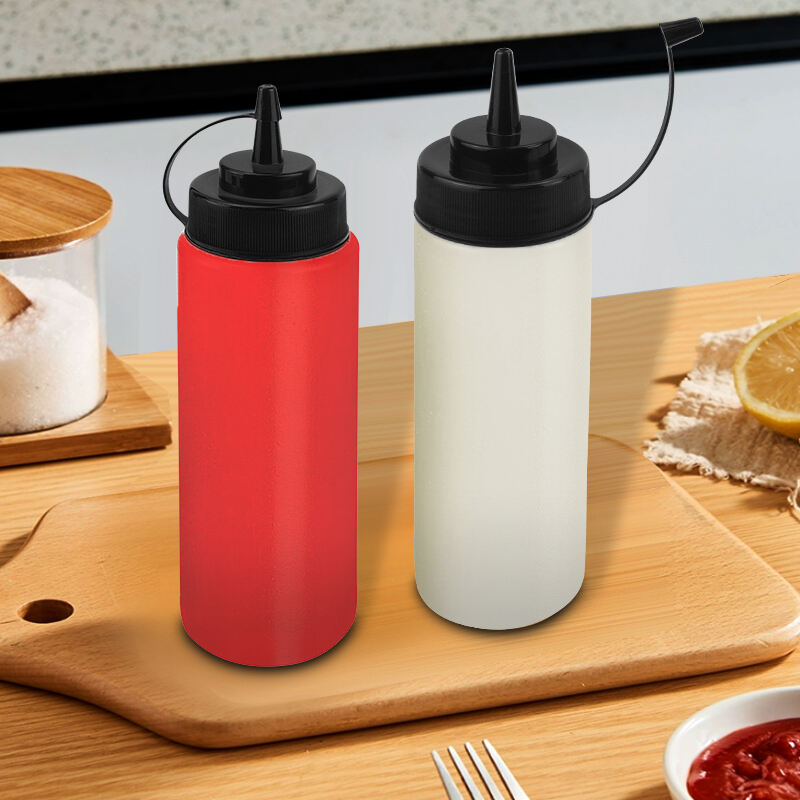
The challenge of residue accumulation affects various industries using condiment packaging, from food service establishments to retail manufacturers. Different sauce formulations present unique viscosity characteristics and ingredient compositions that influence how residue forms and adheres to plastic sauce bottle surfaces. Implementing systematic maintenance protocols and selecting appropriate bottle designs significantly reduces clogging incidents while extending packaging performance and reducing replacement costs.
Understanding Residue Formation in Plastic Sauce Bottles
Chemical Composition Factors That Contribute to Clogging
The formation of residue in plastic sauce bottles stems from complex interactions between sauce ingredients and environmental conditions. Sugar-based components in many sauces crystallize when exposed to air, creating sticky deposits that gradually narrow dispensing openings. Protein-rich formulations can coagulate and form gel-like substances that adhere strongly to plastic surfaces, particularly around cap threads and valve mechanisms where turbulent flow occurs.
Oil separation in emulsified sauces presents another significant challenge for plastic sauce bottle maintenance. When oil components separate from water-based ingredients, they create films that trap other particles and ingredients, accelerating residue buildup. Acidic ingredients like vinegar and citric acid can interact with certain plastic materials, potentially creating microscopic surface roughness that provides additional adhesion points for residue accumulation.
Environmental Conditions That Accelerate Residue Buildup
Temperature fluctuations significantly impact how quickly residue forms in plastic sauce bottles during storage and use. Higher temperatures reduce sauce viscosity temporarily but can accelerate evaporation of water content, concentrating remaining ingredients into thicker, stickier substances. Conversely, cold temperatures can cause certain ingredients to solidify or separate, creating blockages that prevent normal flow patterns.
Humidity levels in storage environments also influence residue formation rates in plastic sauce bottle applications. High humidity can prevent complete drying of sauce residue around dispensing areas, maintaining tacky conditions that attract additional particles and debris. Low humidity environments may cause rapid moisture loss from exposed sauce surfaces, creating hardened deposits that resist normal cleaning procedures.
Design Features That Minimize Residue Problems
Optimized Opening and Cap Configuration
Selecting plastic sauce bottles with appropriate opening diameters and cap designs significantly reduces residue accumulation potential. Wider openings allow better flow dynamics and reduce the likelihood of ingredient separation during dispensing. Smooth interior surfaces in cap areas minimize turbulence that can cause sauce components to separate and adhere to container walls.
Self-clearing valve mechanisms in advanced plastic sauce bottle designs automatically remove residue during normal operation. These systems incorporate spring-loaded components or flexible membranes that create mechanical wiping action each time the valve opens and closes. The continuous cleaning action prevents long-term buildup while maintaining consistent flow characteristics throughout the product lifecycle.
Material Selection for Reduced Adhesion
The plastic material composition of sauce bottles directly influences how readily residue adheres to interior surfaces. Low-density polyethylene (LDPE) materials typically exhibit superior non-stick properties compared to other plastic formulations, reducing the tendency for sauce ingredients to create permanent bonds with container surfaces. Surface treatments and specialized plastic additives can further enhance release characteristics.
Smooth interior finishes in plastic sauce bottle manufacturing reduce microscopic surface irregularities that provide mechanical anchoring points for residue particles. Advanced molding techniques create seamless transitions between different bottle sections, eliminating sharp corners and crevices where ingredients can accumulate. These design considerations become particularly important for high-viscosity sauces that tend to cling to surface imperfections.
Maintenance Protocols for Residue Prevention
Regular Cleaning Schedule Implementation
Establishing consistent cleaning intervals prevents residue from hardening into difficult-to-remove deposits in plastic sauce bottles. The frequency of cleaning depends on sauce formulation, usage patterns, and storage conditions, but most applications benefit from daily attention to dispensing areas. Immediate cleaning after each use session eliminates fresh residue before it can bond strongly to plastic surfaces.
Preventive maintenance protocols should address both visible and hidden areas of plastic sauce bottle assemblies. Cap threads, valve seats, and interior surfaces near openings require particular attention because these areas experience the most direct contact with sauce ingredients. Using appropriate cleaning tools and techniques ensures thorough removal without damaging plastic components that could create new residue collection points.
Proper Storage and Handling Practices
Correct storage positioning significantly impacts residue formation patterns in plastic sauce bottles during idle periods. Storing bottles in upright positions allows gravity to keep sauce away from dispensing mechanisms, reducing contact time between ingredients and critical flow areas. Avoiding extreme temperature locations prevents condensation and thermal cycling that can accelerate ingredient separation and residue formation.
Rotation procedures ensure consistent product freshness while preventing stagnant conditions that promote residue development in plastic sauce bottle inventories. First-in-first-out inventory management reduces the likelihood of extended storage periods that allow ingredients to separate or concentrate. Regular inspection schedules identify early signs of residue buildup before they progress to flow-restricting levels.
Troubleshooting Common Clogging Issues
Identifying Different Types of Blockages
Recognizing specific blockage patterns helps determine appropriate remediation strategies for plastic sauce bottle maintenance. Crystallized sugar deposits typically appear as white or translucent formations around opening edges and respond well to warm water dissolution techniques. Protein coagulation creates gel-like masses that may require enzymatic cleaning agents or extended soaking periods for complete removal.
Oil-based residue in plastic sauce bottles often manifests as slippery films that attract dust and particles from surrounding environments. These deposits typically require degreasing agents or surfactant solutions to break surface tension and allow complete removal. Identifying the dominant residue type enables selection of targeted cleaning approaches that restore proper function efficiently.
Safe Residue Removal Techniques
Mechanical removal methods must balance effectiveness with plastic sauce bottle integrity preservation. Soft-bristled brushes and flexible cleaning tools can dislodge residue without scratching interior surfaces that could provide future adhesion points. Avoiding abrasive materials and excessive force prevents damage that might compromise bottle performance or create contamination risks.
Chemical cleaning agents should be selected based on sauce composition and plastic material compatibility. Food-grade cleaning solutions ensure safety for continued food contact while providing effective residue dissolution. Proper rinsing procedures remove all cleaning agent traces that could interact with subsequent sauce batches or affect flavor characteristics in plastic sauce bottle applications.
FAQ
How often should I clean my plastic sauce bottle to prevent clogging?
Clean your plastic sauce bottle after each use session and perform thorough weekly maintenance for optimal performance. High-usage applications may require daily cleaning of dispensing areas, while occasional-use bottles benefit from cleaning before extended storage periods. Monitor flow characteristics to adjust cleaning frequency based on your specific sauce formulation and usage patterns.
Can I use hot water to remove stubborn residue from plastic sauce bottles?
Warm water (not exceeding 140°F) effectively dissolves many types of sauce residue without damaging plastic bottle materials. Avoid boiling water or excessive temperatures that could deform plastic components or compromise structural integrity. Allow gradual temperature adjustment to prevent thermal shock that might crack or warp bottle surfaces.
What cleaning agents are safe for food-contact plastic sauce bottles?
Use food-grade cleaning solutions, mild dish soap, or specialized food service sanitizers approved for plastic materials. Avoid harsh chemicals, bleach solutions, or industrial degreasers that could leave residues or damage plastic surfaces. Always rinse thoroughly with clean water and allow complete drying before refilling with sauce products.
Why does my plastic sauce bottle keep clogging despite regular cleaning?
Persistent clogging often indicates ingredient separation in your sauce formulation, inadequate cleaning technique, or plastic material degradation. Evaluate your sauce recipe for stability issues, review cleaning procedures for completeness, and inspect bottle surfaces for wear or damage. Consider switching to bottles with improved flow design or different plastic materials better suited to your specific sauce characteristics.