
 EN
EN
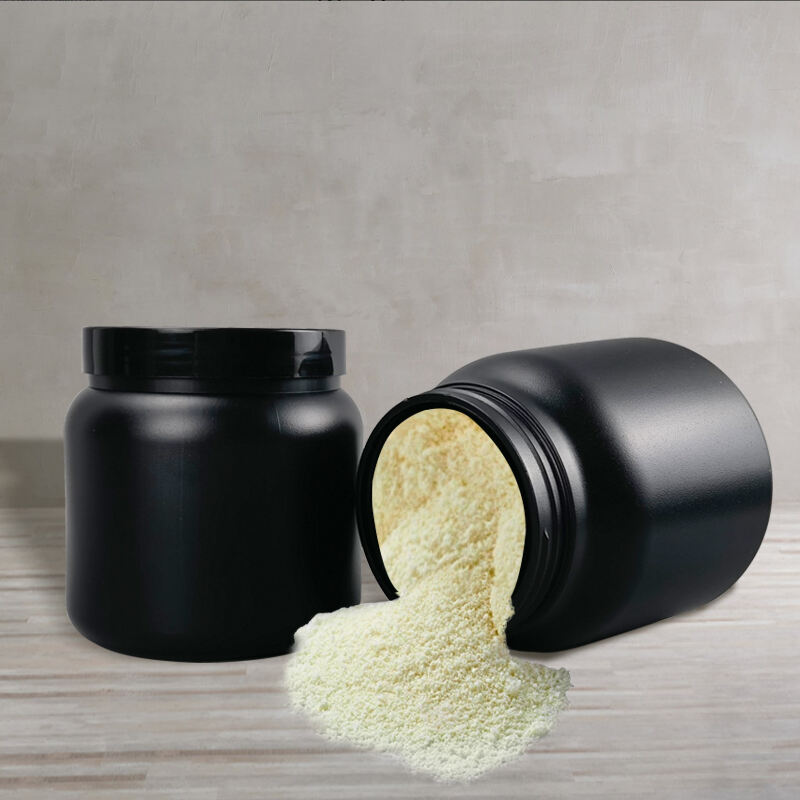
Designing an effective protein powder jar requires careful consideration of user needs, storage requirements, and functionality. Modern consumers demand packaging that not only protects their supplements but also provides seamless access and long-term convenience. A well-designed protein powder jar serves as the foundation for customer satisfaction and brand loyalty in the competitive supplement industry.
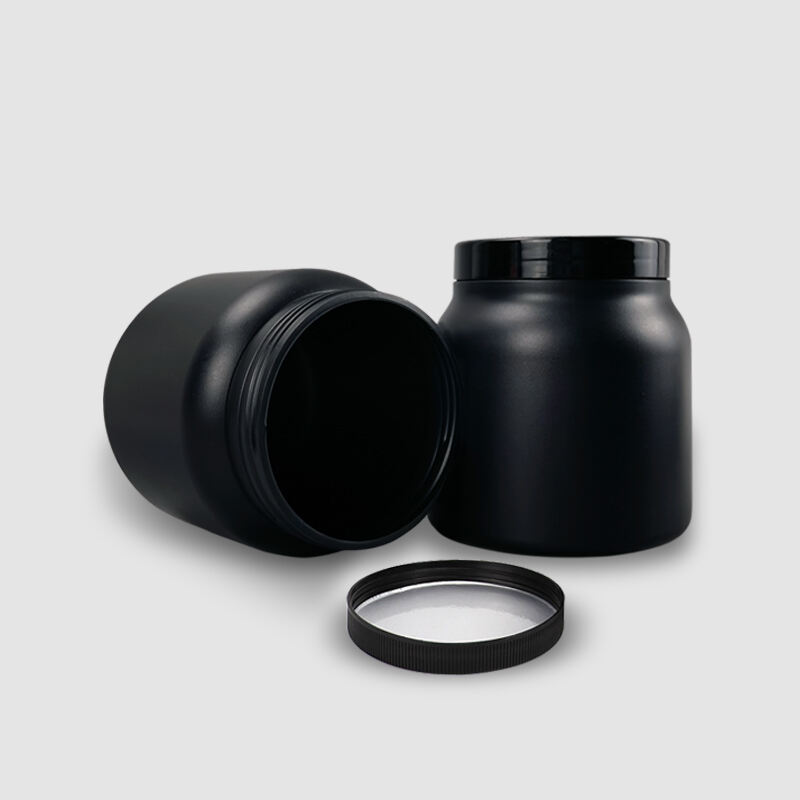
The supplement packaging industry has evolved significantly over the past decade, with manufacturers recognizing that container design directly impacts user experience. Today's fitness enthusiasts and health-conscious consumers expect their protein powder jar to deliver functionality beyond basic storage. This comprehensive approach to design encompasses ergonomics, material science, and user psychology to create packaging that truly enhances daily supplement routines.
Understanding the specific challenges users face with traditional packaging helps inform better design decisions. Common issues include difficulty in scooping powder, moisture infiltration, inadequate seal integrity, and cumbersome handling during daily use. Addressing these pain points through thoughtful design creates significant competitive advantages in the marketplace.
Essential Design Elements for User-Friendly Packaging
Ergonomic Container Shape and Size Optimization
The physical dimensions of a protein powder jar significantly influence daily usability and storage convenience. Optimal container width allows users to easily insert standard measuring scoops without struggling with narrow openings. Research indicates that jar diameters between 4.5 and 5.5 inches provide the ideal balance between scoop accessibility and storage efficiency.
Height considerations must account for both storage capacity and cabinet compatibility. Most household storage spaces accommodate containers up to 8 inches tall, making this measurement crucial for consumer acceptance. The protein powder jar should feature a stable base width that prevents tipping during use, particularly when users attempt single-handed operation.
Container walls should maintain appropriate thickness to ensure durability while minimizing unnecessary weight. Advanced materials allow for thin-wall construction that maintains structural integrity under normal use conditions. This approach reduces shipping costs while improving user handling comfort during daily supplement preparation.
Advanced Closure Systems for Moisture Protection
Effective sealing mechanisms represent one of the most critical aspects of protein powder jar design. Moisture infiltration can compromise product quality, creating clumping and reducing nutritional value. Multi-level sealing systems incorporating primary and secondary barriers provide superior protection against environmental factors.
Threading design affects both seal effectiveness and user experience during opening and closing operations. Fine-pitch threads create more secure seals but require additional rotation effort. Coarse threads enable faster operation but may compromise seal integrity over extended use periods. The optimal solution balances these competing requirements through precision engineering.
Gasket materials and design configurations significantly impact long-term sealing performance. Silicone-based sealing elements resist compression set and maintain flexibility across temperature variations. Proper gasket groove design ensures consistent compression while preventing over-stress that could lead to premature failure.
Material Selection and Safety Considerations
Food-Grade Plastic Properties and Performance
Selecting appropriate materials for protein powder jar construction requires understanding both regulatory requirements and performance characteristics. High-density polyethylene (HDPE) offers excellent chemical resistance and maintains structural integrity under typical use conditions. This material provides superior barrier properties against moisture while remaining cost-effective for large-scale production.
FDA-approved materials ensure consumer safety while meeting industry standards for food contact applications. Material certification documentation provides manufacturers with necessary compliance verification for regulatory submissions. Testing protocols verify that selected materials do not impart flavors or odors that could compromise product quality.
UV resistance properties become important for containers exposed to light during storage or display. Material stabilizers prevent degradation that could affect both appearance and structural performance over time. This consideration particularly matters for clear or translucent protein powder jar designs that showcase product contents.
Environmental Impact and Sustainability Features
Modern consumers increasingly prioritize environmentally responsible packaging options when selecting supplement products. Recyclable materials and manufacturing processes that minimize environmental impact align with consumer values while supporting corporate sustainability initiatives. Design for recyclability considers material selection, component separability, and end-of-life processing requirements.
Post-consumer recycled content integration reduces virgin material consumption while maintaining necessary performance characteristics. Advanced recycling technologies enable higher percentages of recycled content without compromising container integrity or safety standards. This approach appeals to environmentally conscious consumers while reducing material costs.
Lightweight design strategies reduce material consumption and transportation environmental impact. Optimized wall thickness and structural design achieve necessary strength with minimal material usage. These efficiency improvements provide both environmental and economic benefits throughout the product lifecycle.
Functional Features That Enhance Daily Use
Integrated Measuring and Scooping Solutions
Built-in measuring capabilities eliminate the need for separate scoops while ensuring consistent serving sizes. Graduated measurement markings molded into container walls provide visual reference points for accurate portioning. These features particularly benefit users who prefer precise nutrition tracking or follow specific supplementation protocols.
Scoop attachment mechanisms prevent lost measuring tools while maintaining hygiene standards. Clip-on designs secure measuring implements to container lids without interfering with sealing performance. Alternative approaches integrate measuring chambers directly into lid structures, creating self-contained portioning systems.
Pour spout designs enable controlled dispensing for users who prefer direct pouring over scooping methods. Integrated spout features maintain container seal integrity while providing precise control over powder flow rates. This functionality particularly appeals to users preparing large batches or commercial applications.
Visibility and Content Monitoring Features
Transparent or translucent window sections allow users to monitor remaining product levels without opening containers. This visibility feature helps prevent unexpected shortages while maintaining proper inventory management. Strategic window placement preserves overall container strength while providing necessary visual access.
Measurement scale integration provides quantitative feedback about remaining product quantities. Molded or printed scale markings help users estimate consumption rates and plan reorder timing. These features enhance user convenience while supporting consistent supplementation routines.
Color-coding systems can differentiate between product varieties or indicate expiration timing. Visual cues reduce selection errors in households using multiple supplement types. This organizational approach particularly benefits families or individuals maintaining complex supplementation programs.
Manufacturing and Quality Considerations
Production Process Optimization
Injection molding parameters significantly influence final product quality and consistency in protein powder jar manufacturing. Temperature control, pressure settings, and cooling rates affect dimensional accuracy and surface finish quality. Optimized process parameters ensure reliable production while minimizing defect rates and material waste.
Tooling design considerations impact both initial production costs and long-term manufacturing efficiency. Multi-cavity molds increase production rates while maintaining part quality consistency. Tool steel selection and surface treatments affect mold life and maintenance requirements, influencing overall production economics.
Quality control protocols verify that each protein powder jar meets specified performance standards before packaging and distribution. Dimensional inspection, seal testing, and material verification ensure consistent product quality. Statistical process control methods identify trends that could indicate developing issues before they affect customer satisfaction.
Testing and Validation Protocols
Comprehensive testing programs validate protein powder jar performance under simulated use conditions. Drop testing evaluates impact resistance during shipping and handling operations. Thermal cycling tests verify material stability across expected temperature ranges during storage and transportation.
Accelerated aging studies predict long-term performance characteristics and identify potential failure modes. These evaluations help establish appropriate shelf life recommendations and storage guidelines. Testing protocols simulate extended use periods to verify that sealing performance and structural integrity remain adequate throughout expected service life.
User acceptance testing provides valuable feedback about real-world performance and identifies areas for design improvement. Focus group studies evaluate ergonomic aspects and identify preferred feature combinations. This feedback informs iterative design improvements that enhance user satisfaction and market acceptance.
Market Trends and Innovation Opportunities
Smart Packaging Integration
Digital integration possibilities are expanding the functionality potential of traditional protein powder jar designs. RFID tags and QR codes enable product authentication, usage tracking, and personalized nutrition guidance. These technologies create opportunities for enhanced customer engagement while providing valuable usage data for manufacturers.
Connected packaging solutions can interface with mobile applications to provide personalized recommendations and usage reminders. This integration supports customer retention while creating additional value propositions beyond basic product protection. Smart features particularly appeal to tech-savvy consumers who appreciate data-driven approaches to health and fitness.
Temperature and humidity monitoring capabilities protect product quality while providing users with storage condition feedback. Environmental sensors integrated into container designs alert users to conditions that could compromise product effectiveness. These features represent significant differentiation opportunities in competitive supplement markets.
Customization and Personalization Options
Modular design approaches allow manufacturers to offer customization options without significantly increasing production complexity. Interchangeable components enable users to configure their protein powder jar according to specific preferences or requirements. This flexibility appeals to diverse user segments while maintaining manufacturing efficiency.
Labeling and branding customization opportunities create unique product presentations that support brand differentiation. Digital printing technologies enable cost-effective short-run customization for specialized markets or promotional campaigns. Personalization options enhance perceived value while supporting premium pricing strategies.
Size and capacity variations address different user segments and consumption patterns. Single-serving containers appeal to travelers and occasional users, while bulk containers serve dedicated fitness enthusiasts. Multiple size options within consistent design families provide market coverage while maintaining brand identity coherence.
FAQ
What materials are best for protein powder jar construction
Food-grade HDPE represents the optimal material choice for protein powder jar applications due to its excellent moisture barrier properties, chemical resistance, and FDA approval status. This material maintains structural integrity under normal use conditions while providing cost-effective manufacturing scalability. Alternative materials like PET offer improved clarity but may not provide equivalent moisture protection for sensitive powder formulations.
How do I ensure proper seal performance in my protein powder jar design
Effective sealing requires careful attention to thread pitch, gasket material selection, and compression groove design. Fine-pitch threads create more secure seals, while silicone gaskets maintain flexibility across temperature variations. Testing protocols should verify seal integrity under various environmental conditions and usage scenarios to ensure long-term performance reliability.
What size opening works best for easy scooping access
Container openings between 4.5 and 5.5 inches in diameter provide optimal access for standard measuring scoops while maintaining structural integrity. This size range accommodates most commercial scooping implements without creating excessive headspace that could promote powder settling. Larger openings may compromise container strength, while smaller openings restrict scooping convenience.
How can I make my protein powder jar design more environmentally friendly
Environmental sustainability improvements include incorporating post-consumer recycled content, optimizing wall thickness to reduce material usage, and designing for end-of-life recyclability. Lightweight design strategies minimize transportation environmental impact while maintaining necessary performance characteristics. Clear material identification markings facilitate proper recycling processing at end-of-life disposal.