
 EN
EN
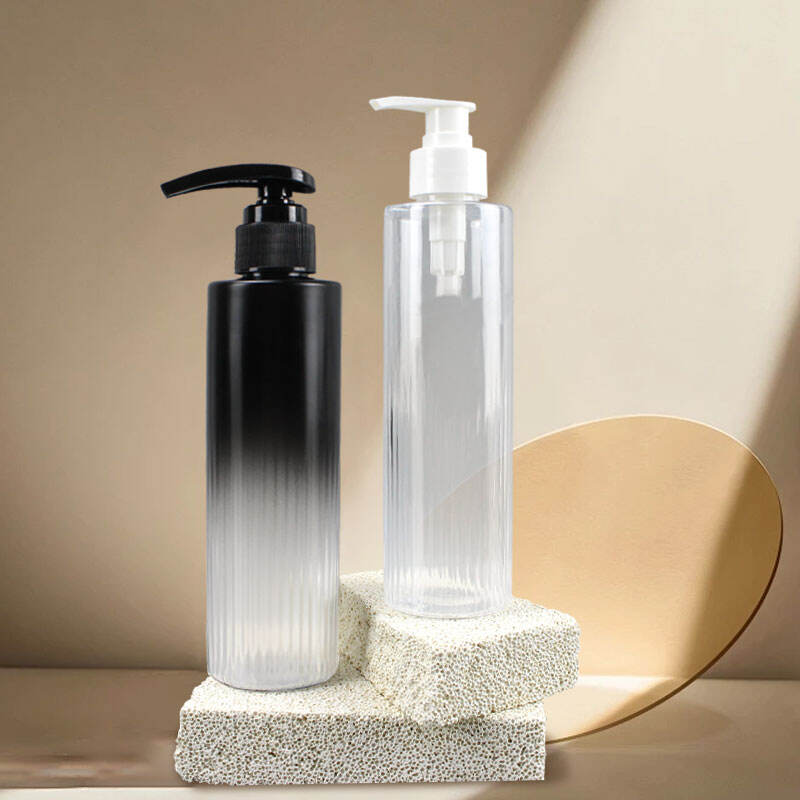
Selecting the right shampoo bottle for your salon business represents a critical decision that impacts both operational efficiency and client satisfaction. Professional salons require packaging solutions that deliver functionality, durability, and aesthetic appeal while maintaining cost-effectiveness. The choice of shampoo bottle affects everything from product dispensing accuracy to brand presentation and customer perception. Understanding the key factors that influence shampoo bottle selection enables salon owners to make informed decisions that enhance their service quality and business profitability.
Essential Features of Professional Shampoo Bottles
Pump Mechanism Quality
The pump mechanism serves as the heart of any effective shampoo bottle system in professional salon environments. High-quality pumps ensure consistent product dispensing while minimizing waste and maintaining hygiene standards. Professional-grade shampoo bottle pumps typically feature stainless steel springs and precision-engineered components that withstand frequent daily use without compromising performance. The pump output volume should provide adequate product quantity per stroke while allowing for easy control and adjustment based on client needs.
Durability testing reveals that superior pump mechanisms maintain consistent performance through thousands of actuations without leaking or jamming. The pump head design should accommodate easy cleaning and sanitization procedures essential for maintaining salon hygiene protocols. Additionally, the pump mechanism must create an airtight seal when not in use to preserve product quality and prevent contamination that could affect shampoo effectiveness.
Material Composition and Safety
Material selection for shampoo bottle construction directly impacts product safety, longevity, and environmental considerations. High-density polyethylene (HDPE) represents the preferred material choice for professional shampoo bottles due to its chemical resistance, impact strength, and recyclability. HDPE shampoo bottles resist cracking under temperature fluctuations while maintaining structural integrity during extended use periods. The material's non-reactive properties ensure compatibility with various shampoo formulations without altering product chemistry or effectiveness.
Food-grade certification ensures that shampoo bottle materials meet strict safety standards for cosmetic product storage. BPA-free construction eliminates potential health concerns while maintaining the bottle's durability and clarity. Advanced UV protection properties in quality shampoo bottle materials prevent product degradation caused by light exposure, preserving shampoo color, fragrance, and active ingredient potency throughout the product lifecycle.
Capacity and Size Considerations
Volume Requirements for Salon Operations
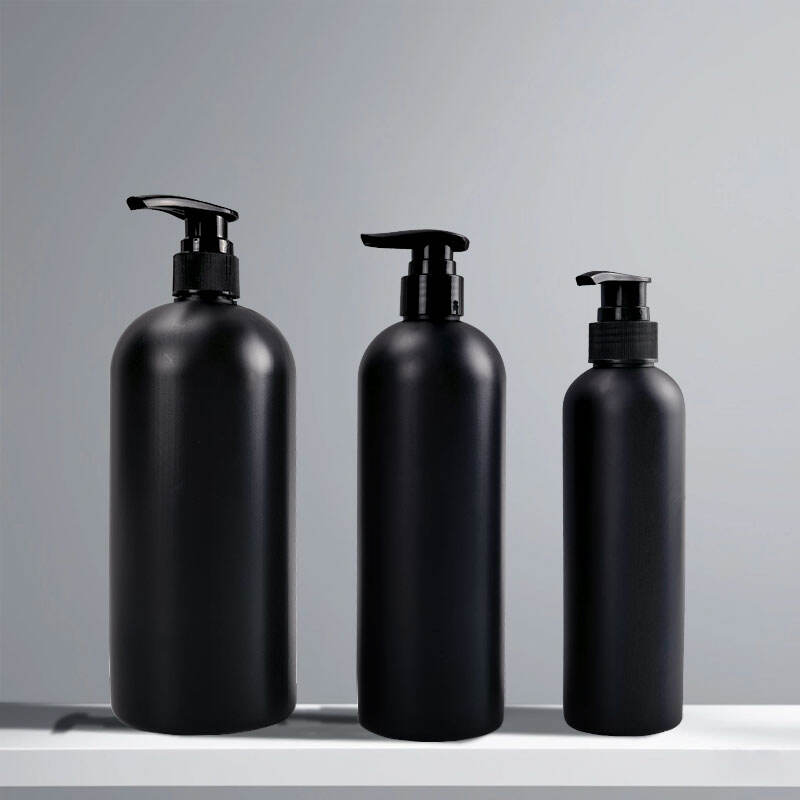
Determining optimal shampoo bottle capacity requires careful analysis of salon service volume, client turnover rates, and storage space limitations. Professional salons typically benefit from larger capacity options ranging from 500ml to 1000ml per shampoo bottle to minimize refill frequency while maintaining operational efficiency. Larger capacity bottles reduce labor costs associated with frequent product replenishment while ensuring consistent product availability during peak service periods.
Service station design influences shampoo bottle size selection, with compact stations requiring smaller profile bottles that maximize workspace efficiency. The relationship between bottle height and pump reach affects stylist ergonomics and client comfort during washing procedures. Proper capacity planning ensures adequate inventory levels while preventing product waste from overstocking or product degradation due to extended storage periods.
Storage and Display Optimization
Effective shampoo bottle storage systems maximize space utilization while maintaining product accessibility and visual appeal. Standardized bottle dimensions facilitate efficient storage rack design and inventory organization systems. The shampoo bottle footprint should accommodate standard salon shelving while providing stability during use and storage. Consistent bottle sizing across product lines creates visual harmony and professional presentation that enhances salon ambiance and client perception.
Wall-mounted dispensing systems require specific shampoo bottle dimensions and mounting hardware compatibility. The bottle design should include mounting provisions or adapter compatibility for secure installation without compromising pump functionality. Strategic placement considerations ensure easy access for stylists while maintaining clean sight lines and professional appearance throughout the service area.
Design and Aesthetic Elements
Brand Integration and Customization
Modern shampoo bottle designs offer extensive customization options that reinforce brand identity and create distinctive visual appeal. Custom labeling capabilities allow salons to showcase their brand colors, logos, and marketing messages while maintaining professional appearance standards. The bottle surface should provide adequate space for product information, ingredient lists, and usage instructions while maintaining clean, uncluttered aesthetics.
Translucent or transparent bottle options enable easy product level monitoring while showcasing shampoo color and consistency to reinforce quality perceptions. Matte finishes provide sophisticated appearance while reducing fingerprint visibility and maintaining clean presentation throughout daily use. Color coordination between bottle components and salon decor creates cohesive design themes that enhance overall ambiance and professional image.
Ergonomic Functionality
Ergonomic shampoo bottle design prioritizes user comfort and operational efficiency during extended use periods. The bottle shape should provide secure grip surfaces while accommodating various hand sizes and grip preferences. Proper weight distribution prevents fatigue during manual handling while maintaining stability during pump operation. The pump actuator design should require minimal force while providing tactile feedback for consistent product dispensing.
Anti-slip base features prevent accidental movement during use while protecting salon surfaces from scratches or damage. The bottle profile should minimize tipping risk while providing stable platform for one-handed operation. Rounded edges and smooth surfaces facilitate easy cleaning while preventing injury during handling and maintenance procedures.
Cost-Effectiveness and Value Analysis
Initial Investment Considerations
Professional shampoo bottle systems require careful cost analysis that considers both initial purchase price and long-term operational expenses. Quality bottles typically command higher upfront costs but deliver superior durability and performance that reduces replacement frequency and maintenance requirements. The total cost of ownership includes bottle acquisition, pump maintenance, and product waste considerations that affect overall profitability.
Volume purchasing options often provide significant cost savings for salons requiring multiple shampoo bottle units across service stations. Bulk ordering strategies should balance cost savings against storage requirements and cash flow considerations. Quality manufacturers offer warranty programs that protect against premature failure while providing confidence in product reliability and performance consistency.
Operational Efficiency Benefits
Efficient shampoo bottle systems reduce service time while improving consistency and reducing product waste through precise dispensing control. Automated dispensing features minimize cross-contamination risks while maintaining hygiene standards essential for professional salon operations. The time savings from efficient bottle systems translate directly to increased service capacity and improved profitability through enhanced throughput capabilities.
Maintenance requirements directly impact operational costs and system reliability over extended periods. Quality shampoo bottle systems require minimal maintenance while providing consistent performance that reduces downtime and service interruptions. Easy-clean designs minimize labor requirements for routine maintenance while ensuring compliance with health and safety regulations governing professional salon operations.
Installation and Maintenance Requirements
Setup and Configuration
Proper shampoo bottle installation ensures optimal performance and longevity while maintaining safety standards throughout salon operations. Installation procedures should include thorough system testing and calibration to verify proper pump function and dispensing accuracy. The mounting system must provide secure attachment while allowing easy removal for cleaning and maintenance procedures.
Initial configuration includes pump priming procedures that eliminate air bubbles and ensure consistent product flow from first use. System compatibility verification ensures proper integration with existing salon infrastructure and plumbing systems where applicable. Documentation of installation procedures facilitates future maintenance and troubleshooting activities while ensuring compliance with manufacturer recommendations.
Routine Maintenance Protocols
Regular maintenance schedules preserve shampoo bottle performance while extending system lifespan and maintaining hygiene standards. Daily cleaning protocols include external surface sanitization and pump mechanism inspection for proper operation. Weekly deep cleaning procedures ensure internal component cleanliness while preventing product buildup that could affect dispensing accuracy or product quality.
Preventive maintenance programs identify potential issues before they impact service delivery while optimizing replacement part inventory requirements. Component replacement schedules based on usage patterns ensure consistent performance while minimizing unexpected failures during peak operating periods. Proper maintenance documentation supports warranty claims while providing performance baseline data for system optimization and improvement initiatives.
FAQ
What capacity shampoo bottle works best for busy salons
Busy salons typically benefit from 750ml to 1000ml capacity shampoo bottles that balance refill frequency with storage efficiency. Larger capacities reduce labor costs and ensure product availability during peak periods while smaller sizes may require more frequent attention. Consider your daily service volume and storage space when selecting optimal capacity for your specific operational requirements.
How often should professional shampoo bottles be replaced
Quality professional shampoo bottles typically last 2-3 years with proper maintenance and normal usage patterns. Replacement timing depends on usage frequency, maintenance quality, and pump mechanism durability. Monitor performance indicators like dispensing consistency and pump operation smoothness to determine optimal replacement schedules that maintain service quality while controlling costs.
Are wall-mounted shampoo bottles more hygienic than countertop versions
Wall-mounted shampoo bottle systems generally offer superior hygiene benefits by eliminating surface contact and reducing contamination opportunities. The elevated position facilitates easier cleaning of surrounding areas while preventing accidental contact with potentially contaminated surfaces. However, both mounting styles can maintain excellent hygiene standards when properly maintained and regularly sanitized according to professional protocols.
What pump output volume is recommended for salon shampoo bottles
Professional salon shampoo bottles should provide 2-4ml output per pump stroke for optimal product control and waste reduction. This volume range allows stylists to dispense appropriate quantities for different hair lengths and types while maintaining cost efficiency. Adjustable output mechanisms provide flexibility for various service requirements while ensuring consistent product delivery across all service stations.