
 EN
EN
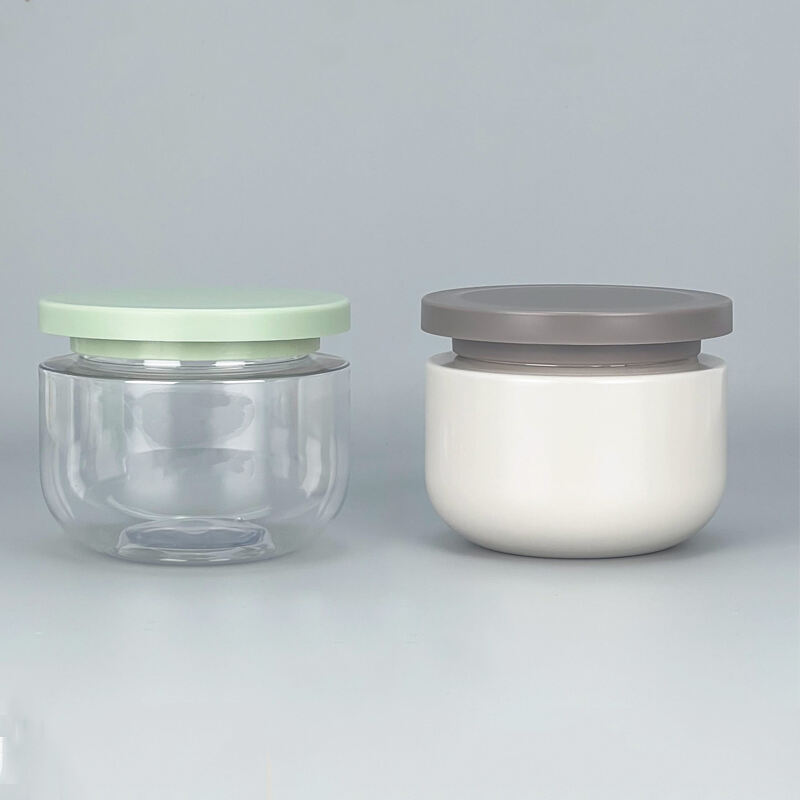
Essential Considerations for Selecting Premium Cosmetic Packaging
The success of your cosmetic line heavily depends on the packaging choices you make, with the plastic cream jar being a crucial component that can make or break your brand's image. The right container not only preserves your product's integrity but also communicates your brand's values and attracts customers. In today's competitive beauty market, selecting the perfect plastic cream jar requires careful consideration of multiple factors, from material quality to aesthetic appeal.
Whether you're launching a new skincare line or revamping existing packaging, understanding the nuances of plastic cream jar selection will help you make informed decisions that resonate with your target audience and meet industry standards. Let's explore the vital aspects that will guide you toward making the optimal choice for your cosmetic products.
Material Quality and Safety Standards
FDA-Compliant Materials
When selecting a plastic cream jar for your cosmetic line, the first consideration must be material safety and compliance. High-quality plastic cream jars should be manufactured using FDA-approved materials that are safe for cosmetic contact. Look for containers made from premium-grade plastics such as PET, PP, or PETG, which offer excellent chemical resistance and stability.
These materials undergo rigorous testing to ensure they don't leach harmful substances into your formulations. Additionally, they maintain their structural integrity over time, preventing contamination and preserving the product's efficacy throughout its shelf life.
Environmental Impact and Sustainability
Modern consumers are increasingly conscious of environmental issues, making sustainable packaging a priority. Consider plastic cream jars made from recycled materials or those that are easily recyclable. Some manufacturers now offer bio-based plastics or packaging with reduced environmental footprint without compromising on quality or appearance.
Look for options that align with eco-friendly initiatives while maintaining the necessary protective properties for your cosmetic formulations. This approach not only appeals to environmentally conscious consumers but also positions your brand as a responsible player in the beauty industry.
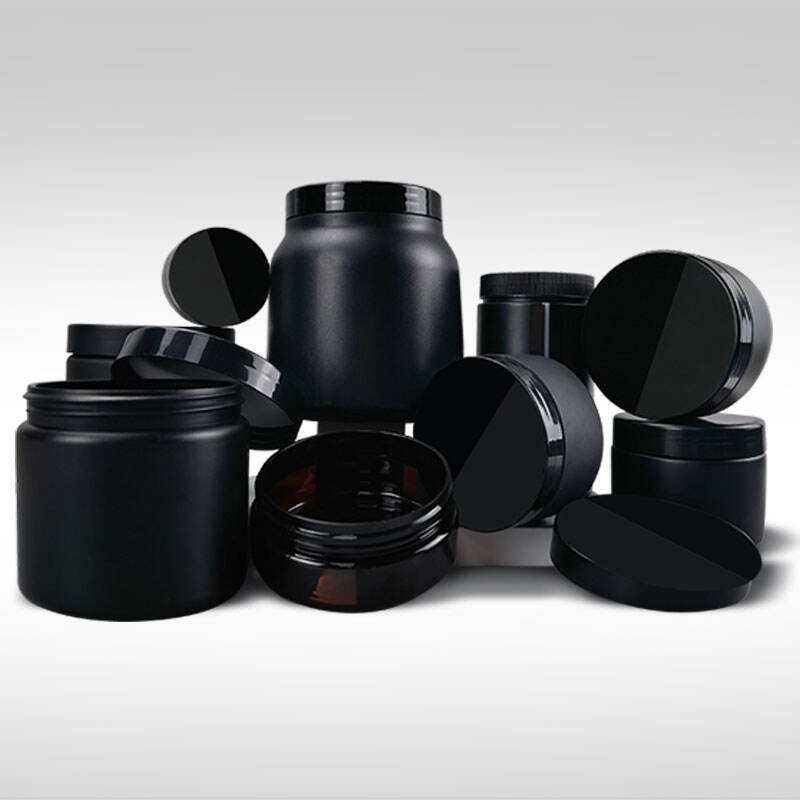
Design Elements and Brand Identity
Aesthetic Appeal and Visual Impact
The visual presentation of your plastic cream jar plays a vital role in shelf appeal and brand recognition. Consider how the jar's design elements - from its shape to its finish - align with your brand identity. Premium cosmetic lines often opt for sophisticated designs with clean lines and elegant proportions.
Surface treatments like frosting, metallization, or gradient effects can enhance the perceived value of your product. The right combination of these elements helps create a distinctive look that captures attention and conveys your brand's positioning in the market.
Customization Options
Your plastic cream jar should serve as a canvas for brand expression. Explore customization possibilities such as color matching, embossing, debossing, or silk-screen printing. These elements help create a unique identity that sets your products apart from competitors.
Consider how different decoration techniques can be applied to your chosen container. Some manufacturers offer innovative solutions like hot stamping or UV metalizing that can create stunning visual effects while maintaining the jar's functionality.
Functional Requirements and Performance
Protection and Preservation
The primary function of a plastic cream jar is to protect and preserve your cosmetic formulation. Consider factors like UV protection, air-tightness, and moisture resistance. Double-walled containers or those with special barrier properties might be necessary for sensitive formulations.
Evaluate the jar's ability to maintain product stability under various conditions, including temperature fluctuations and exposure to light. The right packaging should extend shelf life while maintaining the product's efficacy and sensory properties.
User Experience and Convenience
Consider how your customers will interact with the plastic cream jar daily. The opening should be wide enough for comfortable product access, while the closure system must provide secure sealing to prevent leakage. Some modern designs feature innovative elements like airless systems or special dispensing mechanisms.
Weight, grip-ability, and ease of application are crucial factors that influence user satisfaction. Testing different options with focus groups can provide valuable insights into user preferences and potential improvements.
Production and Cost Considerations
Manufacturing Capabilities
Understanding your manufacturer's capabilities is crucial when selecting plastic cream jars. Consider minimum order quantities, production lead times, and quality control processes. Established manufacturers often provide better consistency and reliability in production.
Evaluate the manufacturer's track record in producing similar containers and their ability to meet your specific requirements. This includes their expertise in handling different materials and decoration techniques you might want to incorporate.
Cost-Effectiveness and Scalability
While premium packaging often commands higher prices, it's essential to balance cost with value. Consider the total cost of ownership, including molds, decorations, and minimum order quantities. Sometimes, investing in higher-quality plastic cream jars can reduce long-term costs through better product protection and fewer customer complaints.
Factor in scalability as your brand grows. Choose a supplier who can accommodate increasing order volumes while maintaining quality and competitive pricing. This approach helps ensure sustainable growth and consistent product presentation.
Regulatory Compliance and Testing
Global Standards and Certifications
Different markets have varying requirements for cosmetic packaging. Ensure your chosen plastic cream jar meets relevant standards in your target markets. This includes compliance with regulations like EU cosmetic packaging directives or Asian market requirements.
Work with manufacturers who maintain current certifications and regularly update their compliance documentation. This proactive approach helps avoid potential regulatory issues and market access barriers.
Quality Assurance Protocols
Implement robust testing protocols for your selected packaging. This includes compatibility testing between your formulation and the container, stability studies, and transportation trials. Regular quality checks help maintain consistency and identify potential issues before they affect your products.
Document all testing procedures and results for regulatory compliance and quality assurance purposes. This documentation becomes valuable when expanding into new markets or responding to customer inquiries.
Frequently Asked Questions
What types of plastic are best suited for cosmetic cream jars?
The most suitable plastics for cosmetic cream jars include PET (Polyethylene Terephthalate), PP (Polypropylene), and PETG (Polyethylene Terephthalate Glycol). These materials offer excellent chemical resistance, clarity, and safety profiles while meeting regulatory requirements for cosmetic packaging.
How can I ensure my plastic cream jar maintains product freshness?
To maintain product freshness, select jars with proper sealing mechanisms, consider double-walled construction for sensitive formulations, and evaluate barrier properties against moisture and UV light. Working with experienced manufacturers who understand preservation requirements is crucial for optimal results.
What are the current trends in sustainable plastic cream jar packaging?
Current sustainability trends include using PCR (Post-Consumer Recycled) materials, developing mono-material packaging for easier recycling, implementing refill systems, and reducing overall plastic content through innovative design. Many brands are also exploring bio-based plastics and environmentally friendly decoration techniques.