
 EN
EN
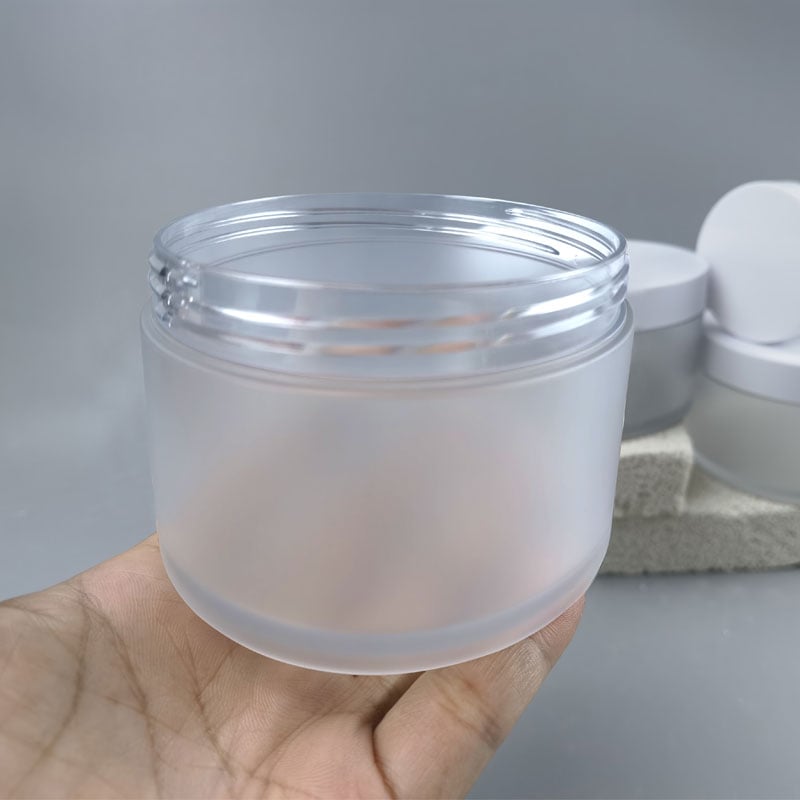
Zachowanie świeżości produktu stanowi kluczowy problem dla producentów z branż kosmetycznej, farmaceutycznej oraz spożywczej, gdzie nawet niewielka degradacja może zagrozić jakością, bezpieczeństwem i zaufaniem konsumentów. Spośród różnych dostępnych obecnie rozwiązań opakowań plastikowych słoiki z PET wyrosły na pozycję lepszego wyboru w zakresie przedłużania terminu przydatności do spożycia oraz utrzymania integralności produktu przez dłuższy czas przechowywania. Unikalna struktura cząsteczkowa i właściwości barierowe polietylenu tereftalanu tworzą ochronne środowisko, które przewyższa wiele konwencjonalnych alternatyw plastikowych, czyniąc słoiki z PET preferowanym opakowaniem dla formuł wrażliwych na wilgoć, związków reagujących z tlenem oraz produkty wymagających długotrwałej stabilności.
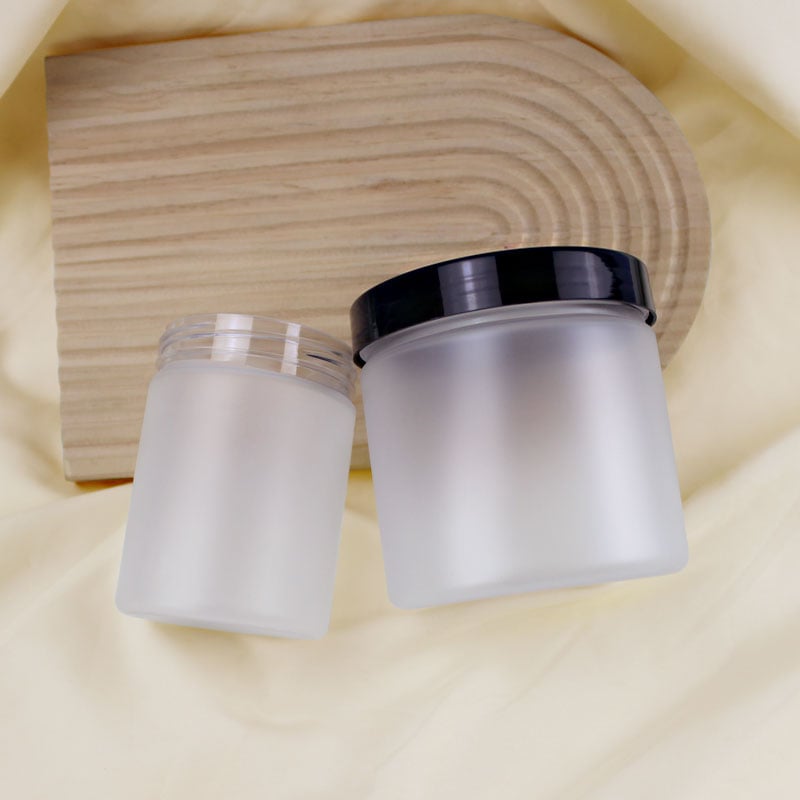
Zrozumienie, w jaki sposób słoiki z PET zapewniają wyższy poziom utrzymania świeżości, wymaga przeanalizowania podstawowych różnic w chemii polimerów, właściwościach barierowych oraz cechach fizycznych, które odróżniają poli(etylenu tereftalan) od innych tworzyw sztucznych, takich jak polietylen, polipropylen czy polistyren. Mechanizm ochrony zawartości przez słoiki z PET obejmuje wiele powiązanych ze sobą czynników, w tym tempo przenikania tlenu, przepuszczalność pary wodnej, obojętność chemiczną oraz stabilność strukturalną w różnych warunkach środowiskowych. Ta kompleksowa analiza wyjaśnia, dlaczego marki poszukujące optymalnej ochrony produktów coraz częściej określają Słoiki PET dla swoich premiumowych formuł, szczególnie w zastosowaniach, w których trwałość produktu ma bezpośredni wpływ na satysfakcję klientów i renomę marki.
Wyróżniające się właściwości barierowe PET wobec tlenu
Struktura cząsteczkowa i odporność na przenikanie tlenu
Wyjątkowa wydajność barierowa PET wobec tlenu wynika z gęstej, krystalicznej struktury cząsteczkowej łańcuchów polimerowych polietylenu tereftalanu. W przeciwieństwie do polietylenu lub polipropylenu, które charakteryzują się elastycznymi, przepuszczalnymi ułożeniami cząsteczkowymi, słoiki PET zawierają sztywne pierścienie aromatyczne w swoim szkielecie polimerowym, tworzące gęsto upakowaną macierz krystaliczną. Ta architektura cząsteczkowa znacząco ogranicza ścieżki dostępne dla cząsteczek tlenu w celu migracji przez ściankę pojemnika, zmniejszając szybkość przenikania tlenu do około jednej dziesiątej wartości odpowiadającej pojemnikom wykonanym z polietylenu o wysokiej gęstości o tej samej grubości ścianki.
Szybkość transmisji tlenu bezpośrednio wpływa na okres przydatności do spożycia produktów wrażliwych na utlenianie, takich jak olejki naturalne, witaminy, substancje zapachowe i aktywne składniki farmaceutyczne. W kontakcie z tlenem związki te ulegają reakcjom degradacji, które powodują powstawanie nieprzyjemnych zapachów, przebarwień, zmniejszenie skuteczności i potencjalne powstawanie szkodliwych produktów ubocznych utleniania. Słoiki PET skutecznie spowalniają ten proces degradacji, ograniczając dostępność tlenu w przestrzeni nad opakowaniem i zapobiegając ciągłemu przedostawaniu się tlenu z otoczenia.
Badania laboratoryjne wykazują, że słoiki z PET zachowują współczynnik przepuszczalności tlenu na poziomie poniżej 0,2 centymetra sześciennego na opakowanie na dobę w standardowych warunkach atmosferycznych, w porównaniu do wartości przekraczających 2,0 centymetra sześciennego dla porównywalnych pojemników z polipropylenu. Taka dziesięciokrotna poprawa przekłada się bezpośrednio na wydłużoną stabilność produktu, umożliwiając producentom przyznawanie dłuższych terminów przydatności do spożycia oraz redukcję liczby skarg użytkowników końcowych dotyczących przedwczesnego zepsucia produktów.
Wpływ na utlenianie produktu i zapobieganie zgorzelowi
Praktyczne korzyści wynikające z ograniczenia przepuszczalności tlenu stają się szczególnie widoczne w formułach kosmetycznych zawierających nienasycone kwasy tłuszczowe, naturalne ekstrakty roślinne oraz związki przeciwutleniające. Składniki te są szczególnie podatne na utleniową zgorzel, proces chemiczny, który nie tylko pogarsza właściwości użytkowe produktu, ale także powoduje nieprzyjemne zapachy oraz potencjalnie drażniące związki. Słoiki z PET tworzą skuteczną barierę, znacznie wydłużającą okres stabilności tych wrażliwych formuł.
W badaniach porównawczych okresu przydatności do spożycia kremy do ciała opakowane w słoikach z PET wykazywały wartości nadtlenków pozostające poniżej progów jakościowych przez okres do osiemnastu miesięcy, podczas gdy identyczne formuły w pojemnikach z polipropylenu przekroczyły dopuszczalne poziomy utlenienia już po dwunastu miesiącach. Ta wydłużona stabilność umożliwia markom bezpieczne dystrybucję produktów poprzez dłuższe łańcuchy dostaw, wspieranie rynków międzynarodowych charakteryzujących się dłuższymi czasami transportu oraz oferowanie konsumentom produktów zachowujących swoje zamierzone właściwości użytkowe przez cały oznaczony na opakowaniu okres przydatności do spożycia.
Zaleta PET w zakresie bariery tlenu staje się jeszcze bardziej wyraźna w zastosowaniach wykorzystujących naturalne systemy konserwujące, które zwykle zapewniają węższe marginesy stabilności niż alternatywy syntetyczne. Minimalizując dostępność tlenu, słoiki PET wspierają skuteczność naturalnych przeciwutleniaczy, takich jak witamina E, ekstrakt z rozmarynu oraz polifenole zielonej herbaty, umożliwiając markom tworzenie formuł o czystszych profilach składników bez utraty trwałości ani bezpieczeństwa produktu.
Wykonanie bariery wilgoci i ochrona przed wilgotnością
Szybkości przenikania pary wodnej w różnych materiałach plastycznych
Oprócz ochrony przed tlenem, słoiki z PET zapewniają lepszą barierę przeciwko wilgoci w porównaniu do większości alternatywnych materiałów opakowaniowych z tworzyw sztucznych. Współczynnik przenikania pary wodnej przez słoiki z PET zwykle mieści się w zakresie od 1,0 do 2,5 g na metr kwadratowy na dobę, co jest znacznie niższe niż zakres 5,0–8,0 g na metr kwadratowy na dobę obserwowany dla pojemników z polipropylenu w identycznych warunkach wilgotności. Zmniejszona przepuszczalność zapobiega napływowi wilgoci, który może spowodować degradację hydrolityczną, wzrost mikroorganizmów oraz niestabilność fizyczną w formułach higroskopijnych.
Kontrola wilgotności ma szczególne znaczenie dla formuł w postaci proszków, produktów bezzwodnych oraz aktywnych składników wrażliwych na wodę, stosowanych powszechnie w wysokiej klasy produktach do pielęgnacji skóry i zastosowaniach farmaceutycznych. Gdy produkty te pochłaniają wilgoć z atmosfery przez przepuszczalne opakowania, ulegają zapiekaniu, grudkowaniu, utracie płynności oraz przyspieszonej degradacji chemicznej. Słoiki z PET skutecznie izolują te wrażliwe zawartości od fluktuacji wilgotności otoczenia, zachowując teksturę i właściwości użytkowe produktu w różnych warunkach przechowywania.
Zaleta bariery przeciwwilgociowej staje się szczególnie istotna na rynkach geograficznych charakteryzujących się wysokim poziomem wilgotności lub znacznymi sezonowymi wahaniami wilgotności. Produkty dystrybuowane w klimatach tropikalnych lub przechowywane w łazienkach korzystają w znacznym stopniu z wzmocnionej ochrony przed wilgocią zapewnianej przez słoiki z PET, co przekłada się na mniejszą liczbę problemów ze stabilnością oraz na spójne doświadczenie użytkownika w całym cyklu życia produktu.
Zapobieganie degradacji produktu spowodowanej wilgocią
Mechanizmy, w których wilgoć pogarsza świeżość produktu, wykraczają poza proste efekty rozcieńczenia. Przenikanie wody może wywoływać reakcje hydrolizy w związkach opartych na estrach, sprzyjać namnażaniu się mikroorganizmów w preparatach konserwowanych, zmieniać stabilność emulsji w kremach i lotionach oraz utrudniać działanie systemów konserwujących wrażliwych na wilgoć. Słoiki z tworzywa PET eliminują wszystkie te punkty podatności, zapewniając stałe utrzymanie suchego środowiska wewnętrzego.
W protokołach testów stabilności formuły opakowane w słoiki z PET wykazały znacznie obniżone poziomy aktywności wody po sześciu miesiącach przechowywania w warunkach przyspieszonego starzenia w porównaniu do identycznych produktów w alternatywnych pojemnikach plastikowych. Utrzymanie niskiej aktywności wody koreluje bezpośrednio z obniżonym ryzykiem mikrobiologicznym, przedłużoną skutecznością konserwantów oraz zachowaniem spójności produktu. Ochrona przed wilgocią zapewniana przez słoiki z PET tworzy zasadniczo mikrośrodowisko izolujące produkt od zewnętrznych oddziaływań wilgotności.
Dla formuł bezzwodnych, takich jak balsamy, serum na bazie olejów oraz środki czyszczące bez zawartości wody, właściwości barierowe przed wilgocią słoików z PET są niezastąpione. Takie produkty zależą od całkowitego braku wody do zapewnienia stabilności, skuteczności działania oraz bezpieczeństwa mikrobiologicznego. Nawet minimalne przedostanie się wilgoci może naruszyć stabilność tych formuł, co czyni doskonałą barierę wilgotnościową słoików z PET wymogiem funkcyjnym, a nie jedynie dodatkową zaletą wydajnościową.
Obojętność chemiczna i zgodność z produktem
Nieaktywna natura polietylenu tereftalanu
Bezczynność chemiczna słoików z PET stanowi kolejny podstawowy mechanizm, dzięki któremu skuteczniej zapewniają one świeżość produktu niż wiele innych tworzyw plastycznych. Polietylen tereftalan wykazuje minimalną reaktywność wobec większości składników kosmetycznych, substancji czynnych stosowanych w farmaceutykach oraz składników żywności, zapobiegając niepożądanej interakcji chemicznej, która mogłaby naruszyć integralność produktu lub wprowadzić do niego zanieczyszczenia pochodzące od opakowania. Ta obojętność chemiczna wyraźnie kontrastuje z niektórymi innymi tworzywami plastycznymi, które mogą uwalniać do formuły produktu plastyczny, antyoksydanty lub środki pomocnicze stosowane w procesie wytwarzania.
Stabilność molekularna słoików z PET wynika z silnych wiązań estrów oraz struktur aromatycznych w łańcuchach polimerowych, które odpierają oddziaływanie z większością rozpuszczalników organicznych, olejami, alkoholami oraz związkami kwasowymi lub zasadowymi występującymi powszechnie w formułach do pielęgnacji skóry i leków. Ta szeroka zgodność umożliwia formułowaniom pakowanie agresywnych składników, takich jak kwasy alfa-hydroksylowe, związki retinolu, olejki eteryczne oraz toniki o wysokiej zawartości alkoholu w słoikach z PET bez obawy o degradację opakowania lub zanieczyszczenie produktu.
Badania migracji przeprowadzone zgodnie z obowiązującymi przepisami regulacyjnymi wykazują jednoznacznie, że słoiki z PET uwalniają pomijalne ilości składników polimeru lub dodatków do kontakt produktów, nawet w warunkach przyspieszonego starzenia. Niski poziom migracji zapewnia, że produkty zachowują swoje zamierzone składniki przez cały okres przydatności do spożycia, zapobiegając wprowadzeniu niepożądanych smaków, niepożądanych zapachów lub potencjalnie uczulających związków, które mogłyby zagrozić bezpieczeństwu produktu lub zaakceptowaniu go przez konsumentów.
Odporność na powszechne składniki kosmetyczne i farmaceutyczne
Praktyczne implikacje odporności chemicznej słoików PET stają się widoczne przy analizie ich zgodności z trudnymi kategoriami składników. Olejki eteryczne i związki zapachowe, które mogą plastycyzować lub degradować niektóre materiały plastyczne, wykazują doskonałą zgodność ze słoikami PET, zapewniając zarówno integralność opakowania, jak i wierność zapachu przez cały okres przydatności produktu. Podobnie formuły zawierające kwas glikolowy, kwas salicylowy lub inne kwasy eksfoliujące pozostają stabilne w słoikach PET bez występowania pęknięć spowodowanych naprężeniem materiału opakowania ani interakcji chemicznej.
Wysokotłuszczowe formuły, w tym masła do ciała, olejki do twarzy oraz mydła olejowe, szczególnie korzystają z odporności słoików PET na lipidy. Choć niektóre tworzywa sztuczne mogą ulec rozdęciu, zmienić konsystencję lub stać się kruche po narażeniu na oleje i formuły bogate w lipidy, słoiki PET zachowują stabilność wymiarową oraz właściwości mechaniczne. Ta odporność zapewnia niezawodne działanie zamknięcia, zapobiega odkształceniom pojemnika oraz utrzymuje właściwości barierowe niezbędne do długotrwałej świeżości produktu.
Odporność słoików PET na alkohol rozszerza zakres ich zastosowań o toniki, łagodniki skóry, środki dezynfekcyjne do rąk oraz inne formuły o wysokiej zawartości alkoholu, które mogłyby uszkodzić alternatywne pojemniki plastikowe. Produkty zawierające etanol w stężeniu do 70% pozostają kompatybilne ze słoikami PET – nie występuje mięknięcie, pęknięcie ani przepuszczalność pojemnika, które mogłyby zagrozić zachowaniu jakości produktu lub funkcjonalności pojemnika.
Stabilność fizyczna i integralność strukturalna
Stabilność wymiarowa w warunkach zmian temperatury
Wysoka stabilność wymiarowa słoików z PET w warunkach zmieniającej się temperatury znacząco przyczynia się do ich zdolności do zachowywania świeżości zawartości. W przeciwieństwie do niektórych alternatywnych materiałów plastycznych, które rozszerzają się, kurczą lub ulegają odkształceniom pod wpływem zmian temperatury, słoiki z PET zachowują stałe wymiary oraz tolerancje zamknięcia w typowym zakresie temperatur stosowanym podczas przechowywania i dystrybucji. Ta stabilność zapewnia ciągłą integralność uszczelnienia, zapobiegając zjawisku tzw. „oddychania pompy”, które może powodować wprowadzanie zanieczyszczeń do opakowania w trakcie cykli termicznych.
Temperatura przejścia szklistego polietylenu tereftalanu występuje w przybliżeniu w temperaturze siedemdziesiąt pięć stopni Celsjusza, znacznie powyżej typowych temperatur przechowywania produktów, co oznacza, że butelki PET zachowują swoją sztywną i stabilną strukturę w trakcie normalnych warunków dystrybucji i użytkowania. Ta podwyższona temperatura przejścia szklistego kontrastuje z polipropylenem i polietylenem o niskiej gęstości, które mogą miękknąć lub ulec odkształceniom w temperaturach występujących podczas letniego przechowywania lub międzynarodowej przewozu przez strefy klimatyczne o ciepłej pogodzie.
Stabilność termiczna wpływa również na właściwości barierowe materiałów opakowaniowych, ponieważ ruchliwość łańcuchów polimerowych ogólnie wzrasta wraz ze wzrostem temperatury, co może tworzyć ścieżki migracji substancji przenikających. Sztywna struktura cząsteczkowa butelek PET minimalizuje ten zależny od temperatury wzrost przepuszczalności, zapewniając spójną wydajność barierową wobec tlenu i wilgoci w zakresie temperatur występujących w rzeczywistych warunkach dystrybucji i przechowywania.
Odporność na uderzenia i utrzymanie integralności pojemnika
Wytrzymałość mechaniczna i odporność na uderzenia słoików z PET chronią świeżość produktu, zapobiegając uszkodzeniom pojemnika, które mogłyby naruszyć właściwości barierowe lub stworzyć ścieżki przedostawania się zanieczyszczeń. Trwała i elastyczna natura polietylenu tereftalanu zapobiega powstawaniu mikropęknięć i pęknięć spowodowanych naprężeniem, jakie mogą wystąpić w bardziej kruchych tworzywach sztucznych, zapewniając integralność barierową przez cały cykl życia produktu – od produkcji, przez dystrybucję, aż po użytkowanie przez konsumenta.
Testy obciążeniowe dystrybucji wykazują, że słoiki z PET wytrzymują typowe uderzenia podczas obsługi, wibracje oraz siły ściskające bez powstawania ukrytych uszkodzeń, które mogłyby przyspieszyć degradację produktu. Ta trwałość ma szczególne znaczenie dla produktów dystrybuowanych przez kanały e-commerce, gdzie paczki podlegają wielokrotnym operacjom manipulacyjnym oraz potencjalnym uderzeniom spowodowanym upadkiem. Zachowanie integralności opakowania w trakcie całego procesu dystrybucji zapewnia, że produkty docierają do konsumentów w niezmienionej świeżości.
Połączenie odporności na uderzenia i elastyczności nadaje słoikom z PET przewagę nad bardziej sztywnymi tworzywami plastycznymi, które mogą pękać pod wpływem uderzeń, jak również nad bardziej elastycznymi tworzywami, które mogą ulec odkształceniom i zagrozić szczelności zamknięcia. Zrównoważony profil mechaniczny wspiera spójną wydajność w różnorodnych środowiskach dystrybucyjnych – od magazynów z kontrolowaną temperaturą, przez wystawy detaliczne o zmiennej temperaturze, po łazienki użytkowników, w których występują wahania wilgotności i temperatury.
Ochrona przed promieniowaniem UV i zapobieganie fotodegradacji
Właściwości wewnętrznej ochrony przed promieniowaniem UV materiału PET
Możliwość zastosowania słoików z PET do ekranowania promieniowania ultrafioletowego stanowi dodatkowy mechanizm zachowywania świeżości, który często pozostaje pominięty przy porównywaniu materiałów opakowaniowych. Choć niezmodyfikowane słoiki z PET zapewniają umiarkowaną ochronę przed promieniowaniem UV dzięki swojej wewnętrznej strukturze molekularnej, to podstawowa zdolność ekranowania zapobiega znacznej części fotodegradacji wpływającej na składniki wrażliwe na światło. Pierścienie aromatyczne w strukturze polietylenu tereftalanu pochłaniają energię UV, szczególnie w zakresie krótszych długości fal, które są najbardziej szkodliwe dla związków organicznych.
Fotodegradacja stanowi istotne wyzwanie stabilnościowe dla produktów zawierających witaminy, naturalne barwniki, olejki eteryczne oraz wiele aktywnych składników farmaceutycznych. Narażenie na promieniowanie UV wywołuje powstawanie rodników wolnych, łańcuchowe reakcje utleniania oraz fragmentację cząsteczkową, które kompromitują skuteczność produktu i prowadzą do powstania produktów degradacji o zmienionych profilach bezpieczeństwa.
W przypadku zastosowań wymagających wzmocnionej ochrony przed światłem słońca butelki z PET łatwo przyjmują barwniki oraz dodatki pochłaniające promieniowanie UV, które dalszym stopniem ograniczają przepuszczalność światła bez pogarszania korzystnych właściwości barierowych i mechanicznych materiału. Ta elastyczność pozwala inżynierom ds. opakowań zoptymalizować ochronę przed światłem dla konkretnych wrażliwości produktu, zachowując jednocześnie wszystkie inne zalety eksploatacyjne, dzięki którym butelki z PET są doskonałymi pojemnikami zapewniającymi zachowanie świeżości.
Ochrona światłoczułych składników aktywnych
Praktyczny wpływ ekranowania przed promieniowaniem UV staje się widoczny przy analizie danych dotyczących stabilności preparatów wrażliwych na światło. Produkty zawierające retinol, opakowane w słoikach z PET-u, wykazują znacznie niższe tempo degradacji w porównaniu do identycznych formuł w bardzo przezroczystych pojemnikach plastikowych, utrzymując stężenia terapeutyczne przez dłuższy czas. Podobnie barwniki naturalne pochodzenia botanicznego zachowują swój odcień i intensywność przez dłuższy okres, gdy są chronione przez właściwości ekranujące UV słoików z PET-u.
Aromaty oparte na olejkach eterycznych stanowią kolejną kategorię, która znacznie korzysta z ochrony przed światłem zapewnianej przez słoiki PET. Degradacja fotochemiczna terpenów i związków aromatycznych zmienia profil zapachowy, wprowadzając niepożądane nuty oraz zmniejszając intensywność pożądanych cech zapachowych. Ograniczając narażenie na promieniowanie UV, słoiki PET pomagają zachować wierność zapachu w całym okresie przydatności produktu, zapewniając konsumentom odczuwanie zamierzonego profilu sensorycznego od pierwszego użycia aż do zużycia całego produktu.
Połączenie ochrony przed światłem z doskonałymi barierami przeciwko tlenu i wilgoci tworzy synergiczny efekt konserwacyjny w słoikach PET, który przewyższa sumę poszczególnych mechanizmów ochronnych. Produkty wrażliwe na wiele ścieżek degradacji korzystają z tej kompleksowej ochrony, osiągając stabilność, której poziom często zaskakuje formulatorów zaznajomionych z bardziej ograniczonymi możliwościami konserwacyjnymi alternatywnych materiałów opakowań plastikowych.
Najczęściej zadawane pytania
Dlaczego słoiki z PET są skuteczniejsze niż pojemniki z polipropylenu w zachowywaniu świeżości produktu?
Słoiki z PET zapewniają lepsze właściwości barierowe wobec tlenu niż polipropylen, przy współczynnikach przenikania tlenu około dziesięć razy niższych w porównywalnych warunkach. Ten znaczący spadek przepuszczalności dla tlenu istotnie wydłuża termin przydatności do spożycia składników wrażliwych na utlenianie, takich jak naturalne oleje, witaminy oraz ekstrakty botaniczne. Ponadto słoiki z PET zapewniają lepszą ochronę przed wilgocią, przy współczynnikach przenikania pary wodnej mniej więcej o połowę niższych niż u pojemników z polipropylenu. Połączenie wzmocnionej bariery tlenu i wilgoci, a także doskonałej obojętności chemicznej i stabilności wymiarowej czyni słoiki z PET lepszym wyborem do zachowywania świeżości produktu w przypadku różnorodnych formuł oraz warunków przechowywania.
Czy słoiki z PET mogą chronić produkty zawierające kwasy lub wysokie stężenia alkoholu?
Słoiki z PET wykazują doskonałą odporność chemiczną zarówno na formuły kwasowe, jak i produkty o wysokiej zawartości alkoholu, co czyni je odpowiednimi do opakowywania kwasów alfa-hydroksylowych, kwasów beta-hydroksylowych, toników zawierających do siedemdziesięciu procent etanolu oraz innych trudnych układów składników. Struktura cząsteczkowa polietylenu tereftalanu zapobiega oddziaływaniu z tymi agresywnymi związkami, zachowując integralność pojemnika, właściwości barierowe oraz stabilność wymiarową przez cały okres przydatności produktu do spożycia. W przeciwieństwie do niektórych alternatywnych tworzyw sztucznych, które mogą miękknąć, pękać lub ulec przyspieszonej permeacji pod wpływem kwasów lub alkoholi, słoiki z PET zapewniają niezawodną ochronę bez kompromisów w zakresie wydajności pojemnika ani stabilności produktu.
W jaki sposób słoiki z PET zapobiegają degradacji produktów wrażliwych na wilgoć w wilgotnych środowiskach?
Słoiki z PET utrzymują wskaźniki przenikania pary wodnej w zakresie od 1,0 do 2,5 g na metr kwadratowy na dobę, co jest znacznie niższe niż u większości alternatywnych materiałów plastycznych. Zmniejszona przepuszczalność dla wilgoci tworzy barierę ochronną, która izoluje produkty higroskopijne przed fluktuacjami wilgotności otoczenia, zapobiegając degradacji wywołanej wilgocią, w tym reakcjom hydrolizy, namnażaniu się mikroorganizmów, zmianom tekstury oraz osłabieniu systemu konserwującego. Ochrona przed wilgocią staje się szczególnie ważna w przypadku formuł bezwodnych, produktów w postaci proszków oraz formuł dystrybuowanych na rynkach geograficznych o wysokiej wilgotności lub przechowywanych w łazienkach, gdzie kondensacja i ekspozycja na wilgoć stanowią stałe wyzwanie dla stabilności.
Czy istnieją konkretne kategorie produktów, które najbardziej korzystają z opakowań w słoikach z PET?
Produkty zawierające składniki wrażliwe na utlenianie, takie jak oleje naturalne, retinol, pochodne witaminy C oraz ekstrakty roślinne, znacznie korzystają z doskonałych właściwości PET w zakresie zapobiegania przepływowi tlenu. Formuły wrażliwe na wilgoć, w tym produkty bezzwodne, leki w postaci proszków oraz balsamy do czyszczenia bez wody, polegają na doskonałej odporności PET na przenikanie wilgoci. Składniki wrażliwe na światło, takie jak olejki eteryczne, naturalne barwniki oraz fotoreaktywne substancje czynne, są chronione dzięki właściwościom ekranowania przed promieniowaniem UV. Ponadto formuły zawierające agresywne układy składników – w tym kwasy, wysokie stężenia alkoholu lub bogate w lipidy kompozycje – korzystają z chemicznej obojętności i szerokiej zgodności charakterystycznych dla słoików PET, co czyni je optymalnym wyborem opakowań w aplikacjach premium z zakresu kosmetyków, farmaceutyków oraz specjalistycznych środków do pielęgnacji osobistej.
Spis treści
- Wyróżniające się właściwości barierowe PET wobec tlenu
- Wykonanie bariery wilgoci i ochrona przed wilgotnością
- Obojętność chemiczna i zgodność z produktem
- Stabilność fizyczna i integralność strukturalna
- Ochrona przed promieniowaniem UV i zapobieganie fotodegradacji
-
Najczęściej zadawane pytania
- Dlaczego słoiki z PET są skuteczniejsze niż pojemniki z polipropylenu w zachowywaniu świeżości produktu?
- Czy słoiki z PET mogą chronić produkty zawierające kwasy lub wysokie stężenia alkoholu?
- W jaki sposób słoiki z PET zapobiegają degradacji produktów wrażliwych na wilgoć w wilgotnych środowiskach?
- Czy istnieją konkretne kategorie produktów, które najbardziej korzystają z opakowań w słoikach z PET?