
 EN
EN
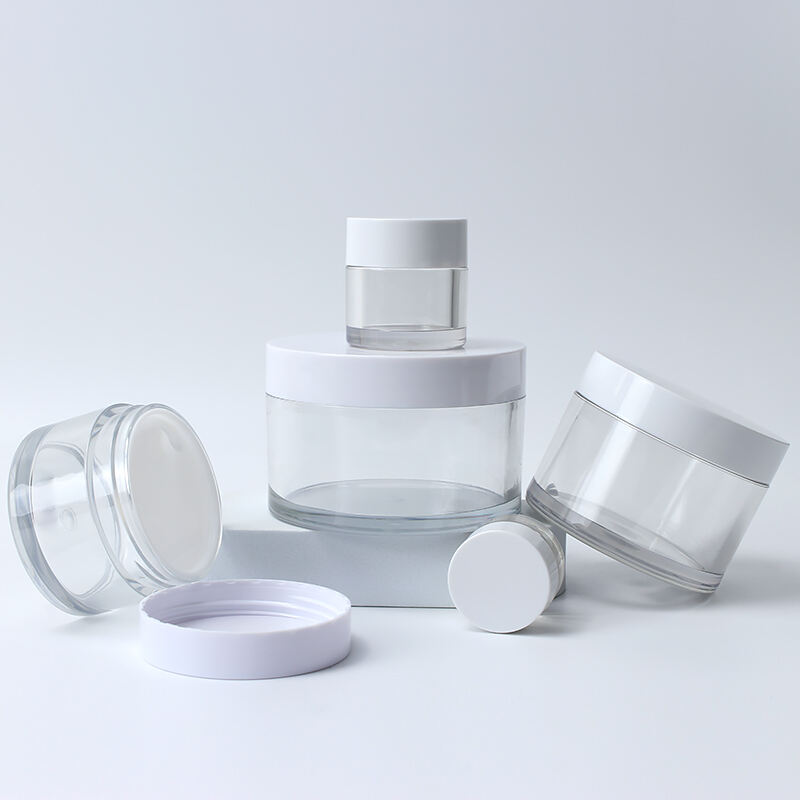
The Science of Protection and Presentation in Modern Skincare
In the meticulously crafted world of skincare, the journey of a potent formulation does not end at the laboratory; it is meticulously safeguarded within its final vessel. The selection of packaging is a critical, science-driven decision that directly influences a product's stability, efficacy, and shelf life. Among the options, plastic cream jars have emerged as a predominant and highly functional choice for brands and manufacturers globally. But what specific properties elevate these containers from simple holders to essential preservation systems? The answer lies in a confluence of material science, barrier technology, and user-centric design. Modern plastic cream jars are engineered to create a stable microenvironment, shielding delicate active ingredients from their greatest enemies: air, light, contamination, and chemical degradation. This exploration delves into the multifaceted reasons why well-designed plastic cream jars are often the ideal guardians for skincare product integrity.
The Material Science of Barrier Protection
At the heart of a plastic cream jar's preservative ability is the intrinsic property of its polymer resin. Not all plastics are equal, and the selection of specific materials creates the first and most important line of defense for a skincare formulation. This choice determines how the container interacts with oxygen, light, and the product's own complex chemistry. Understanding this material science is key to appreciating why a plastic cream jar is more than just a pot; it is a selectively permeable shield.
Oxygen and Light Barrier Properties
The degradation of many prized skincare actives—such as vitamin C, retinoids, and certain peptides—is accelerated by exposure to oxygen (oxidation) and ultraviolet light (photodegradation). A high-quality plastic cream jar is designed to mitigate these threats. Polymers like polypropylene (PP) and its engineered variants offer excellent resistance to gas transmission. This means they significantly slow the permeation of ambient oxygen into the jar, thereby extending the active life of the formulation within. Furthermore, while some plastic cream jar designs utilize transparent materials for a pure aesthetic, many employ opaque, tinted, or UV-inhibiting compounds. Have you ever wondered why vitamin C serums often come in dark amber bottles, while many rich moisturizers reside in opaque white jars? This strategic use of color and opacity in a plastic cream jar acts as a light barrier, filtering out specific wavelengths that can break down sensitive molecules, ensuring the cream inside remains potent from the first application to the last.
Moisture Retention and Formula Stability
The texture and efficacy of a skincare cream are dependent on maintaining its precise water content and emulsion structure. A poorly chosen container can allow water vapor to escape, leading to product drying, cracking, or a change in consistency. Conversely, it must also prevent external humidity from altering the product. A well-manufactured plastic cream jar, especially when paired with a precision-fit seal, provides a consistently closed environment. This hermetic protection is crucial for water-based formulations and those containing hygroscopic ingredients that attract moisture. By maintaining a stable internal atmosphere, the plastic cream jar prevents the cream from undergoing unwanted physical changes, delivering the same luxurious texture and performance every time the consumer opens it.
Compatibility and Product Integrity
Beyond creating a barrier against the external environment, the ideal packaging must be an inert partner to the formulation it holds. The material of the plastic cream jar must not engage in any chemical dialogue with the cream’s complex blend of oils, actives, preservatives, and fragrances. This passive compatibility is a cornerstone of product preservation and safety, ensuring that what was formulated is exactly what reaches the user’s skin.
Chemical Inertness and Non-Reactivity
Skincare formulations are intricate chemical cocktails with specific pH balances and delicate active ingredients. The plastic resin used for a plastic cream jar must be thoroughly tested for compatibility to ensure it does not leach any plasticizers, stabilizers, or other compounds into the product. High-density polyethylene (HDPE) and polypropylene (PP), commonly used for plastic cream jar production, are renowned for their chemical inertness. They do not react with acidic or alkaline components, oils, or butters, making them a safe and stable housing. This non-reactivity guarantees that the efficacy and safety profile of the skincare formula remain uncompromised throughout its lifespan within the plastic cream jar, from filling line to consumer’s bathroom shelf.
Preserving Delicate Active Ingredients
Many modern skincare actives are both powerful and fragile. The contained environment of a plastic cream jar can be optimized for these ingredients. For instance, airless jar technology, which utilizes a piston system to dispense product without allowing air back in, is frequently housed within a plastic cream jar structure. This design is particularly advantageous for preservative-free or natural formulations, as it drastically reduces the risk of microbial contamination introduced by repeated finger dipping. By minimizing the product’s exposure to air and bacteria with each use, this type of advanced plastic cream jar system offers superior preservation for the most sensitive and valuable formulations, maximizing the return on investment for both the brand and the consumer in terms of ingredient performance.
Functional Design for Consumer Preservation
The preservative function of a plastic cream jar extends beyond its molecular barriers to include its physical design and usability. How a consumer interacts with the jar plays a significant role in how well the product inside is kept from contamination and degradation. Intelligent design features in a plastic cream jar can guide proper usage and prevent common causes of product spoilage.
Minimizing Contamination Through Design
The traditional wide-mouth jar, while aesthetically pleasing, presents a notable challenge: every time a user inserts their fingers, they introduce microbes, dirt, and oils into the product. Modern plastic cream jar designs ingeniously address this. Many now incorporate built-in spatulas or scoops that sit in the lid, encouraging a more hygienic application method and keeping the main body of cream pure. Furthermore, the internal shoulders, threading, and rim of a high-quality plastic cream jar are designed to be smooth and non-porous, preventing cream from becoming trapped in crevices where it could oxidize and contaminate the fresh product below. These thoughtful details in a plastic cream jar transform it from a passive container into an active tool for maintaining product hygiene throughout its use.
Ensuring a Consistent and Secure Seal
The most advanced barrier polymer is rendered useless if the jar does not seal perfectly. The preservation efficacy of a plastic cream jar hinges on the integrity of the seal between the jar body and its lid. Precision engineering ensures that the threads engage smoothly and consistently, and the inclusion of a complementary liner—often made from materials like foamed polyethylene or silicone-based compounds—creates an airtight, moisture-tight closure. When a consumer hears that satisfying snap or completes a smooth twist, they are not just closing a lid; they are reactivating the jar’s preservation system. This reliable re-sealability is a fundamental, yet often overlooked, feature that makes a dependable plastic cream jar a true guardian of product freshness.
Aligning with Modern Values and Aesthetics
Today’s plastic cream jar is not only a functional item but also a touchpoint that communicates brand values. The evolution of materials and manufacturing processes allows these containers to meet contemporary demands for sustainability and aesthetic sophistication, further solidifying their ideal role in the market.
Advancements in Sustainable Material Options
The conversation around packaging is increasingly focused on environmental impact. In response, innovations in plastic cream jar production are significant. Many jars are now made with post-consumer recycled (PCR) content, diverting plastic waste from landfills and reducing the carbon footprint of new packaging. Furthermore, the mono-material construction of a typical polypropylene plastic cream jar (where the jar and often the lid are the same type of plastic) enhances its recyclability at end-of-life. Brands can thus utilize a plastic cream jar that aligns with eco-conscious values without sacrificing the protective and aesthetic qualities required for premium skincare, offering a responsible solution that resonates with modern consumers.
Versatility in Brand Expression and Sensory Appeal
The functional superiority of plastic cream jar is complemented by its immense versatility in brand presentation. Advanced molding techniques allow for an extensive range of shapes, sizes, and finishes—from minimalist and matte to luxurious, high-gloss effects. The weight, thickness (feel), and opacity of the jar can be precisely calibrated to convey a brand’s positioning, whether it is clinical, natural, or indulgent. This ability to fuse unyielding protection with customizable aesthetics makes the plastic cream jar a uniquely powerful tool for brands to deliver both product efficacy and a memorable, tactile experience that consumers appreciate and trust.
Frequently Asked Questions About Plastic Cream Jars
Are plastic cream jars as good as glass jars for preserving skincare?
For many formulations, a well-designed plastic cream jar can offer superior or equal preservation to glass. While glass is completely impermeable and inert, it is heavy, breakable, and offers no inherent light protection unless colored. A high-quality plastic cream jar made from materials like PP provides excellent barrier properties, is lightweight and shatterproof, and can be easily manufactured in opaque forms for complete light protection. The choice often hinges on the specific formula, brand image, and functional requirements like airless technology, which is more readily implemented in plastic cream jar designs.
How can I tell if a plastic cream jar is protecting my product effectively?
Signs of effective preservation in a plastic cream jar include consistent product texture, color, and scent throughout its use. If your cream changes texture, separates, or develops an off-odor prematurely, it may indicate a failure in the jar’s seal or barrier properties. Visually, a jar that feels sturdy, has a tight-fitting lid with a secure seal, and is opaque or tinted for light-sensitive formulas are all good indicators of a plastic cream jar designed for serious preservation.
Are there skincare products that should not be packaged in plastic cream jars?
Extremely volatile or solvent-based formulations may require specialized packaging. However, for the vast majority of water-in-oil or oil-in-water emulsions (creams and lotions), serums, and balms, a compatible plastic cream jar is perfectly suitable. The key is the manufacturer’s testing to ensure chemical compatibility between the specific formula and the specific resin of the plastic cream jar to prevent any interaction over time.
What are the latest innovations in plastic cream jar technology?
The frontier of plastic cream jar innovation is focused on enhancing sustainability and user experience. This includes jars made from 100% PCR materials or bio-sourced plastics, and the proliferation of integrated airless pump mechanisms within a jar format. There is also development in “smart” materials that could potentially offer even more dynamic barrier properties. The modern plastic cream jar is a dynamic category, continually evolving to better preserve products, meet environmental goals, and elevate the consumer experience.