
 EN
EN
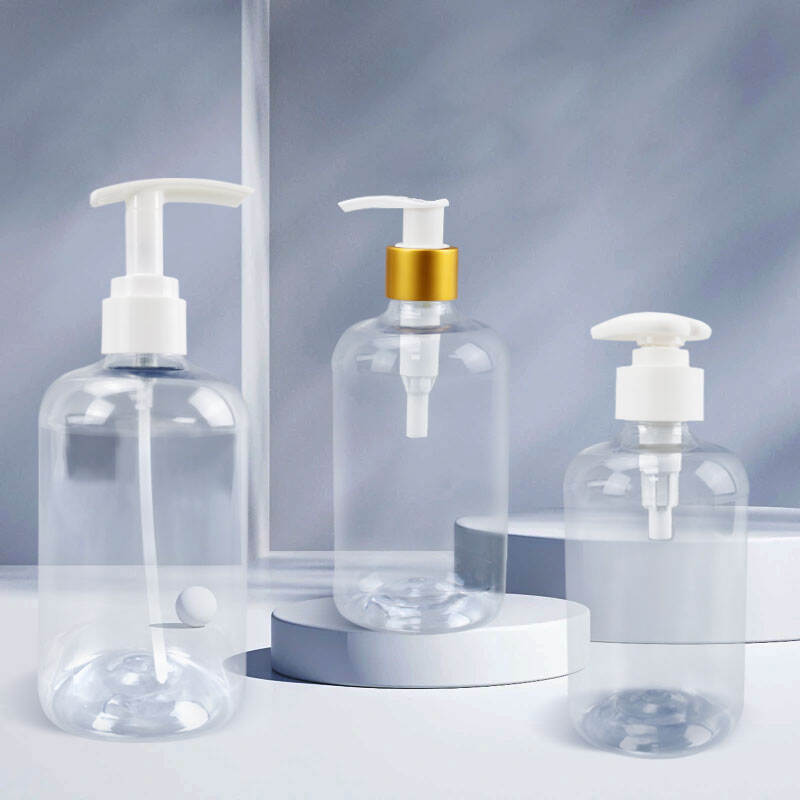
The beauty industry continues to evolve at a rapid pace, with packaging innovations playing a crucial role in brand differentiation and consumer appeal. Modern plastic cosmetic bottle designs are transforming how consumers interact with their favorite beauty products, combining functionality with aesthetic appeal in unprecedented ways. These innovative packaging solutions are not only reshaping the visual landscape of cosmetics but also addressing growing environmental concerns while maintaining the durability and cost-effectiveness that brands require.
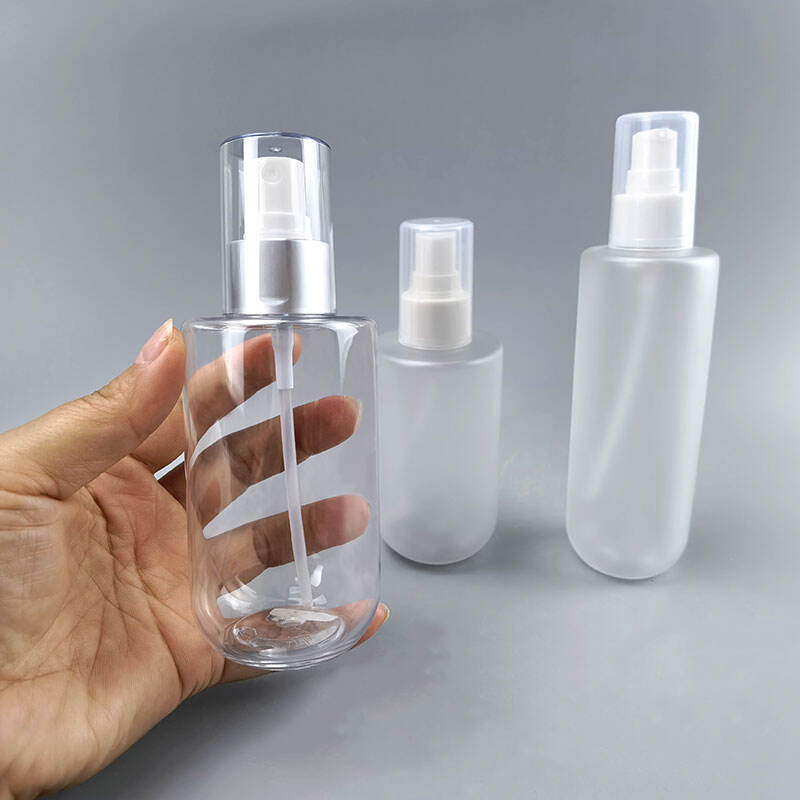
Today's packaging designers are pushing the boundaries of what's possible with plastic materials, creating bottles that serve as both functional containers and marketing tools. The integration of advanced manufacturing techniques with creative design elements has resulted in packaging that tells a story, evokes emotions, and creates memorable brand experiences. This shift represents a fundamental change in how the cosmetics industry approaches product presentation and consumer engagement.
Sustainable Materials Revolution
Bio-Based Plastic Innovations
The cosmetics packaging industry is witnessing a significant shift toward sustainable materials, with bio-based plastics leading the charge in eco-friendly plastic cosmetic bottle production. These innovative materials, derived from renewable sources such as sugarcane, corn starch, and algae, offer comparable performance to traditional petroleum-based plastics while dramatically reducing environmental impact. Major beauty brands are increasingly adopting these materials to meet consumer demand for environmentally responsible packaging solutions.
Bio-based plastics maintain the essential properties that make traditional plastic cosmetic bottle designs so popular, including chemical resistance, lightweight construction, and excellent barrier properties. However, they offer the added benefit of biodegradability or compostability under specific conditions. This advancement allows brands to maintain product integrity while demonstrating their commitment to environmental stewardship, a factor that significantly influences purchasing decisions among environmentally conscious consumers.
Recycled Content Integration
Post-consumer recycled content is becoming a standard feature in modern plastic cosmetic bottle manufacturing, with many brands committing to using 50% or more recycled materials in their packaging. This trend reflects both regulatory pressures and consumer expectations for circular economy practices. Advanced sorting and cleaning technologies have made it possible to incorporate recycled plastics without compromising the visual appeal or functional performance of cosmetic packaging.
The integration of recycled content has also spurred innovation in bottle design, as manufacturers work to create appealing aesthetics while managing the inherent color variations and material properties of recycled plastics. This challenge has led to creative solutions such as strategic opacity levels, textured surfaces, and innovative color schemes that embrace rather than hide the recycled nature of the materials used in each plastic cosmetic bottle.
Smart Packaging Technologies
Digital Integration Features
The convergence of digital technology with traditional packaging has created exciting opportunities for enhanced consumer engagement through smart plastic cosmetic bottle designs. Near Field Communication chips, QR codes, and augmented reality markers are being seamlessly integrated into bottle designs, providing consumers with instant access to product information, usage tutorials, and personalized recommendations. This technology transforms static packaging into dynamic, interactive marketing platforms.
Smart packaging features also enable brands to gather valuable consumer data and provide post-purchase support, creating opportunities for ongoing engagement beyond the initial sale. Temperature-sensitive inks and UV-reactive materials are being incorporated into plastic cosmetic bottle designs to provide visual indicators of product freshness, storage conditions, or authenticity, adding functional value while maintaining aesthetic appeal.
Customization and Personalization
Advanced digital printing technologies are enabling unprecedented levels of customization in plastic cosmetic bottle production, allowing brands to offer personalized packaging experiences at scale. Variable data printing systems can create unique designs for individual consumers, incorporating names, custom colors, or personalized messages directly onto the bottle surface. This trend toward mass customization is particularly popular among younger consumers who value unique, Instagram-worthy packaging.
The personalization trend extends beyond surface decoration to include functional customization, with modular plastic cosmetic bottle systems that allow consumers to mix and match components, colors, and accessories. This approach not only enhances the user experience but also encourages brand loyalty by creating emotional connections between consumers and their personalized packaging solutions.
Minimalist Design Philosophy
Clean Label Aesthetics
The minimalist design movement has profoundly influenced plastic cosmetic bottle aesthetics, with brands embracing clean lines, simplified graphics, and reduced visual clutter. This approach reflects broader consumer trends toward authenticity and transparency, with packaging that communicates product quality through understated elegance rather than flashy graphics. The minimalist aesthetic also aligns with sustainability goals by reducing the use of decorative elements and complex printing processes.
Clean label design principles emphasize the inherent beauty of the plastic cosmetic bottle form itself, with designers focusing on proportions, surface textures, and subtle details rather than elaborate graphics. This trend has led to renewed appreciation for the technical aspects of bottle design, including wall thickness variations, surface treatments, and the interplay between transparency and opacity in creating visually striking yet simple packaging solutions.
Monochromatic Color Schemes
Monochromatic and neutral color palettes have become dominant in contemporary plastic cosmetic bottle design, reflecting consumer preferences for sophisticated, timeless aesthetics. These restrained color schemes allow the product itself to become the focal point while creating a cohesive brand identity across product lines. The trend toward monochromatic design also simplifies manufacturing processes and reduces the complexity of color matching across different production runs.
The strategic use of single colors or tonal variations in plastic cosmetic bottle design creates visual depth and interest without relying on multiple colors or complex graphics. This approach is particularly effective in premium product segments, where understated elegance communicates quality and sophistication to discerning consumers who appreciate refined design sensibilities.
Functional Innovation Trends
Dispensing System Evolution
Modern dispensing systems integrated into plastic cosmetic bottle designs are becoming increasingly sophisticated, with features that enhance user experience while maintaining product integrity. Airless pump systems, precision droppers, and controlled-release mechanisms are being seamlessly incorporated into bottle designs, eliminating the need for separate applicators while ensuring optimal product delivery. These integrated systems also help prevent contamination and extend product shelf life.
The evolution of dispensing technology has enabled the development of multi-chamber systems within single plastic cosmetic bottle units, allowing for the separation of incompatible ingredients until the moment of use. This innovation opens new possibilities for product formulation while maintaining the convenience and aesthetic appeal of traditional single-chamber designs.
Ergonomic Enhancements
User experience considerations are driving significant innovations in the ergonomic aspects of plastic cosmetic bottle design, with manufacturers investing in detailed studies of consumer interaction patterns and preferences. Grip-enhancing textures, optimized weight distribution, and intuitive shape cues are being incorporated to create packaging that feels natural and comfortable in users' hands. These enhancements are particularly important for products used in bathroom environments where wet conditions can affect grip security.
The integration of ergonomic features extends beyond basic handling to include considerations for users with varying physical abilities and dexterity levels. Universal design principles are being applied to plastic cosmetic bottle development, ensuring that packaging remains accessible to elderly consumers and those with limited hand mobility while maintaining the sleek aesthetics that appeal to all demographics.
Surface Treatment Innovations
Textural Design Elements
Advanced surface treatment technologies are enabling plastic cosmetic bottle manufacturers to create increasingly sophisticated textural effects that enhance both visual appeal and tactile experience. Micro-texturing, selective glossing, and gradient surface treatments create depth and interest while maintaining the practical benefits of plastic materials. These techniques allow designers to simulate premium materials such as glass or metal while retaining the lightweight and shatter-resistant properties of plastic.
The strategic application of textural elements serves both aesthetic and functional purposes, with grip-enhancing patterns placed in optimal locations for user interaction. Surface treatments can also be used to create visual hierarchy and guide user attention to important information or branding elements on the plastic cosmetic bottle surface, creating more effective communication with consumers.
Optical Effects and Finishes
Cutting-edge optical effects are being incorporated into plastic cosmetic bottle designs through innovative surface treatments and material formulations. Iridescent finishes, color-shifting effects, and holographic patterns create dynamic visual experiences that change based on viewing angle and lighting conditions. These effects are achieved through specialized coating technologies and engineered surface structures that manipulate light reflection and refraction.
The application of optical effects extends beyond purely decorative purposes to include functional applications such as anti-counterfeiting measures and product differentiation. These sophisticated surface treatments help brands create memorable packaging experiences while providing authentication features that protect consumers and brand integrity in the marketplace.
Size and Format Diversification
Travel-Friendly Configurations
The growing importance of travel-friendly packaging has driven innovation in compact plastic cosmetic bottle designs that maintain functionality while meeting airline regulations and consumer mobility needs. Collapsible bottles, nested systems, and multi-functional containers are being developed to maximize convenience without sacrificing product protection or user experience. These innovations reflect changing lifestyle patterns and the increasing importance of on-the-go beauty routines.
Travel-oriented plastic cosmetic bottle designs often incorporate features such as leak-proof sealing systems, TSA-compliant sizing, and space-efficient shapes that fit easily into travel bags. The challenge of creating travel-friendly packaging has led to innovative approaches to bottle construction and closure design, resulting in solutions that benefit all consumers, not just frequent travelers.
Micro and Precision Dosing
The trend toward concentrated formulations and precision dosing has influenced the development of smaller, more precise plastic cosmetic bottle formats that deliver exact amounts of product with each use. These systems reduce waste, ensure optimal product performance, and provide cost-effective solutions for expensive active ingredients. The precision dosing trend also aligns with consumer preferences for customizable beauty routines and targeted treatments.
Micro-dosing systems integrated into plastic cosmetic bottle designs require sophisticated engineering to ensure consistent delivery and prevent clogging or contamination. These technical challenges have driven innovations in valve design, material selection, and manufacturing precision, resulting in more reliable and user-friendly dispensing systems across the entire product category.
FAQ
How do sustainable materials affect the performance of plastic cosmetic bottles?
Sustainable materials used in modern plastic cosmetic bottle production maintain comparable performance to traditional plastics in terms of barrier properties, chemical resistance, and durability. Bio-based plastics and recycled content integration have been refined to meet the stringent requirements of cosmetic packaging, including protection against contamination, UV stability, and compatibility with various formulations. The main differences lie in end-of-life disposal options, with sustainable materials offering biodegradability or improved recyclability without compromising product protection during use.
What smart packaging features are most popular in current plastic cosmetic bottle designs?
The most popular smart packaging features include NFC chips for product authentication and information access, QR codes linking to digital content and tutorials, temperature-sensitive inks indicating storage conditions, and UV-reactive materials showing product freshness. These technologies are seamlessly integrated into plastic cosmetic bottle designs without compromising aesthetics, providing added value through enhanced consumer engagement and functional benefits such as anti-counterfeiting protection and usage guidance.
How are ergonomic considerations being incorporated into modern plastic cosmetic bottle designs?
Ergonomic enhancements in plastic cosmetic bottle design focus on grip comfort, weight distribution, and ease of use across diverse consumer demographics. Features include strategically placed textural elements for improved grip, optimized bottle shapes that fit naturally in the hand, and closure designs that accommodate varying dexterity levels. Universal design principles ensure accessibility for elderly users and those with mobility limitations while maintaining aesthetic appeal for all consumers.
What role do surface treatments play in differentiating plastic cosmetic bottle products?
Surface treatments serve both aesthetic and functional purposes in plastic cosmetic bottle differentiation, creating unique tactile experiences and visual effects that enhance brand recognition. Advanced treatments include micro-texturing for grip enhancement, optical effects such as iridescence and color-shifting, and selective finishing techniques that highlight specific design elements. These treatments also provide practical benefits such as anti-counterfeiting features and improved handling characteristics while maintaining the cost-effectiveness and manufacturing advantages of plastic materials.
Table of Contents
- Sustainable Materials Revolution
- Smart Packaging Technologies
- Minimalist Design Philosophy
- Functional Innovation Trends
- Surface Treatment Innovations
- Size and Format Diversification
-
FAQ
- How do sustainable materials affect the performance of plastic cosmetic bottles?
- What smart packaging features are most popular in current plastic cosmetic bottle designs?
- How are ergonomic considerations being incorporated into modern plastic cosmetic bottle designs?
- What role do surface treatments play in differentiating plastic cosmetic bottle products?