
 EN
EN
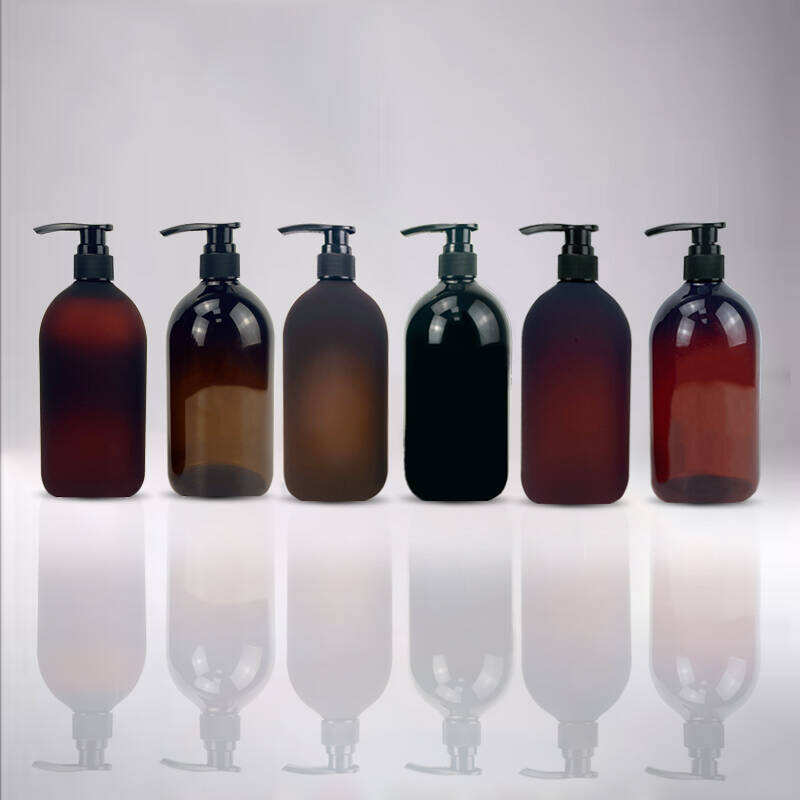
Modern liquid packaging solutions have evolved significantly, with the plastic pump bottle emerging as a preferred choice across multiple industries. From personal care products to pharmaceutical applications, these versatile containers offer unmatched convenience and functionality. The growing demand for efficient dispensing systems has positioned the plastic pump bottle as an essential component in contemporary packaging strategies, delivering both practicality and cost-effectiveness for manufacturers and consumers alike.
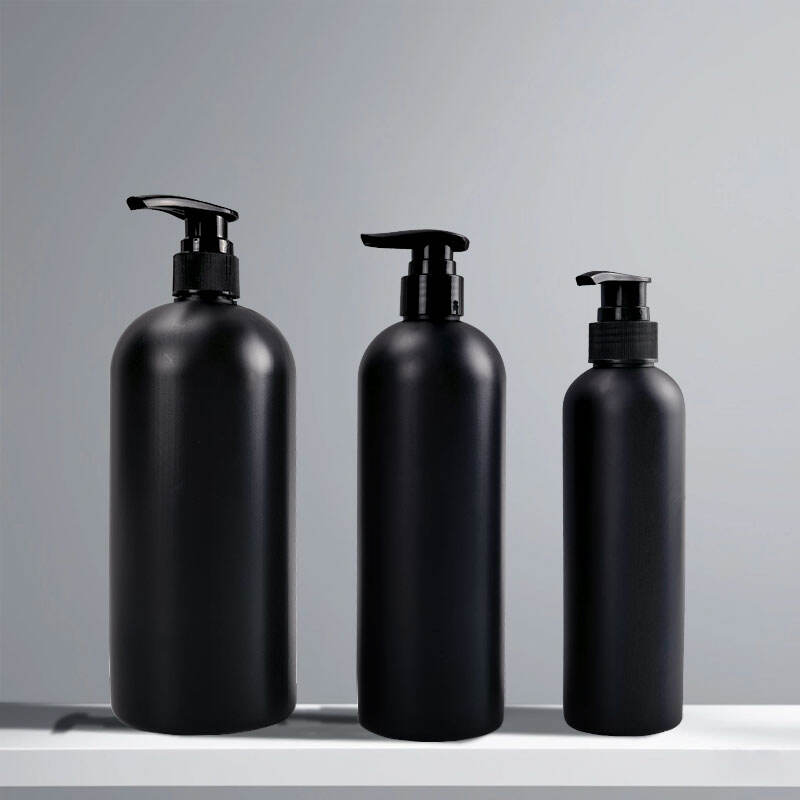
Enhanced User Experience and Convenience
Effortless Dispensing Mechanism
The primary advantage of utilizing a plastic pump bottle lies in its intuitive dispensing mechanism that eliminates the need for complex opening procedures. Users can access the contents with a simple press of the pump mechanism, making it particularly valuable for individuals with limited dexterity or mobility challenges. This seamless operation reduces spillage and waste while maintaining product integrity throughout the usage period.
The pump mechanism allows for precise portion control, enabling users to dispense exactly the amount needed for each application. This controlled dispensing feature proves especially beneficial in professional settings where product consistency and waste reduction are paramount concerns. The plastic pump bottle design ensures that every pump delivers a consistent volume, promoting efficient product usage and customer satisfaction.
Hygiene and Contamination Prevention
Sanitary considerations make the plastic pump bottle an exceptional choice for liquid products that require contamination-free storage and dispensing. The closed-system design prevents external contaminants from entering the container while maintaining product purity throughout its shelf life. This feature becomes particularly crucial for skincare products, pharmaceuticals, and food-related liquids where contamination could compromise safety and efficacy.
Unlike traditional bottle caps that require direct contact with hands, the pump mechanism minimizes bacterial transfer and cross-contamination risks. The internal dip tube ensures that the product remains sealed until dispensing, creating an optimal barrier against airborne contaminants and moisture intrusion that could degrade product quality over time.
Economic and Manufacturing Benefits
Cost-Effective Production Solutions
Manufacturing industries increasingly favor the plastic pump bottle due to its cost-effective production characteristics and material efficiency. The lightweight nature of plastic materials significantly reduces shipping costs and storage requirements compared to glass alternatives. Additionally, the durability of modern plastic formulations ensures that these containers can withstand various environmental conditions without compromising structural integrity.
The versatility of plastic allows manufacturers to create custom designs and colors that align with brand identity while maintaining functionality. This flexibility enables companies to differentiate their products in competitive markets while benefiting from the inherent advantages of plastic pump bottle technology. The scalability of plastic production also supports both small-batch and high-volume manufacturing requirements efficiently.
Supply Chain and Distribution Advantages
The robust construction of a plastic pump bottle provides superior protection during transportation and handling processes. The impact resistance of quality plastic materials prevents breakage incidents that commonly occur with fragile packaging alternatives. This durability translates to reduced product loss, lower insurance costs, and enhanced customer satisfaction through intact product delivery.
Distribution networks benefit from the standardized dimensions and stackable design characteristics of most plastic pump bottle configurations. These features optimize warehouse space utilization and simplify inventory management procedures. The consistent performance of pump mechanisms across different environmental conditions ensures reliable functionality regardless of storage temperature or humidity variations during distribution.
Environmental Sustainability and Recyclability
Recyclable Material Composition
Contemporary plastic pump bottle designs increasingly incorporate recyclable materials that support environmental sustainability initiatives. Many manufacturers now utilize high-density polyethylene and other recyclable plastics that can be processed through standard recycling programs. This approach addresses growing consumer concerns about environmental impact while maintaining the functional benefits of plastic packaging solutions.
The separation capability of pump components allows for efficient recycling processes where different materials can be sorted and processed appropriately. Advanced plastic formulations used in modern plastic pump bottle construction often include recycled content, creating a circular economy approach that reduces virgin material consumption and environmental footprint.
Reduced Waste Through Efficient Usage
The controlled dispensing nature of a plastic pump bottle significantly reduces product waste compared to traditional pouring methods. Precise portioning capabilities prevent over-dispensing that leads to unnecessary consumption and disposal. This efficiency benefit extends the product lifespan and reduces the frequency of replacement purchases, ultimately decreasing overall packaging waste generation.
The ability to evacuate nearly all contents from a plastic pump bottle through the dip tube mechanism ensures maximum product utilization. This complete evacuation capability minimizes residual waste that remains in conventional containers, providing better value for consumers while reducing environmental impact through decreased disposal volume.
Versatile Applications Across Industries
Personal Care and Cosmetic Applications
The personal care industry extensively utilizes plastic pump bottle technology for products ranging from lotions and shampoos to serums and cleansers. The precise dispensing control allows consumers to use appropriate amounts while maintaining product freshness through minimal air exposure. This application particularly benefits viscous products that require controlled dispensing for optimal application and coverage.
Professional spa and salon environments rely on plastic pump bottle systems for their efficiency and hygiene benefits during service delivery. The one-handed operation capability enables technicians to maintain sterile procedures while accessing products quickly during treatments. The transparent or translucent nature of many plastic pump bottle designs allows for easy product level monitoring and timely replacement scheduling.
Pharmaceutical and Healthcare Uses
Healthcare applications demand the highest standards of contamination prevention and dosing accuracy that plastic pump bottle technology readily provides. Medical facilities utilize these containers for sanitizers, topical medications, and various therapeutic preparations where precise dosing and sterile delivery are critical requirements. The chemical resistance of specialized plastics ensures compatibility with pharmaceutical formulations without degradation or leaching concerns.
The tamper-evident features available in advanced plastic pump bottle designs provide additional security for pharmaceutical applications. These safety mechanisms help prevent unauthorized access while maintaining the integrity of the dispensing system. The durability and reliability of pump mechanisms ensure consistent performance throughout the product lifecycle, supporting accurate medication delivery and patient safety protocols.
Design Innovation and Customization Options
Aesthetic and Branding Flexibility
Modern plastic pump bottle technology offers extensive customization possibilities that enable brands to create distinctive packaging solutions. Advanced manufacturing techniques allow for unique shapes, textures, and color combinations that enhance visual appeal while maintaining functional performance. The moldability of plastic materials supports complex geometric designs that would be impractical or impossible with alternative packaging materials.
Surface treatment options for plastic pump bottle containers include various finishes such as matte, glossy, or textured appearances that complement brand aesthetics. Printing capabilities enable high-quality graphics and text application directly onto the container surface, eliminating the need for separate labeling processes and reducing production complexity while enhancing visual impact.
Functional Enhancement Features
Innovation in plastic pump bottle design continues to introduce enhanced functionality features such as locking mechanisms, adjustable dispensing volumes, and ergonomic improvements. These advancements address specific user needs and application requirements while maintaining the fundamental benefits of pump dispensing technology. The integration of smart features and connectivity options represents emerging trends in intelligent packaging solutions.
Specialized pump configurations enable the handling of various liquid viscosities and formulations through customized dip tube lengths and pump chamber designs. This adaptability ensures optimal performance across different product types while maintaining consistent user experience. The modular nature of many plastic pump bottle systems allows for component replacement and maintenance when necessary.
FAQ
What types of liquids work best with plastic pump bottles
Plastic pump bottles excel with a wide range of liquid formulations including lotions, shampoos, liquid soaps, sanitizers, and various viscous products. The pump mechanism can be customized to handle different viscosities effectively, from thin liquids to thick creams. However, highly corrosive chemicals or products containing certain solvents may require specialized plastic formulations to ensure compatibility and prevent degradation of the container or pump components.
How do you properly clean and maintain a plastic pump bottle
Proper maintenance of a plastic pump bottle involves regular cleaning of the pump mechanism and container using appropriate cleaning solutions that won't damage the plastic materials. Disassemble the pump components when possible for thorough cleaning, paying special attention to the dip tube and pump chamber where product residue may accumulate. Rinse thoroughly with clean water and allow complete drying before reassembly to prevent bacterial growth and maintain optimal pump performance.
Are plastic pump bottles safe for food-related products
Food-grade plastic pump bottles manufactured from FDA-approved materials are safe for various food-related applications including condiments, sauces, and beverage syrups. The key consideration is ensuring that the plastic formulation meets food contact regulations and that the pump mechanism components are also food-grade certified. Proper cleaning protocols and regular replacement schedules help maintain food safety standards when using plastic pump bottles for culinary applications.
What is the typical lifespan of a plastic pump bottle
The lifespan of a plastic pump bottle depends on usage frequency, product compatibility, and environmental conditions, but quality containers typically provide reliable service for several years under normal conditions. The pump mechanism may require occasional maintenance or replacement before the container itself shows signs of wear. Factors such as UV exposure, temperature extremes, and chemical exposure can affect longevity, making proper storage and handling essential for maximizing the useful life of plastic pump bottle systems.